Alphabet Recognition Normal ABC Letters Worksheets for Ages 4-6
19 filtered results
-
From - To
Discover our "Alphabet Recognition Normal ABC Letters Worksheets," perfect for children ages 4-6. These engaging and interactive worksheets are designed to help young learners master the basics of the alphabet with ease. Featuring a variety of fun activities like tracing, matching, and coloring, our worksheets make learning both effective and enjoyable. Each sheet aims to boost letter recognition skills, phonemic awareness, and early handwriting practice. Give your child the building blocks for reading and writing success with our thoughtfully crafted worksheets, tailored to stimulate their curiosity and keep them excited about learning.
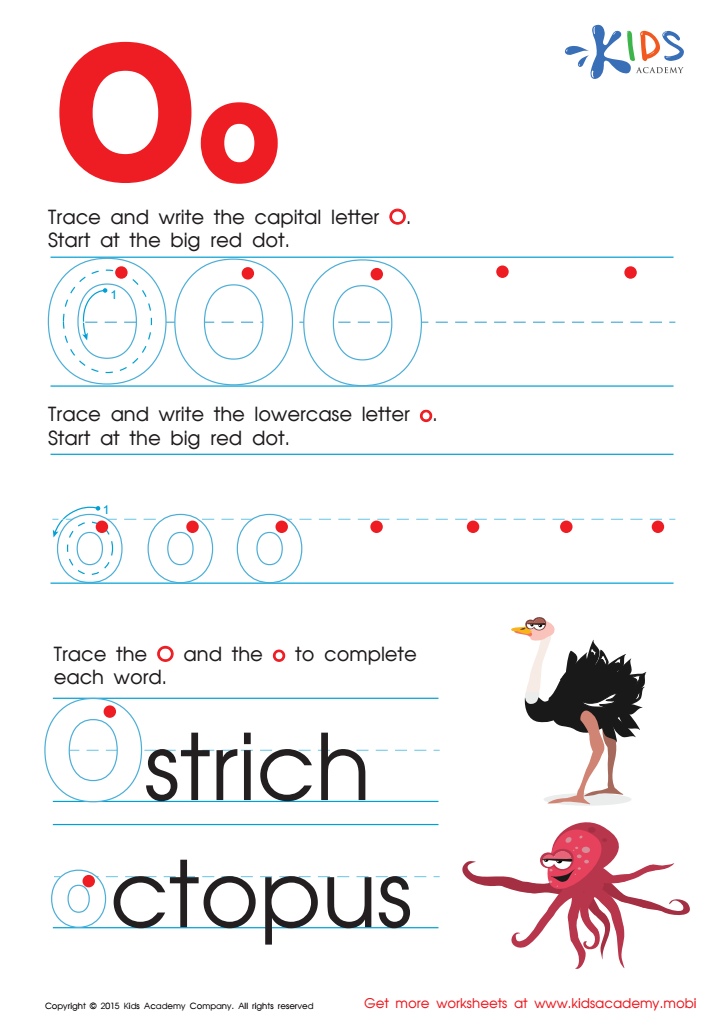
Letter O Tracing Page

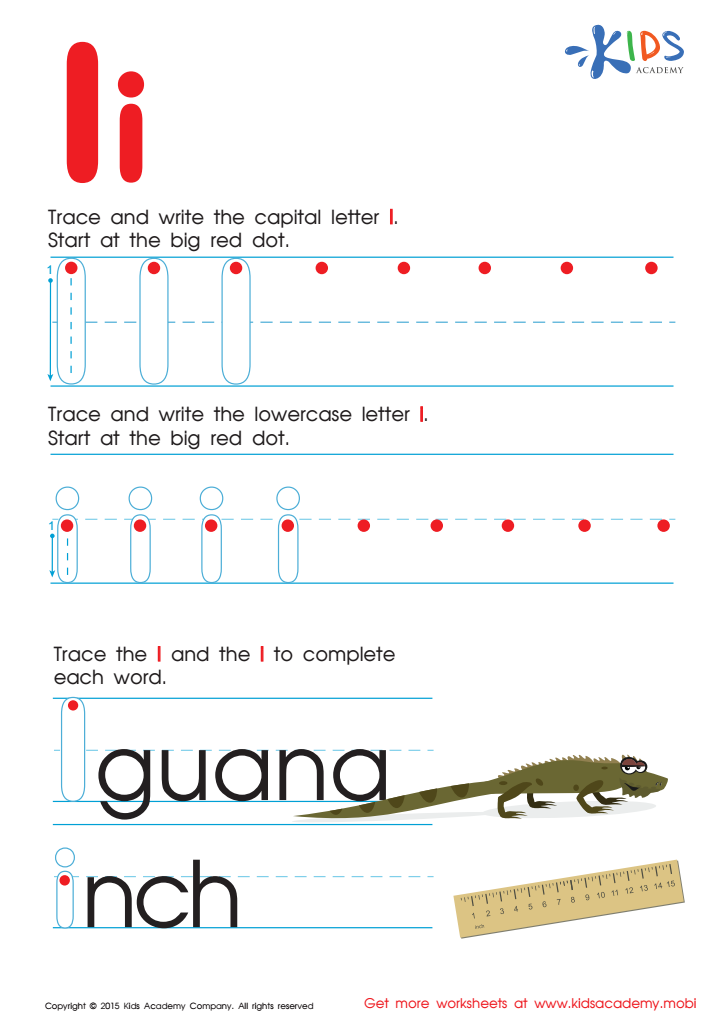
Letter I Tracing Page
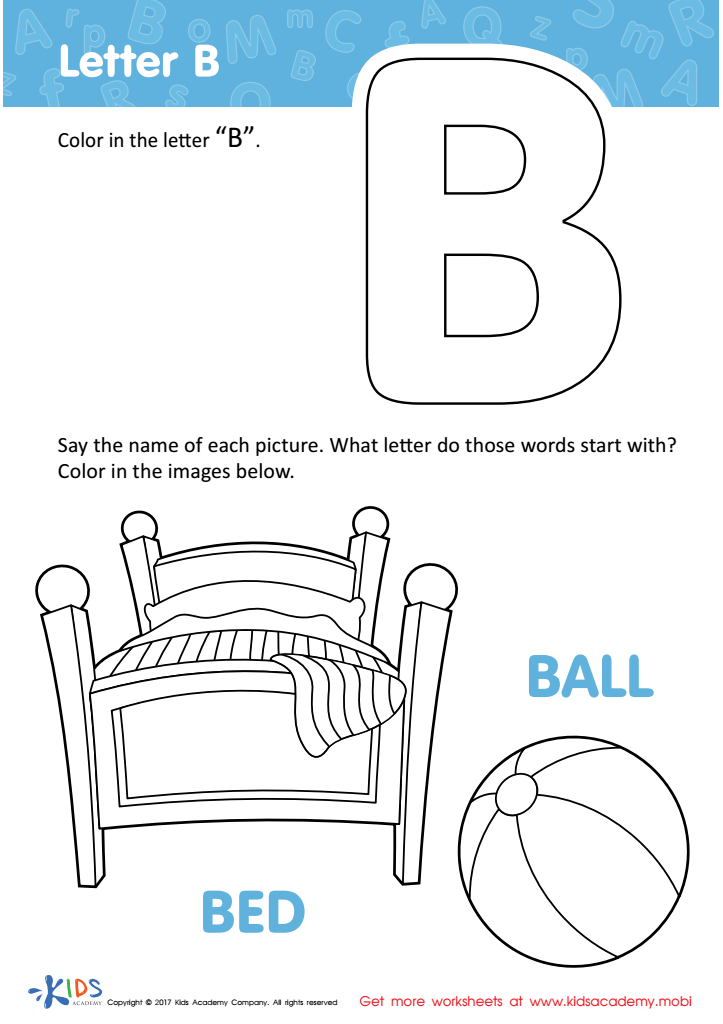
Letter B Coloring Sheet
 Assign to My Students
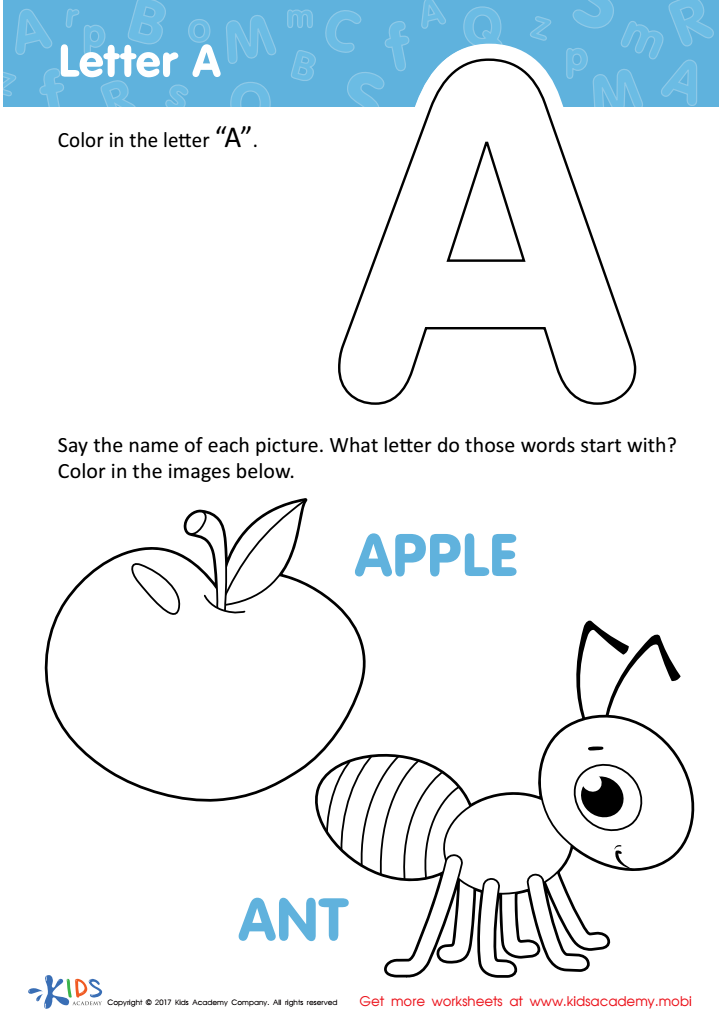
Letter A Coloring Sheet
Assign to My Students
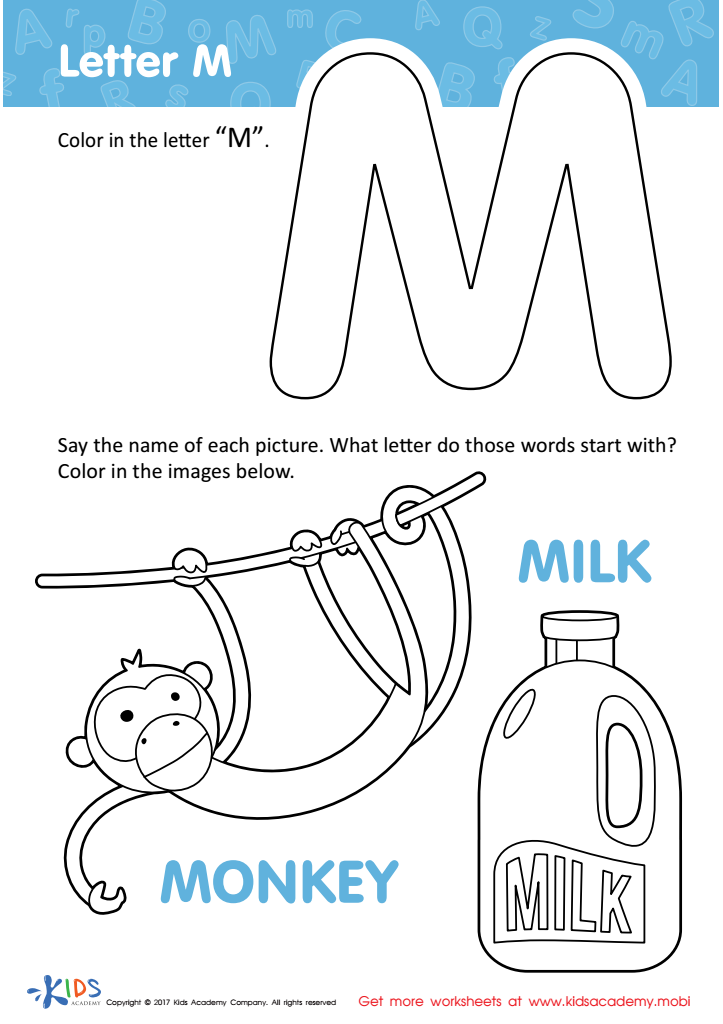
Letter M Coloring Sheet
Assign to My Students
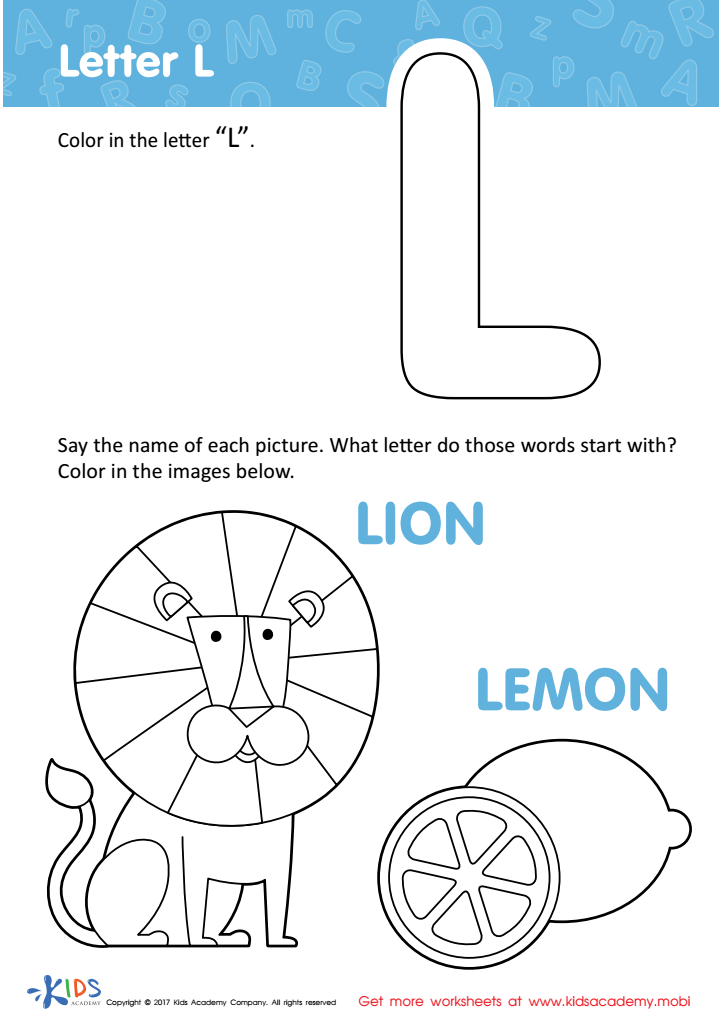
Letter L Coloring Sheet
Assign to My Students
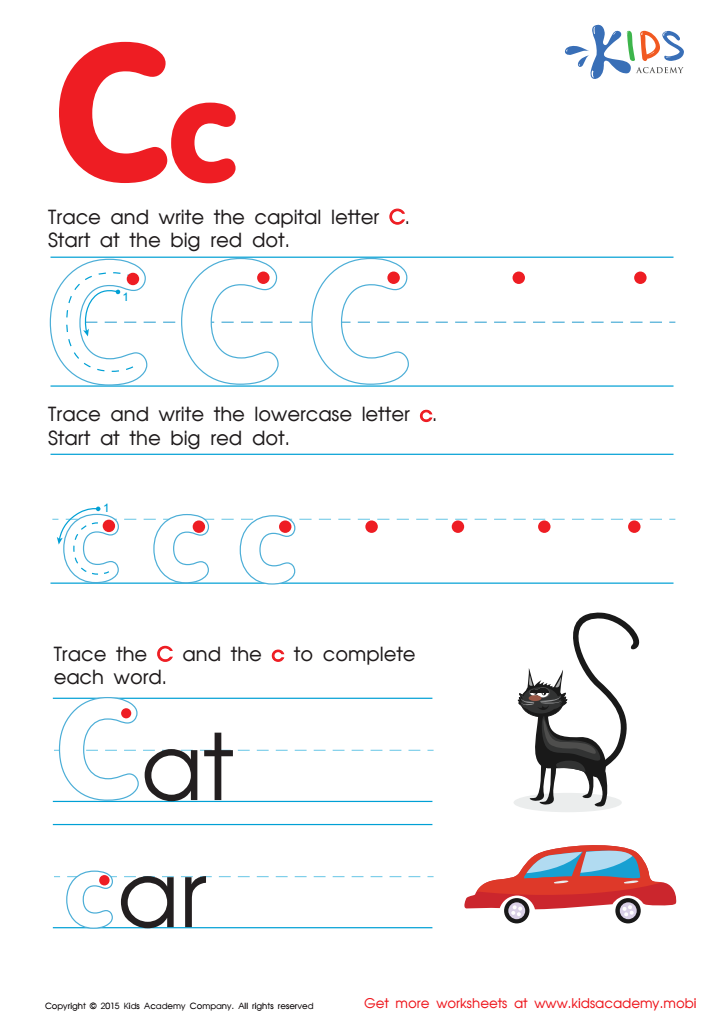
Letter C Tracing Page
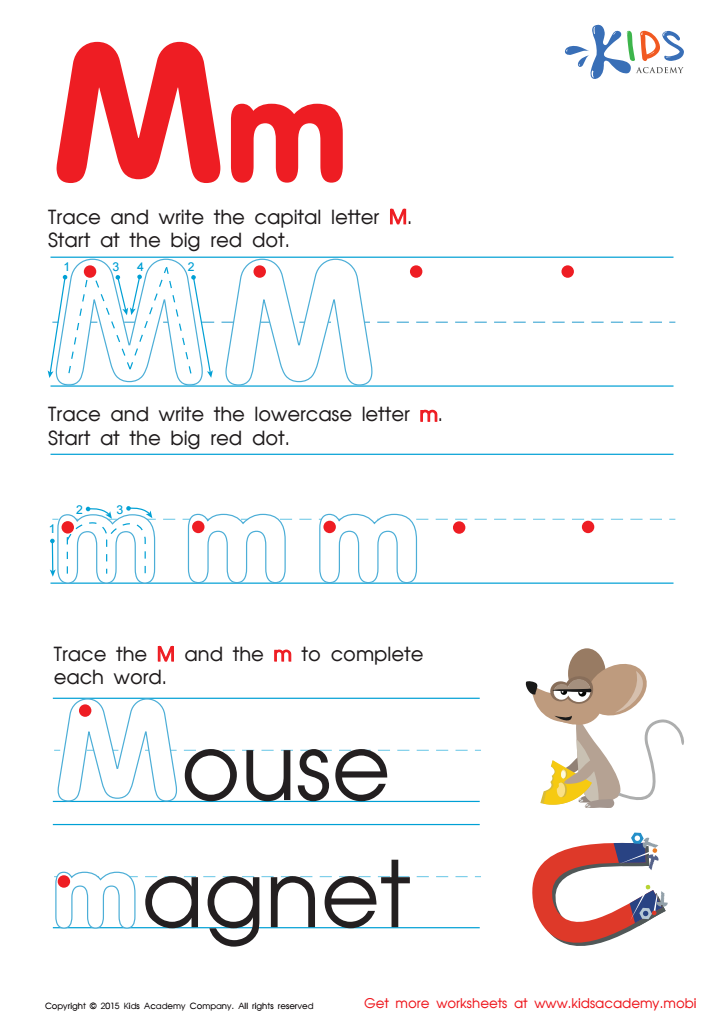
Letter M Tracing Page
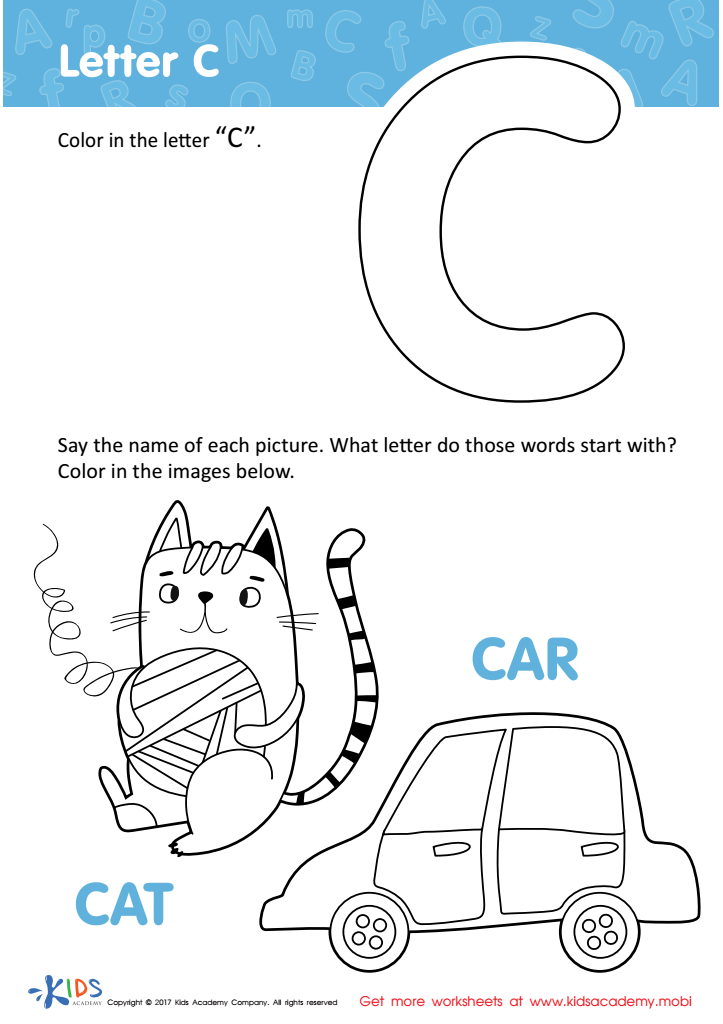
Letter C Coloring Sheet
Assign to My Students
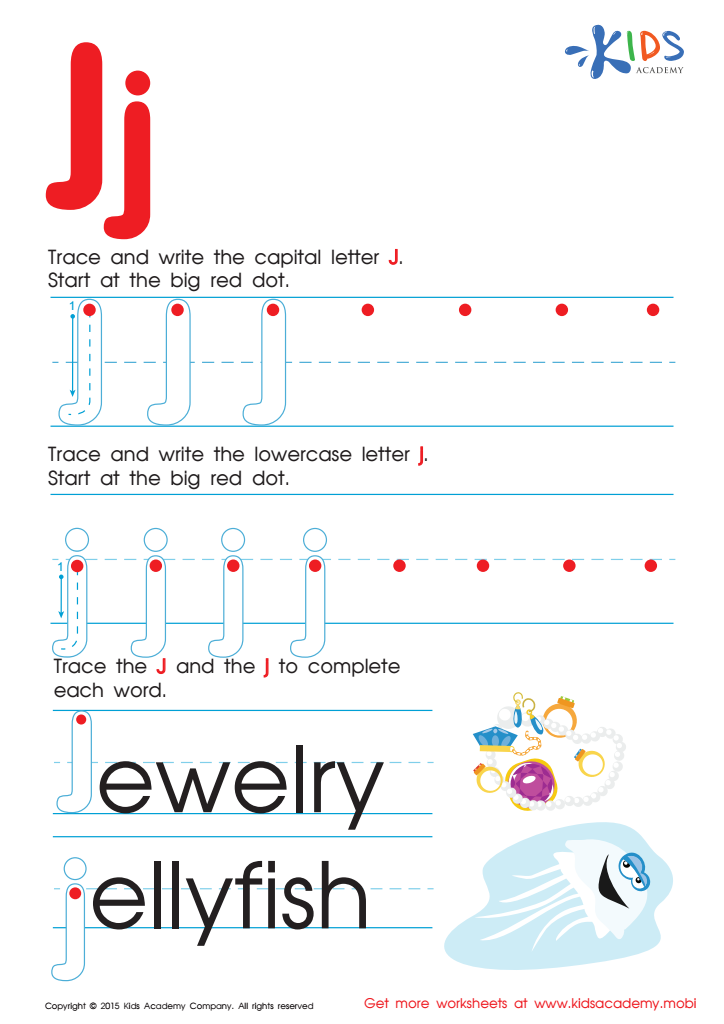
Letter J Tracing Page
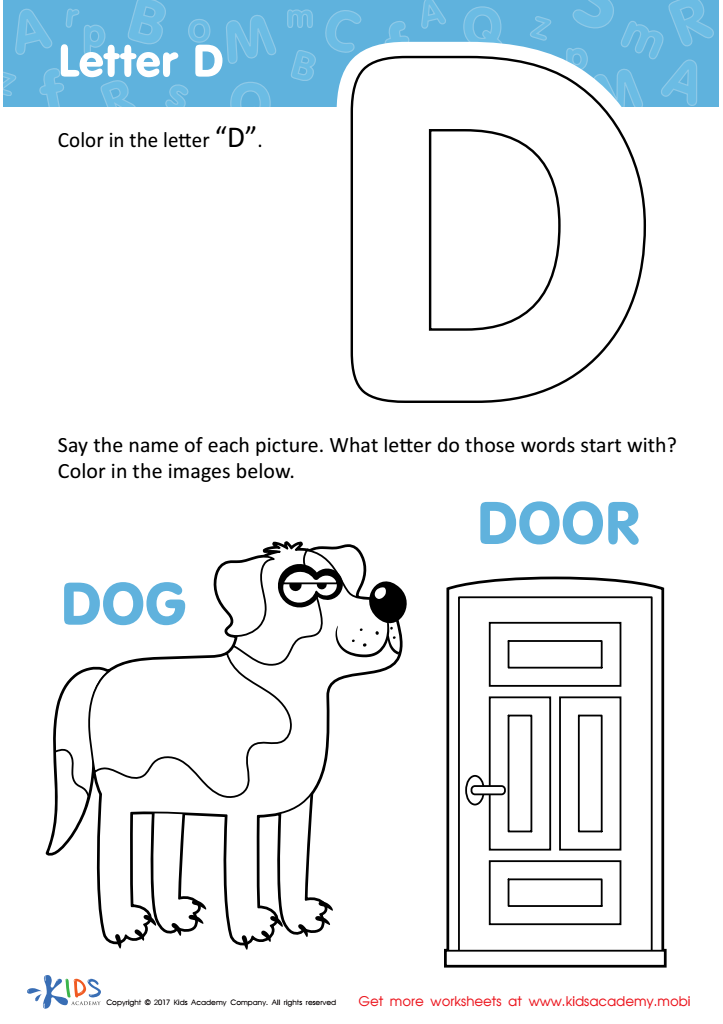
Letter D Coloring Sheet
Assign to My Students
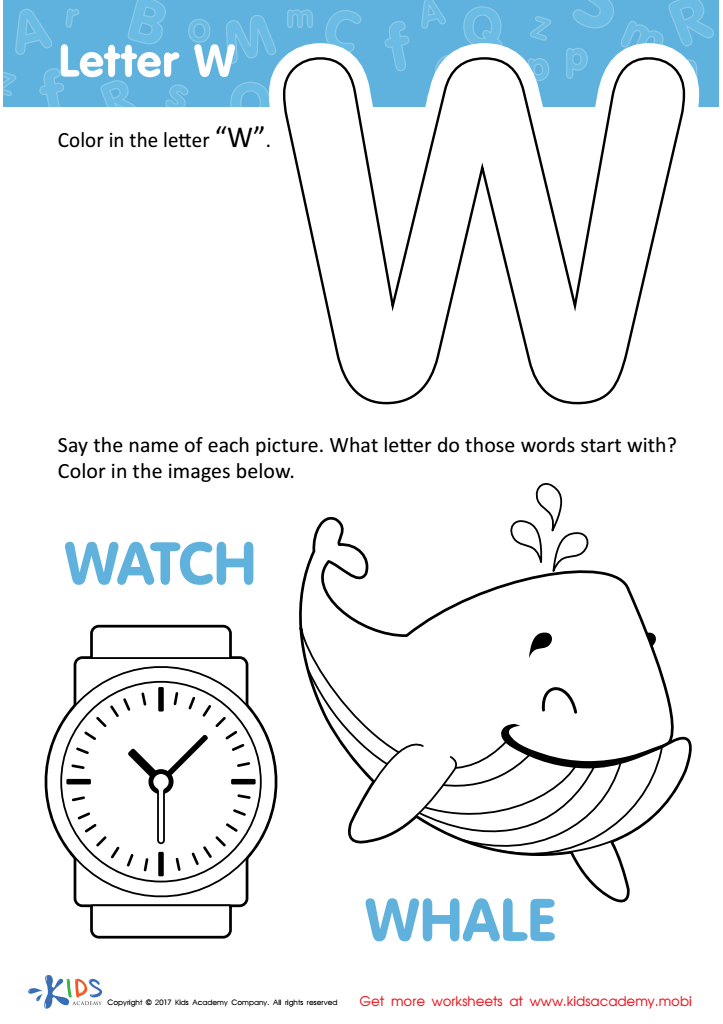
Letter W Coloring Sheet
Assign to My Students
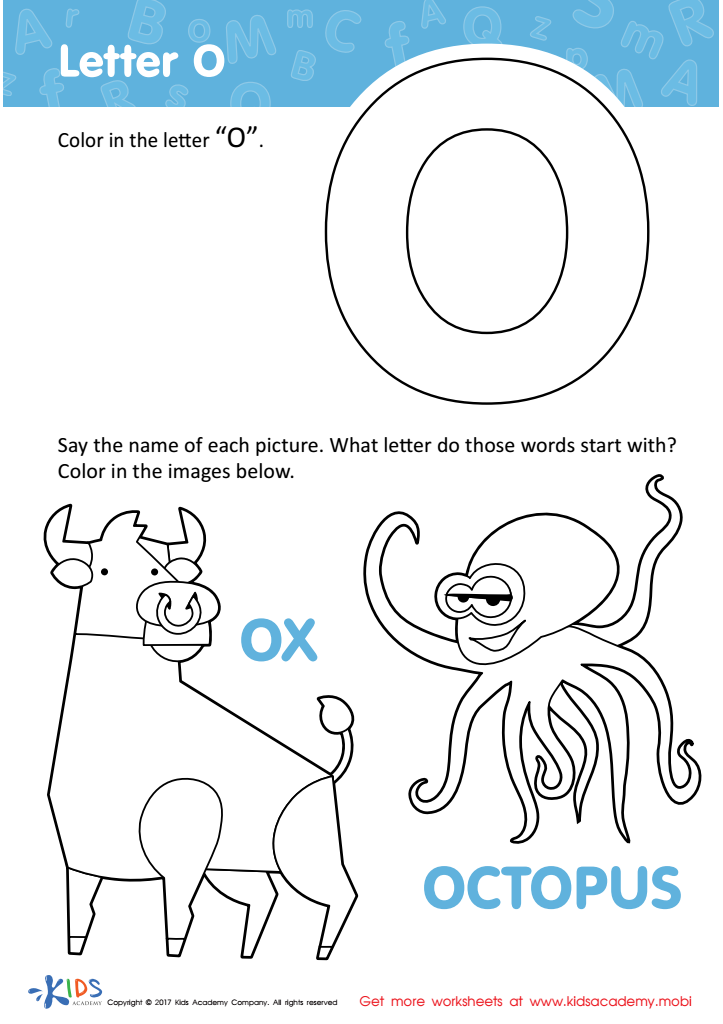
Letter O Coloring Sheet
Assign to My Students
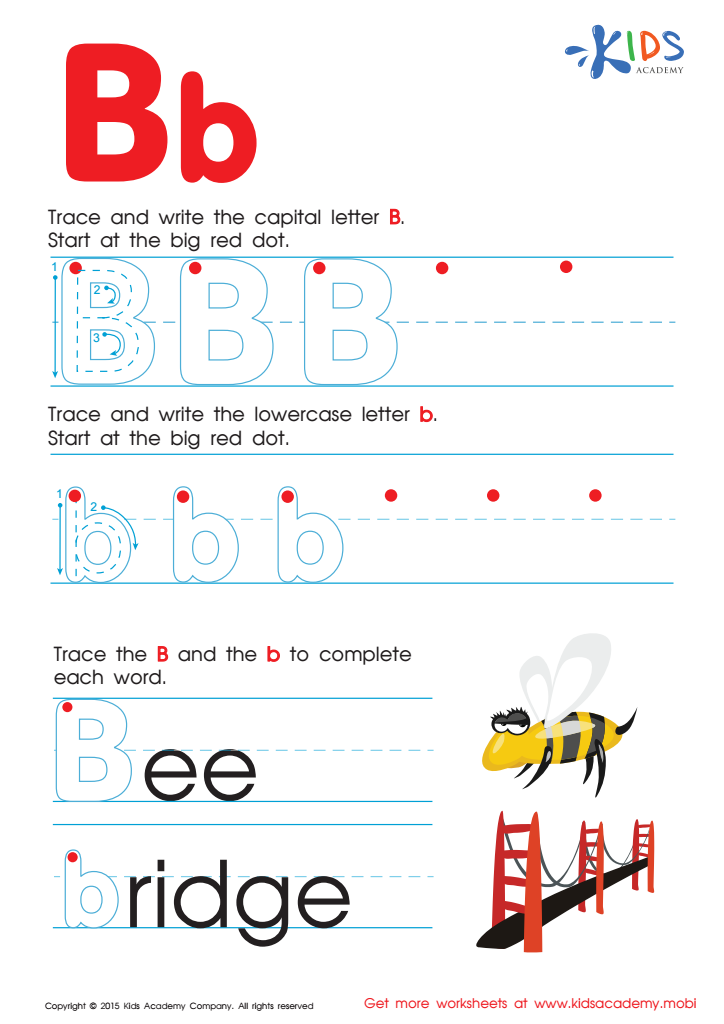
Letter B Tracing Page
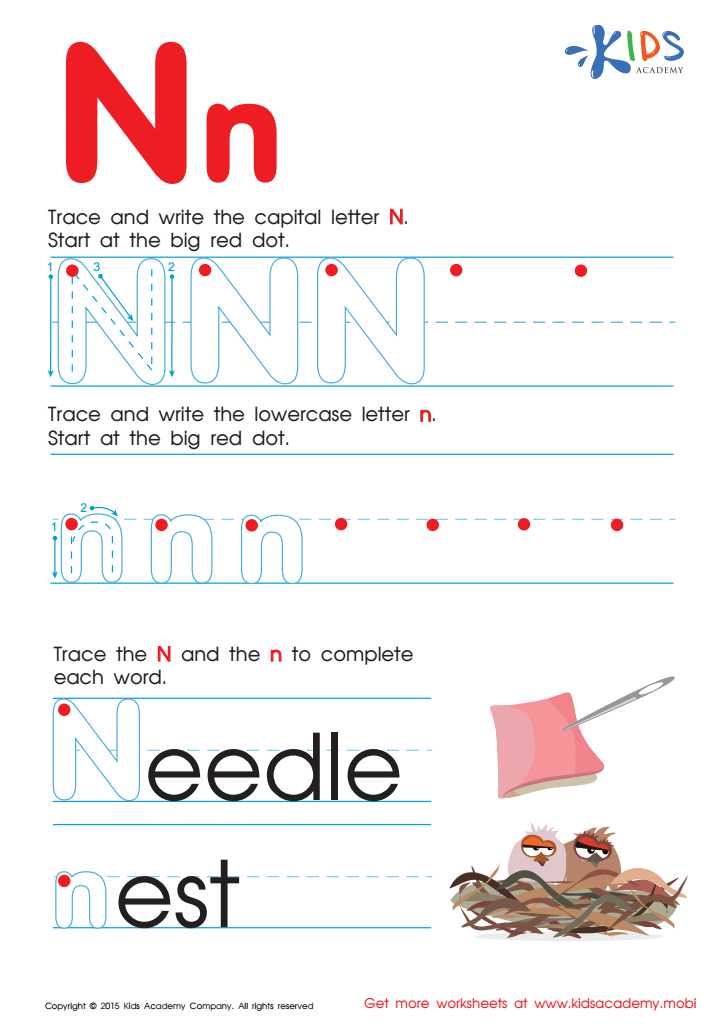
Letter N Tracing Page
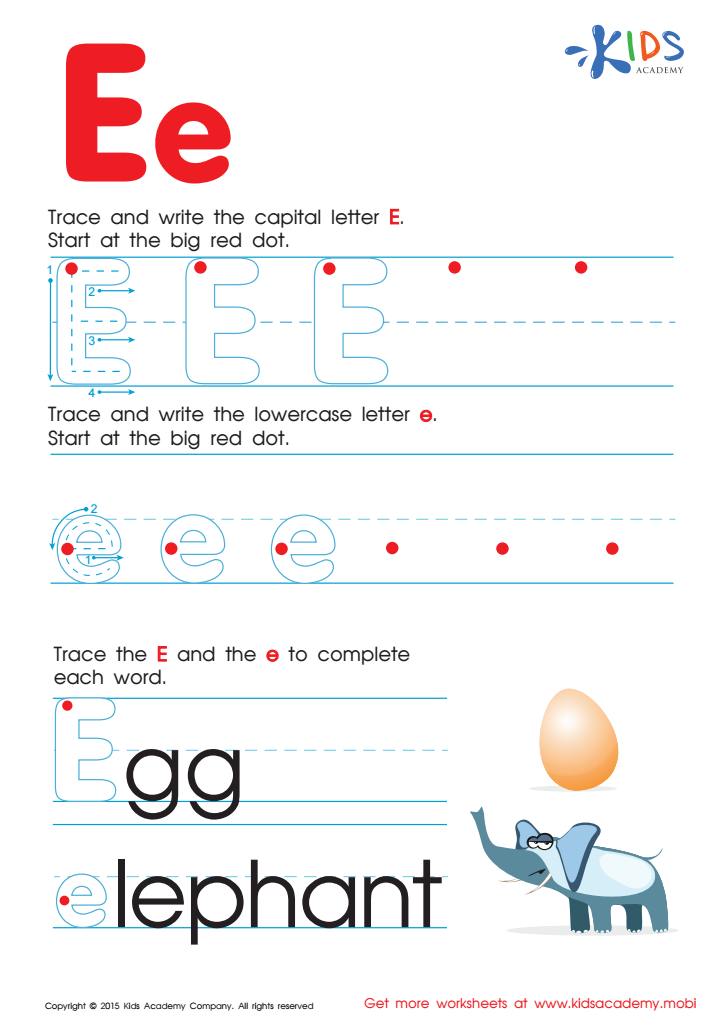
Letter E Tracing Page
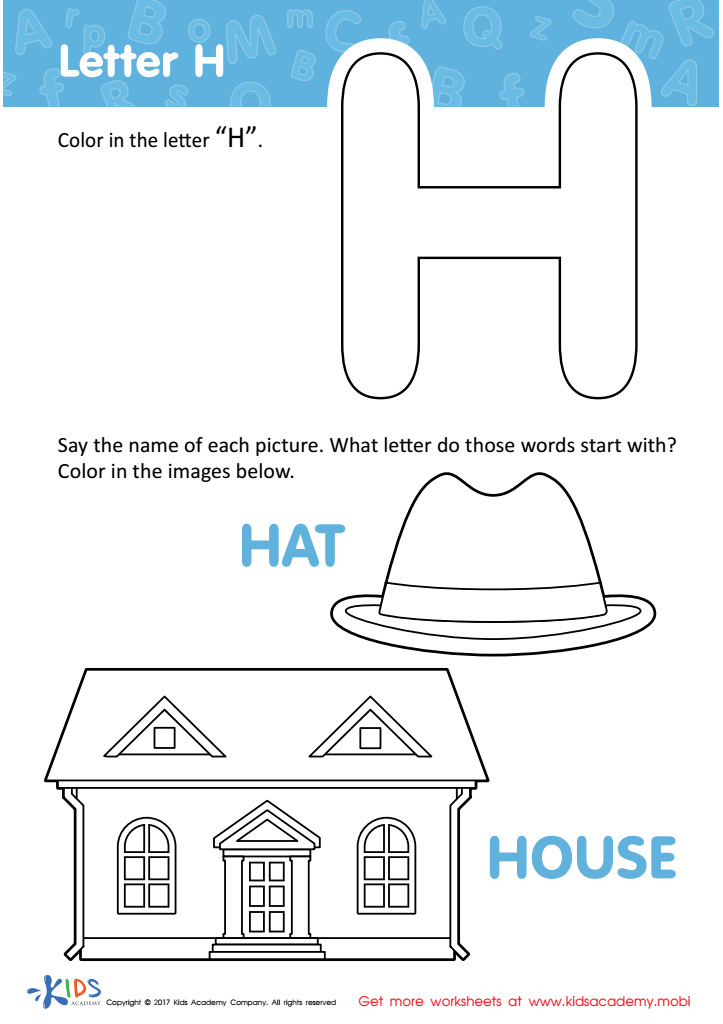
Letter H Coloring Sheet
Assign to My Students
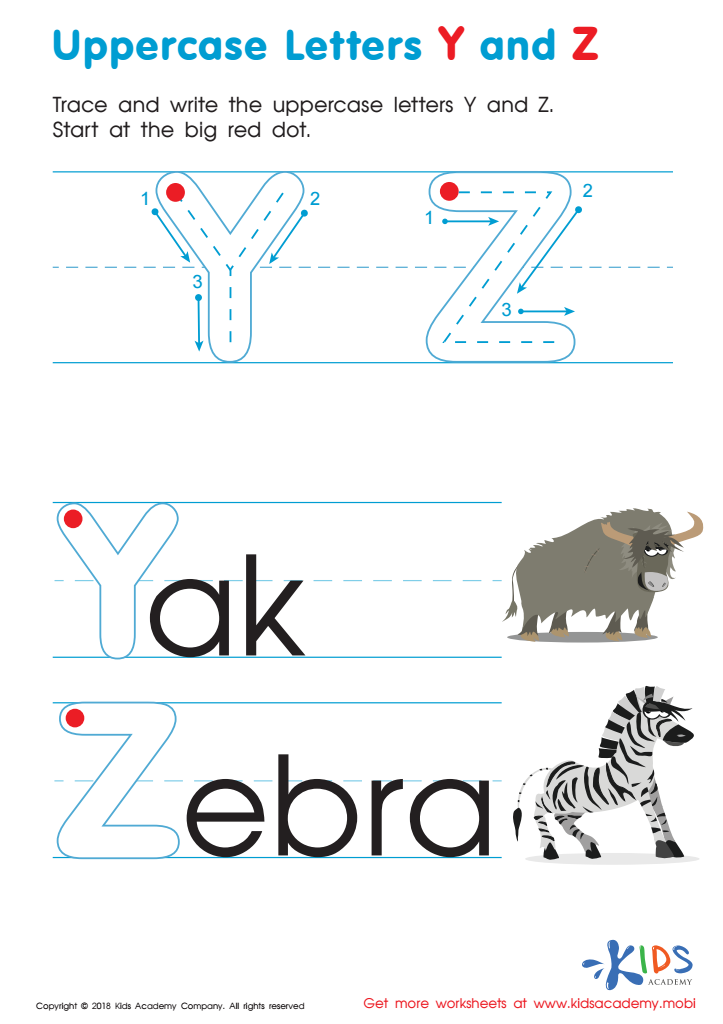
Uppercase Letters Y Z Worksheet
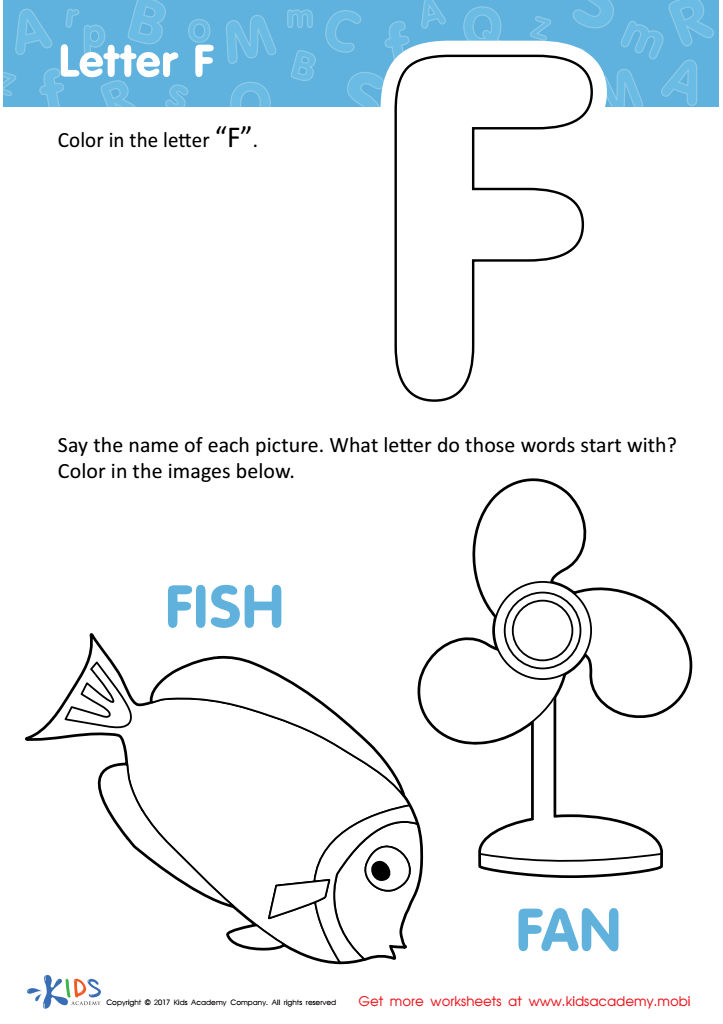
Letter F Coloring Sheet
Assign to My Students







Alphabet recognition forms the cornerstone of early literacy, making it essential for parents and teachers to prioritize this skill in children aged 4-6. During these formative years, young minds are highly receptive and capable of rapid learning. Knowing the alphabet equips children with the fundamental building blocks necessary for reading and writing. When children can recognize and name all the letters—both uppercase (ABC) and lowercase (abc)—they gain confidence, which translates into a positive attitude towards learning.
Alphabet recognition enhances phonemic awareness, where children understand that letters represent sounds. This understanding is crucial for developing decoding skills, enabling kids to read new words by sounding them out. As they become proficient in recognizing letters and linking them to their sounds, their vocabulary and comprehension skills also expand. Moreover, early achievement in alphabet recognition often predicts future academic success, fostering a strong foundation upon which more complex literacy skills can be built.
By actively engaging in activities such as reading books with large, colorful letters, playing alphabet games, or singing the alphabet song, parents and teachers not only improve a child's literacy skills but also create bonding moments that make learning enjoyable. This foundational knowledge sets the stage for lifelong learning and academic achievement.







