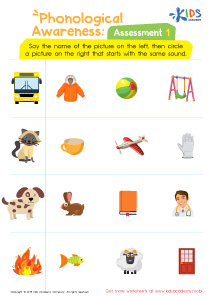
Reading comprehension Normal Elementary Phonics Worksheets for Ages 4-6
3 filtered results
Difficulty Level
Grade
Age
-
From - To
Subject
Activity
Standards
Enhance your child's reading skills with our "Reading Comprehension Normal Elementary Phonics Worksheets" designed specifically for ages 4-6. These engaging, interactive worksheets help kids develop essential literacy skills through fun phonics exercises and reading activities. Each worksheet focuses on building vocabulary, understanding sentence structure, and improving comprehension, making learning enjoyable and effective. Tailored for early learners, our materials encourage a love for reading while reinforcing foundational concepts in a structured way. With vibrant illustrations and age-appropriate content, your child will be excited to explore the world of reading. Visit us today to unlock their potential with these invaluable resources!
Favorites
With answer key
Interactive
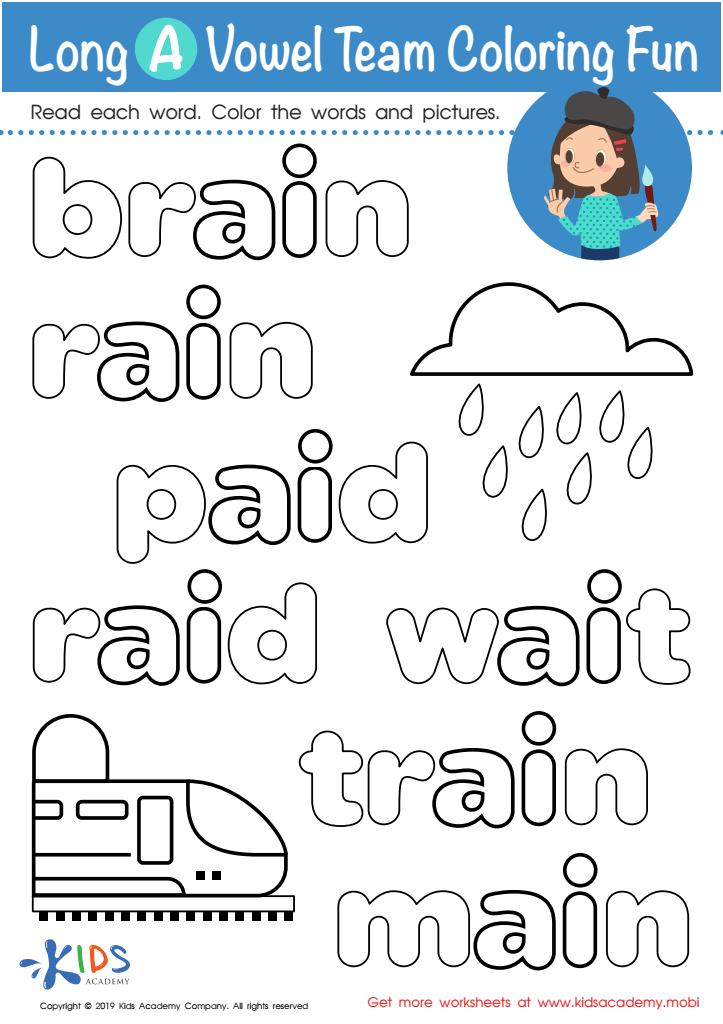
Long A Vowel Team Coloring Fun Worksheet
Divide your class into teams, give each a printout, then have them read aloud words with a long "A" sound (e.g. brain, paid). As they listen, let them reinforce this lesson by coloring in the words and pictures. Make phonics fun and interactive with this great coloring page!
Download (PDF)
 Assign to My Students
Assign to My Students
Long A Vowel Team Coloring Fun Worksheet
Worksheet
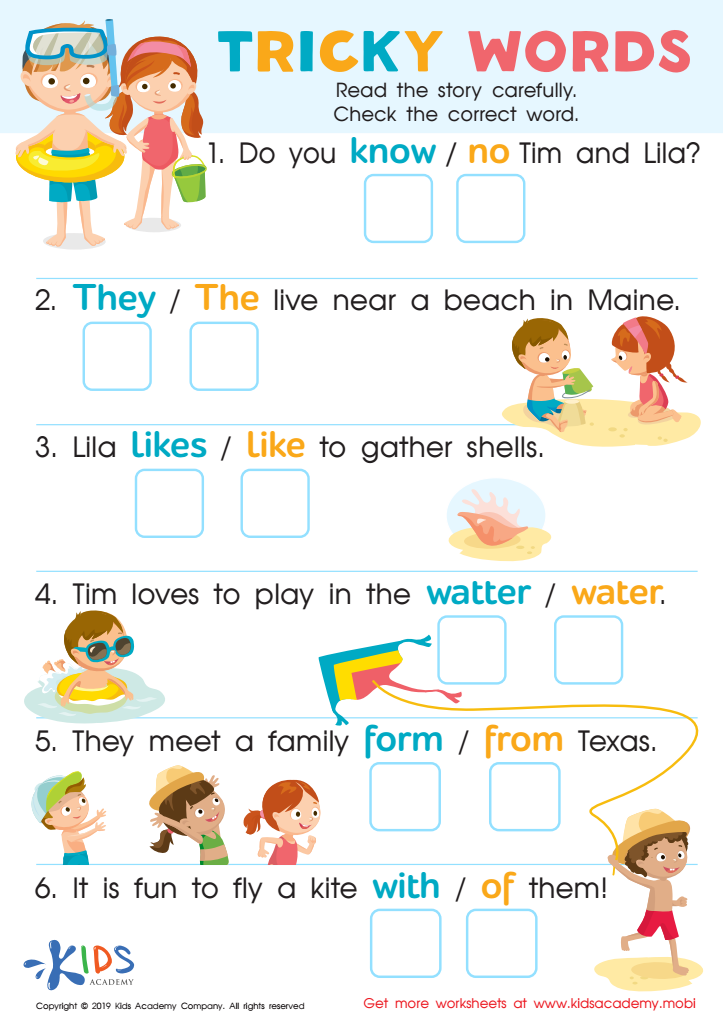
Tricky Words Worksheet
Reading can be tricky to start with, but this worksheet helps kids learn the basics of editing and strengthens their attention to detail. They'll select the right word from tricky choices, improving their reading and grammar skills.
Tricky Words Worksheet
Worksheet

Long and Short E Worksheet
This fun printout makes learning phonics enjoyable for Grade 3 students. Get them to read the words “tree” and “bed” to recognize the different sounds of the letter “E”. After hearing the words they can color the words and the pictures to understand differences between long and short vowels.
Download (PDF)
Assign to My Students
Assign to My Students
Long and Short E Worksheet
Worksheet
Join Kids Academy for Free
Who is primarily going to use this learning content?




Reading comprehension, particularly through Normal Elementary Phonics, is crucial for children aged 4-6 as it lays the foundation for their future academic success. At this early stage, children are not just learning to decode words but are also starting to understand their meaning and context. Phonics instruction teaches the relationship between sounds and letters, enabling young learners to read fluently. When paired with comprehension strategies, it enhances their ability to grasp ideas, make predictions, and draw conclusions from the text.
Parents and teachers should care about this developmental phase because strong reading skills drive a child’s confidence and love for learning. Research shows that children who master reading early are more likely to excel in other subjects and have better educational outcomes. Moreover, fostering comprehensive skills provides children with the tools to engage in discussions about stories, improving critical thinking and communication skills.
By investing time in reading activities that include phonics and comprehension, adults can help cultivate a generation of confident readers who are not only able to read but also to comprehend, analyze, and enjoy literature, setting the stage for lifelong learning and intellectual curiosity. Detecting early challenges in reading can also lead to timely interventions, helping each child reach their full potential.