Alphabet Recognition Normal Alphabet Worksheets for Ages 4-6
42 filtered results
-
From - To
Introduce your little ones to the exciting world of letters with our "Alphabet Recognition Normal Alphabet Worksheets" designed specifically for ages 4-6. These engaging and colorful worksheets help young learners identify, trace, and write each letter of the alphabet while developing crucial early reading skills. With a focus on fun and interactive exercises, our worksheets ensure children not only recognize but also love learning the alphabet. Perfect for preschool and kindergarten, these activities are a great foundation for future literacy success. Start your child's learning journey today with our expertly crafted alphabet recognition worksheets from Kids Academy!
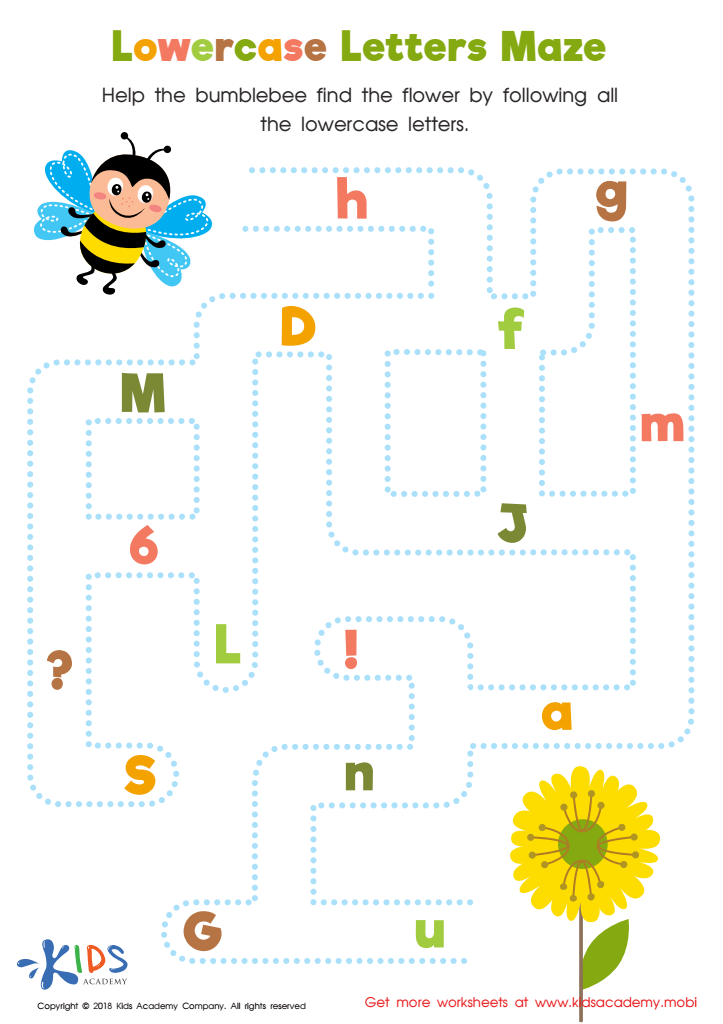
Lowercase Letters Maze Worksheet
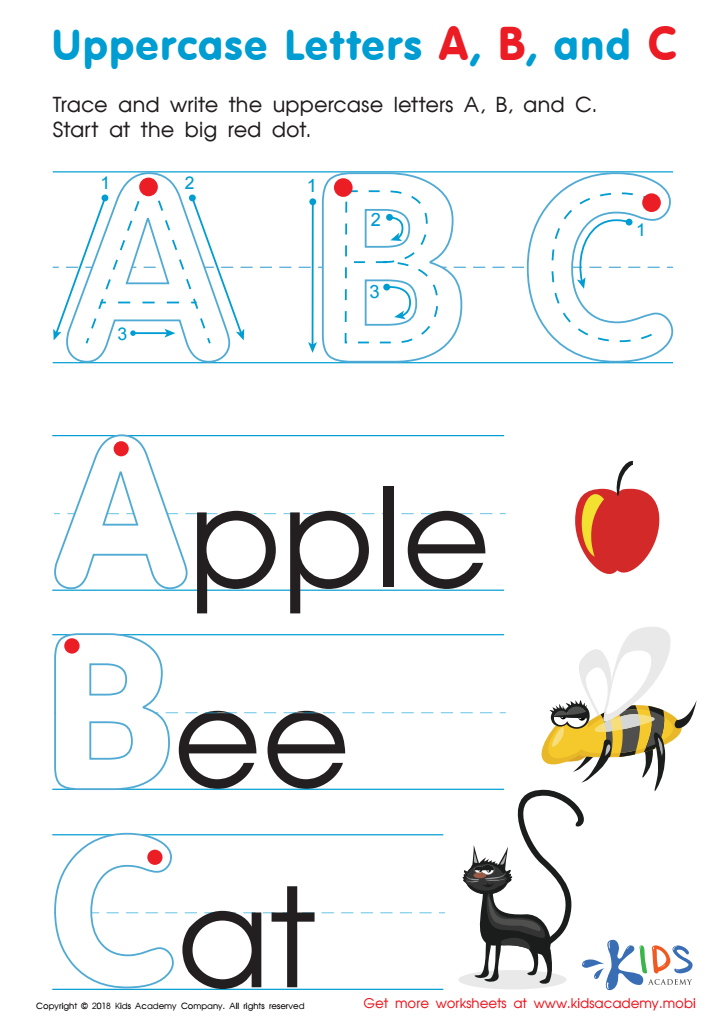
Uppercase Letters A, B, and C Worksheet
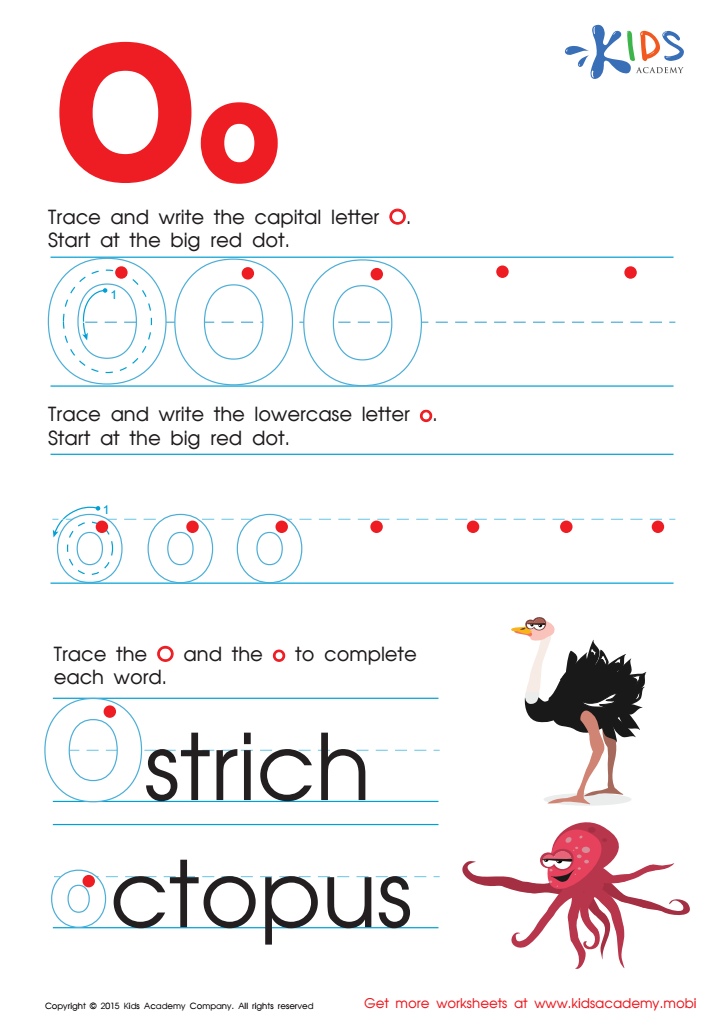
Letter O Tracing Page
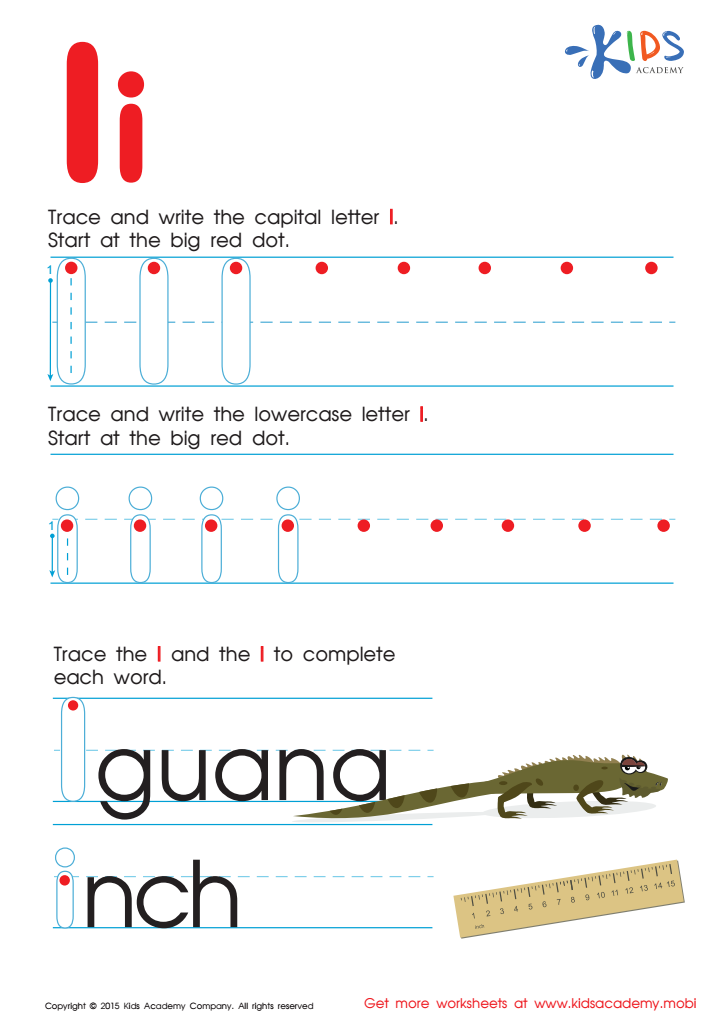
Letter I Tracing Page
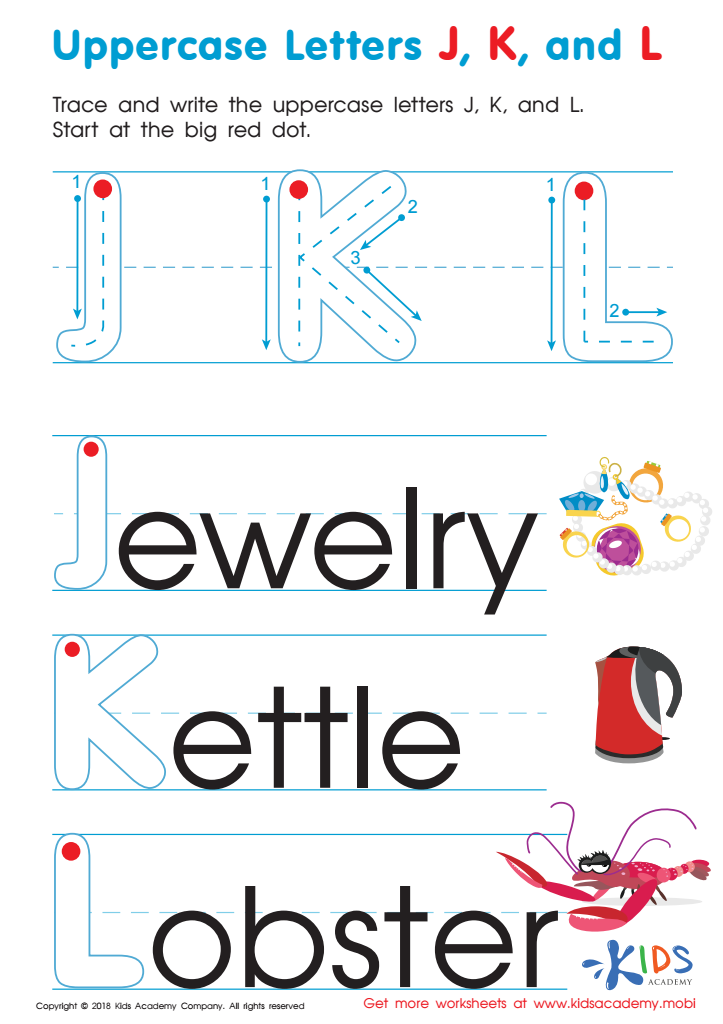
Uppercase Letters J, K, and L Worksheet
Letter B Coloring Sheet
 Assign to My Students
Letter A Coloring Sheet
Assign to My Students
Letter M Coloring Sheet
Assign to My Students
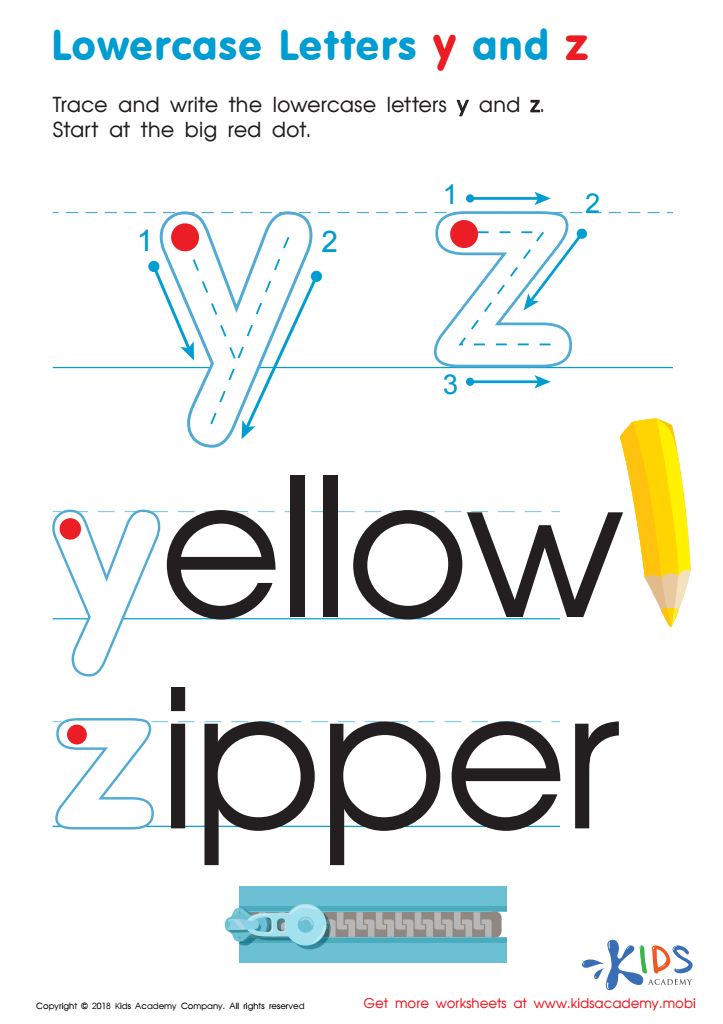
Lowercase Letters y z Worksheet
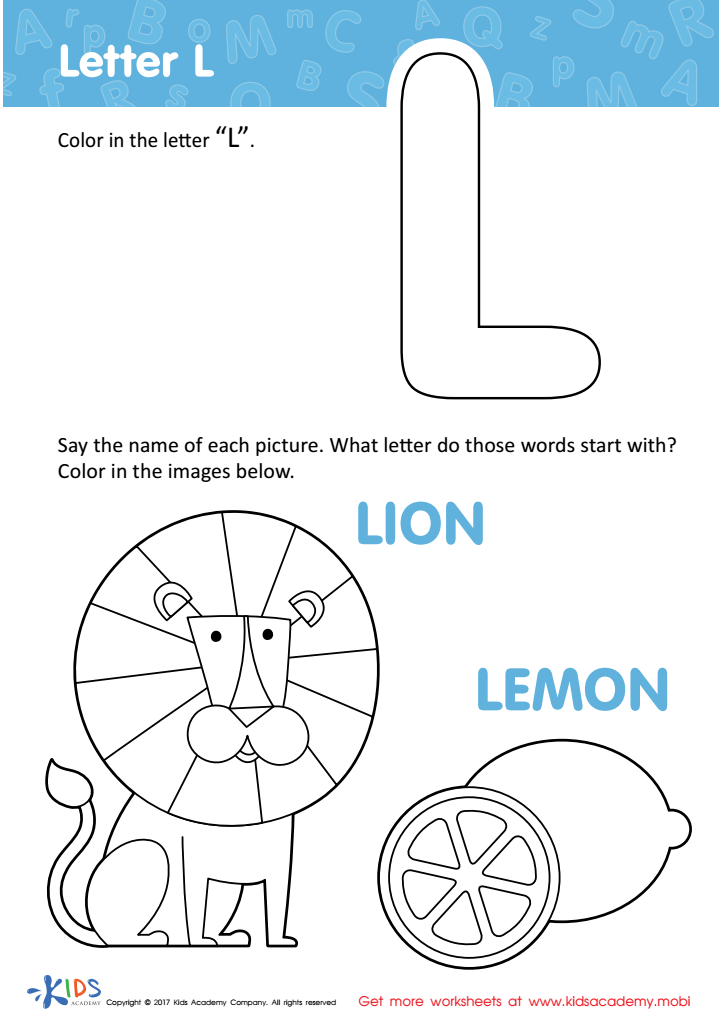
Letter L Coloring Sheet
Assign to My Students
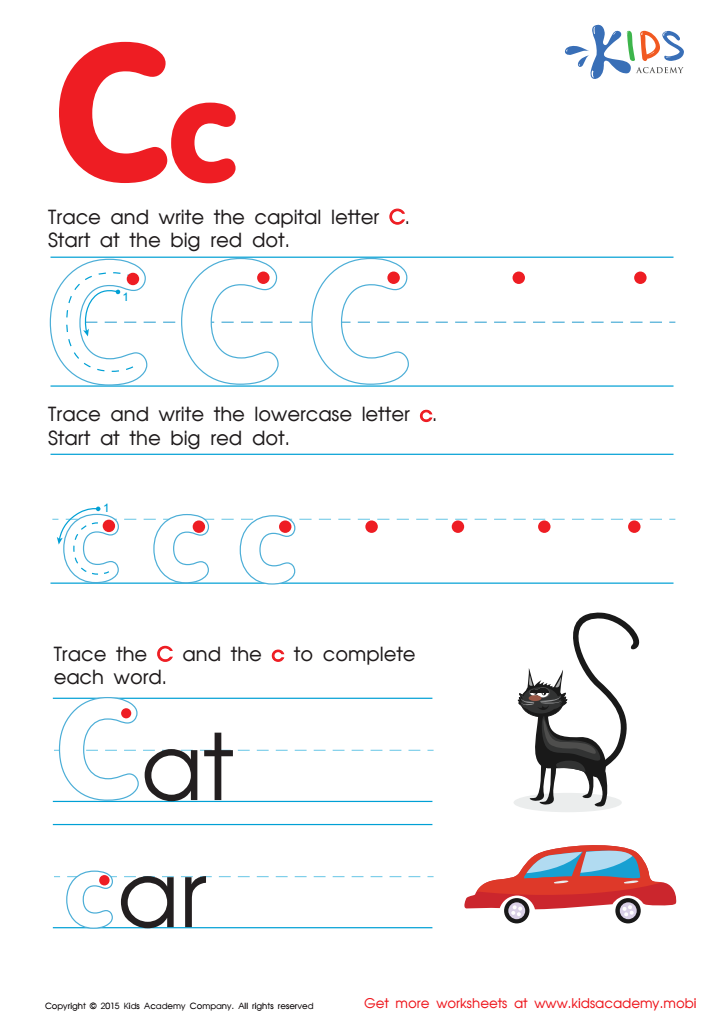
Letter C Tracing Page
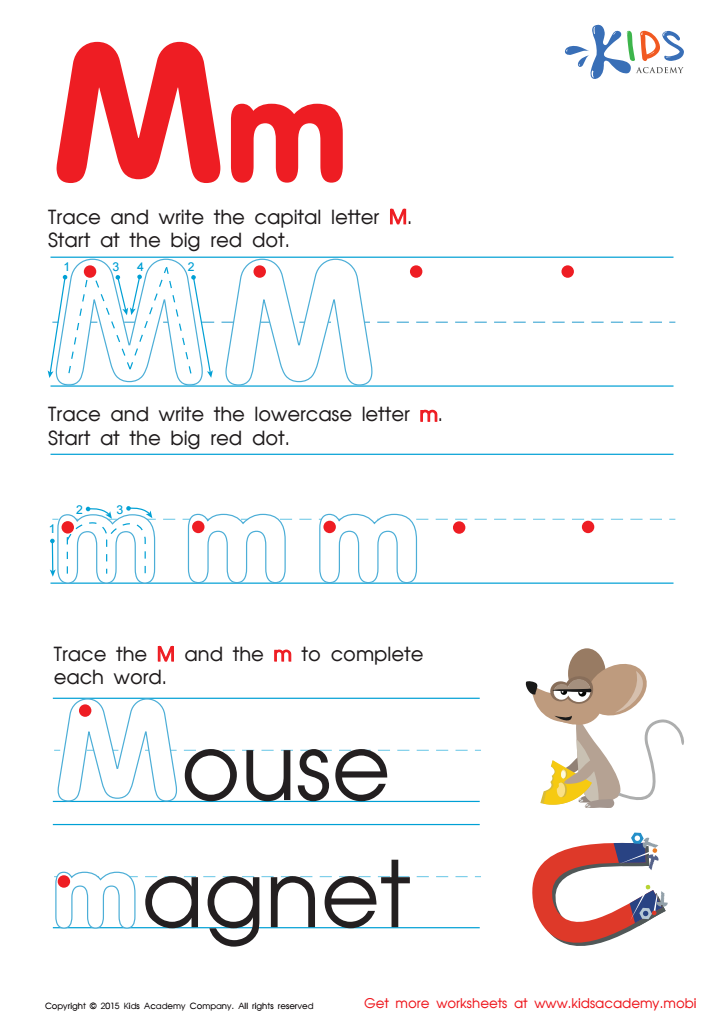
Letter M Tracing Page
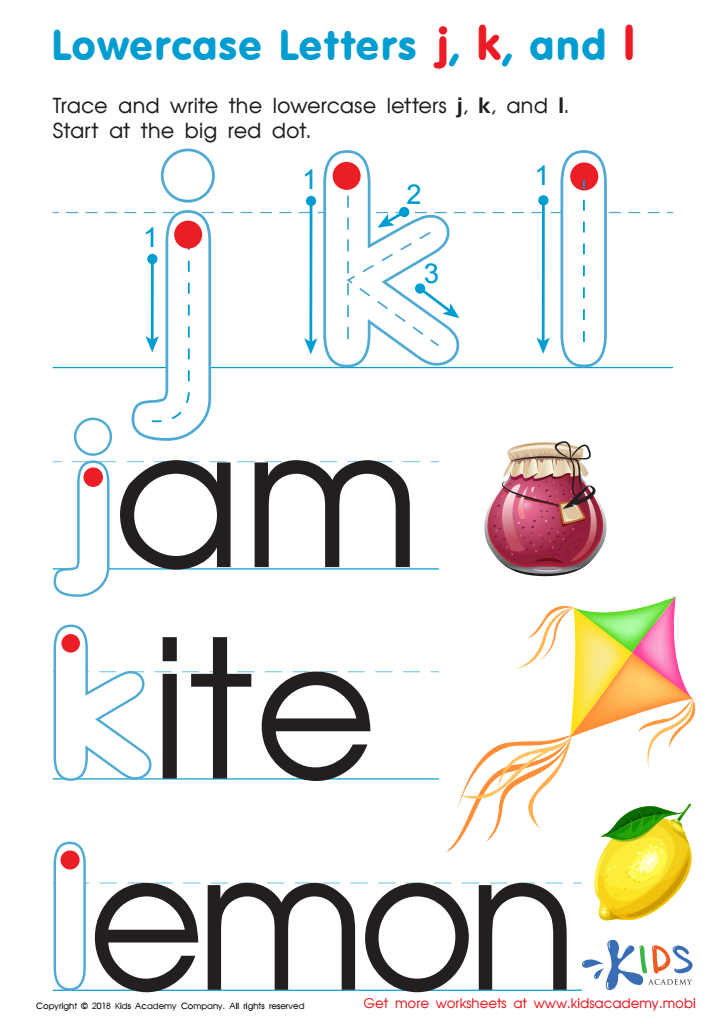
Lowercase Letters j k l Worksheet
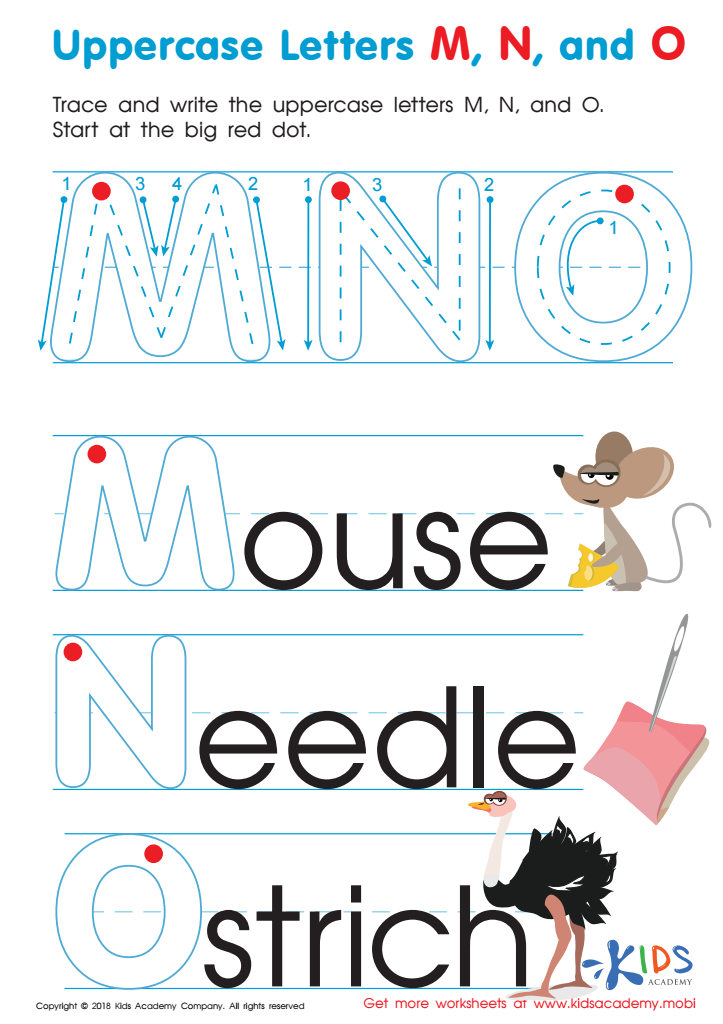
Uppercase Letters M, N, and O Worksheet
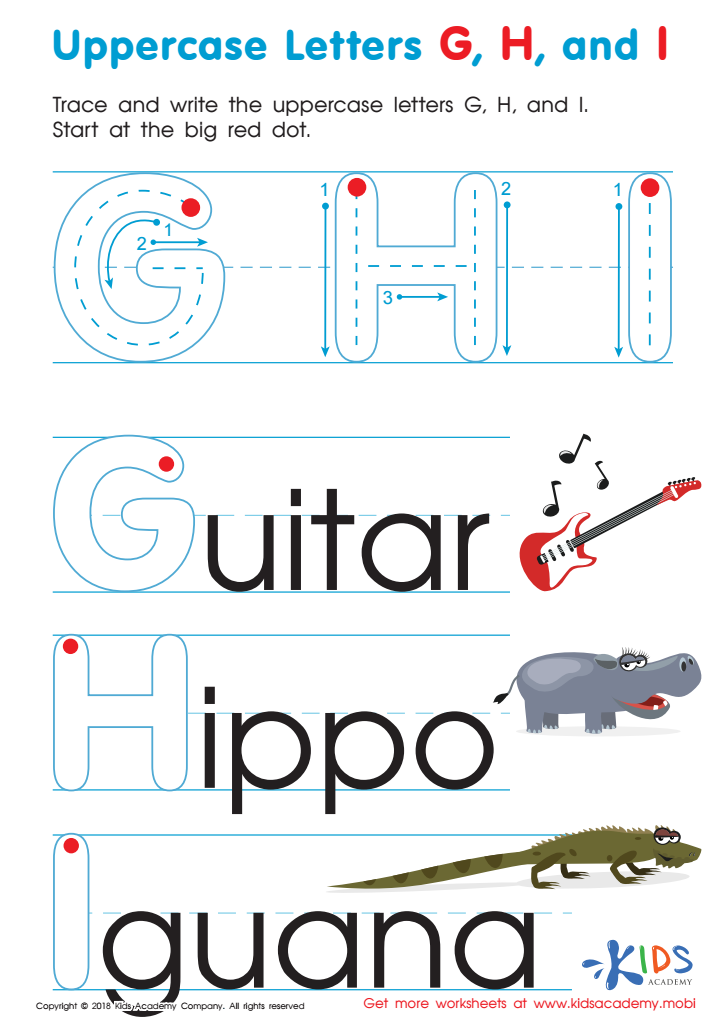
Uppercase Letters G, H, and I Worksheet
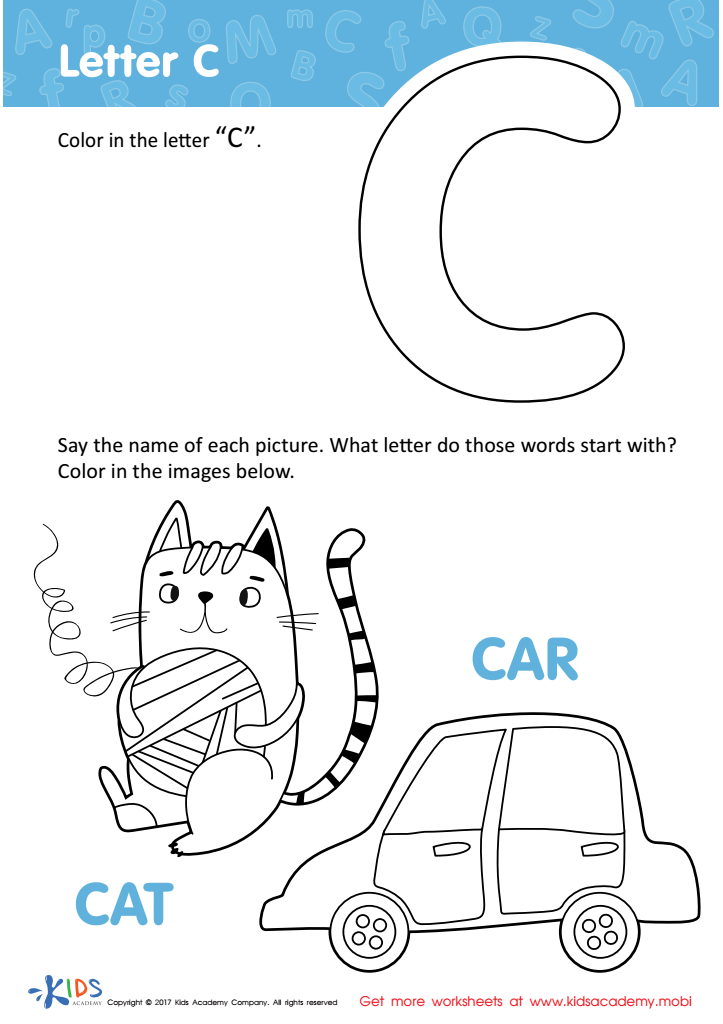
Letter C Coloring Sheet
Assign to My Students
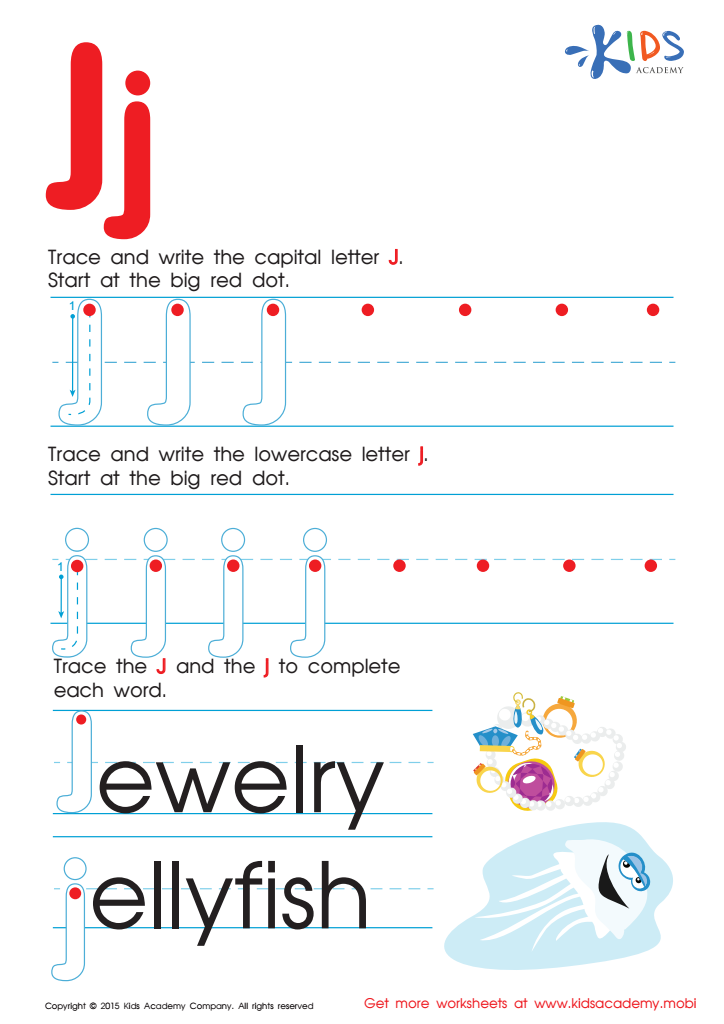
Letter J Tracing Page
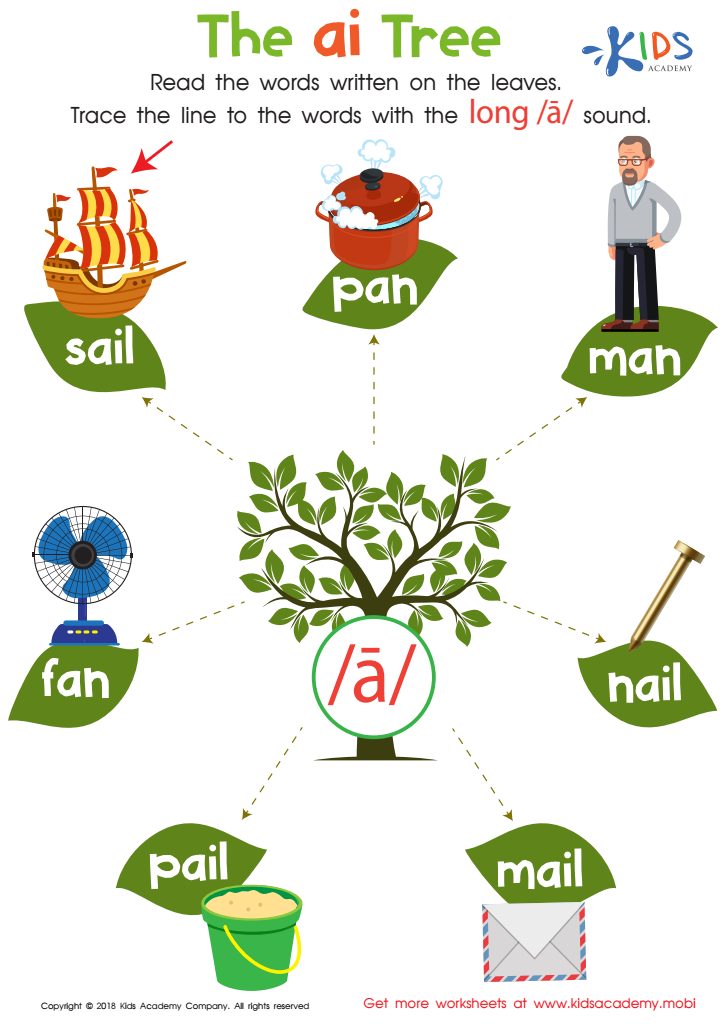
The AI Tree Worksheet
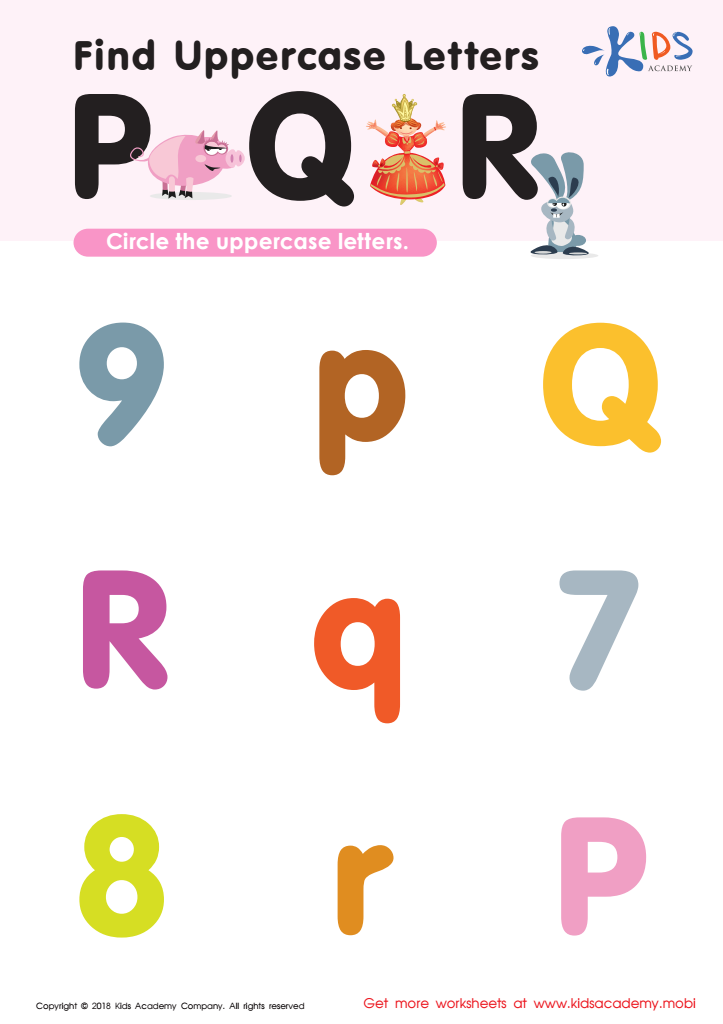
Find Uppercase Letters P, Q, and R Worksheet
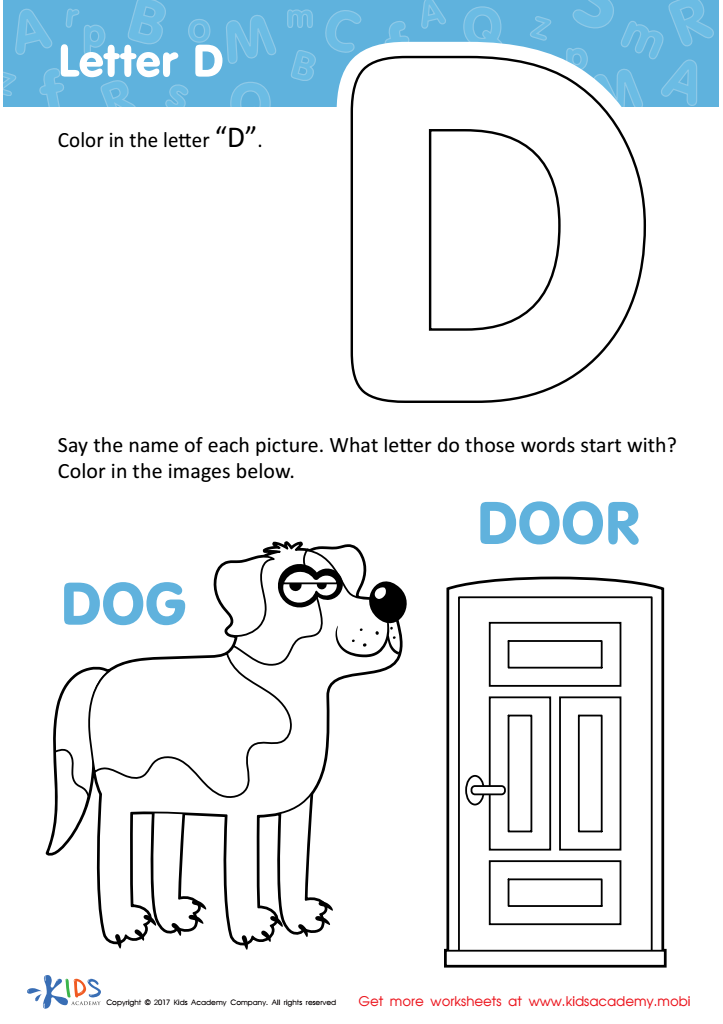
Letter D Coloring Sheet
Assign to My Students
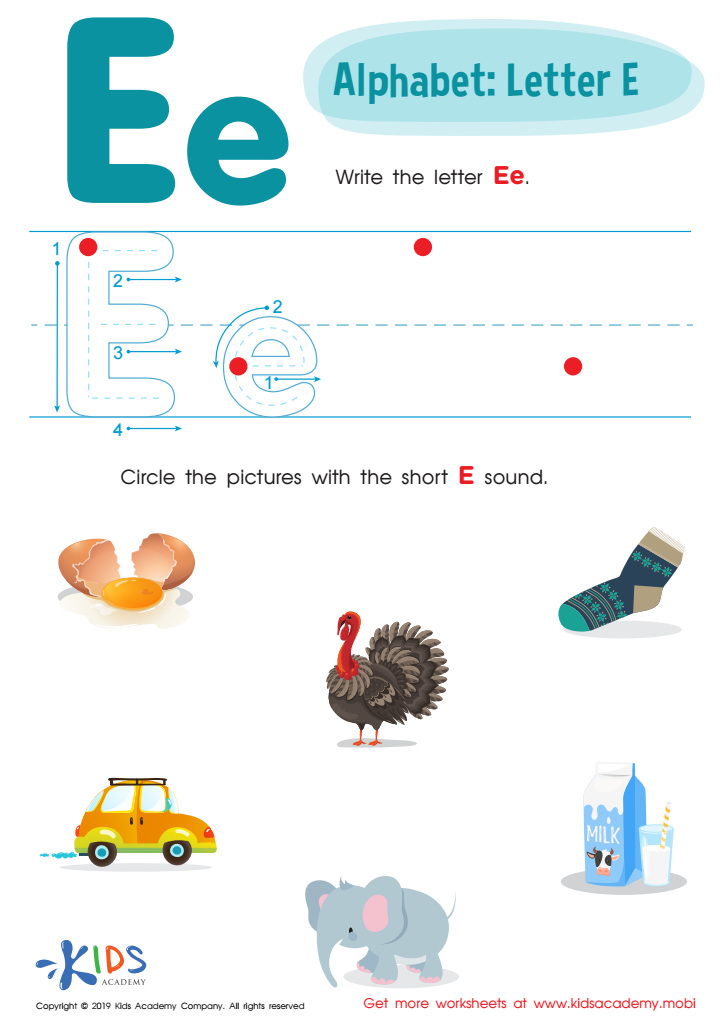
Letter E Tracing Worksheet
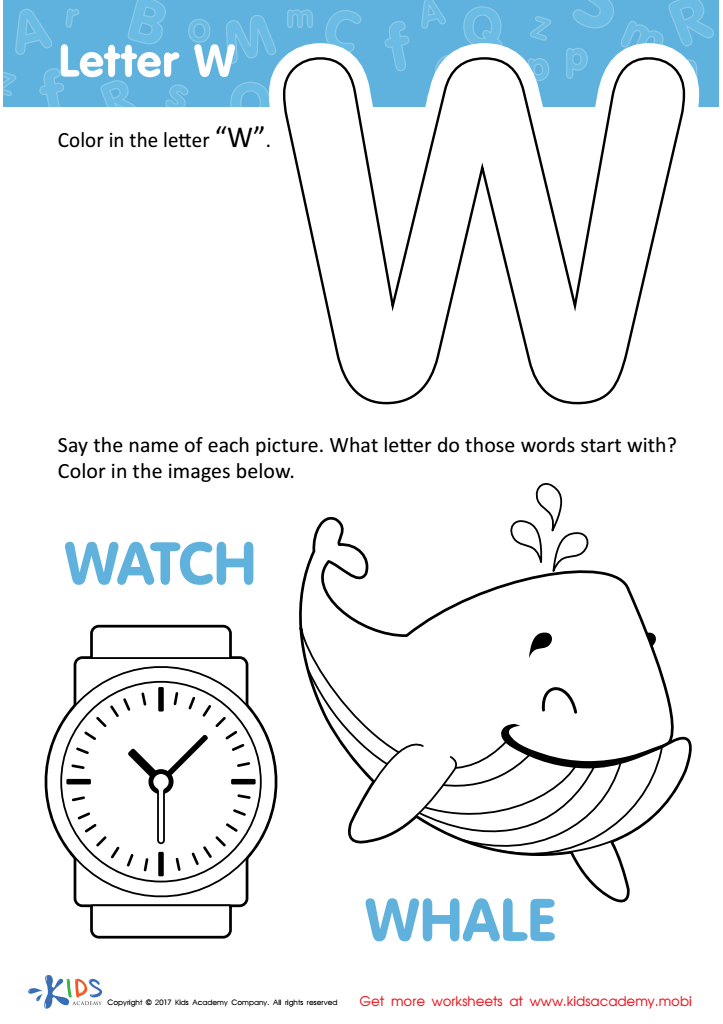
Letter W Coloring Sheet
Assign to My Students
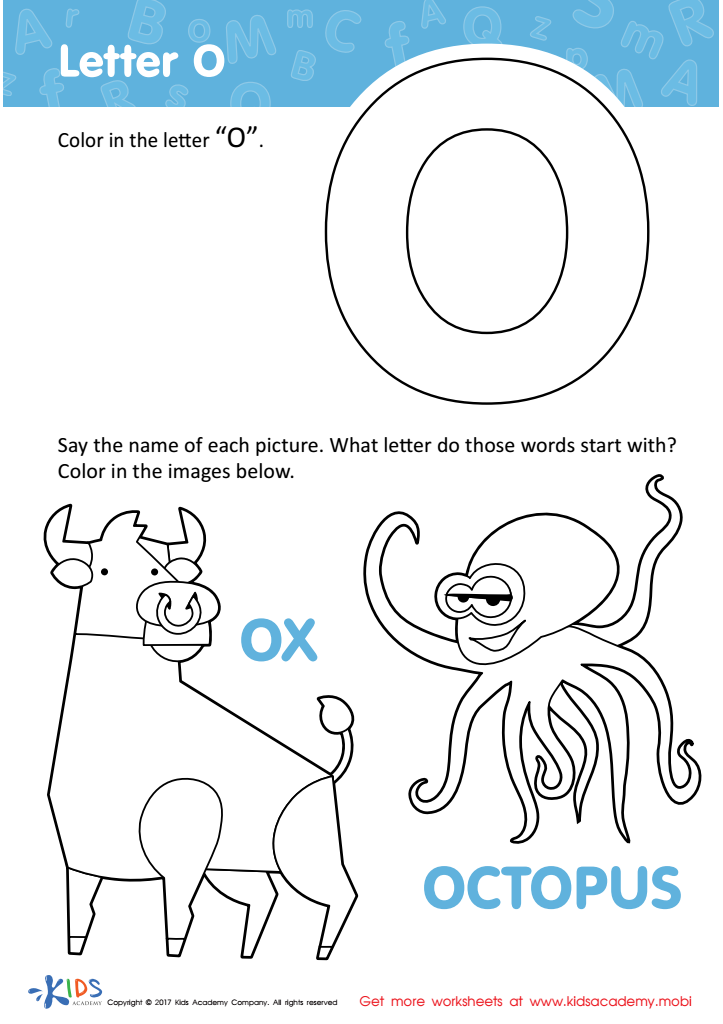
Letter O Coloring Sheet
Assign to My Students
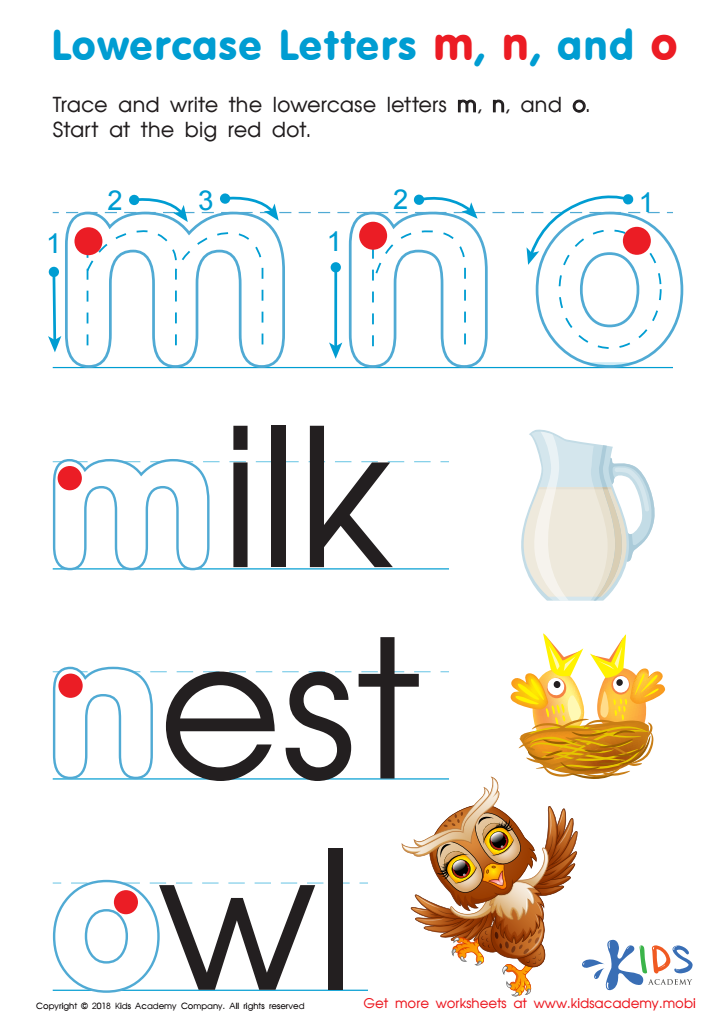
Lowercase Letters m n o Worksheet







Alphabet recognition is a cornerstone skill for young children, particularly those aged 4-6, as it serves as the foundational step towards literacy and effective communication. Early introduction and mastery of the normal alphabet yield numerous long-term benefits for a child's academic and social development. For parents and teachers, investing in alphabet recognition ensures children are well-prepared for the learning tasks ahead.
One primary reason is that knowing the alphabet enhances phonemic awareness, enabling kids to decode new words by associating letters with sounds. This skill is crucial for developing reading proficiency, which is vital for academic success across subjects. In addition, recognizing the alphabet aids in writing skills, starting with forming letters correctly and eventually constructing words and sentences.
Furthermore, understanding the alphabet fosters cognitive development by boosting memory, concentration, and pattern recognition. Socially, being able to read and write effectively allows children to engage more confidently in classroom activities, contributing to higher self-esteem and better interpersonal skills.
In summary, prioritizing alphabet recognition for children aged 4-6 equips them with essential tools for literacy, cognitive development, and social interaction, forming a sturdy foundation for all future learning endeavors. For parents and teachers, focusing on this skill can significantly enhance a child’s educational trajectory and overall well-being.







