Problem-Solving Skills Normal Alphabet Worksheets for Ages 4-6
6 filtered results
-
From - To
Enhance your child's problem-solving skills with our engaging Normal Alphabet Worksheets designed specifically for ages 4-6. These worksheets promote critical thinking as young learners tackle fun, interactive exercises that integrate alphabet recognition with problem-solving challenges. Each activity encourages creativity and independent thought, making learning both stimulating and enjoyable. Ideal for parents and educators, our resources help develop essential cognitive skills while ensuring children build a solid foundation in literacy. Foster your child’s growth and confidence with exercises that inspire exploration and discovery. Download the worksheet today and watch your child thrive in their learning journey!
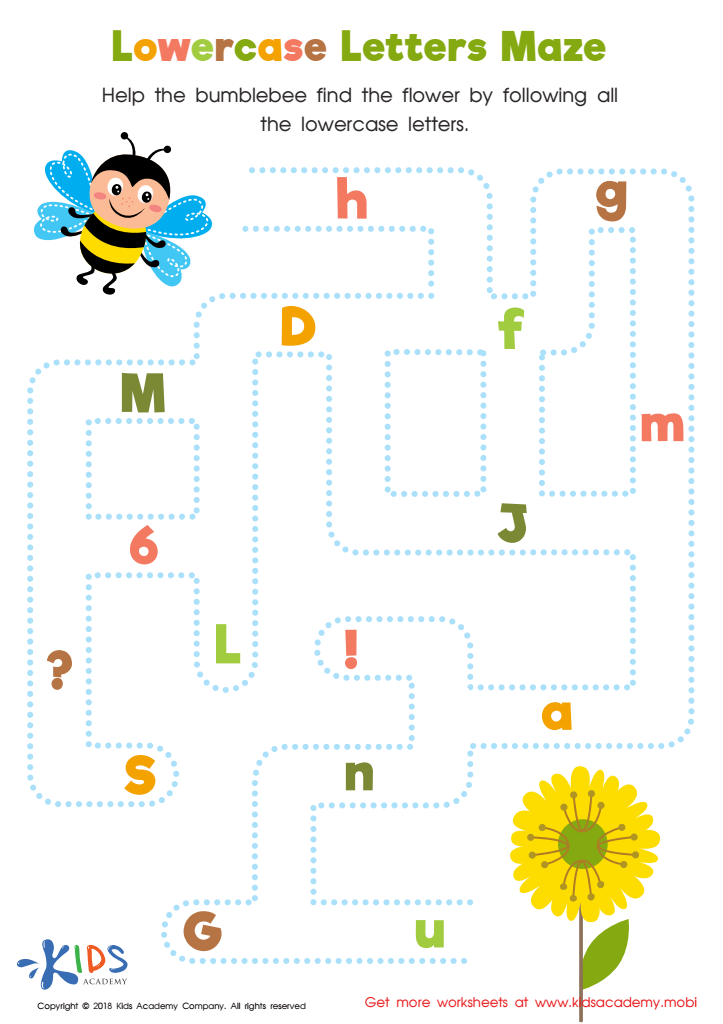
Lowercase Letters Maze Worksheet
 Assign to My Students
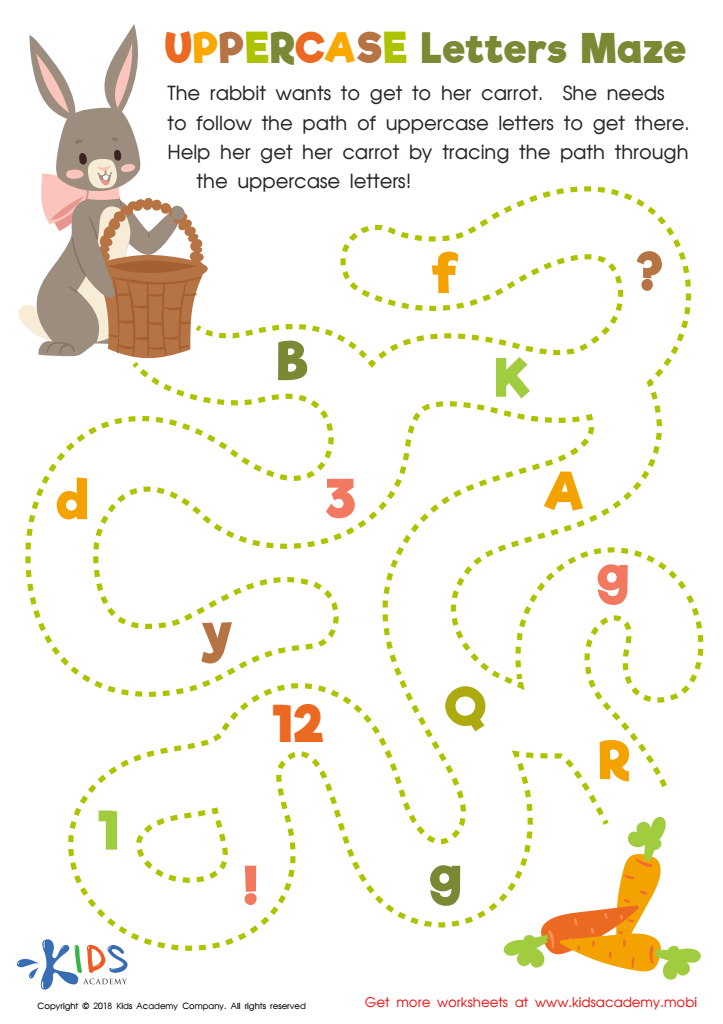
Uppercase Letters Maze Worksheet
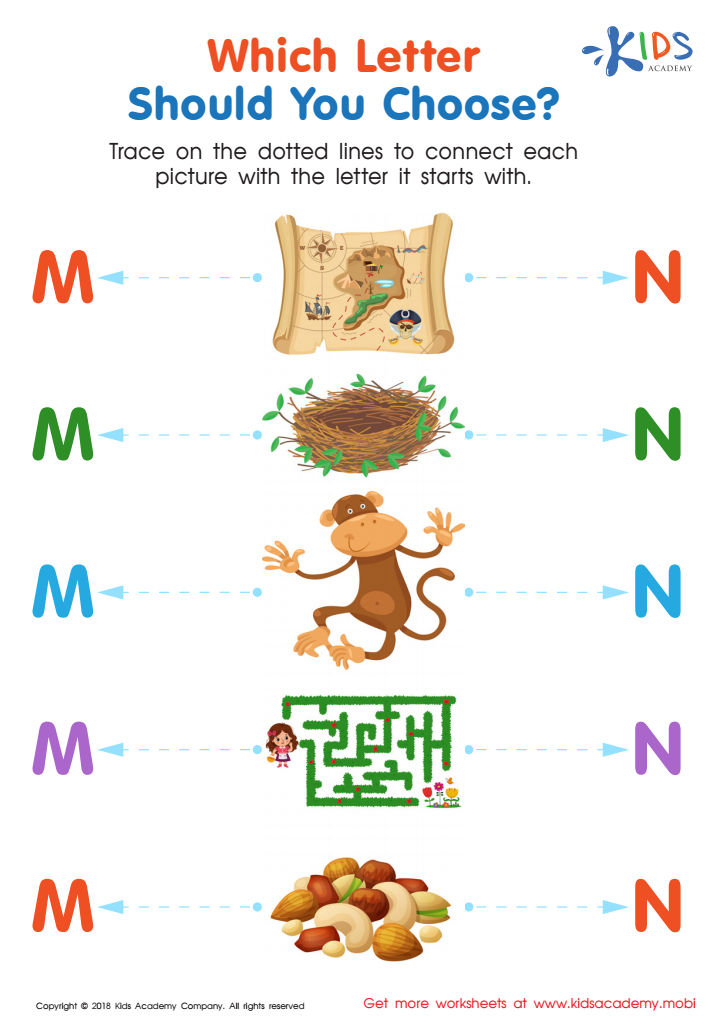
Which Letter Should you Choose? Worksheet
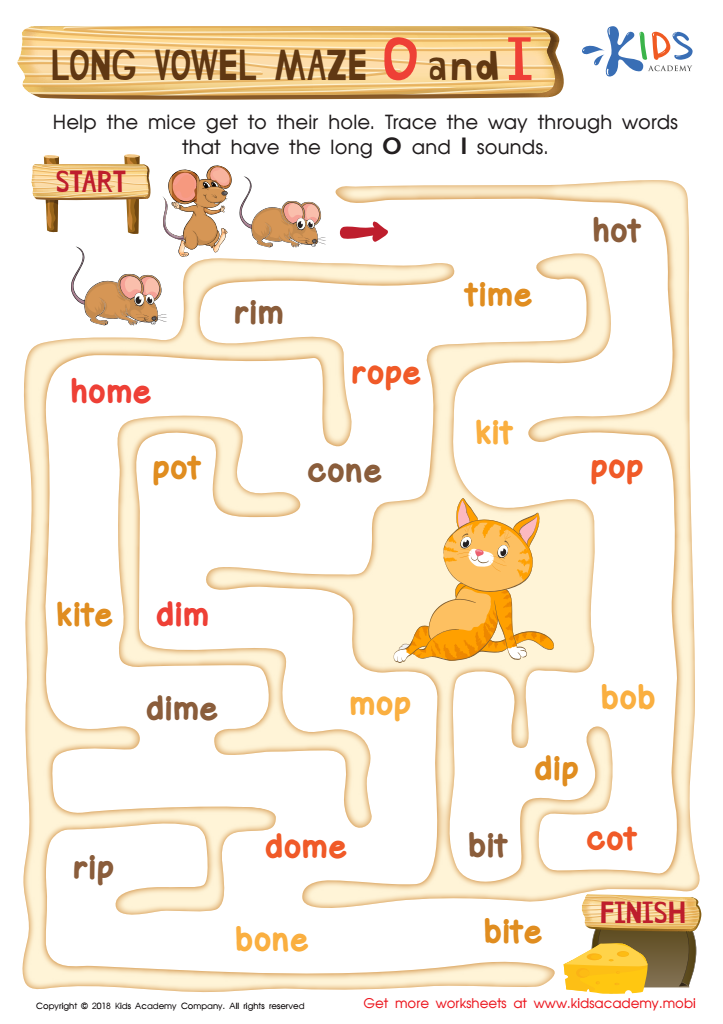
Long Vowel Maze /o/ and /i/ Worksheet
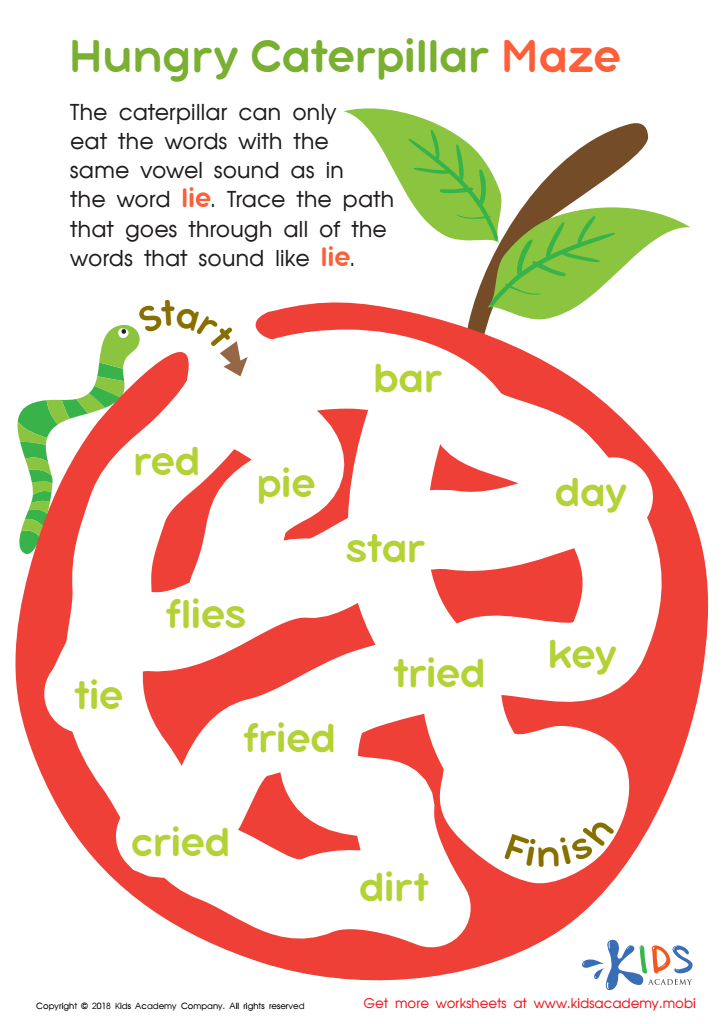
Hungry Caterpillar Maze Worksheet
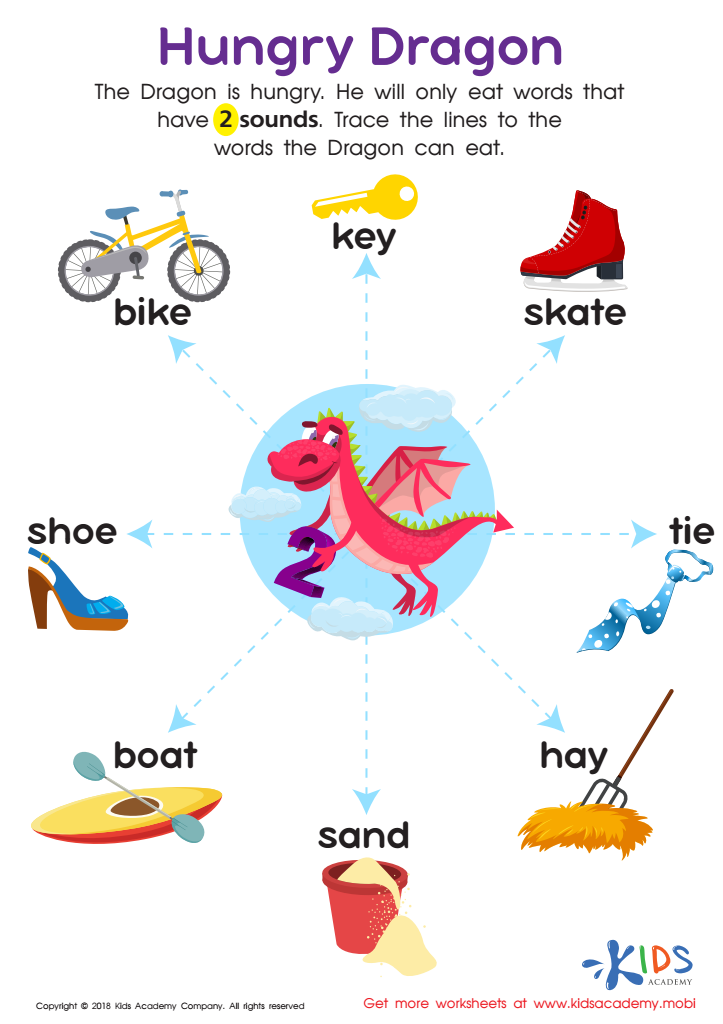
Hungry Dragon Worksheet


.jpg)



Parents and teachers should care about developing problem-solving skills in children aged 4-6 because these skills lay the foundation for lifelong learning and critical thinking. At this age, children are naturally curious and eager to discover how things work. Engaging them in problem-solving activities encourages independence and creativity, where they learn to explore different solutions and develop resilience when faced with challenges.
These skills promote cognitive development; as children navigate problems, they enhance their logical reasoning and decision-making abilities. Problem-solving also aids in emotional growth by teaching children how to manage frustration or disappointment when things don’t go as planned. Additionally, strong problem-solving skills prepare children for collaborative work, helping them learn to communicate and work effectively with peers.
Moreover, laying the groundwork for these skills communicates to children that facing challenges is a part of learning. Activities like puzzles, simple math games, and guided play allow children to experience and understand problem-solving processes actively. Involvement from both parents and teachers ensures a supportive environment, which can significantly enhance a child’s overall development and academic success, enabling them to approach future tasks with confidence and curiosity.







