Reading proficiency Normal Alphabet Worksheets for Ages 4-6
6 filtered results
-
From - To
Boost your child's reading skills with our Reading Proficiency Normal Alphabet Worksheets for Ages 4-6. Designed specifically for preschoolers and kindergarteners, these engaging worksheets focus on enhancing letter recognition, phonemic awareness, and early reading abilities. Our expertly crafted activities make learning fun and interactive, gently guiding young learners through the alphabet with colorful and enjoyable tasks. Perfect for at-home practice or supplemental classroom use, these worksheets build essential foundations for lifelong literacy. Visit our website to download and print these valuable resources, and give your child the reading advantage they deserve!
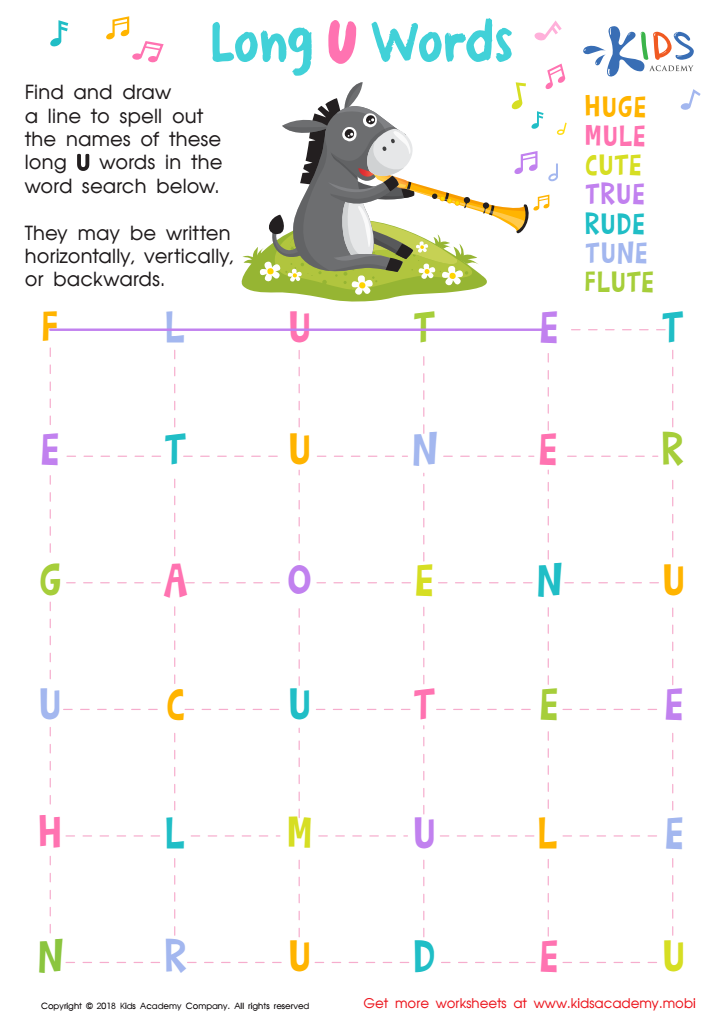
Long /u/ Words Worksheet
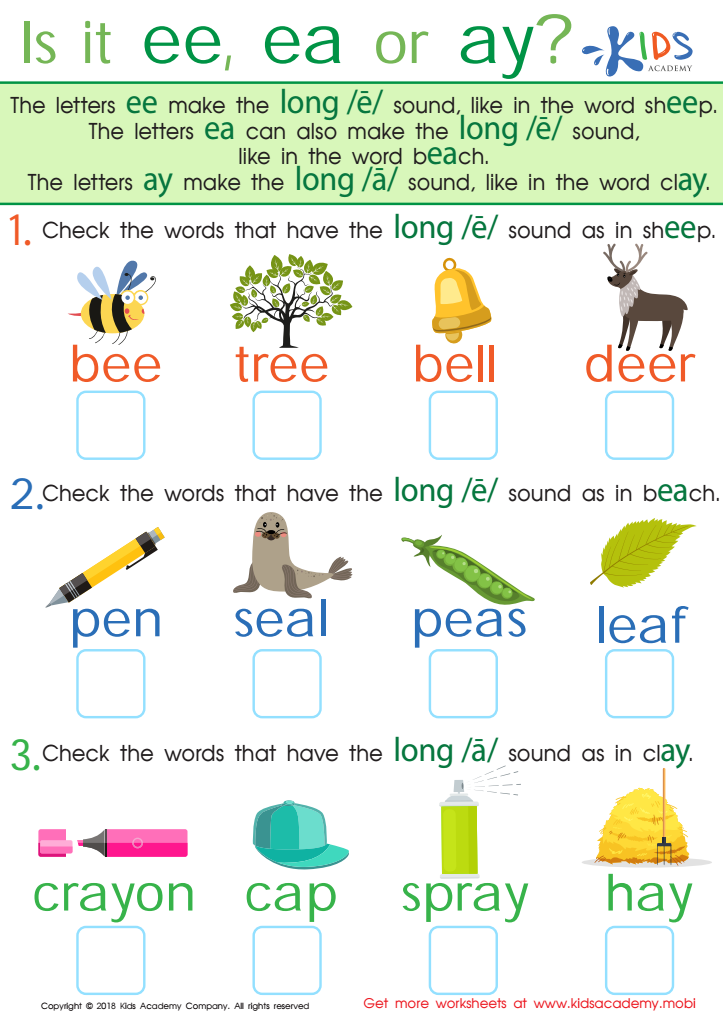
Is It EE, EA, or AY? Worksheet
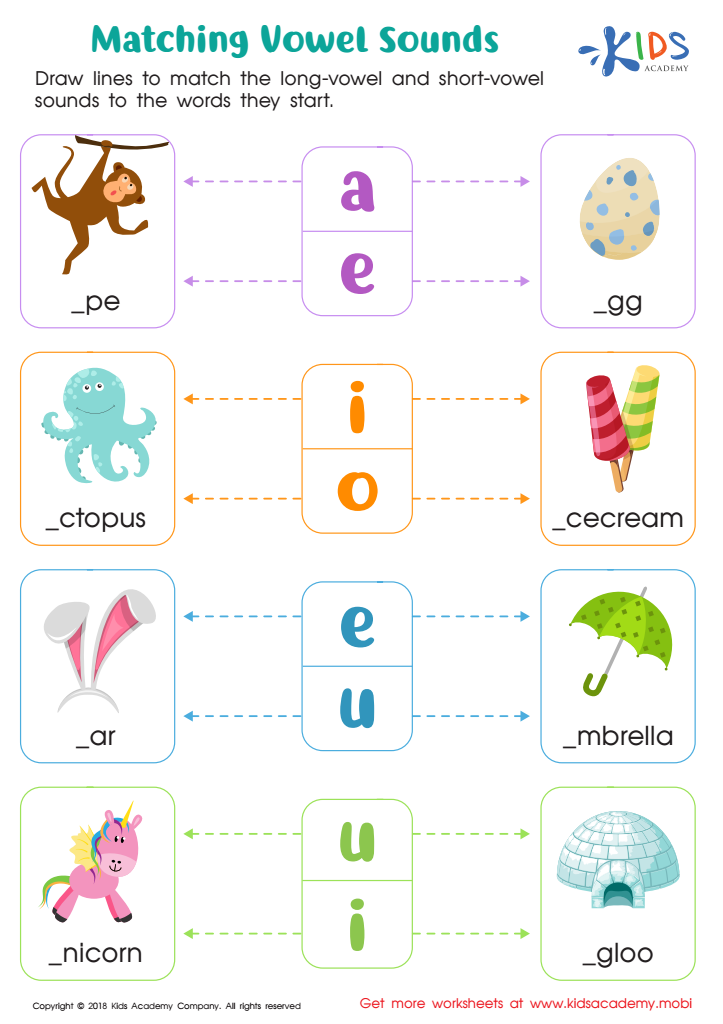
Matching Vowel Sounds Worksheet
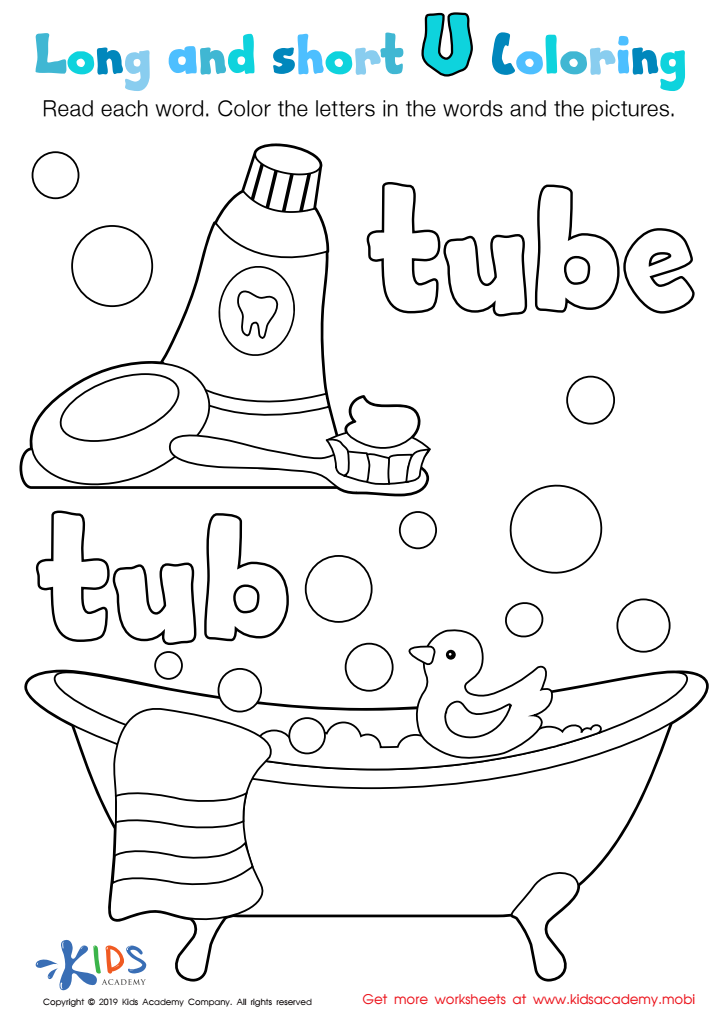
Long and Short U Worksheet
 Assign to My Students
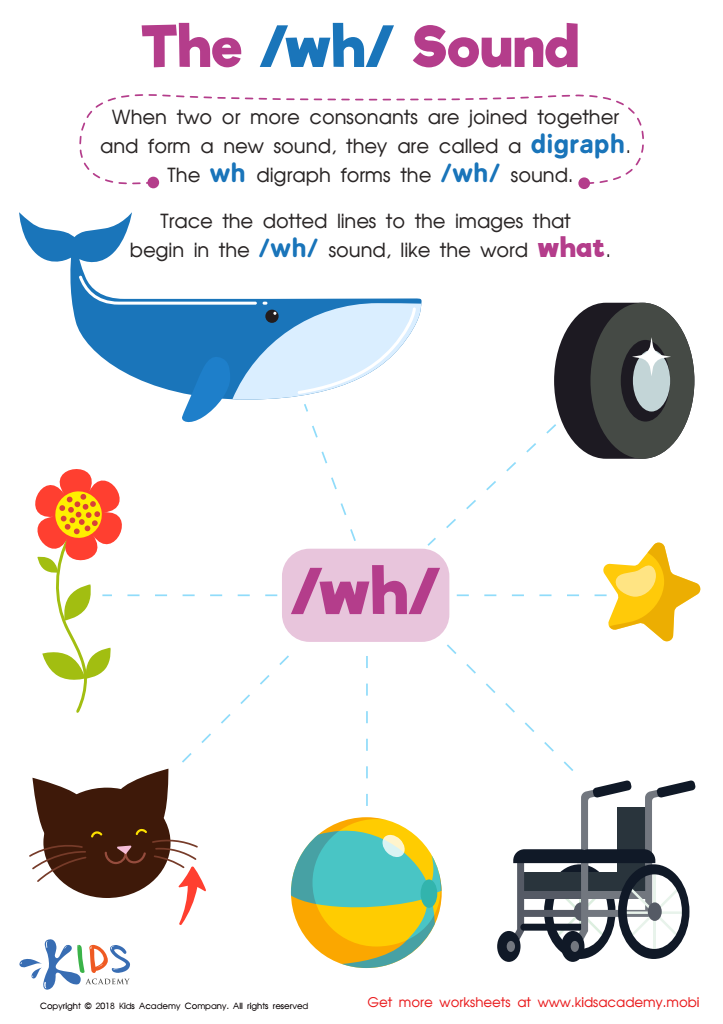
The /wh/ Sound Worksheet
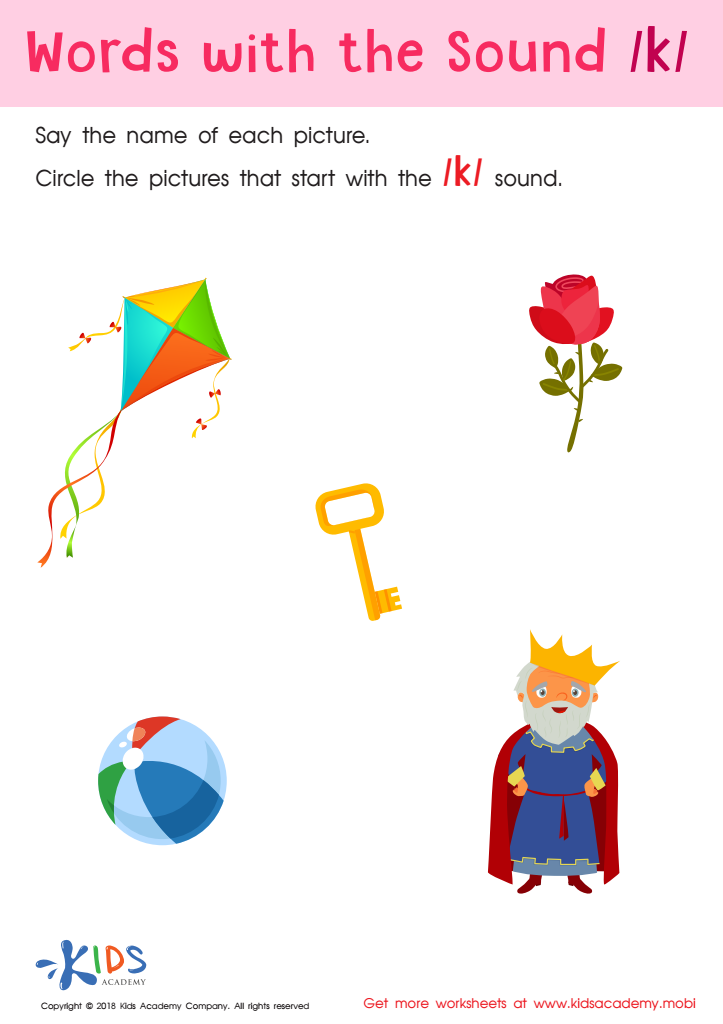
Words with sound k Reading Worksheet








Reading proficiency is a crucial milestone in a child's early development, and for ages 4-6, it forms the foundation for their future academic success. Parents and teachers play a vital role in fostering this skill. At this age, children are in the initial stages of learning how to decode letters, recognize words, and understand simple texts. This period is critical because it is when young brains are most adaptable and capable of grasping language concepts quickly. If proficiency in reading is developed early, children are more likely to excel in other subjects, as most areas of education require good reading skills.
Moreover, early reading ability enhances cognitive development, vocabulary, and comprehension abilities. Children who read proficiently from a young age develop better attention spans, critical thinking skills, and creativity. They are also generally more self-confident and motivated learners.
Equipping children with reading proficiency prevents future educational struggles and helps bridge the gap for those who might be at risk of falling behind. For parents and teachers, investing time in early reading programs, interactive storytelling, and engaging literacy activities can foster a lifelong love for reading and significantly impact a child's overall academic trajectory. Therefore, emphasizing reading proficiency at this early age sets the stage for a child's long-term educational development and success.







