Reading development Normal Phonics Worksheets for Ages 4-6
4 filtered results
-
From - To
Our thoughtfully designed Normal Phonics Worksheets for Ages 4-6 are crafted to fuel young minds with essential reading development skills. These engaging exercises focus on building a strong phonics foundation, promoting letter recognition, sound matching, and basic word formation. Ideal for preschoolers and kindergartners, our worksheets combine fun activities with solid educational content to make learning enjoyable and effective. Give your child the advantage of early literacy development with our expertly curated resources, aiding in the seamless transition from letter sounds to confident reading. Explore our collection to unlock your child's reading potential today!
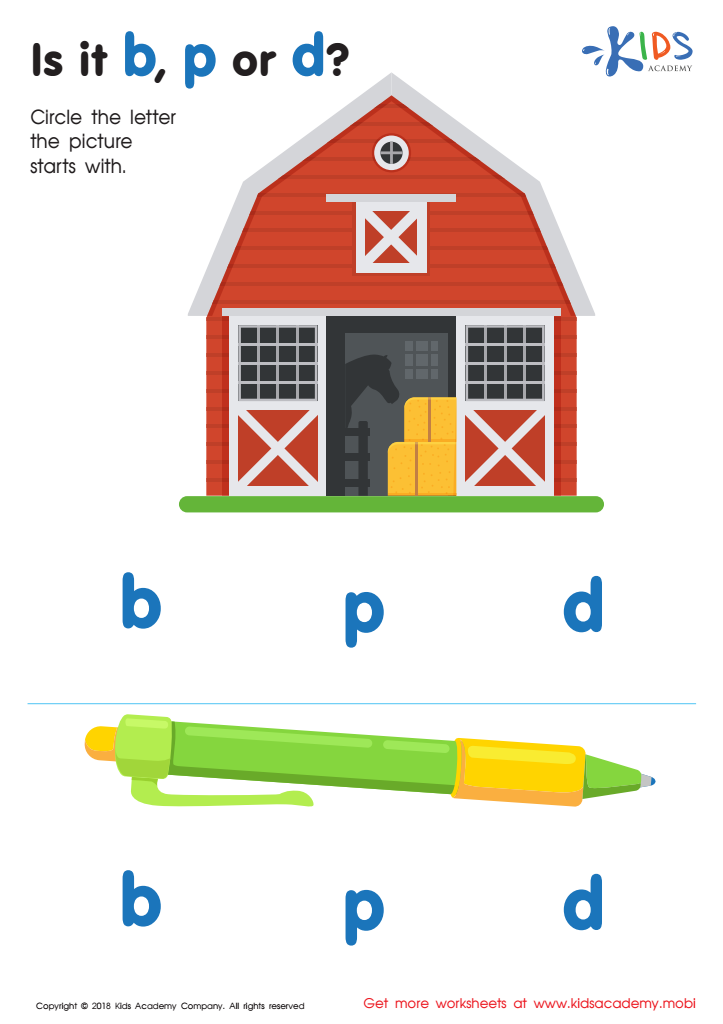
Is it b, p or d? Worksheet
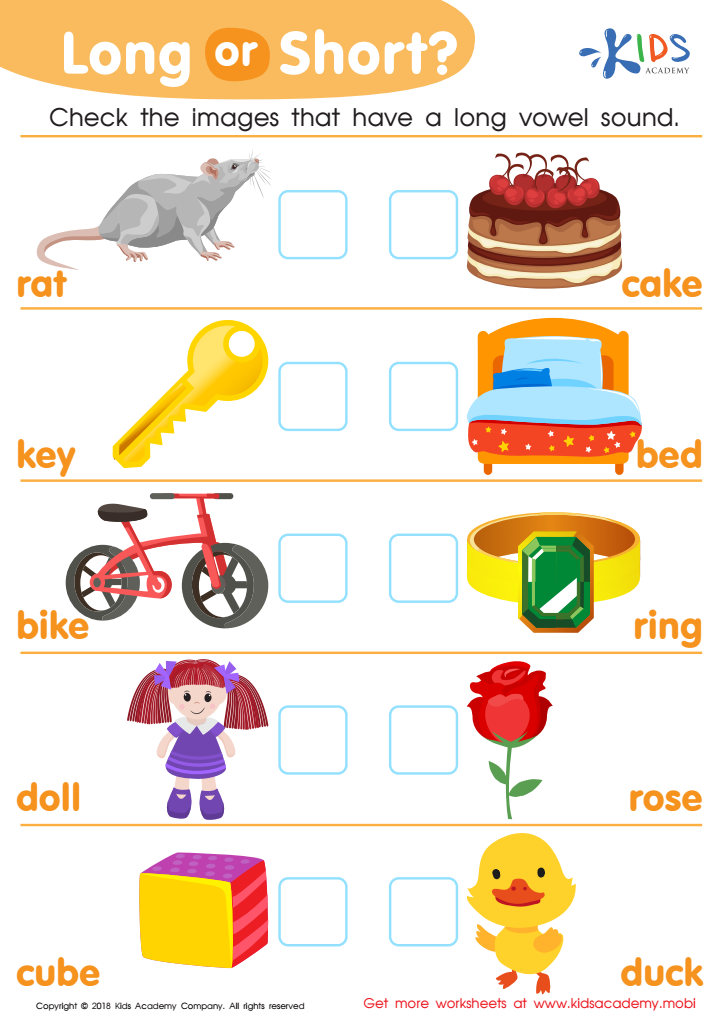
Long or Short Reading Worksheet
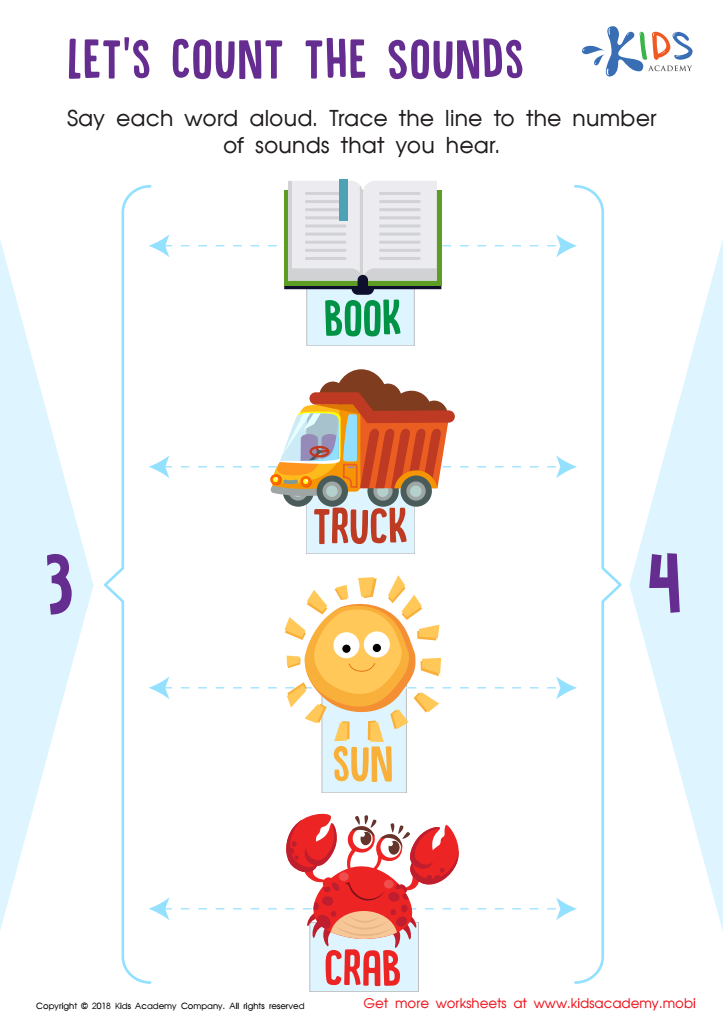
Let's Count the Sounds Worksheet
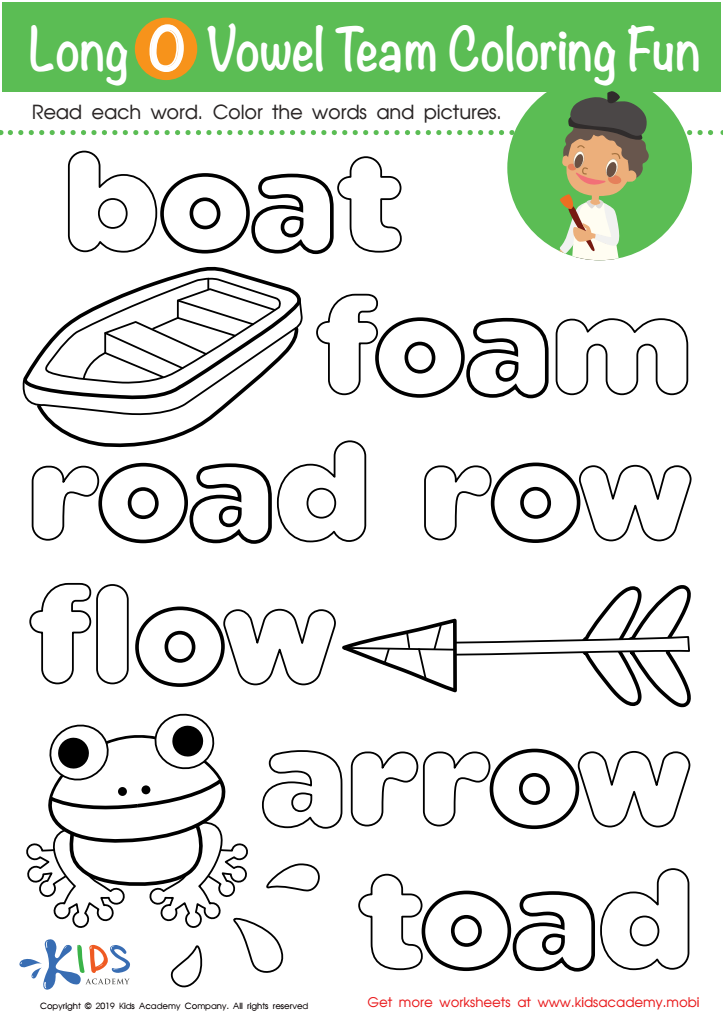
Long O Vowel Team Coloring Worksheet
 Assign to My Students








Reading development and phonics are critical for children aged 4-6, when they are typically in preschool and kindergarten. In these formative years, children’s brains are exceptionally adaptable and primed for acquiring new skills, making this a key period for laying the foundation for literacy. Parents and teachers should prioritize reading development and normal phonics for several reasons.
Firstly, phonics, the method of teaching reading by correlating sounds with letters or groups of letters, is essential for decoding words. This skill allows children to read more fluently over time, enhancing their comprehension abilities and overall enjoyment of reading. When children become proficient in phonics, they are better equipped to tackle new and unfamiliar words, promoting a level of independence in reading that builds their confidence.
Secondly, developing reading skills early impacts not just academic success but also cognitive growth. Early readers tend to perform better in various cognitive domains such as memory, attention, and problem-solving. This is because reading stimulates and engages young minds, strengthening neural pathways and fostering intellectual development.
Lastly, fostering a love for reading at a young age can have lifelong positive impacts. Children who develop an enthusiasm for reading are more likely to become lifelong learners. This early engagement with words and stories encourages curiosity, imagination, and empathy, attributes highly beneficial throughout their educational journey and beyond.
Thus, investing time and effort in reading development and phonics for young children paves the way for comprehensive educational and personal growth.







