Addition Practice Normal Worksheets for Ages 4-6 - Page 2
29 filtered results
-
From - To
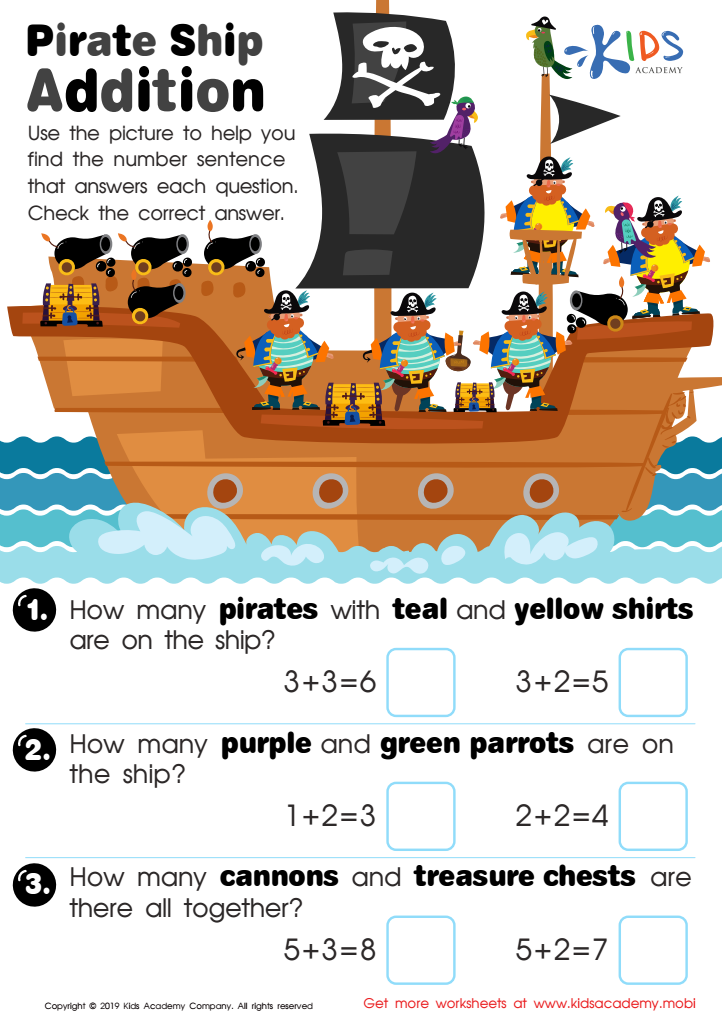
Pirate Ship Addition Worksheet
 Assign to My Students
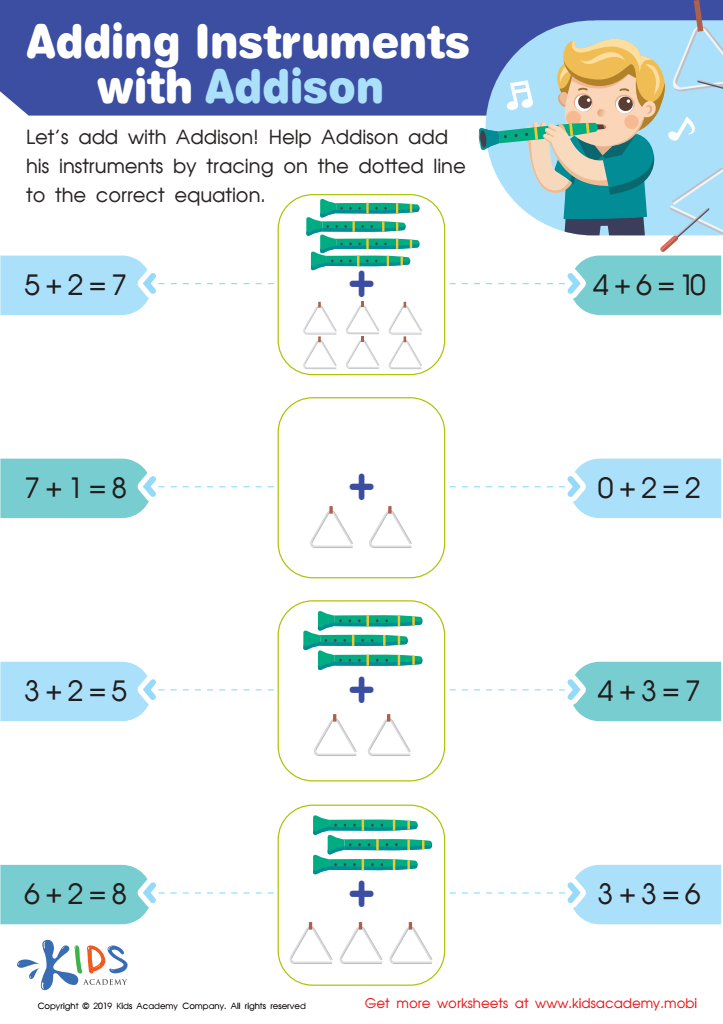
Adding Instruments with Addison Worksheet
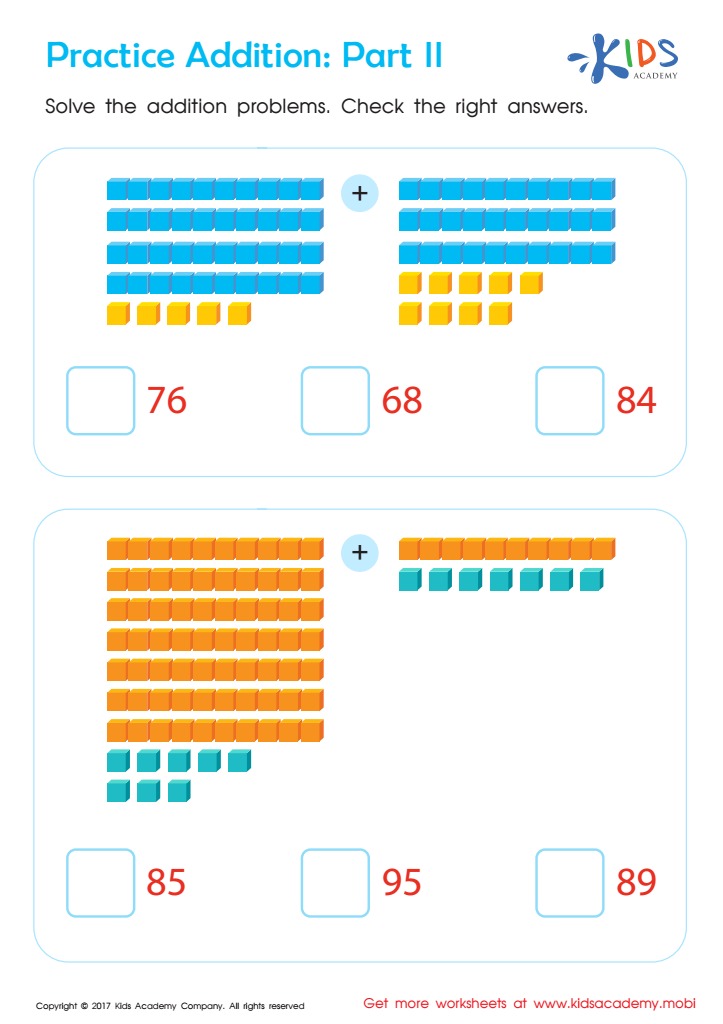
Practice Addition: Part 2 Worksheet
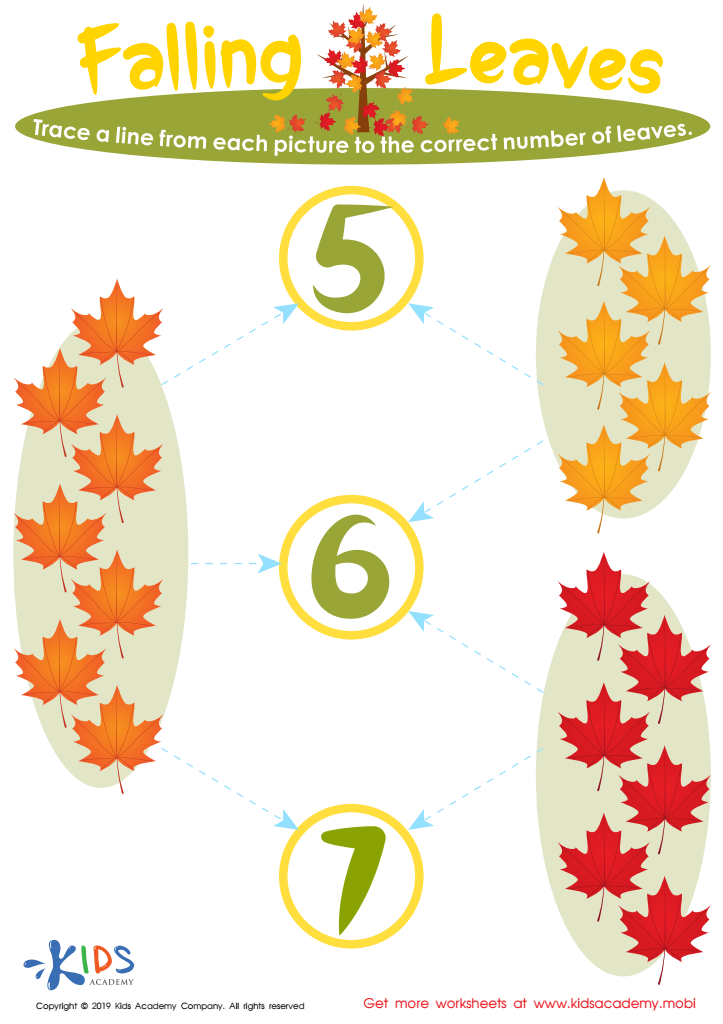
Falling Leaves Worksheet
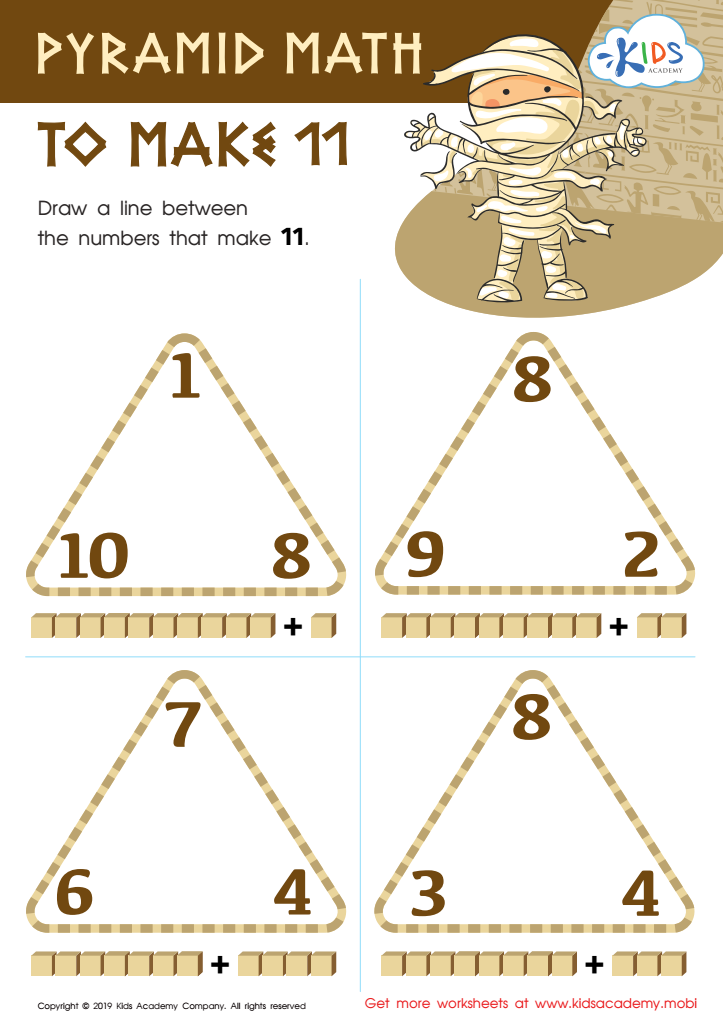
Pyramid Math to Make 11 Worksheet








Addition practice for children aged 4-6 is crucial for their cognitive development and foundational math skills. During this formative stage, children are learning to recognize numbers, understand quantity, and develop problem-solving abilities. Engaging in addition practice helps children grasp the concept of combining quantities, which is a fundamental building block for more complex mathematics later on.
Parents and teachers play a vital role in fostering a positive learning environment. Early experiences with math can shape a child’s attitude towards the subject; fun, engaging addition activities can spark a lifelong interest in math. Consistent practice not only enhances their math fluency but also builds confidence.
Addition exercises can be seamlessly integrated into everyday activities, making learning relatable and enjoyable. For instance, counting objects, sharing snacks, or playing simple math games can reinforce these skills. Additionally, developing early addition skills can positively impact children's overall academic performance, enhancing critical thinking and reasoning skills.
In summary, prioritizing addition practice for young children is essential for their numeric literacy, cognitive development, and confidence in math. By providing support and resources, parents and teachers can set children on a path towards academic success and a positive relationship with mathematics.








