Critical Thinking Normal Worksheets for Ages 4-6 - Page 3
57 filtered results
-
From - To
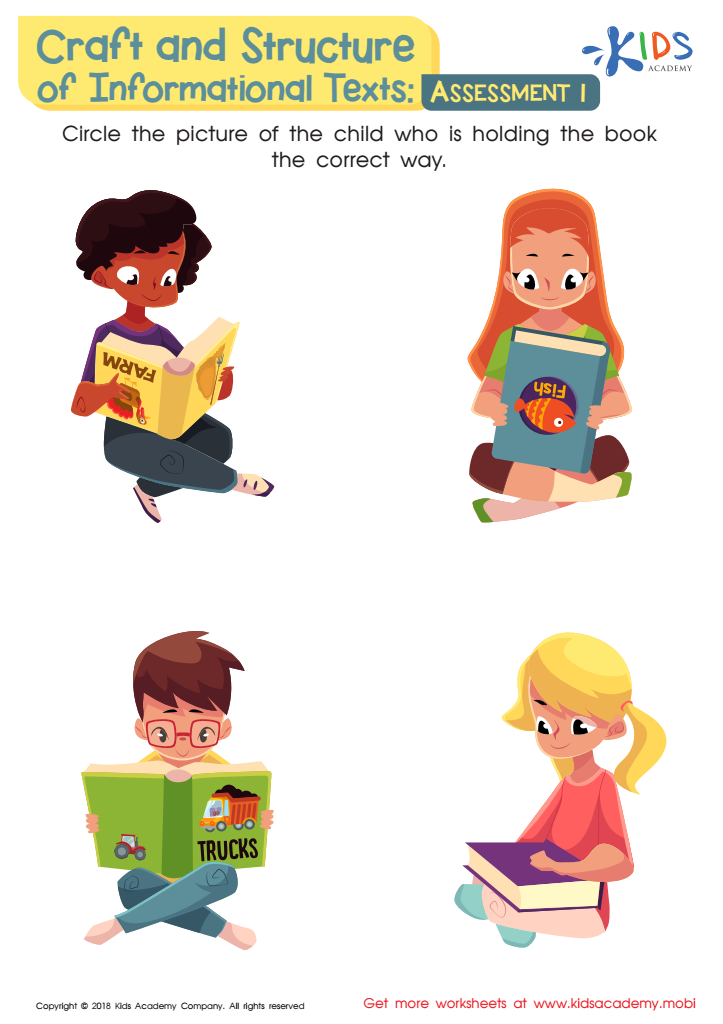
Craft and Structure of Informational Texts: Assessment 1 Worksheet
 Assign to My Students
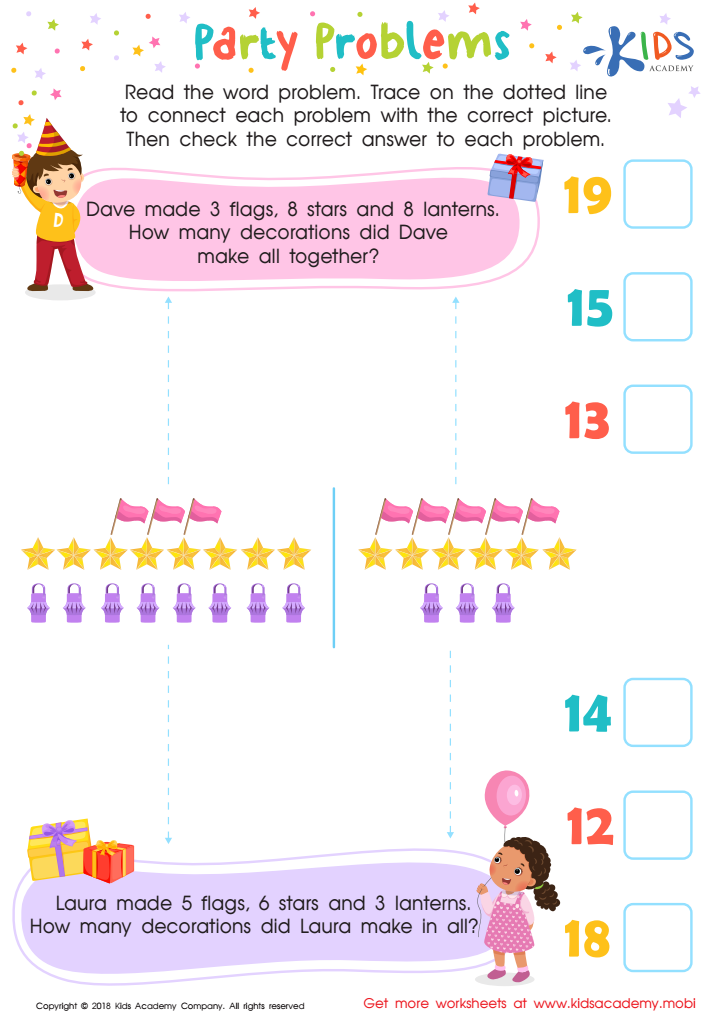
Party Problems Worksheet
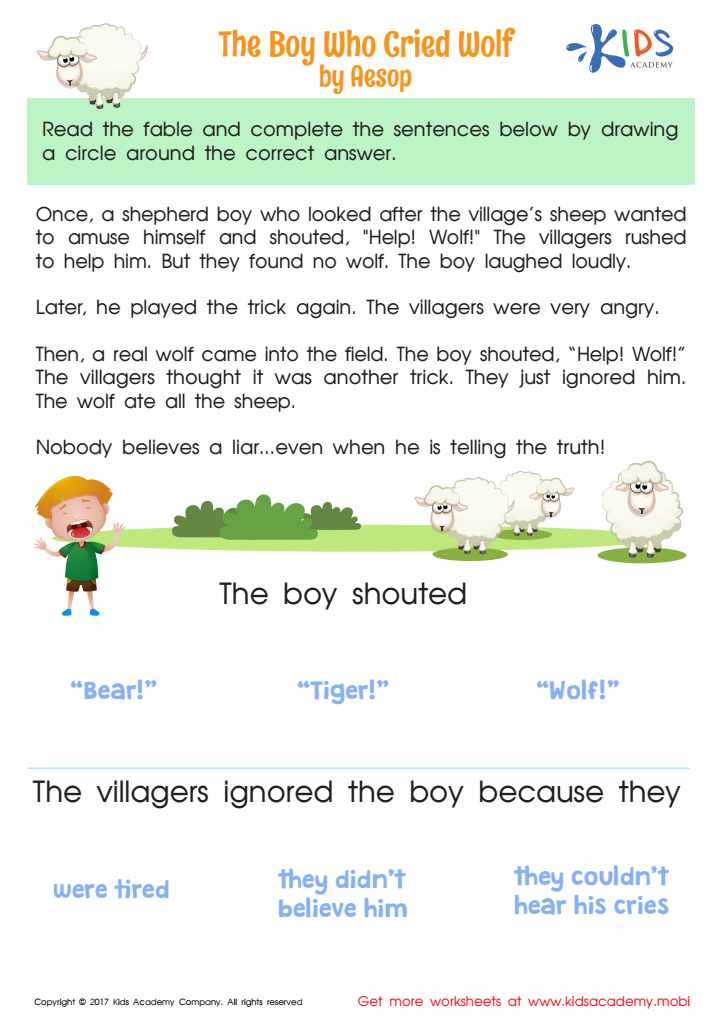
The Boy Who Cried Wolf Worksheet
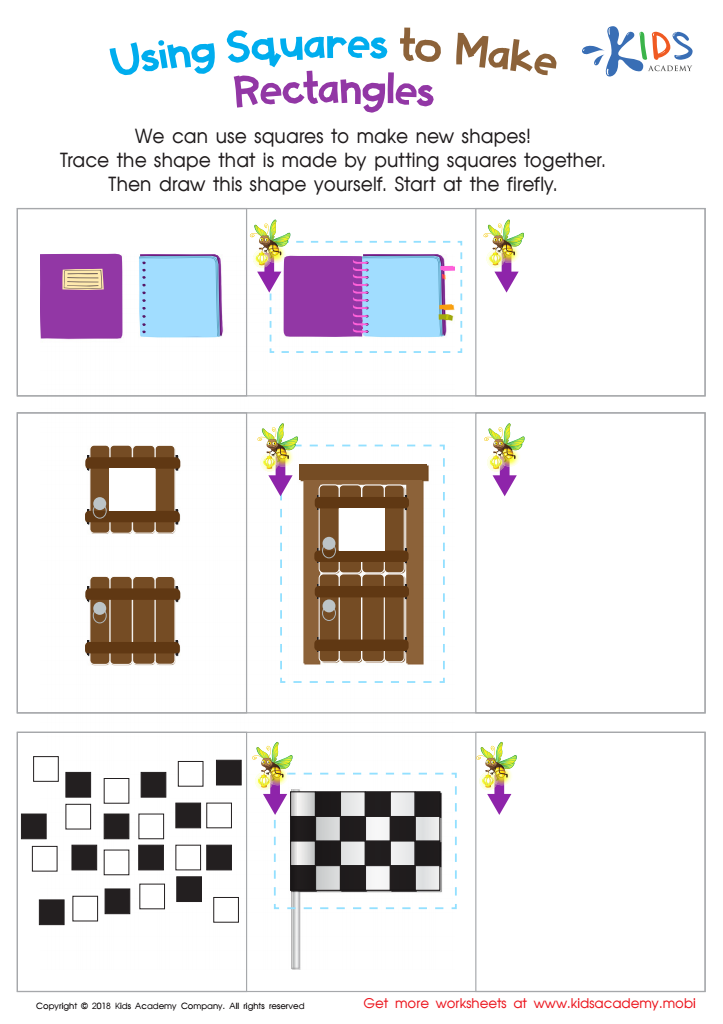
Using Squares to Make Rectangles Worksheet
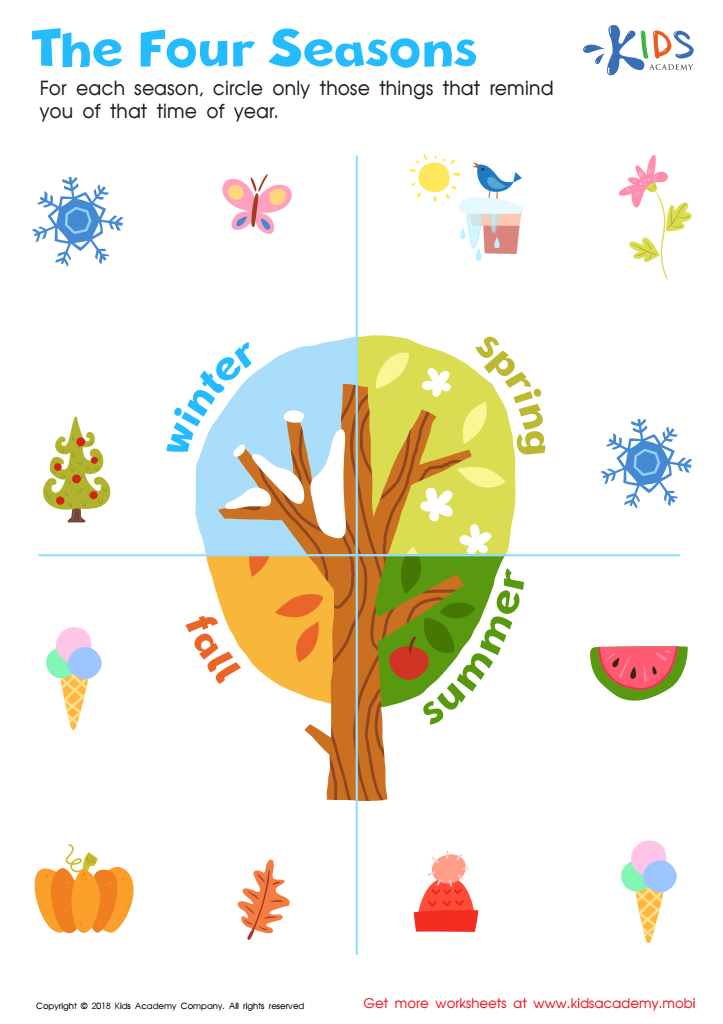
The Four Seasons Worksheet
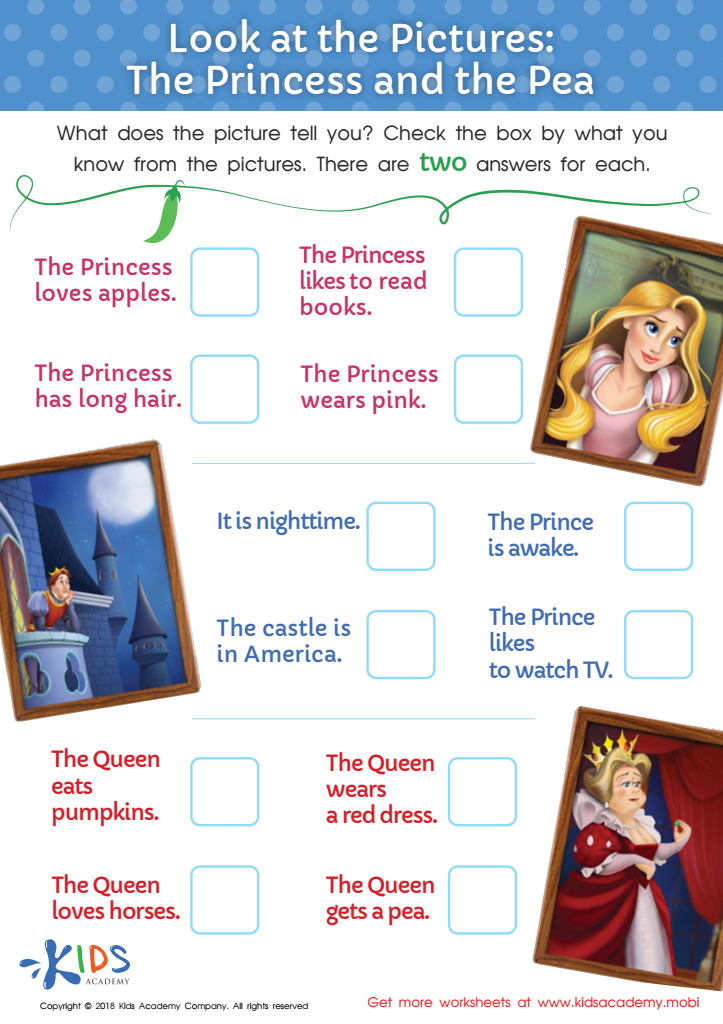
Look at the Pictures: The Princess and the Pea Worksheet
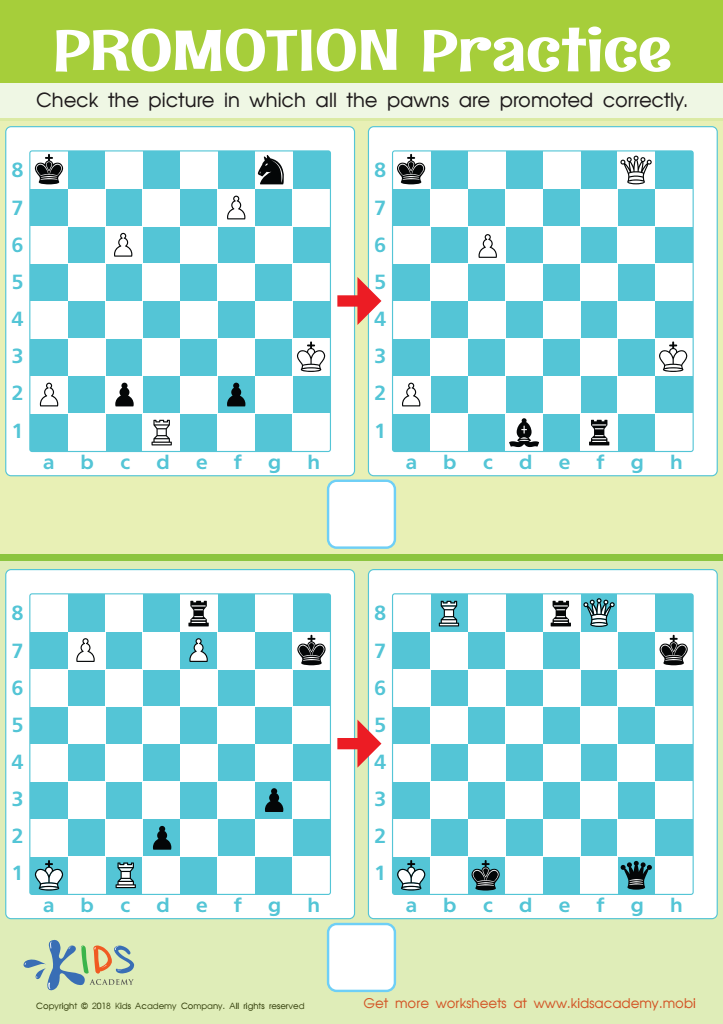
Promotion Practice Worksheet
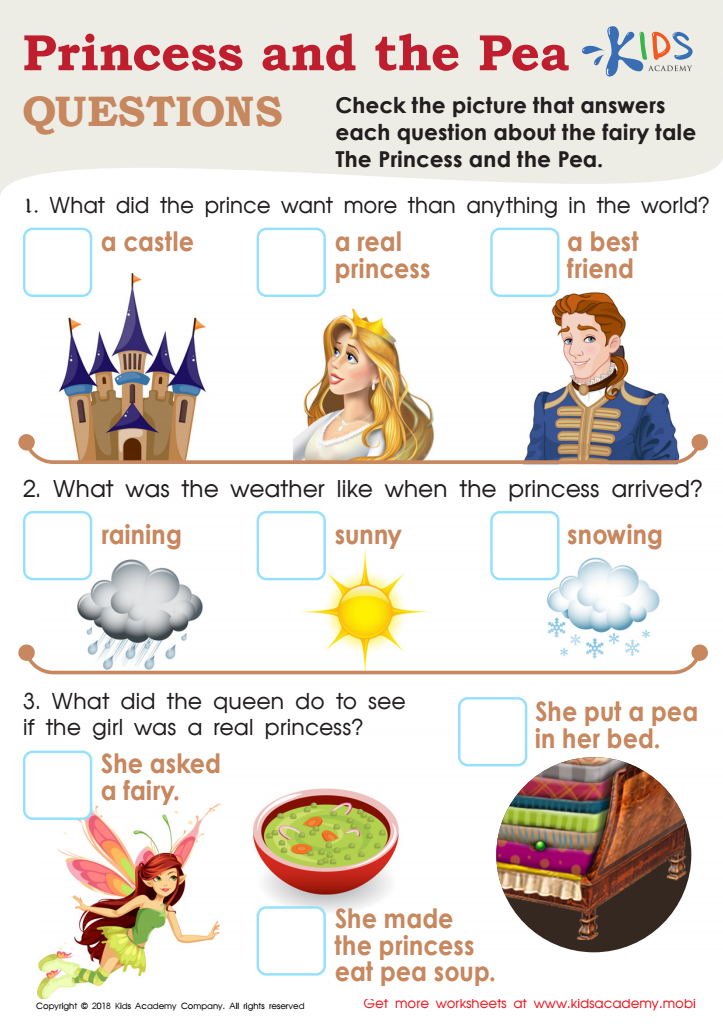
Princess and the Pea Questions Worksheet
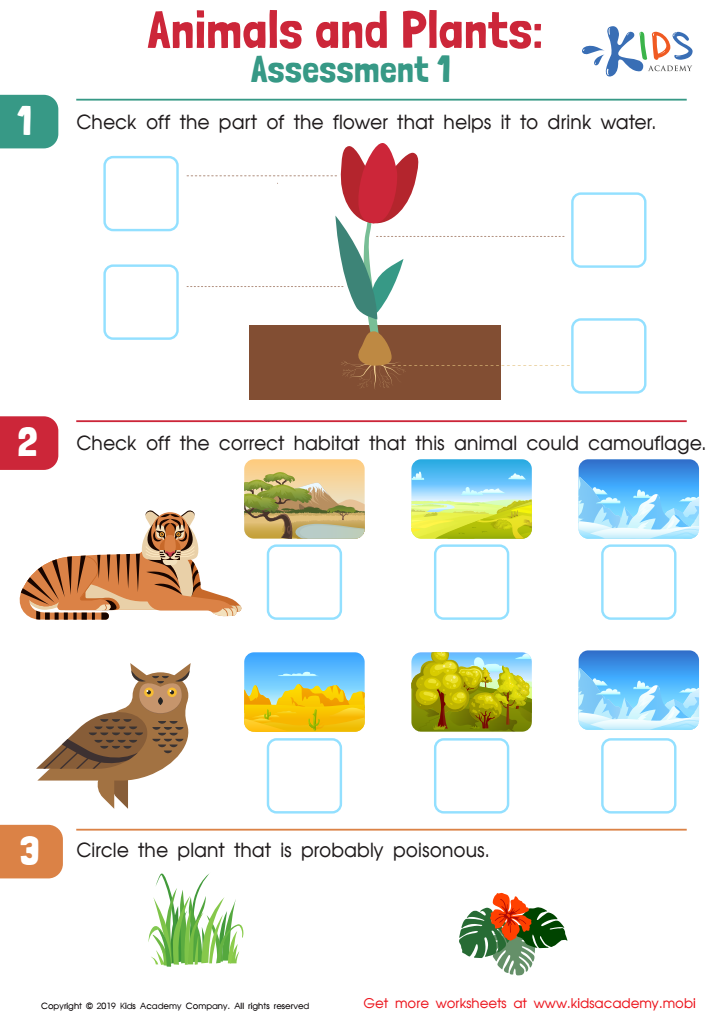
Animals and Plants: Assessment 1 Worksheet








Critical thinking is a vital skill for children aged 4-6, laying the foundation for lifelong learning and adaptive problem-solving. Parents and teachers should prioritize fostering this skill during these formative years for several reasons.
Firstly, children in this age group are naturally curious and eager to explore the world around them. Encouraging critical thinking nurtures this curiosity and fosters independence, enabling them to ask questions, seek answers, and develop a deeper understanding of various concepts.
Secondly, critical thinking enhances decision-making abilities. As young learners engage in activities that require them to analyze, evaluate, and synthesize information, they become more adept at weighing options and considering consequences. This skill significantly improves their ability to navigate challenges and make informed choices.
Furthermore, critical thinking skills promote social-emotional development. Engaging in discussions, expressing opinions, and considering different viewpoints foster communication and empathy, crucial for building positive relationships.
Lastly, equipping children with critical thinking skills helps them adapt to future educational demands. As society increasingly values high-order thinking in education and the workplace, nurturing these abilities early on prepares children for academic success and personal fulfillment.
By emphasizing critical thinking during these early years, parents and educators can help shape thoughtful, confident, and capable individuals.








