Phonics development Normal Worksheets for Ages 4-6
3 filtered results
-
From - To
Discover our comprehensive collection of Phonics Development Normal Worksheets tailored for children ages 4-6. Designed to foster essential literacy skills, these engaging worksheets help young learners master the building blocks of reading and writing. Through fun activities that cover sounds, letter recognition, and blends, children will enhance their phonemic awareness and boost their confidence in language skills. Ideal for home practice or classroom use, our worksheets provide a structured yet flexible approach to learning. Support your child's phonics journey today with resources that combine education and enjoyment, ensuring a strong foundation for future reading success!
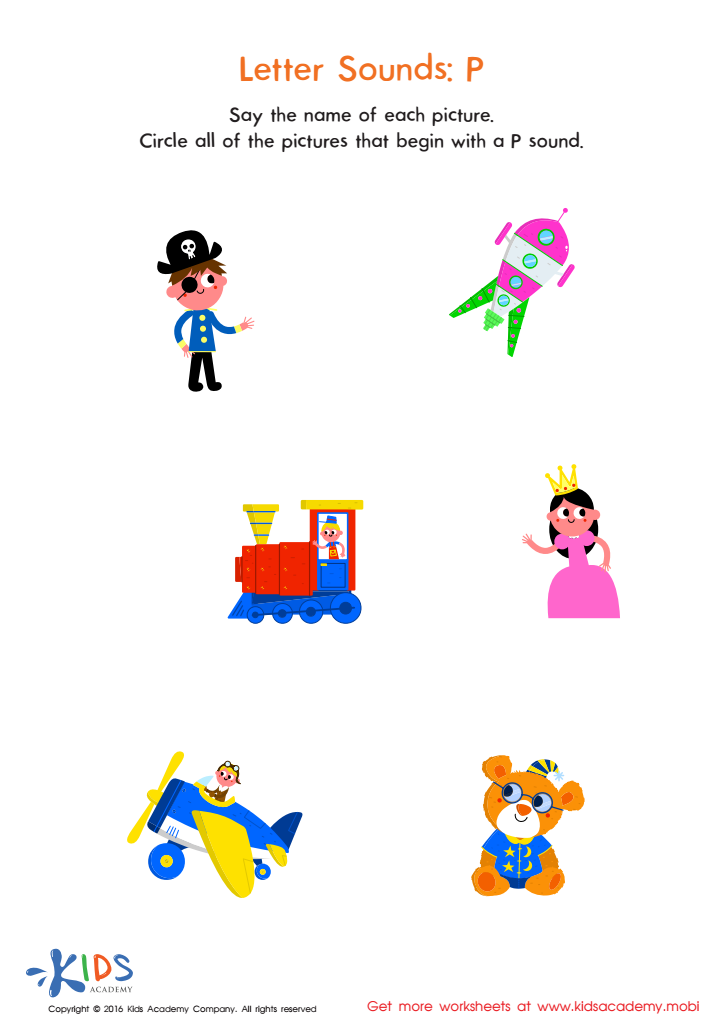
Letter P Sound Worksheet
 Assign to My Students
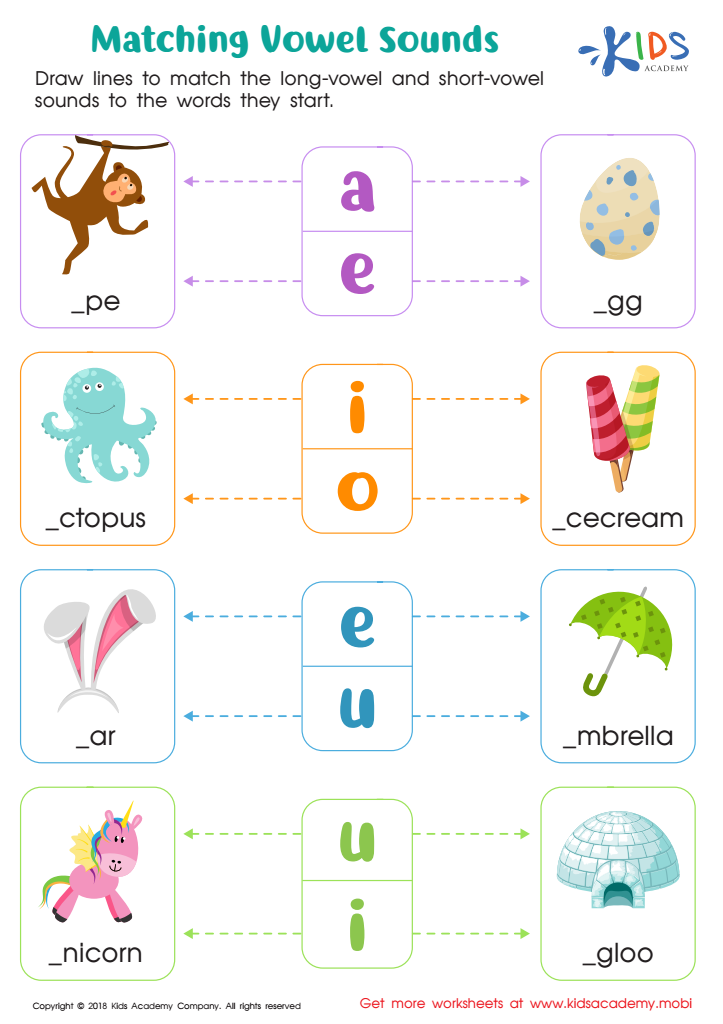
Matching Vowel Sounds Worksheet
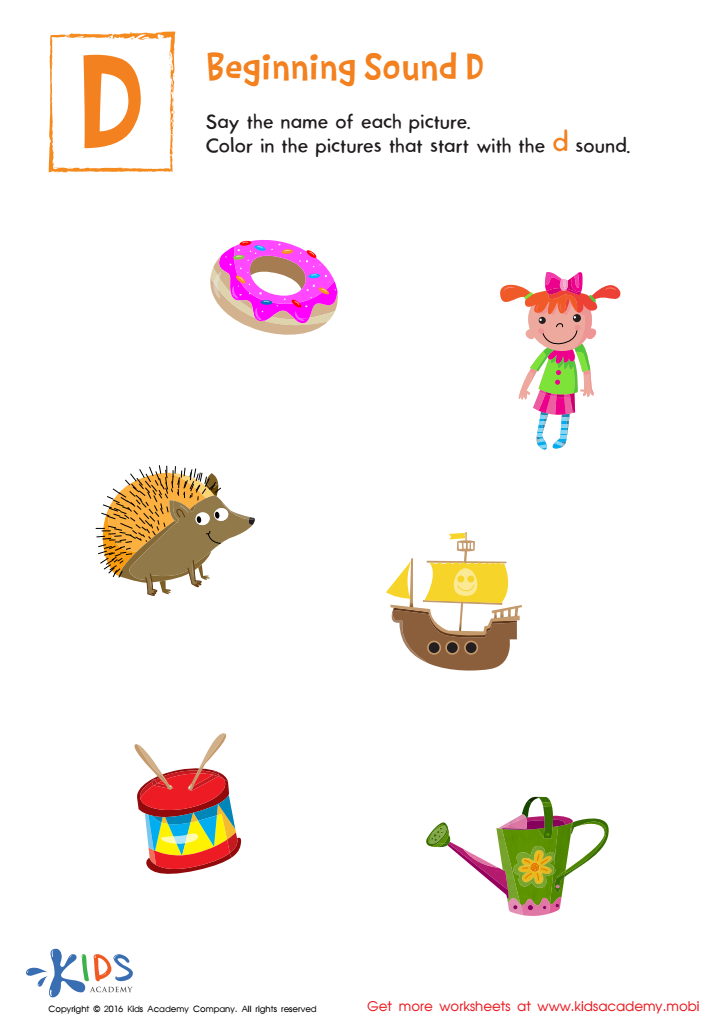
Beginning Sound D Worksheet




.jpg)
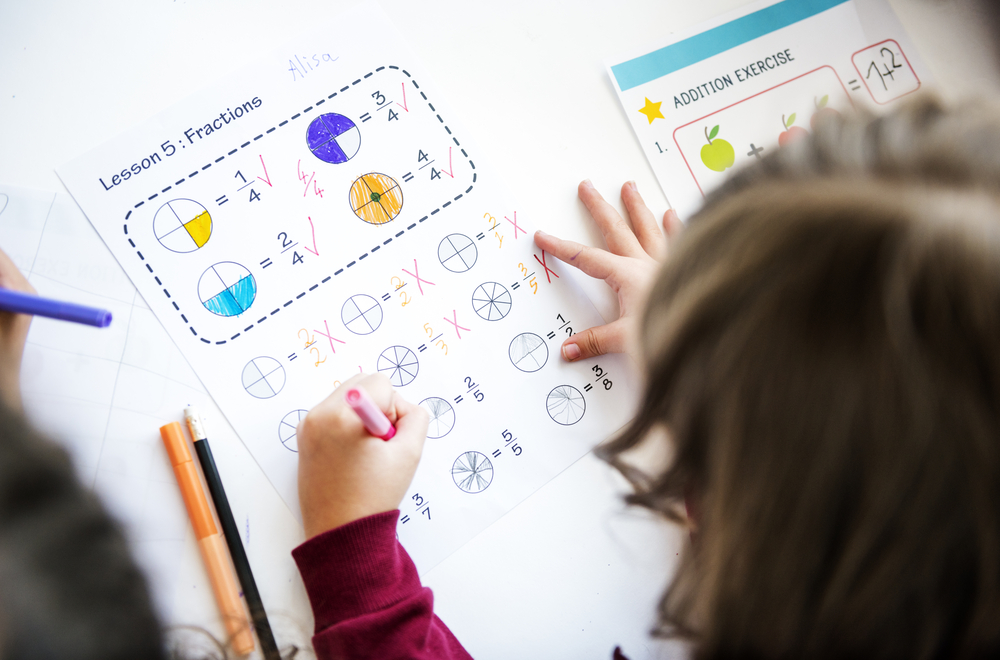
Phonics development is crucial for children aged 4-6 as it lays the foundation for their reading and writing skills. At this stage, children begin to understand the relationship between letters and sounds, which is essential for decoding words. Mastering phonics helps young learners establish key literacy skills, allowing them to confidently tackle beginning reading materials.
Understanding phonics enables children to blend sounds to form words, promoting their ability to read fluently and comprehend what they read. This skill fosters a love for reading, as children gain independence in exploring stories and information on their own. Moreover, phonics supports their writing by helping them spell words accurately, which contributes to effective communication.
Parents and teachers should care about phonics development because children proficient in these skills tend to perform better academically throughout their schooling years. Early investment in phonics leads to enhanced reading comprehension, stronger vocabulary, and increased confidence in their abilities. By fostering phonics development, adults can ensure that children build a solid literacy foundation that encourages lifelong learning, critical thinking, and a joyful discovery of the world through books.








