Visual recognition Normal Worksheets for Ages 4-6
7 filtered results
-
From - To
Explore our engaging Visual Recognition Normal Worksheets designed specifically for children aged 4-6. These worksheets encourage young learners to develop essential visual discrimination skills through fun and interactive activities. Kids can practice identifying shapes, colors, and patterns while enhancing their cognitive abilities and hand-eye coordination. Our printable resources are perfect for at-home learning or classroom activities, providing a solid foundation for future educational success. With colorful illustrations and age-appropriate challenges, these worksheets make learning enjoyable and effective. Dive into the world of visual recognition and watch your little ones flourish as they build confidence and critical thinking skills!
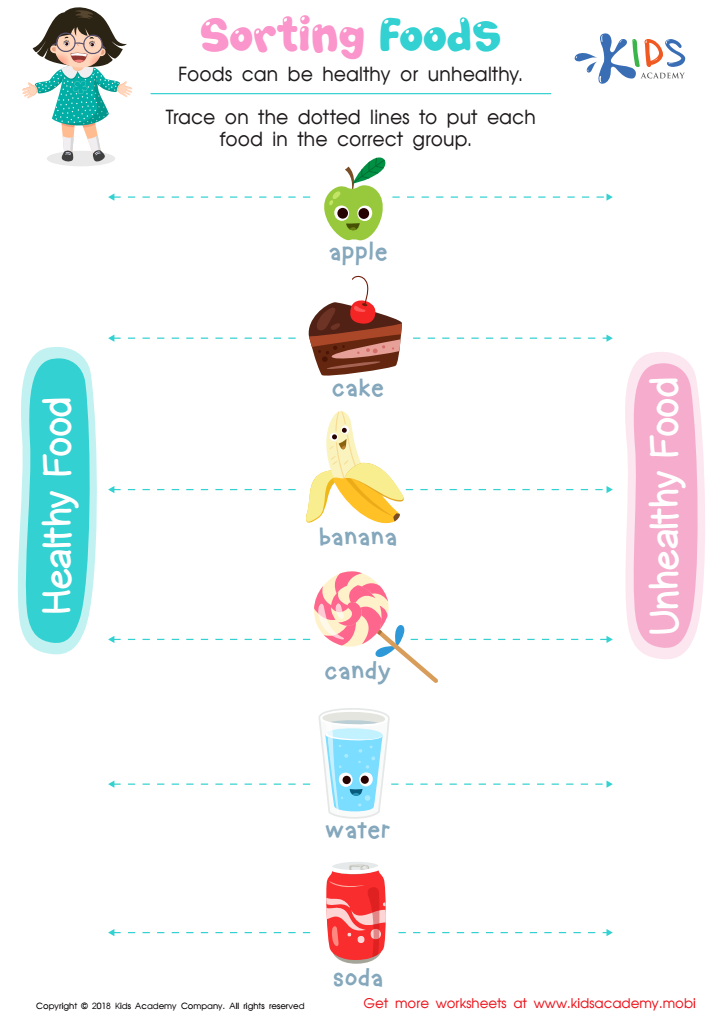
Sorting Food Worksheet
 Assign to My Students
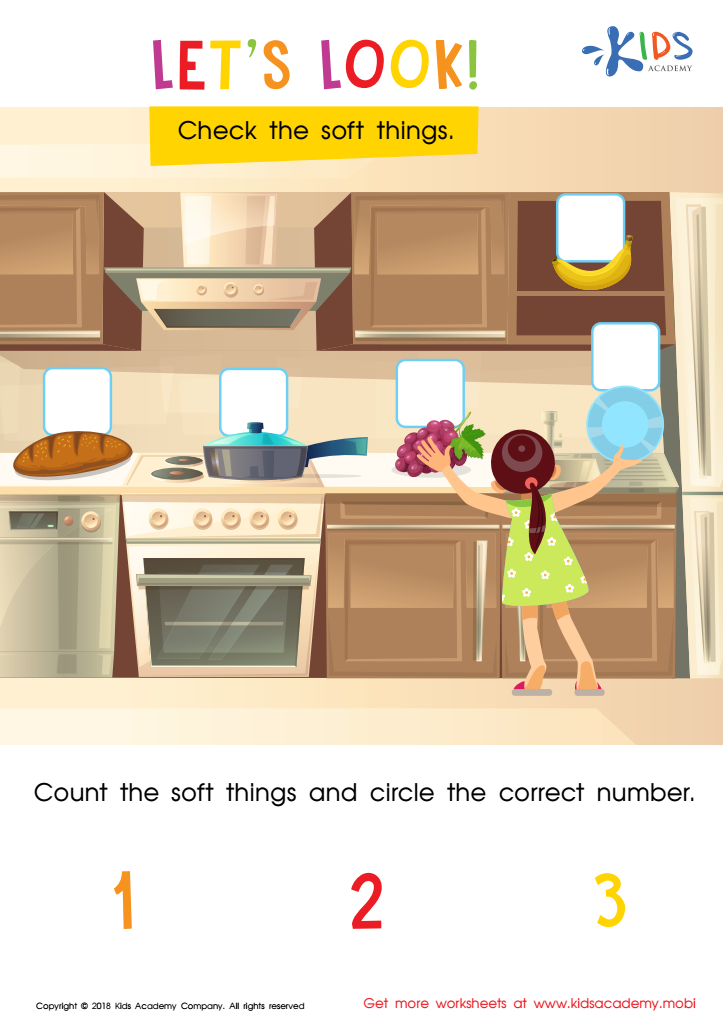
Let's Look! Assessment Worksheet
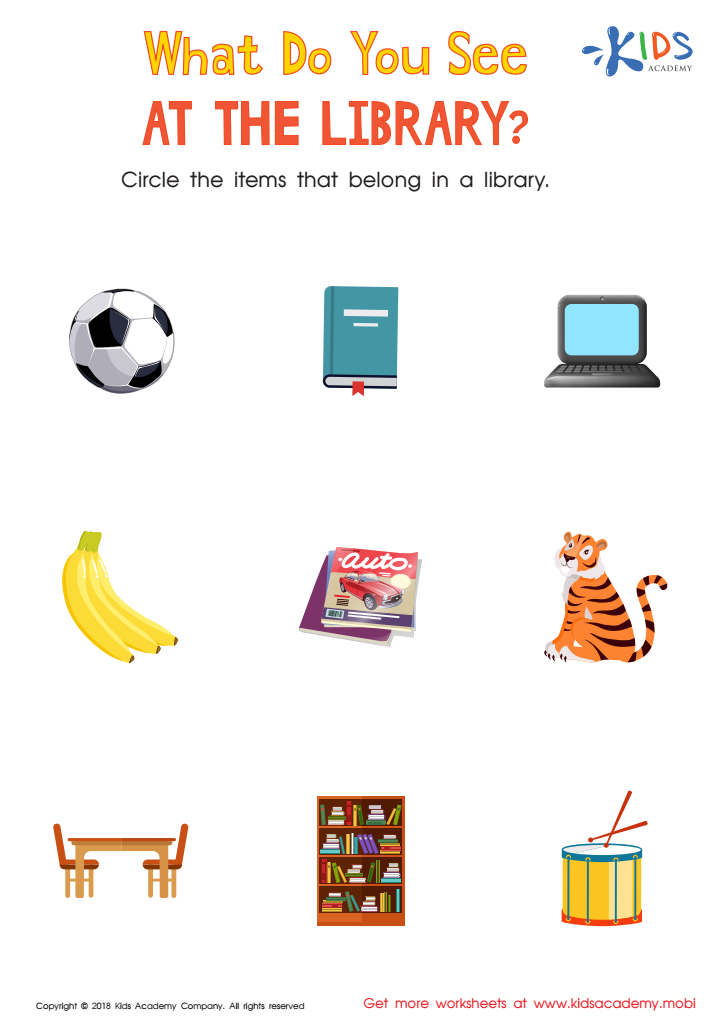
What Do you See at the Library? Worksheet
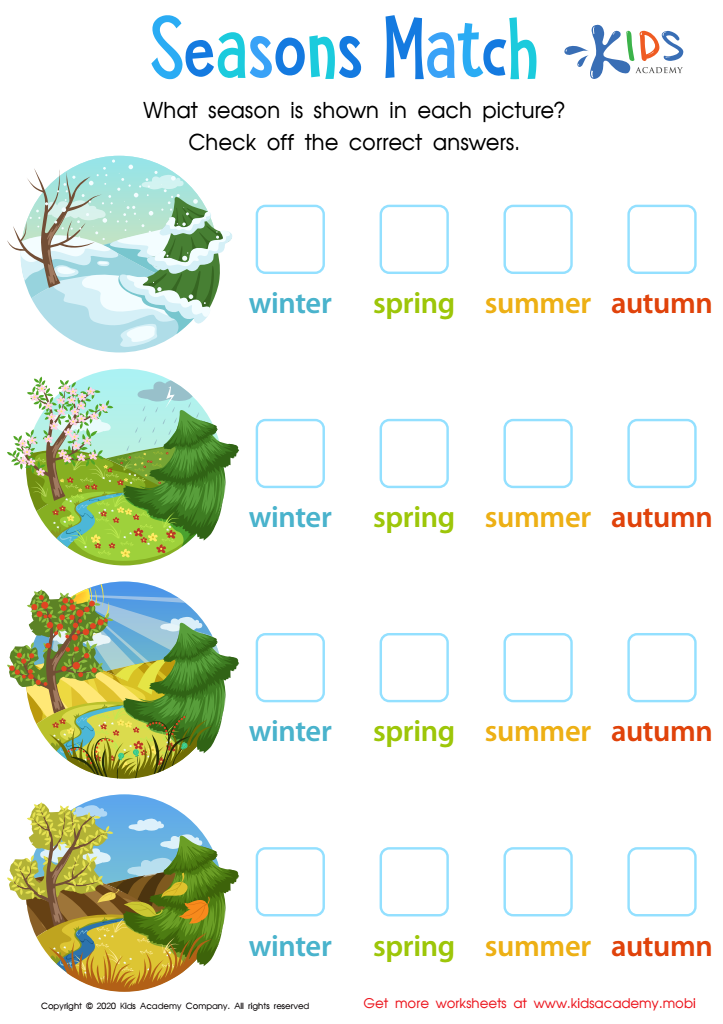
Seasons Match Worksheet
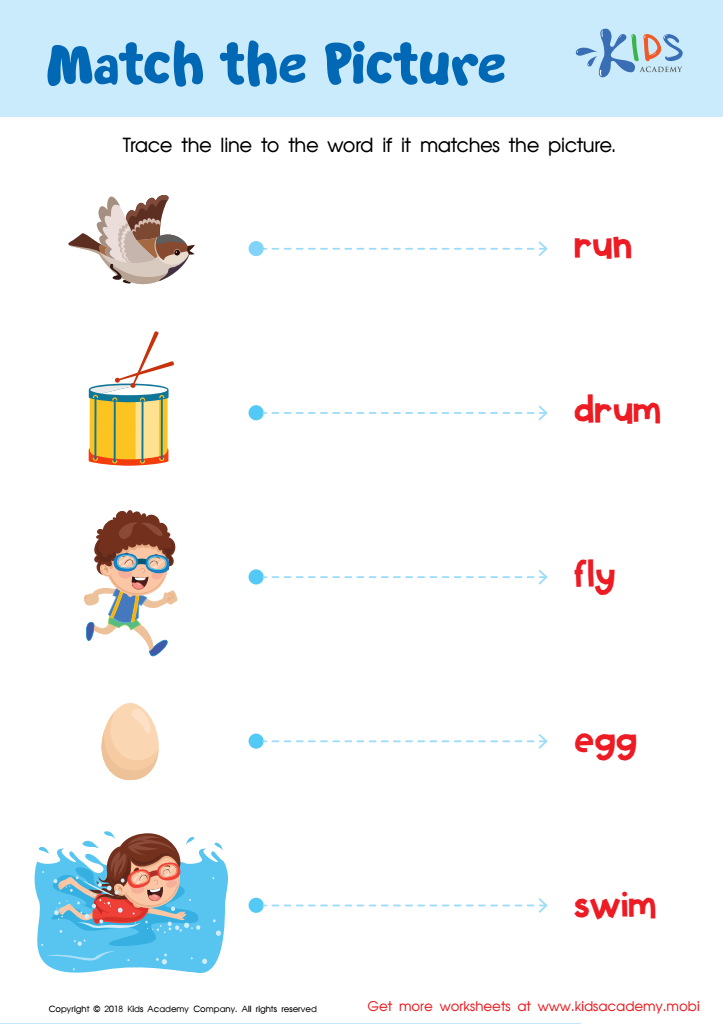
Match the Picture Worksheet
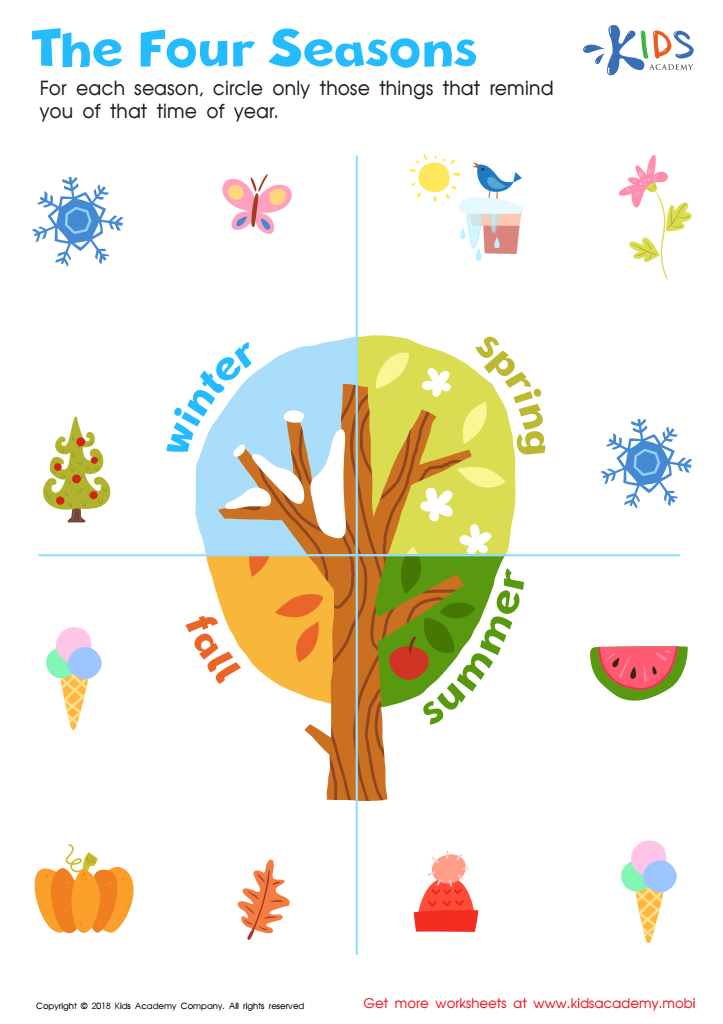
The Four Seasons Worksheet
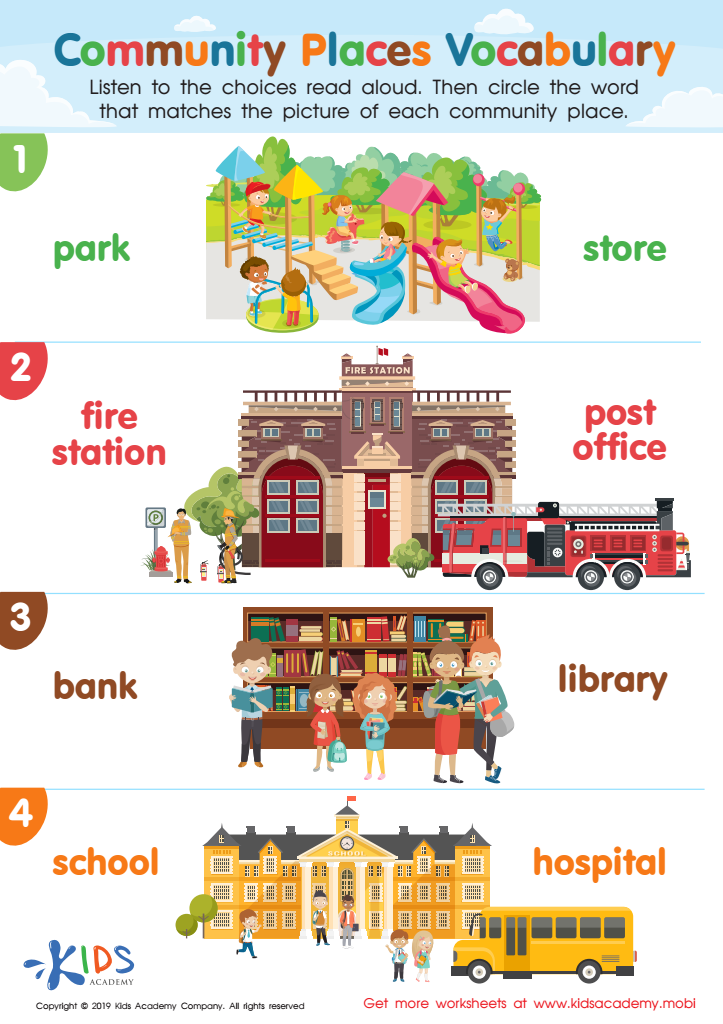
Community Places Vocabulary Worksheet








Visual recognition skills are critical for children aged 4-6 as they form the foundation for learning and development. These skills involve the ability to identify and understand visual inputs, enabling children to engage with their surroundings and interact effectively with various stimuli. Parents and teachers should care about developing these skills because they directly influence a child's academic success and social interactions.
At this age, children begin recognizing letters, numbers, shapes, and everyday objects, which is essential for literacy and numeracy development. Strong visual recognition fosters confidence in reading and enhances critical thinking skills, as children learn to make connections between what they see and what it means in context. Moreover, visual competencies aid in the social realm, helping children recognize emotions and cues from peers, ultimately supporting their ability to build relationships.
By actively promoting visual recognition exercises and activities, such as puzzles, matching games, and illustrations, parents and teachers can create a stimulating environment that encourages curiosity and exploration. When children feel secure in their visual recognition capabilities, they are more likely to engage positively with new learning experiences, laying the groundwork for future academic and personal growth. Thus, investing in visual recognition skills during these formative years is crucial for overall development.








