Word identification Normal Worksheets for Ages 4-6
5 filtered results
-
From - To
Discover our engaging Word Identification Worksheets designed specifically for children aged 4-6. These worksheets support early literacy by helping young learners recognize and identify words through fun, interactive exercises. Each worksheet is thoughtfully crafted to encourage the development of essential reading skills, aiding in the transition from recognizing letters to understanding whole words. Our vibrant, age-appropriate worksheets keep kids motivated while improving vocabulary and reading confidence. Perfect for both classroom and home learning, these printables are an excellent resource for parents and educators aiming to build a strong literacy foundation in children. Explore, download, and watch your child thrive!
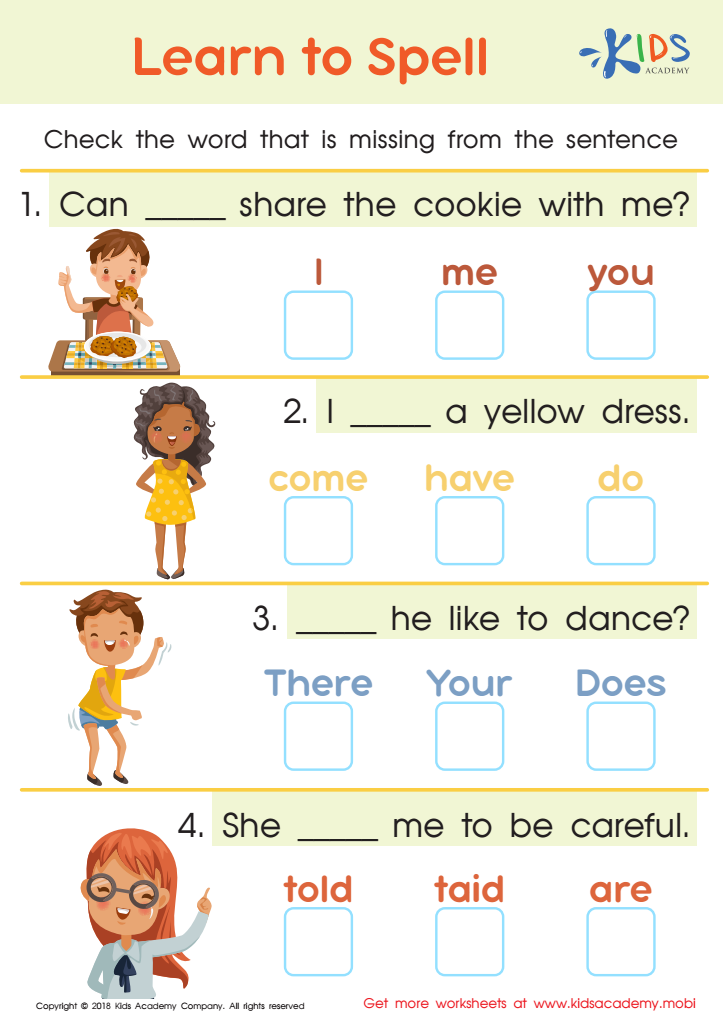
Learn to Spell Worksheet
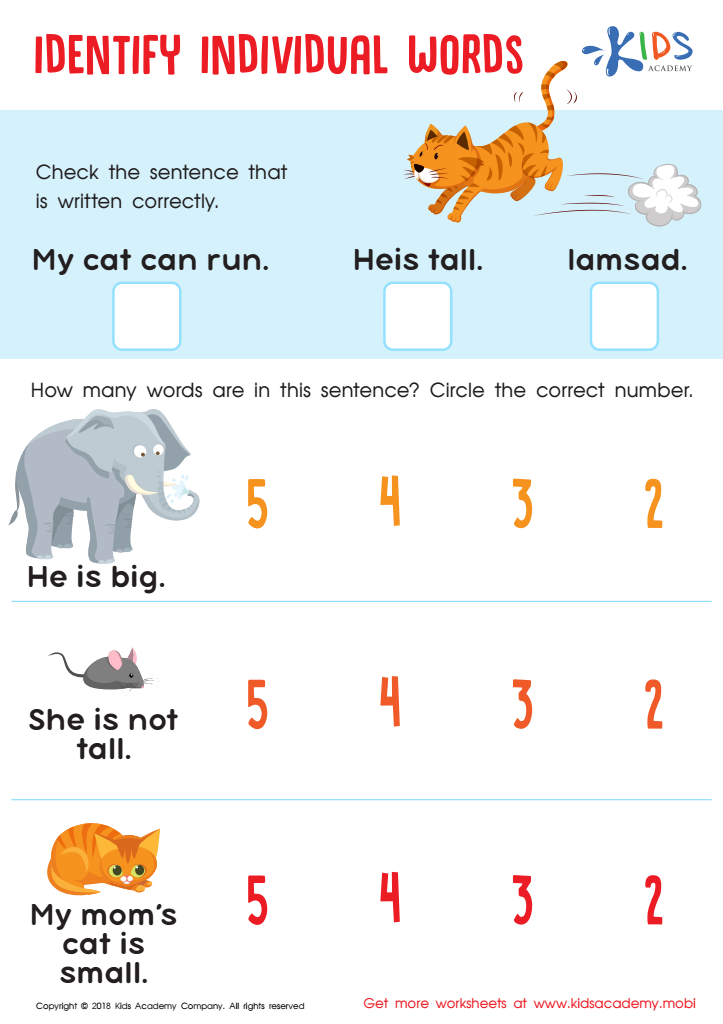
Identify Individual Words Worksheet
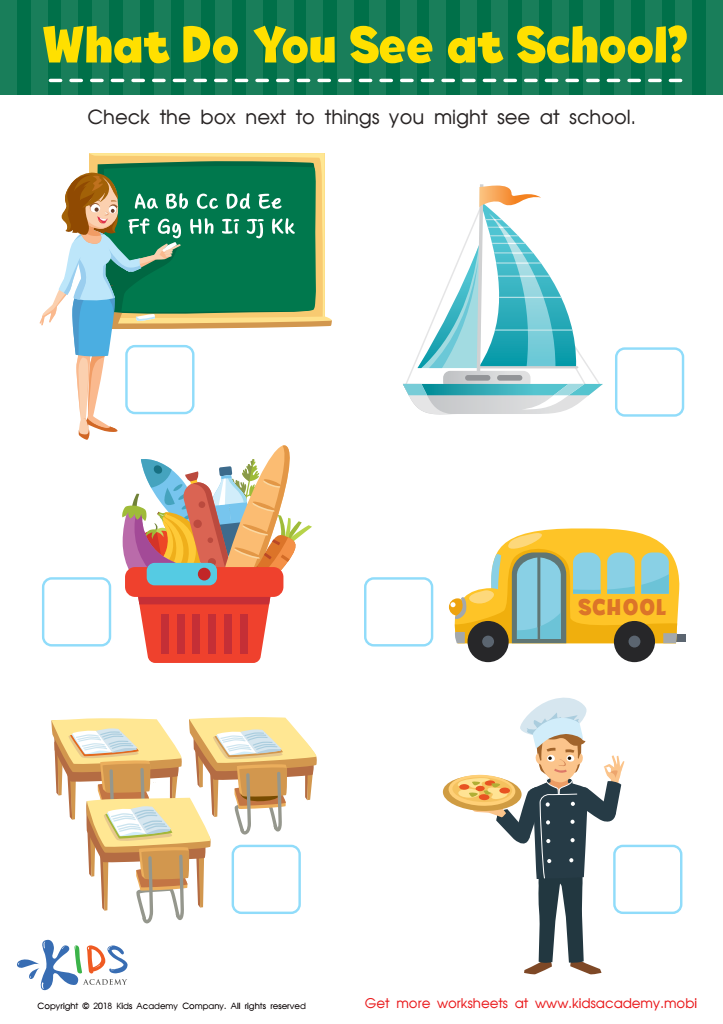
What Do you See at School? Worksheet
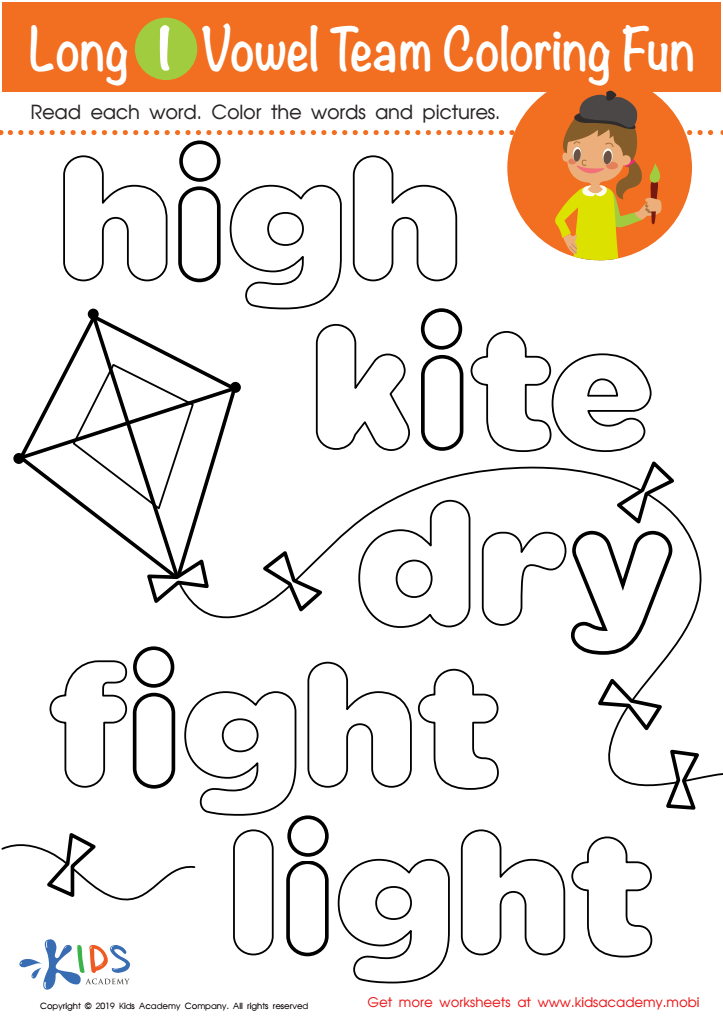
Long I Vowel Team Coloring Worksheet
 Assign to My Students
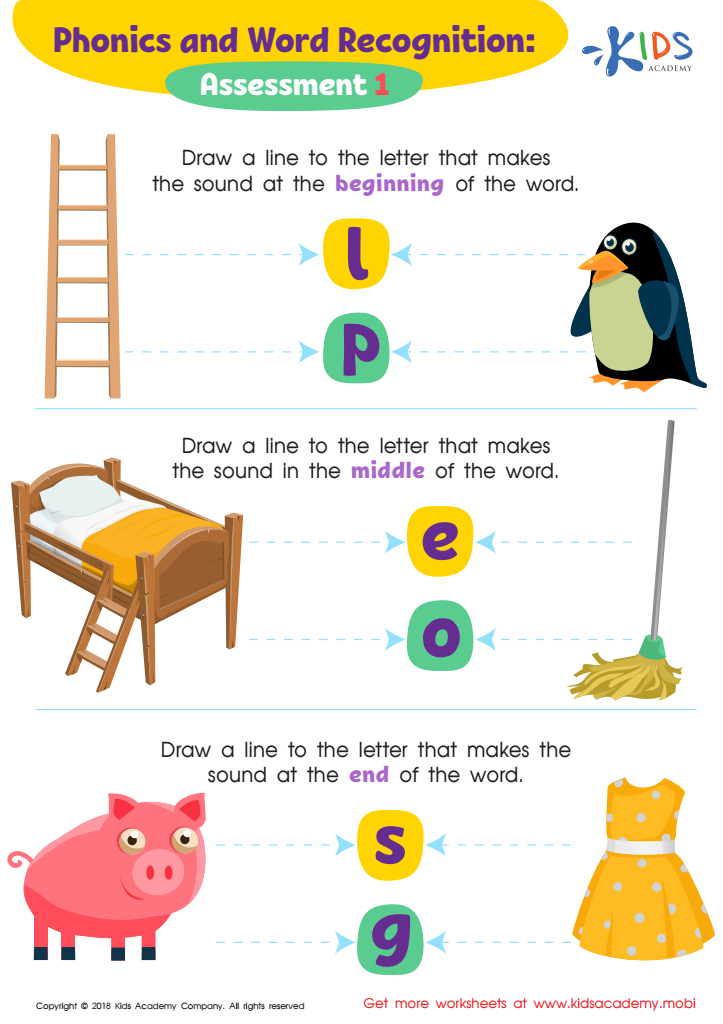
Phonics and Word Recognition: Assessment 1 ELA Worksheet








Word identification is a critical skill for children aged 4-6 as it forms the cornerstone of their reading ability. At this early stage, young learners are typically in pre-kindergarten, kindergarten, or first grade, pivotal years in language development. Word identification or recognizing written words accurately influences their capacity to read smoothly and comprehend what they are reading.
If children master this skill at the right age, they are likely to develop a love for reading, which will support their overall academic progress. It's essential because early reading proficiency is linked to long-term academic success. Children who can identify words effortlessly are able to focus on the meaning of the text rather than getting bogged down by decoding each word. This fast, automatic word recognition provides the foundation for fluent reading.
Moreover, early competence in word identification promotes greater confidence in young readers. As they more easily understand stories and information, they are more engaged and motivated to read and learn independently. Without this crucial skill, children may face difficulties keeping up with peers, which can lead to frustration and a negative attitude toward learning.
Therefore, parents and teachers should prioritize word identification practice through engaging, age-appropriate activities such as reading aloud, using flashcards, and interactive games to promote literacy development during these formative years.








