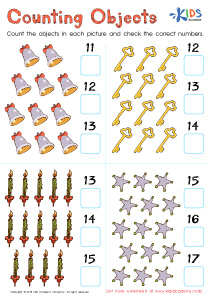
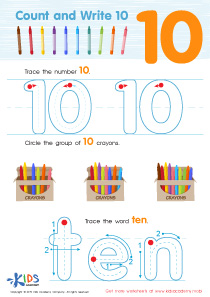
Number Recognition Normal Comparing Numbers Worksheets for Ages 4-6
3 filtered results
-
From - To
Enhance your child's math skills with our Number Recognition and Comparing Numbers Worksheets, designed specifically for ages 4-6! These interactive worksheets help young learners master the fundamentals of number recognition while also developing their ability to compare and understand relative values. Engaging visuals and fun activities make learning enjoyable, catering to early education needs. Your child will confidently grasp essential concepts like greater than, less than, and equal to, setting a solid foundation for future math skills. Access a variety of worksheets that support differentiated learning and foster critical thinking—all while making learning a fun, exciting adventure!
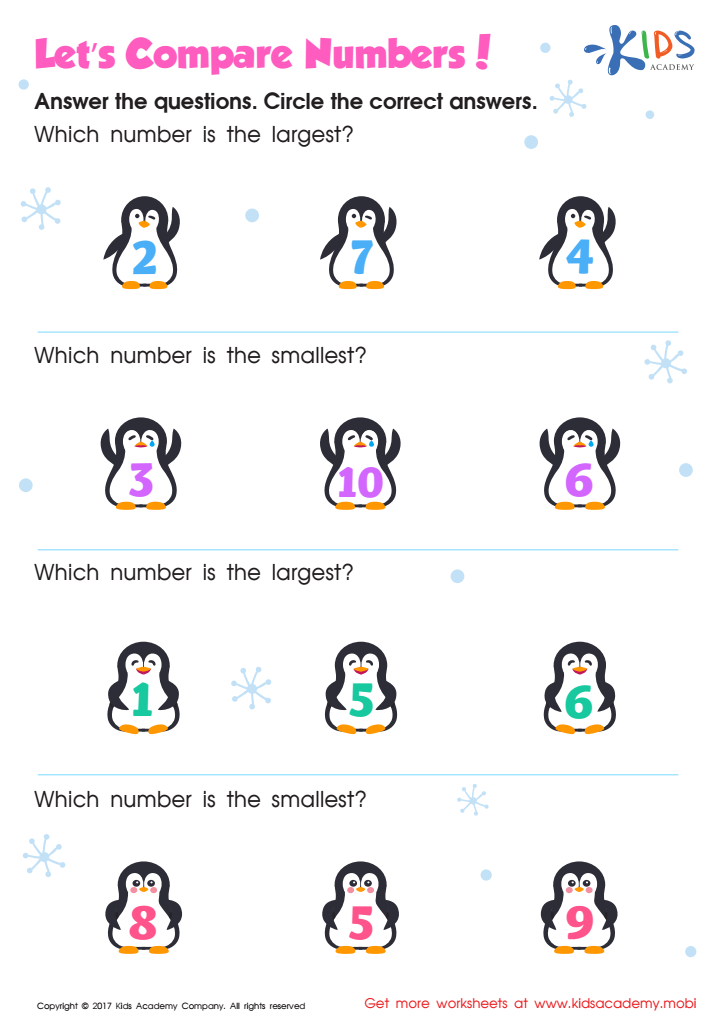
Comparing Numbers 1–10 Worksheet Kindergarten
 Assign to My Students
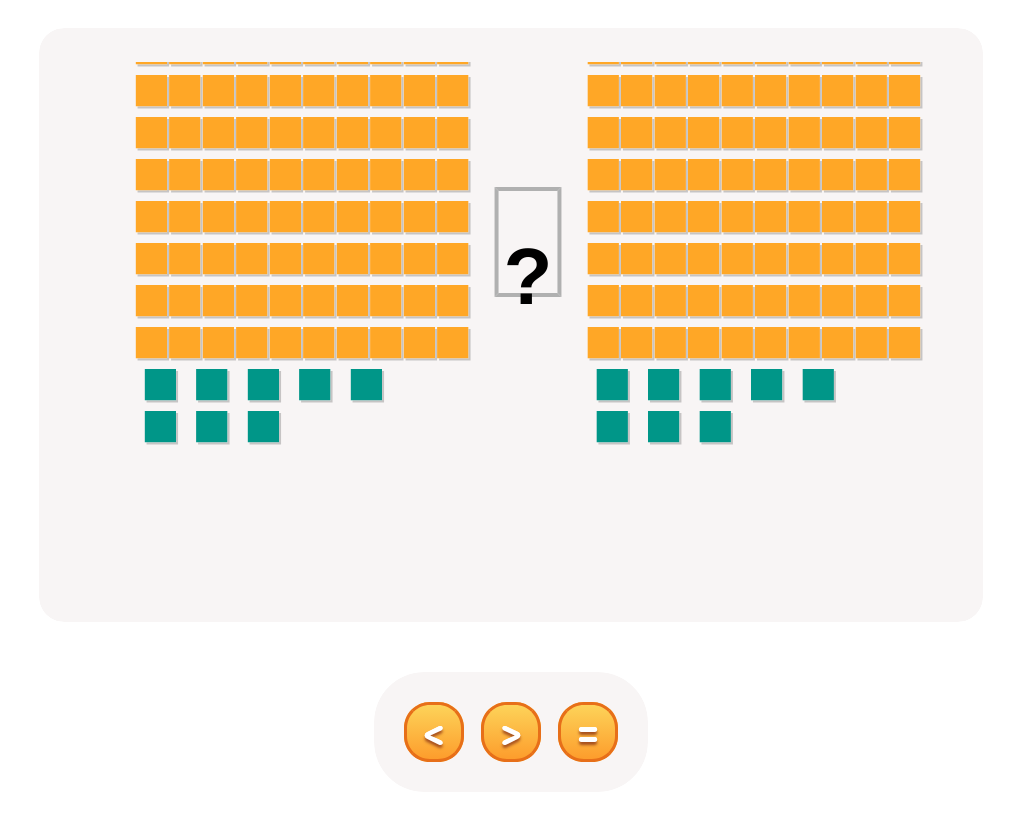

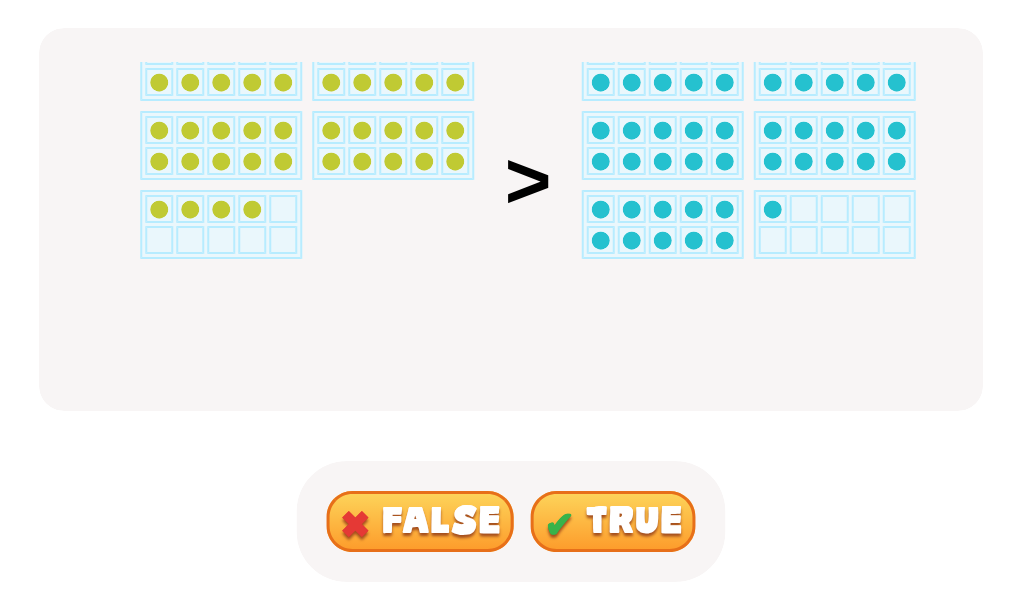
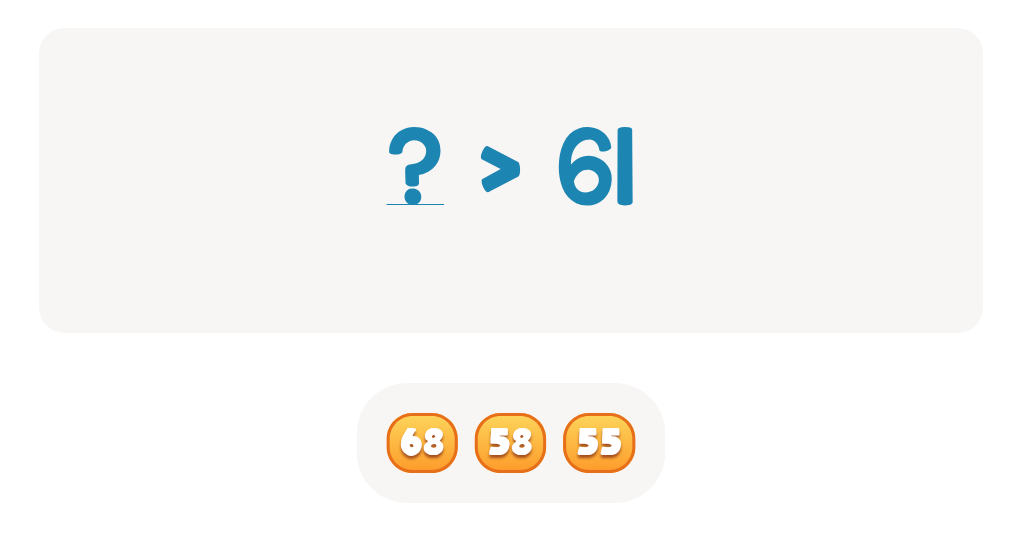
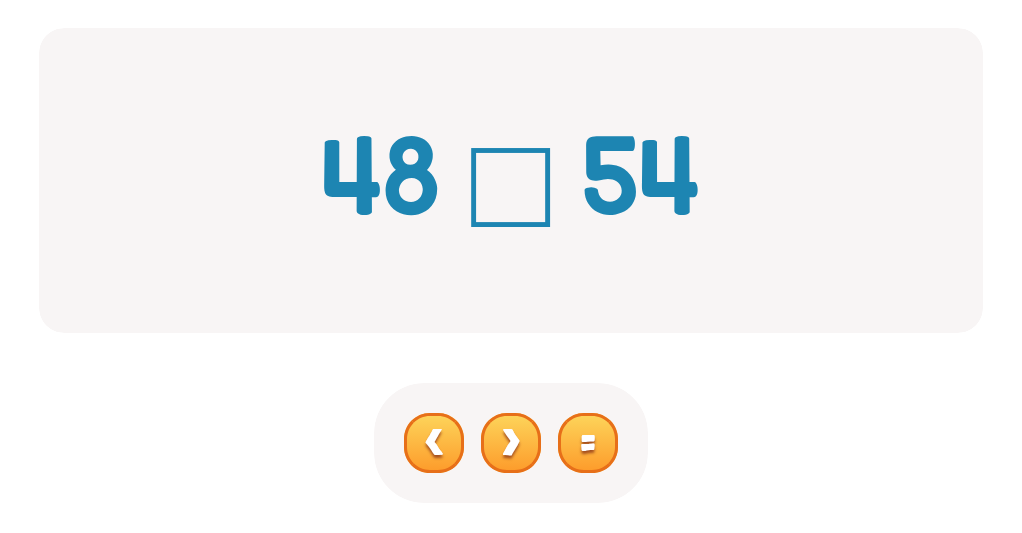
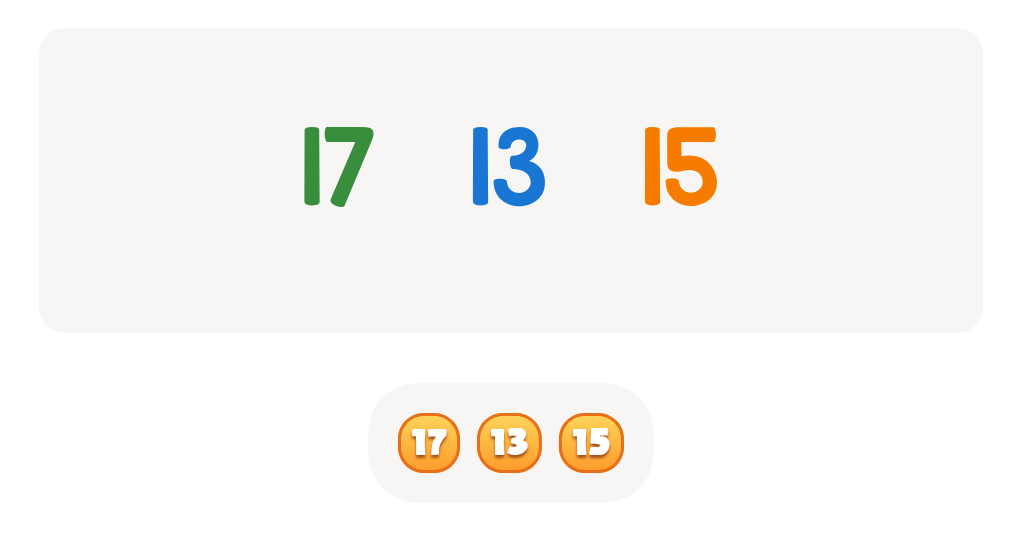
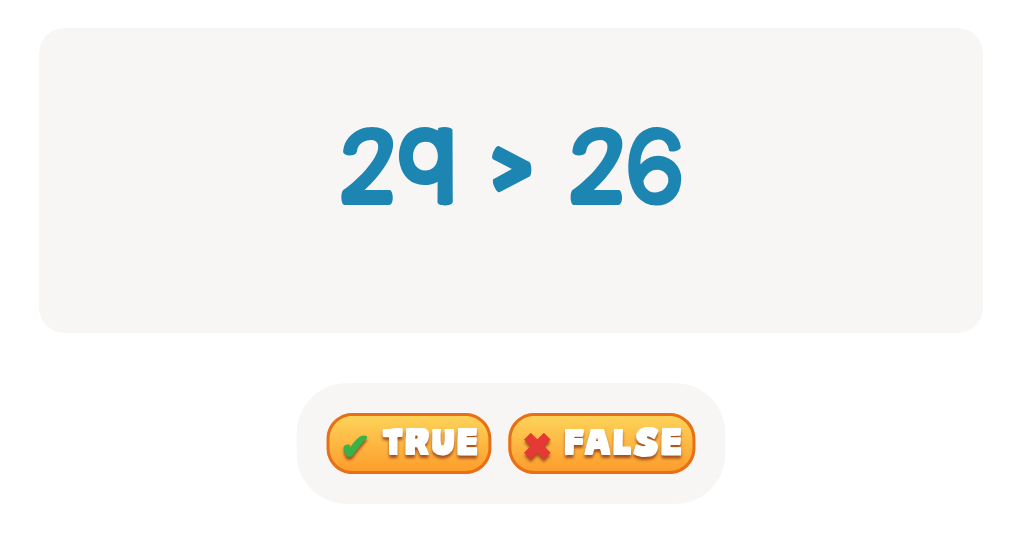
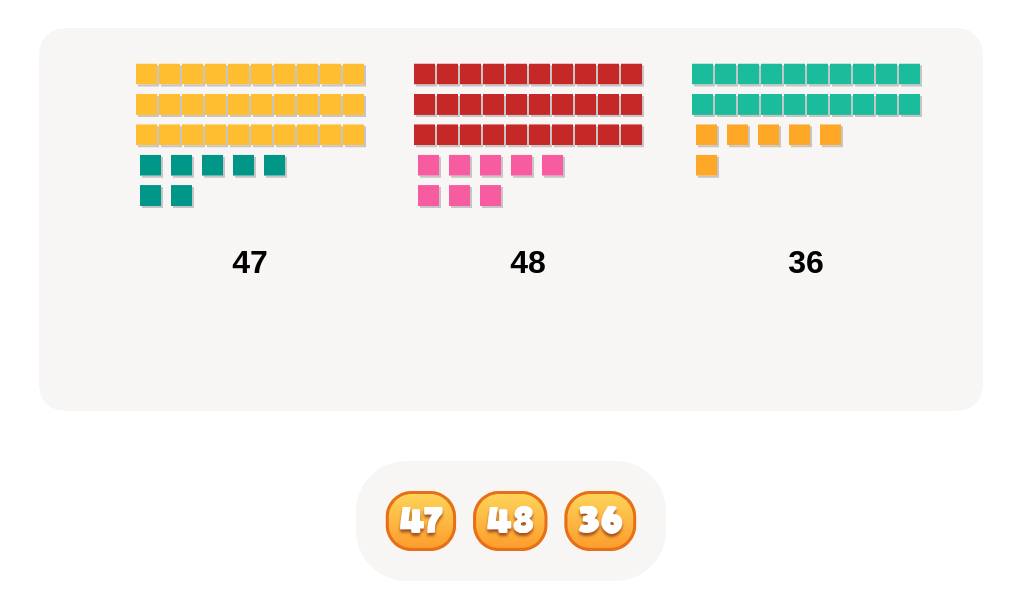
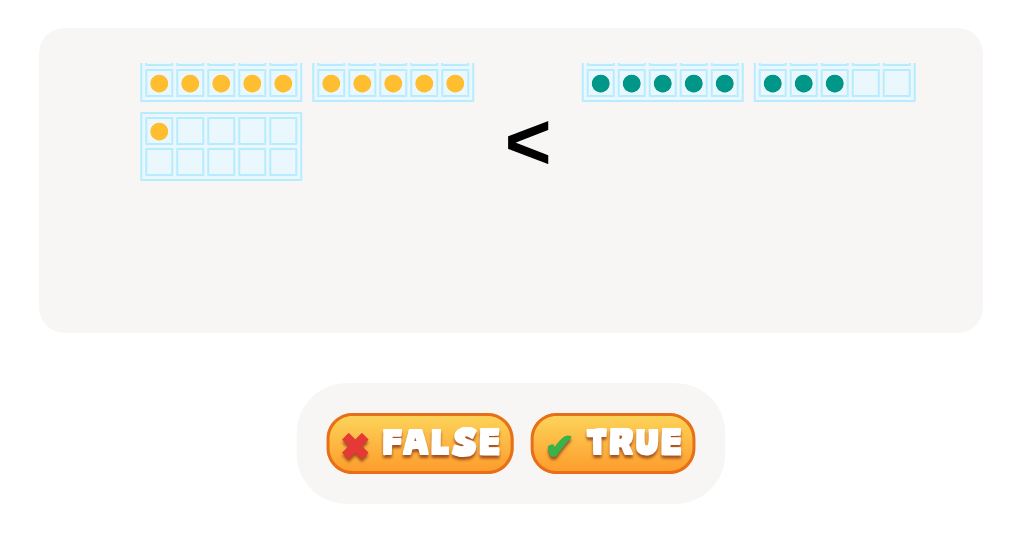
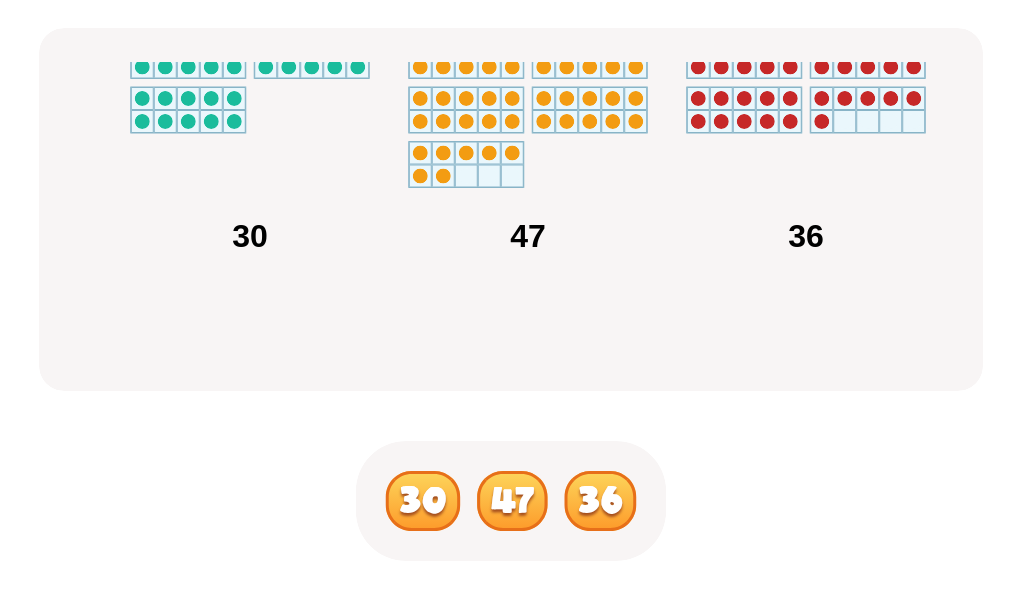
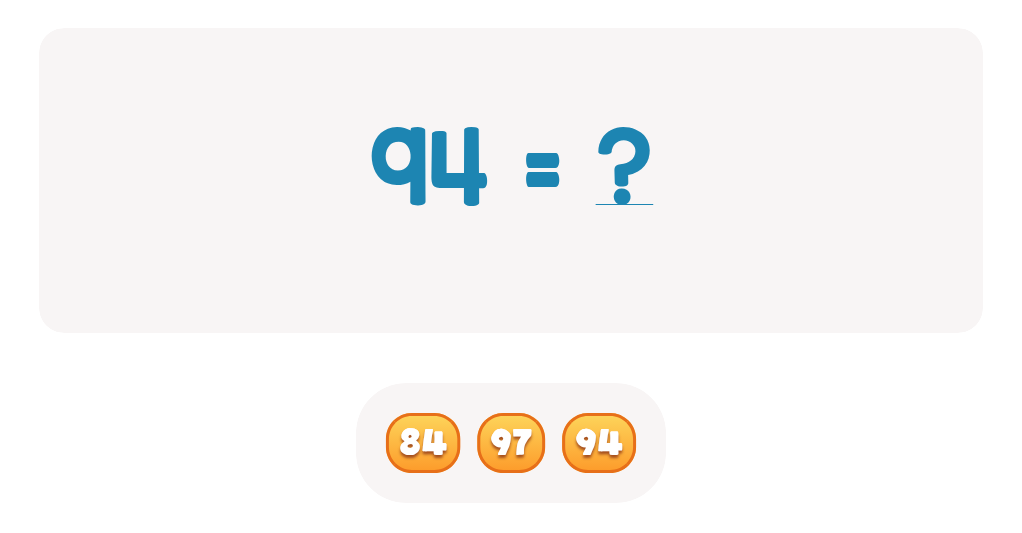
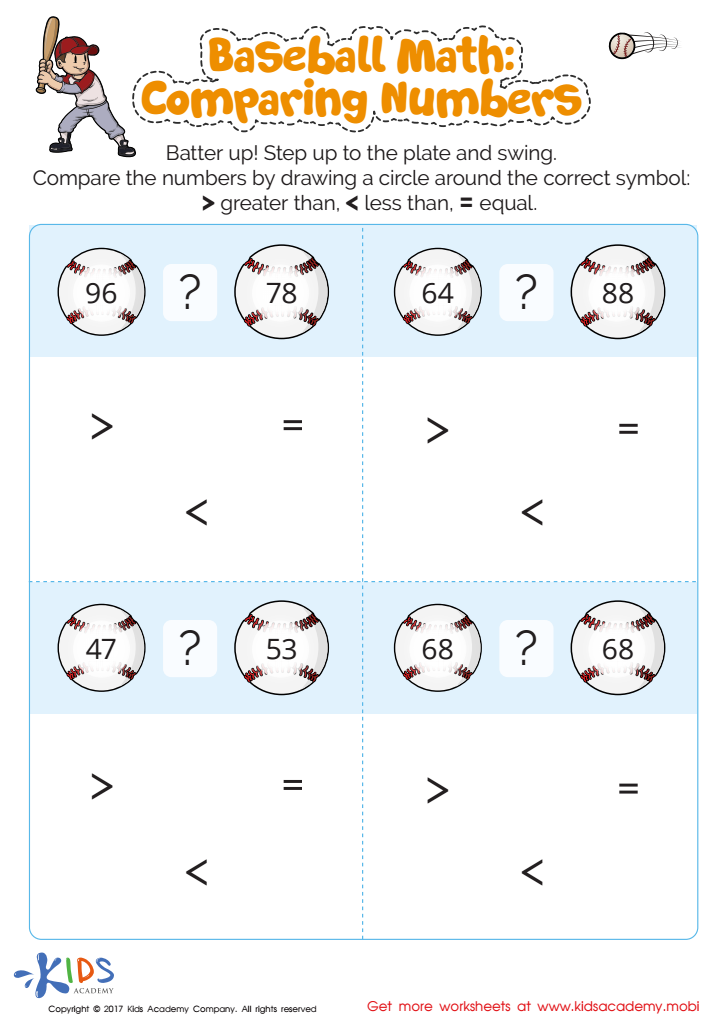
Compare Numbers Printable
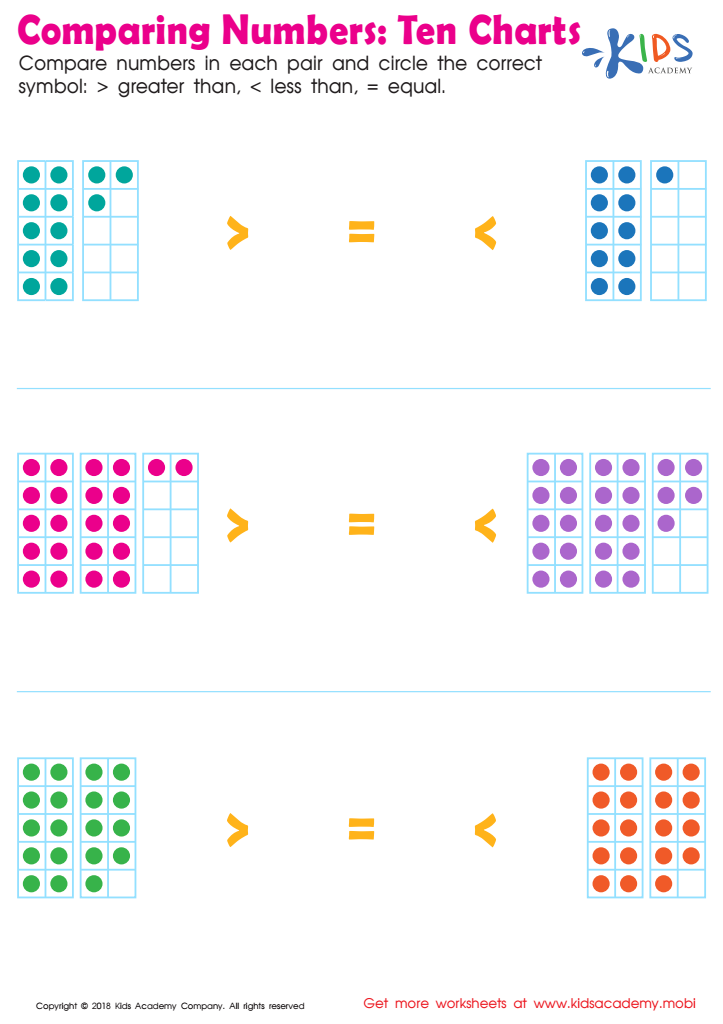
Ten Charts Worksheet








Number recognition and the ability to compare numbers are foundational skills crucial for children aged 4-6. These early mathematical concepts are not merely academic; they are integral to a child's cognitive development and everyday life. Recognizing numbers aids in developing a sense of quantity and understanding the relationship between different quantities, which is essential for further mathematical learning.
By caring about number recognition and comparing numbers, parents and teachers can foster critical thinking skills. For instance, when children learn to compare numbers, they engage in problem-solving and decision-making processes, laying the groundwork for more complex math concepts in later education. Moreover, these skills enhance their ability to read and interpret numerical information in daily contexts, such as measuring ingredients in cooking, understanding time, or exploring money.
Supporting number recognition also builds a child's confidence and enjoyment in learning mathematics, reducing anxiety about numbers later in life. Furthermore, early mastery contributes positively to their overall academic performance, as math skills are linked to literacy development. Ultimately, a strong foundation in number recognition and comparison prepares children for future challenges and encourages lifelong learning habits, making it essential for guardians and educators to prioritize these skills.