Number Recognition Normal Counting Worksheets for Ages 4-6
8 filtered results
-
From - To
Welcome to our engaging Number Recognition worksheets designed for children ages 4-6! These printable activities help young learners confidently identify and understand numbers through fun, interactive exercises. Our worksheets feature a variety of activities, including counting objects, matching numbers to quantities, and tracing numbers, all tailored to suit early learners. By using these resources, children develop essential math skills, enhance their focus, and foster a love for learning in a playful environment. Ideal for at-home learning or classroom settings, our Number Recognition worksheets provide the foundational support young children need as they embark on their educational journey. Explore our collection today!
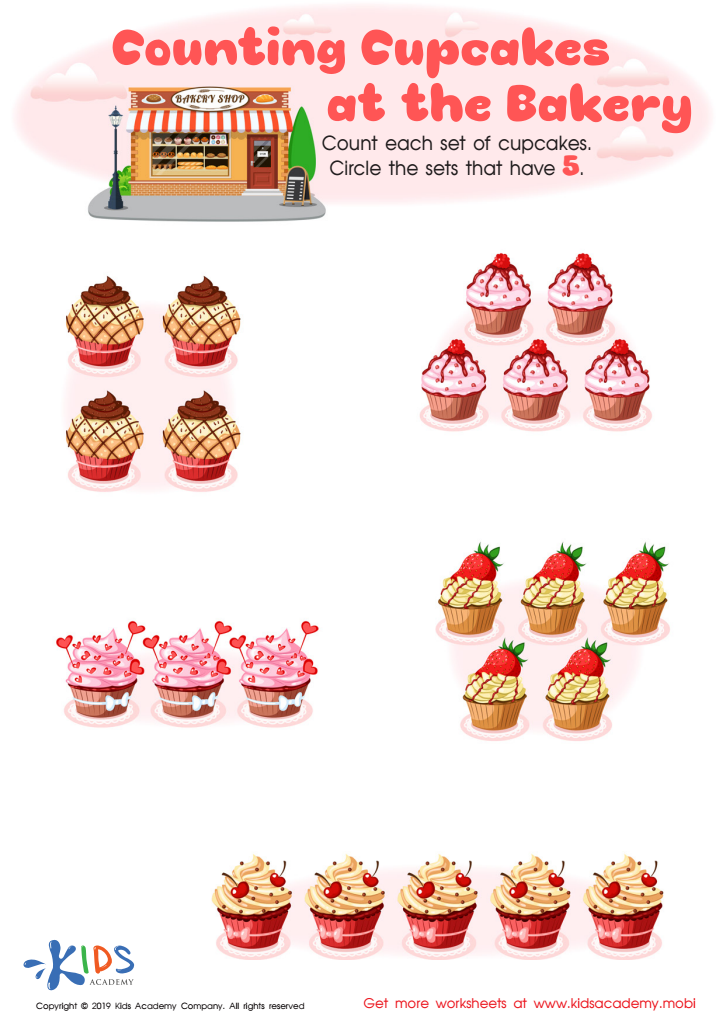
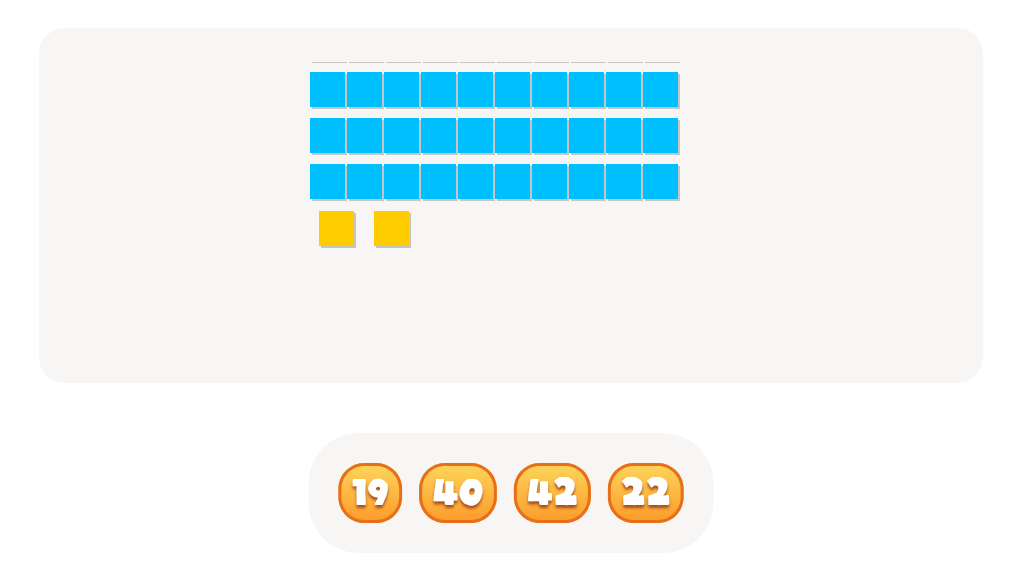
Counting Cupcakes Worksheet
 Assign to My Students


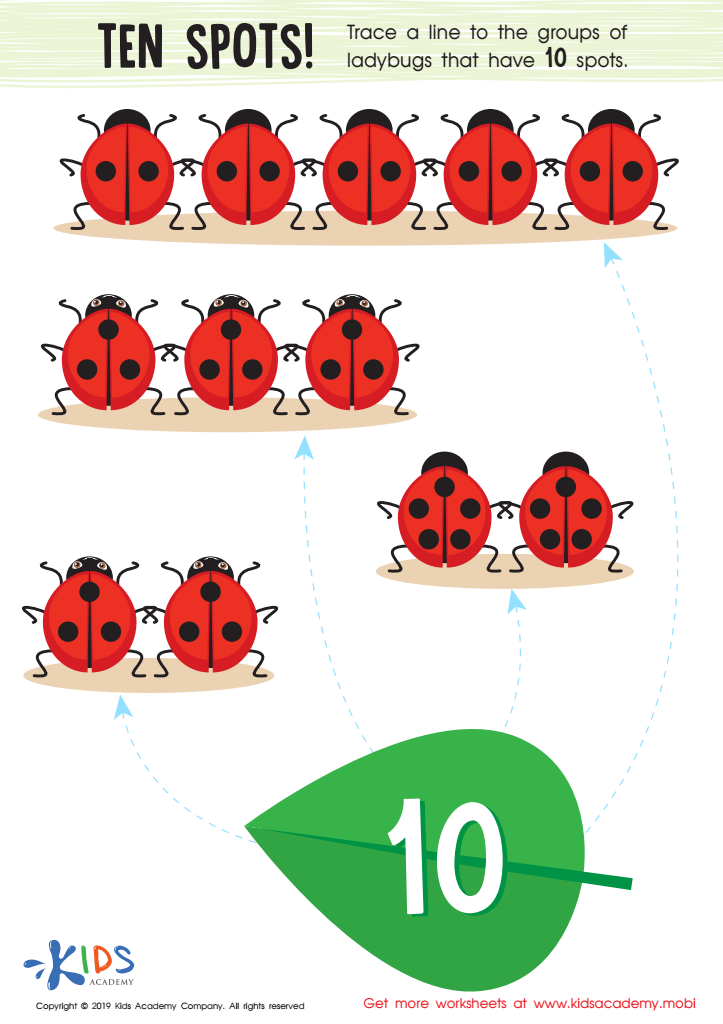
Ten Spots Worksheet
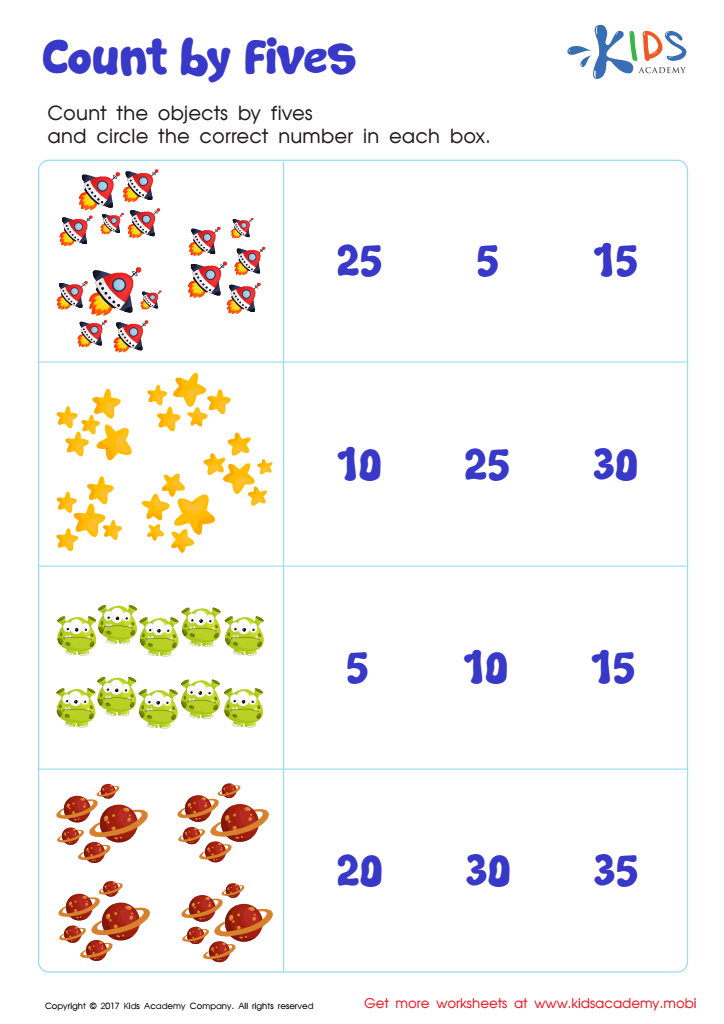
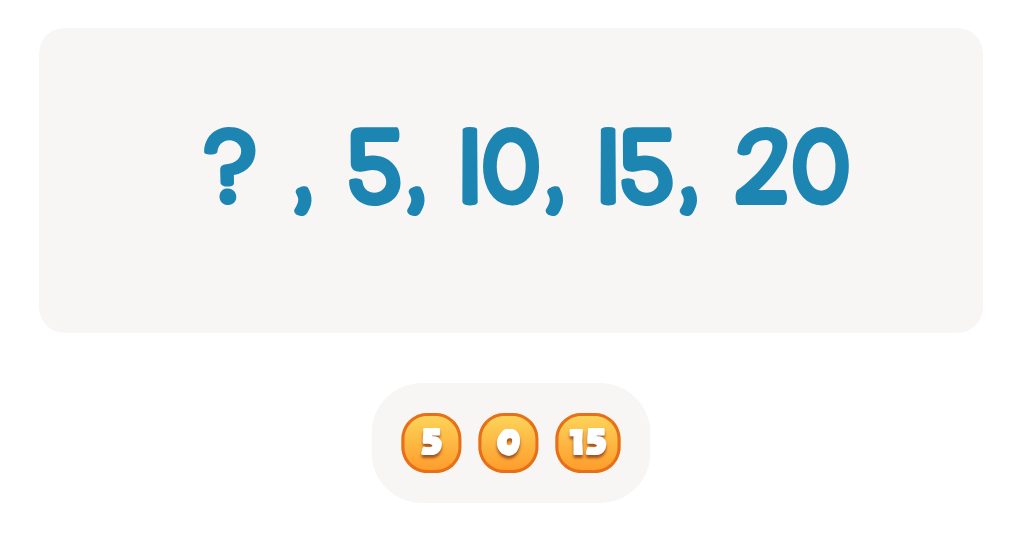
Skip Counting by 5s: Space Math Printable
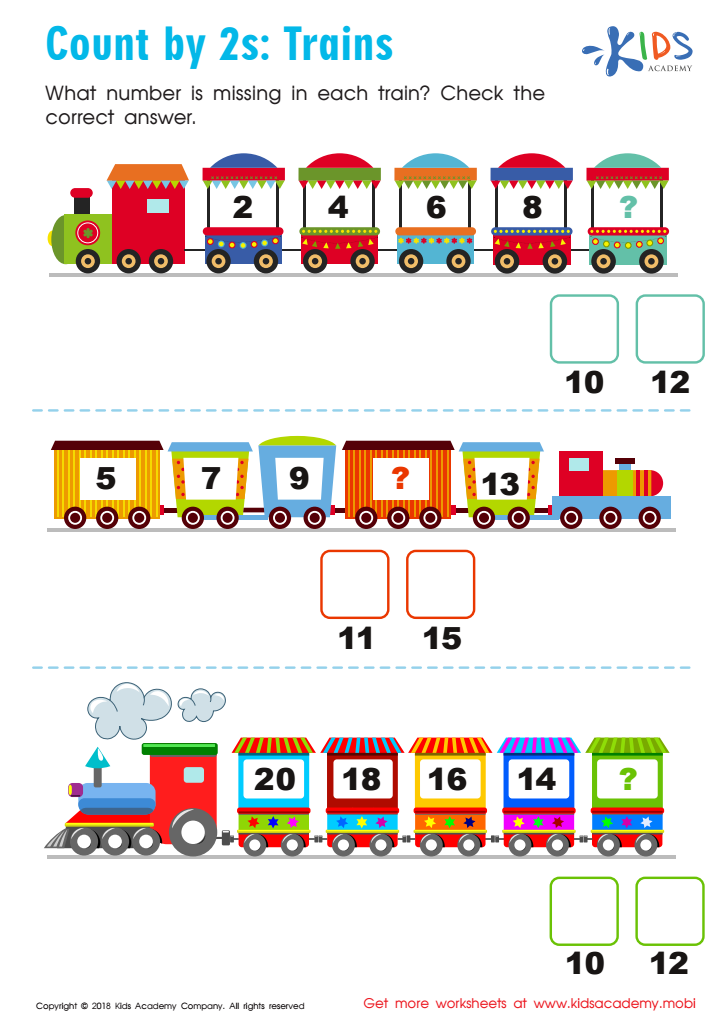
Count by 2's: Trains Worksheet
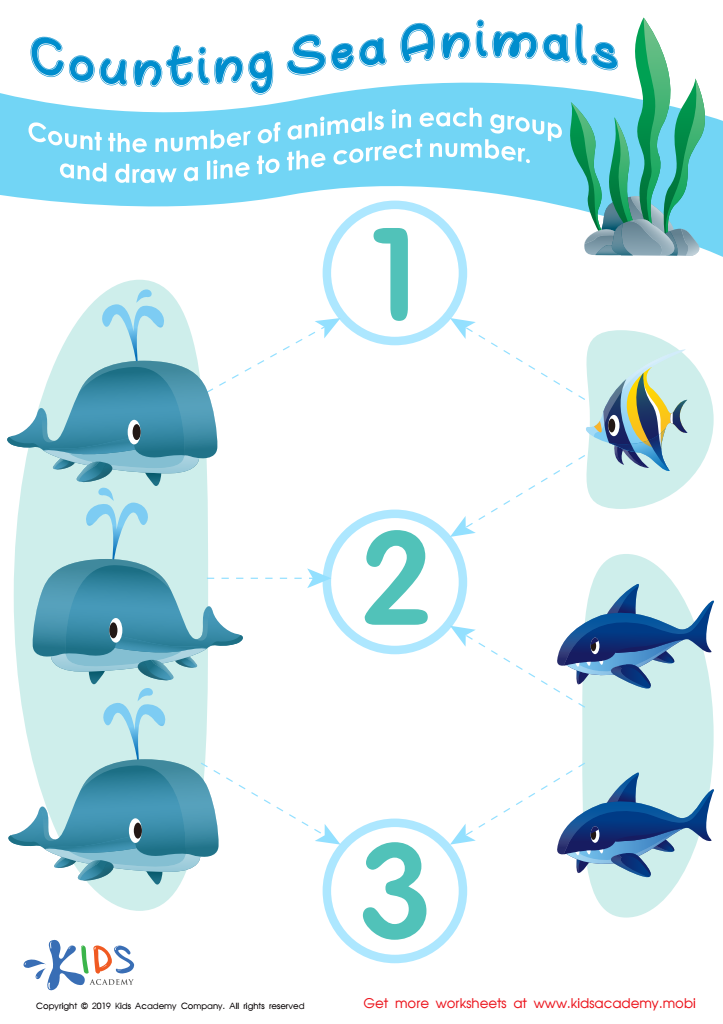
Counting Sea Animals Worksheet
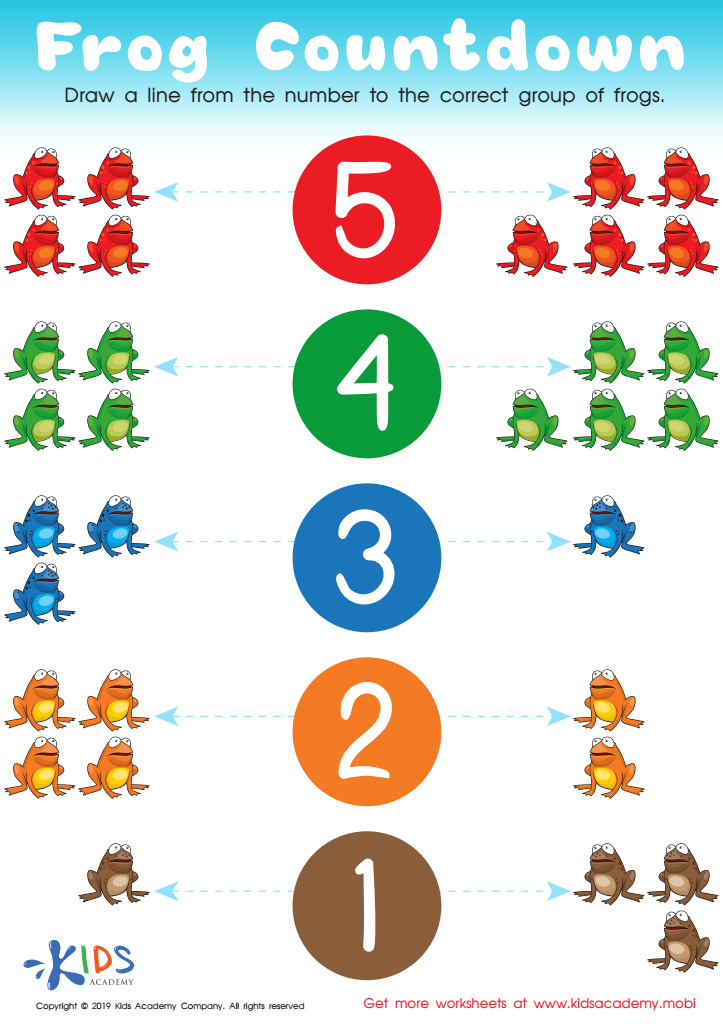
Frog Countdown Worksheet
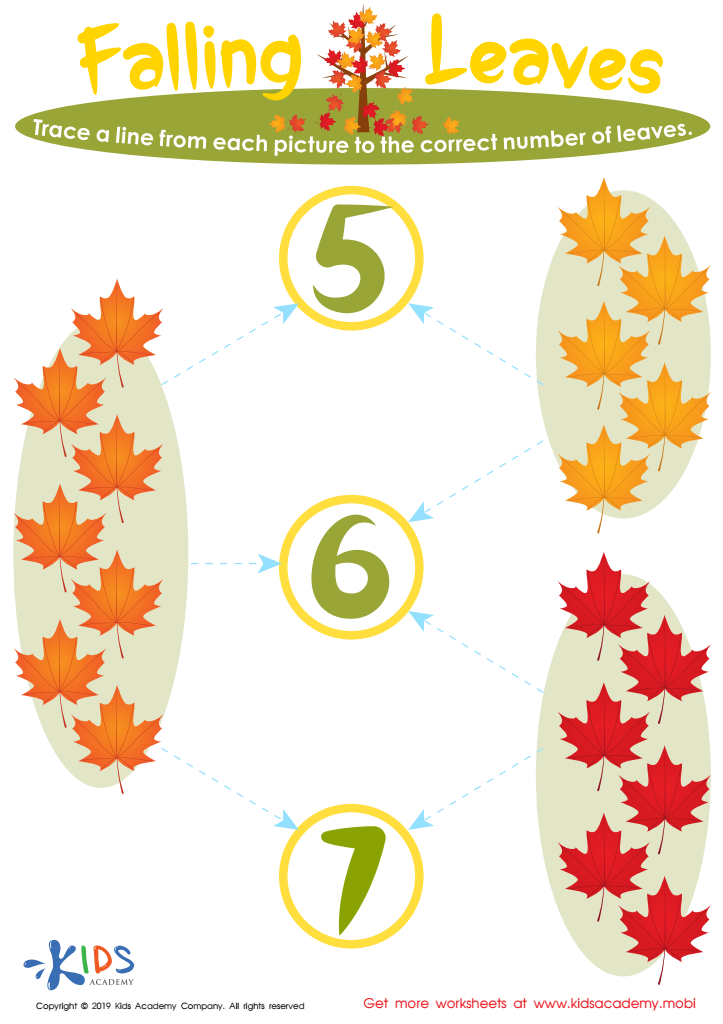
Falling Leaves Worksheet
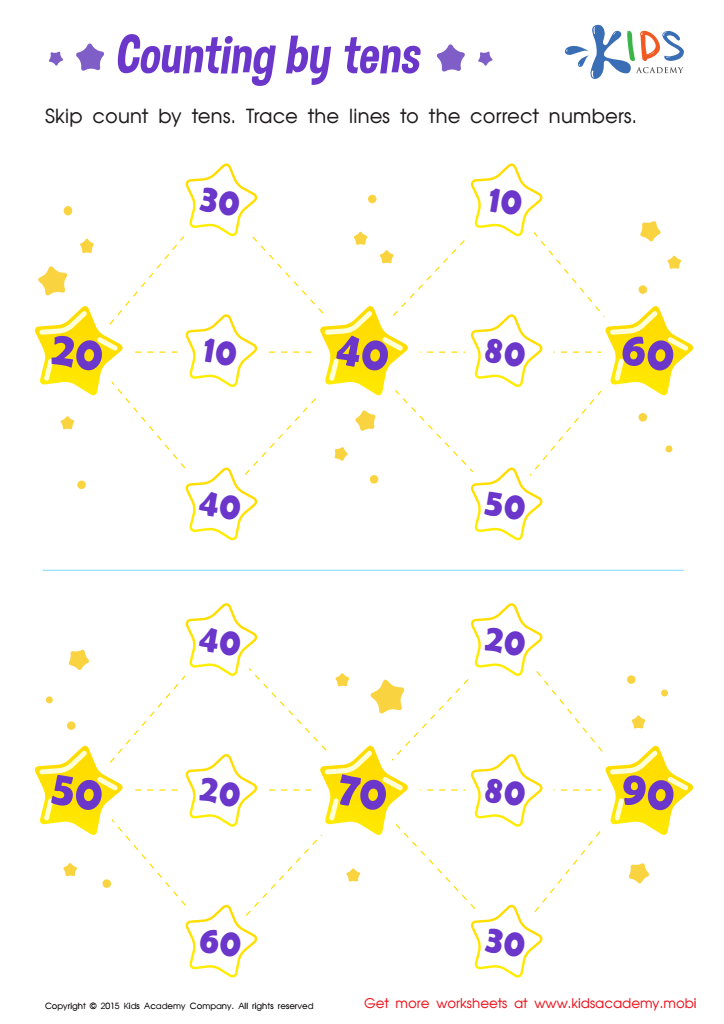
Learn Dozens: Counting by Tens Printable








Number recognition and normal counting are foundational skills for young children, typically developed between the ages of 4 and 6. These skills are crucial for various reasons.
Firstly, number recognition allows children to identify and understand the symbols that represent quantities. This ability not only aids in basic math but also helps children engage with their environment—like recognizing prices, counts in a group, or measuring ingredients in cooking.
Secondly, normal counting fosters sequential reasoning and one-to-one correspondence, helping children understand that each object can be counted individually. These counting skills support early problem-solving and critical thinking, necessary for more complex math as they advance in school.
Additionally, mastering these skills builds confidence in handling numbers, making children more likely to enjoy math-related activities and contribute positively in group learning situations.
Finally, a strong number foundation enhances overall cognitive development, promoting curiosity and resilience in learning. Teachers and parents should collectively nurture these skills through fun, engaging activities—highlighting the importance of numbers in daily life and creating a positive and encouraging learning environment for young learners. Investing time in these fundamental skills now lays the groundwork for future academic success and a positive attitude toward mathematics.