Shape Recognition Normal Math Worksheets for Ages 4-6 - Page 2
28 filtered results
-
From - To
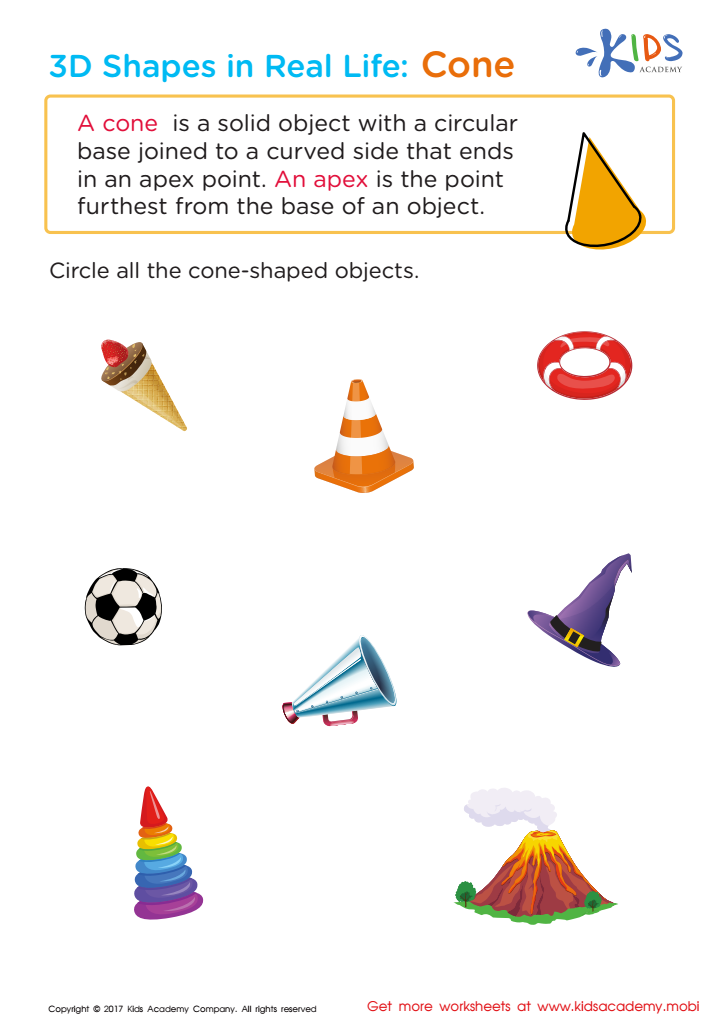
Shapes in Real Life: Cone Worksheet
 Assign to My Students
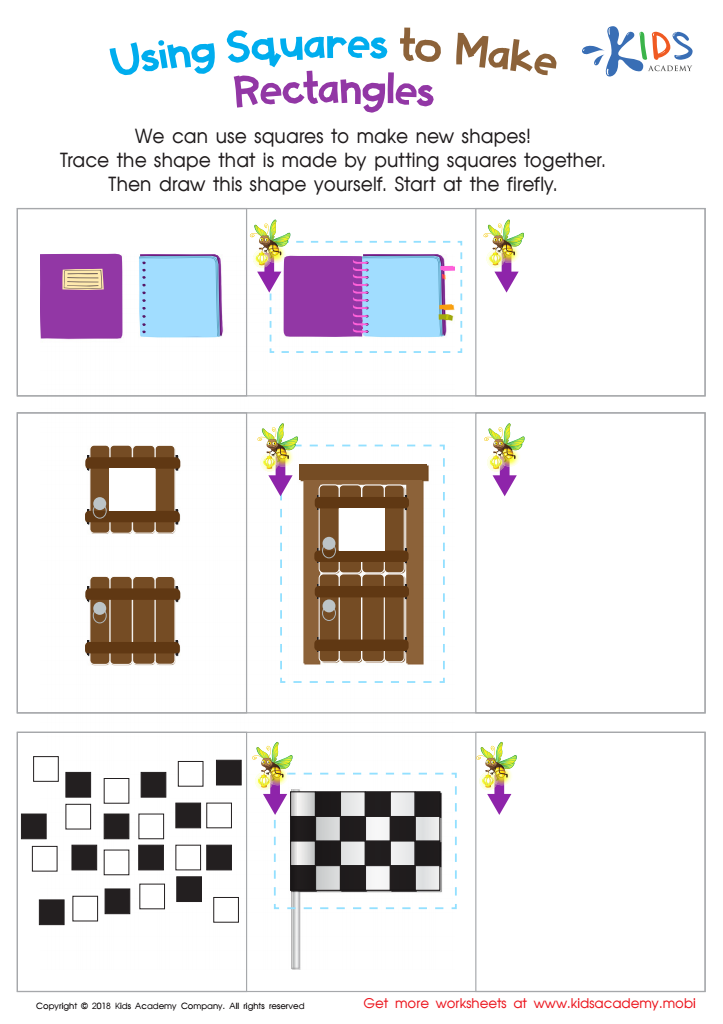
Using Squares to Make Rectangles Worksheet
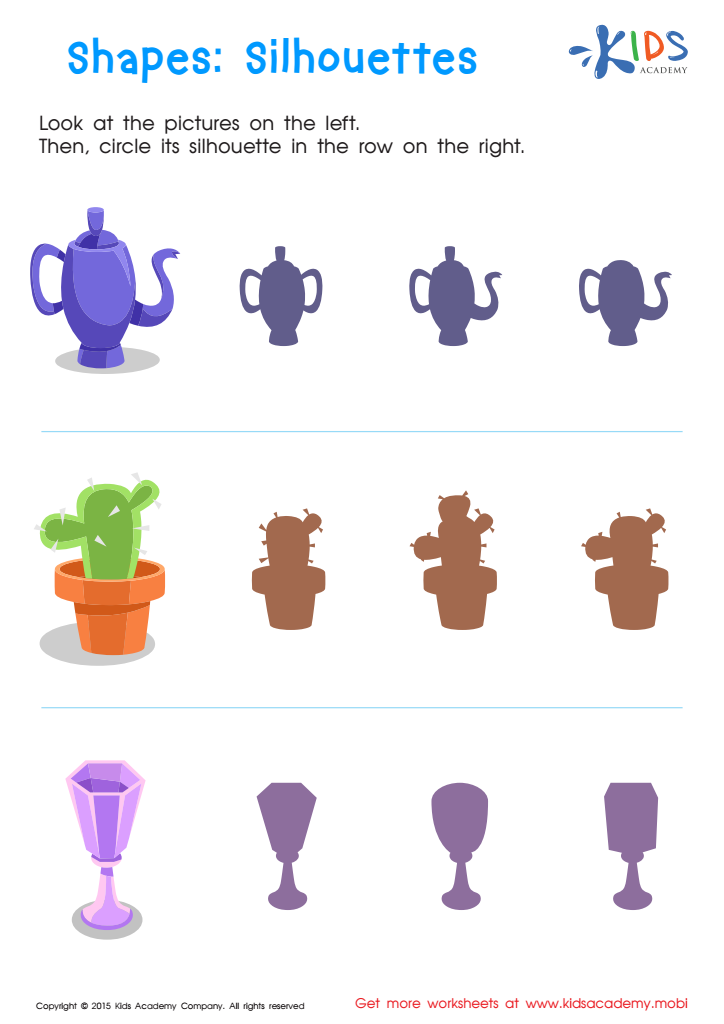
Silhouettes – Shapes Worksheet
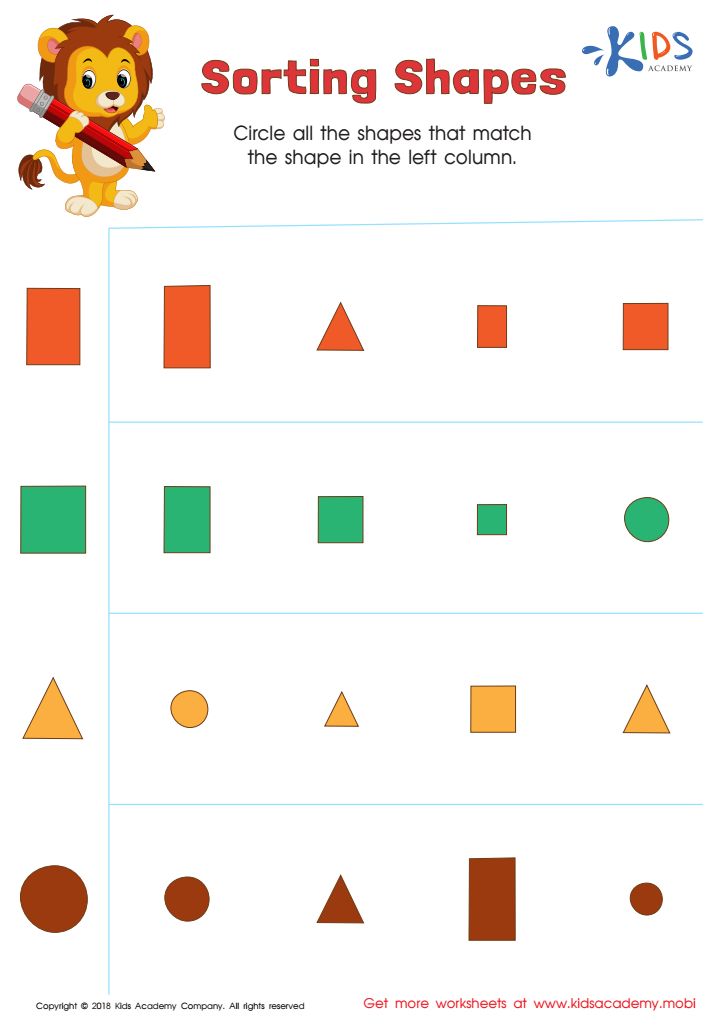
Sorting Shapes - Part 2 Worksheet







Shape recognition is a crucial foundational skill for children aged 4-6, serving as an essential building block for later mathematical understanding and overall cognitive development. When children recognize shapes, they begin to understand spatial relationships, categorize objects, and develop problem-solving skills. These early experiences with shapes foster critical thinking, enabling them to identify, classify, and manipulate objects in their environment.
For parents and teachers, promoting shape recognition opens up opportunities for engaging learning experiences. Activities involving shapes can be integrated into everyday routines, transforming ordinary moments into integrated learning experiences. Incorporating games, puzzles, and art projects can make the learning process fun and relatable, reinforcing the concepts while fostering a love for learning.
Moreover, shape recognition lays the groundwork for future math skills, such as geometry, measurement, and more complex mathematical reasoning. As children become comfortable with shapes, they gain confidence in their ability to explore and understand mathematics.
In summary, prioritizing shape recognition in early childhood education is not just about learning shapes; it’s about equipping children with essential skills that will support their academic growth, enhance their cognitive abilities, and help them navigate and interpret the world around them.








