Visual discrimination Normal Matching Worksheets for Ages 4-6
3 filtered results
-
From - To
Enhance your child's visual discrimination skills with our Normal Matching Worksheets designed for ages 4-6. These engaging and interactive worksheets help young learners develop the ability to identify similarities and differences among shapes, colors, and objects. Perfect for preschool and kindergarten students, these activities promote critical thinking and concentration while making learning enjoyable. With colorful illustrations and age-appropriate challenges, children will gain confidence as they practice matching various items. Foster your child's cognitive development and prepare them for future learning with these fun and educational visuals. Download now to provide your little ones with a valuable learning experience!
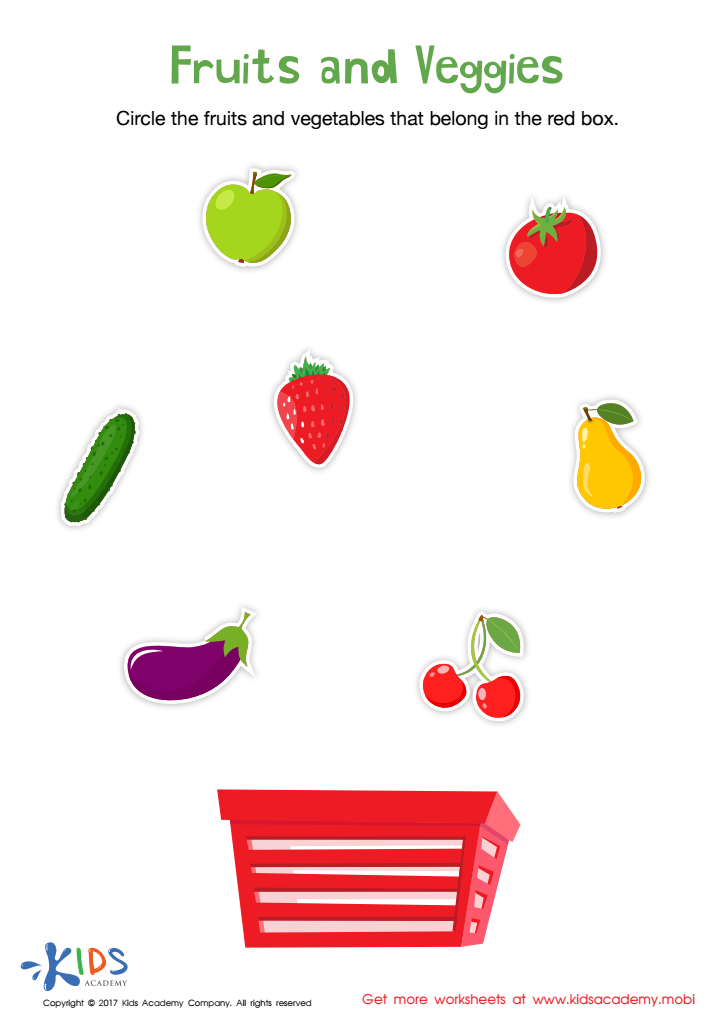
 Assign to My Students
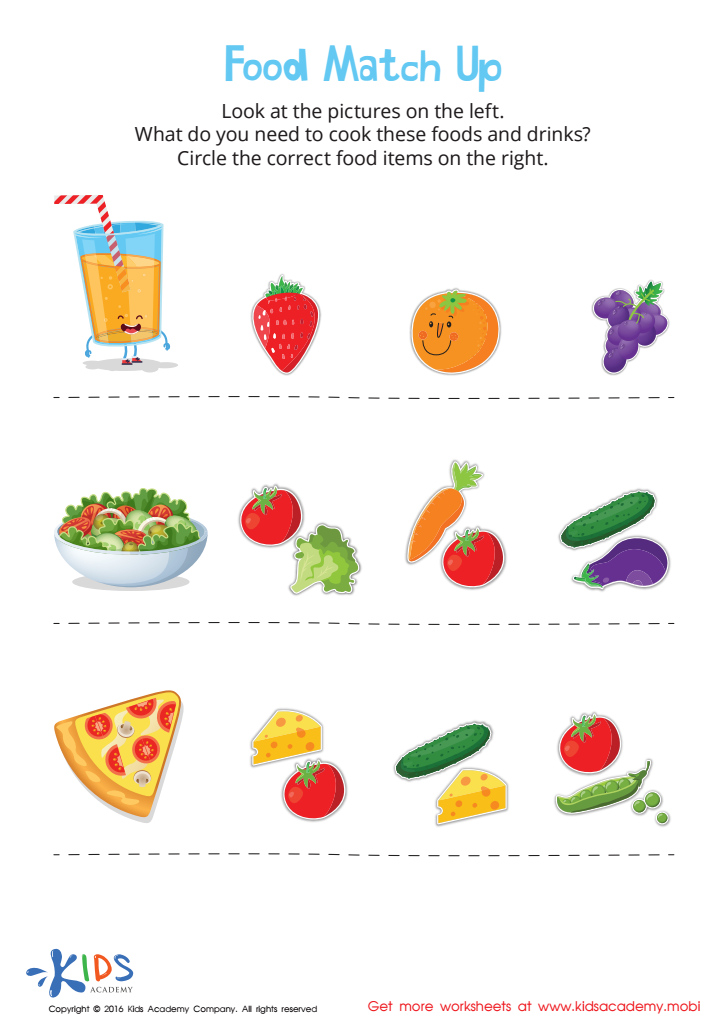
Food Match Up Worksheet
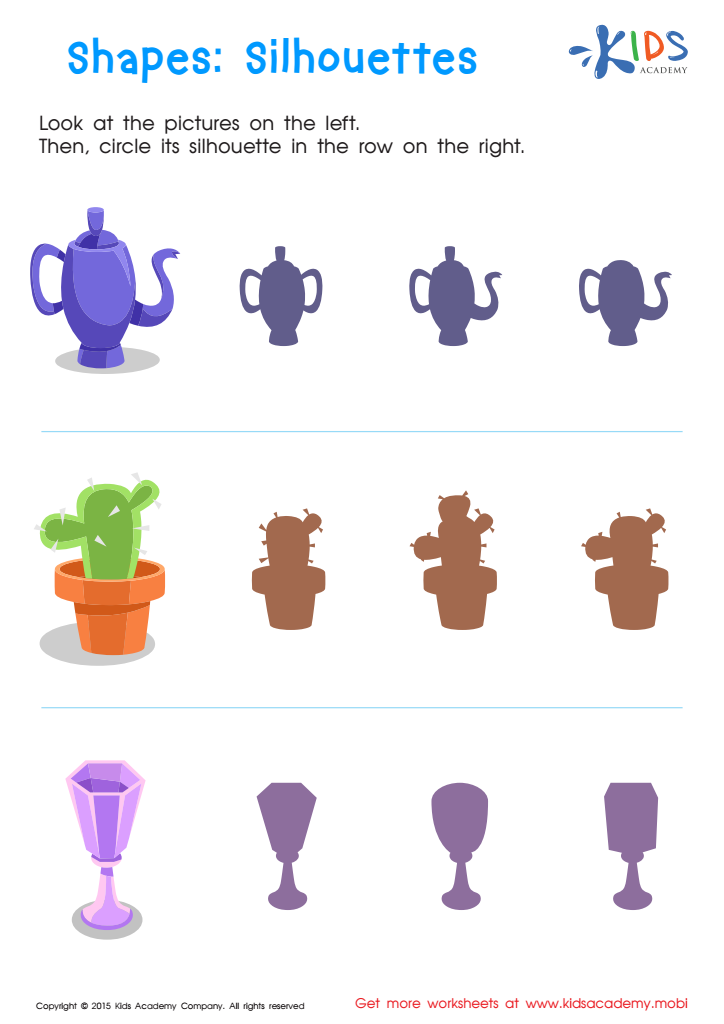
Silhouettes – Shapes Worksheet







Visual discrimination is a crucial skill for children aged 4-6, as it forms the foundation for their cognitive growth and academic success. At this age, children are developing the ability to recognize and differentiate between various shapes, colors, sizes, and patterns. Normal matching activities—such as identifying similar objects or sorting items—enhance these skills, allowing children to become more observant and detail-oriented.
Parents and teachers should care about visual discrimination because these skills are directly linked to literacy and numeracy development. For example, recognizing letters and numbers in different contexts relies on the ability to distinguish slight variations. Moreover, sharp visual discrimination aids in problem-solving and critical thinking; as children learn to analyze their environment, they are better prepared to make informed decisions.
Encouraging visual discrimination through playful activities also fosters children’s confidence and improves focus and attention spans. Implementing engaging matching games and exercises not only enhances learning but also promotes social skills as children interact with peers during group activities. In sum, supporting visual discrimination in early childhood lays the groundwork for lifelong learning, providing children with vital tools for academic and personal achievement.








