Cognitive Development Normal Building Vocabulary Worksheets for Ages 4-6
6 filtered results
-
From - To
Unlock your child's cognitive potential with our engaging vocabulary worksheets designed specifically for ages 4-6. These interactive resources help young learners build essential language skills while fostering cognitive development. Each worksheet is crafted to promote word recognition, comprehension, and critical thinking, making learning enjoyable! Activities include matching words with pictures, drawing and labeling, and simple fill-in-the-blank exercises that encourage creativity. Parents and educators can effortlessly track progress and enhance vocabulary through fun, age-appropriate tasks. Empower your child’s language journey and instill a lifelong love of learning with our thoughtfully designed vocabulary worksheets. Explore now to nurture their cognitive growth!
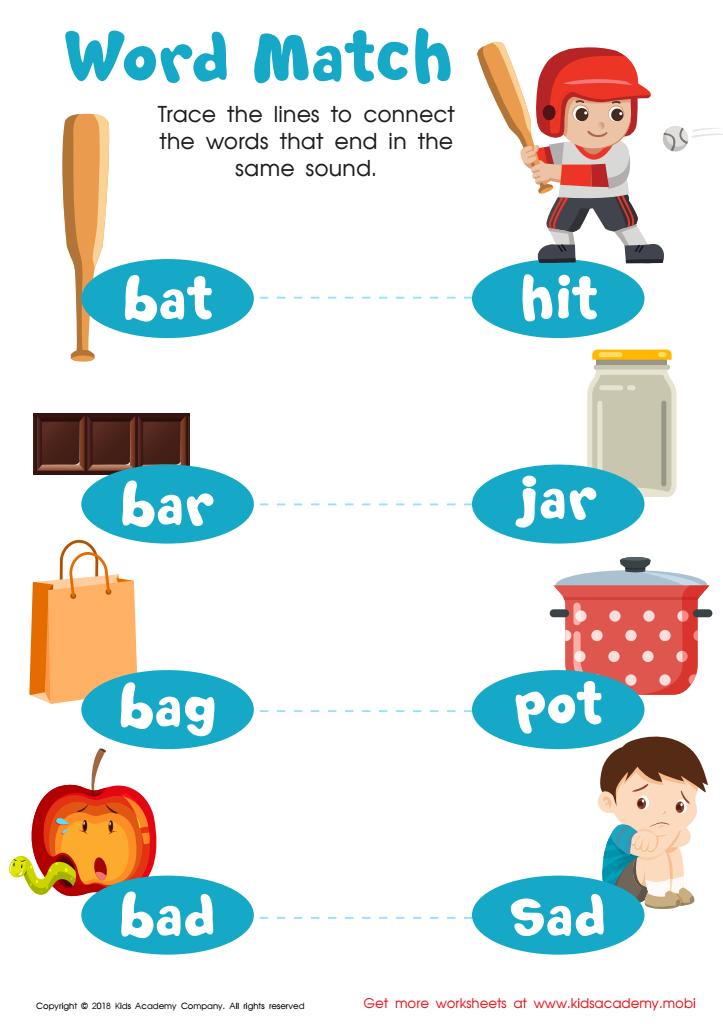
Word Match Reading Worksheet
 Assign to My Students











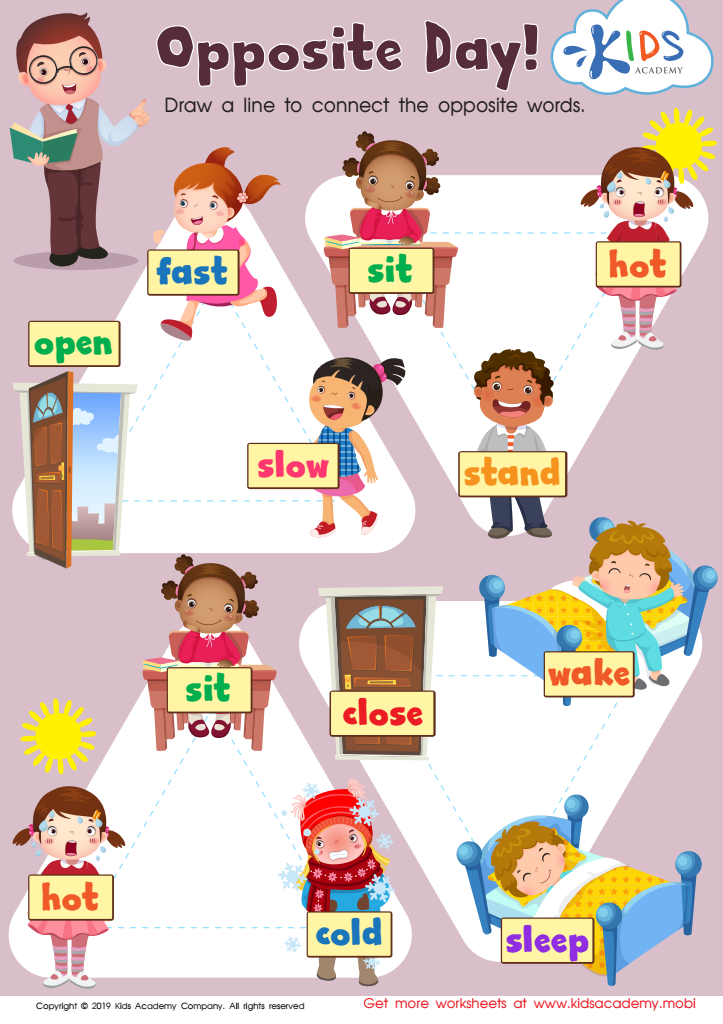
Opposite Day Worksheet
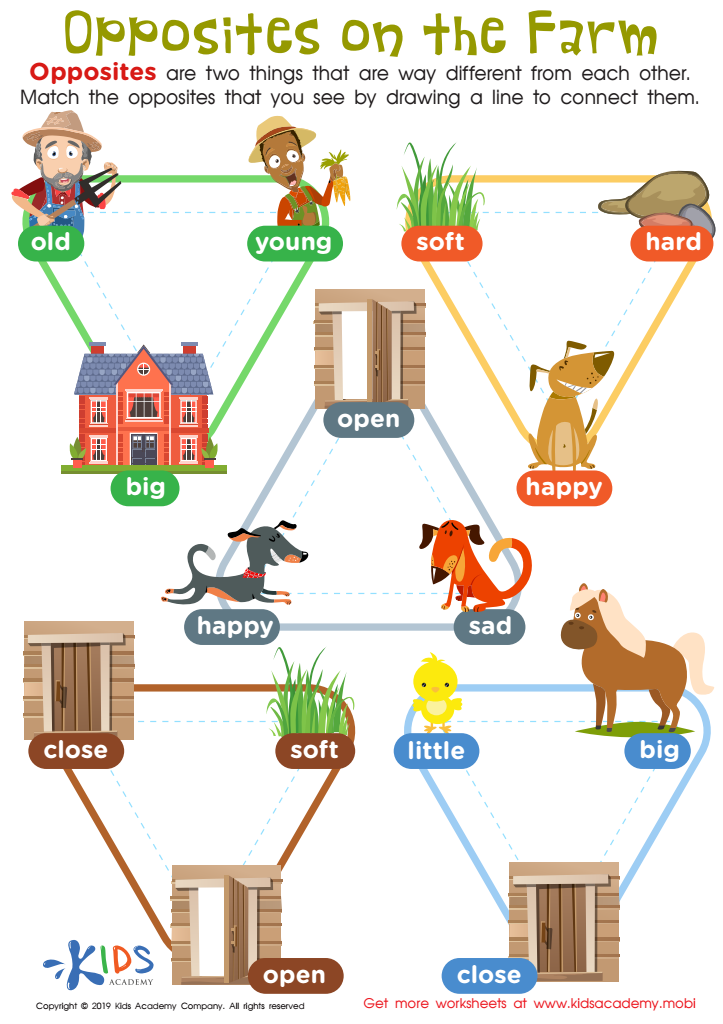
Opposites on the Farm Worksheet
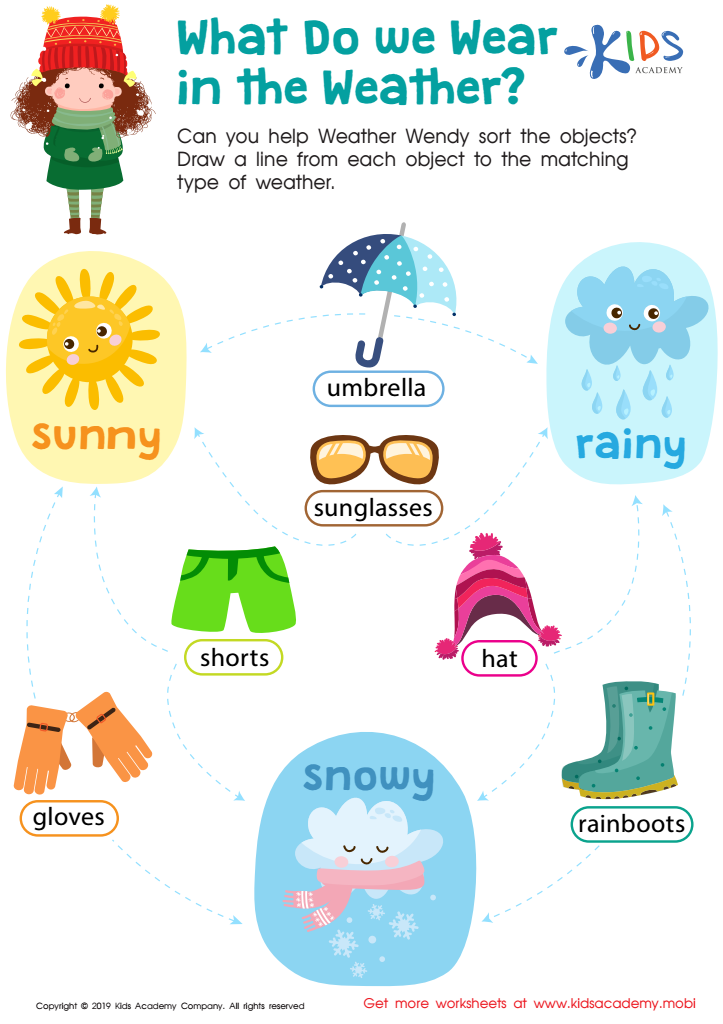
What Do We Wear in the Weather? Worksheet
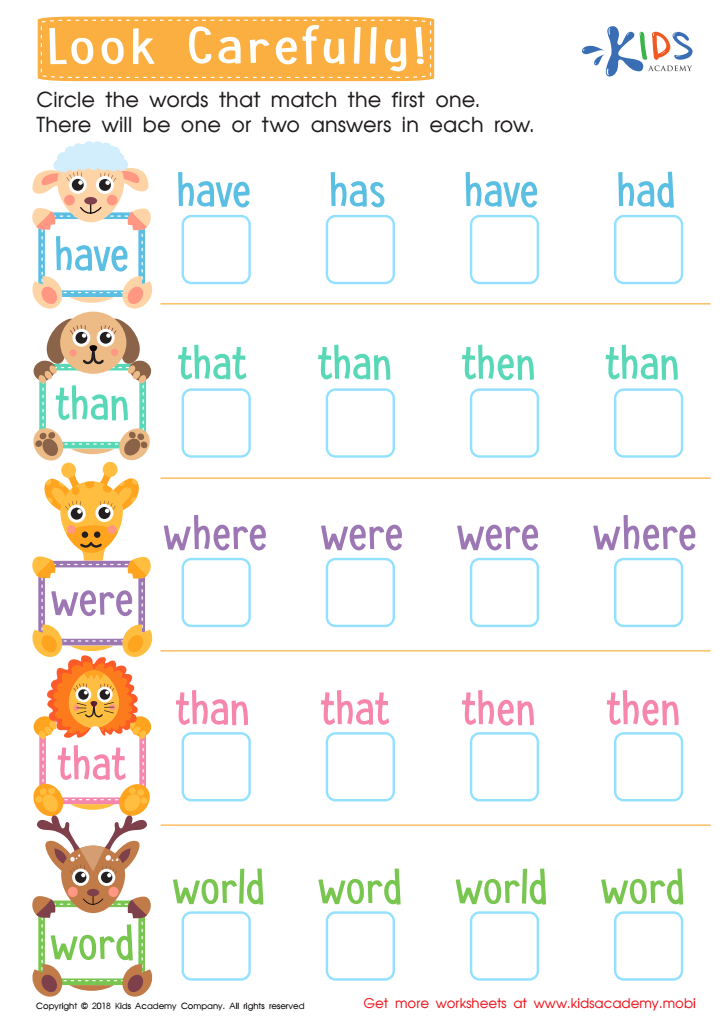
Look Carefully Worksheet
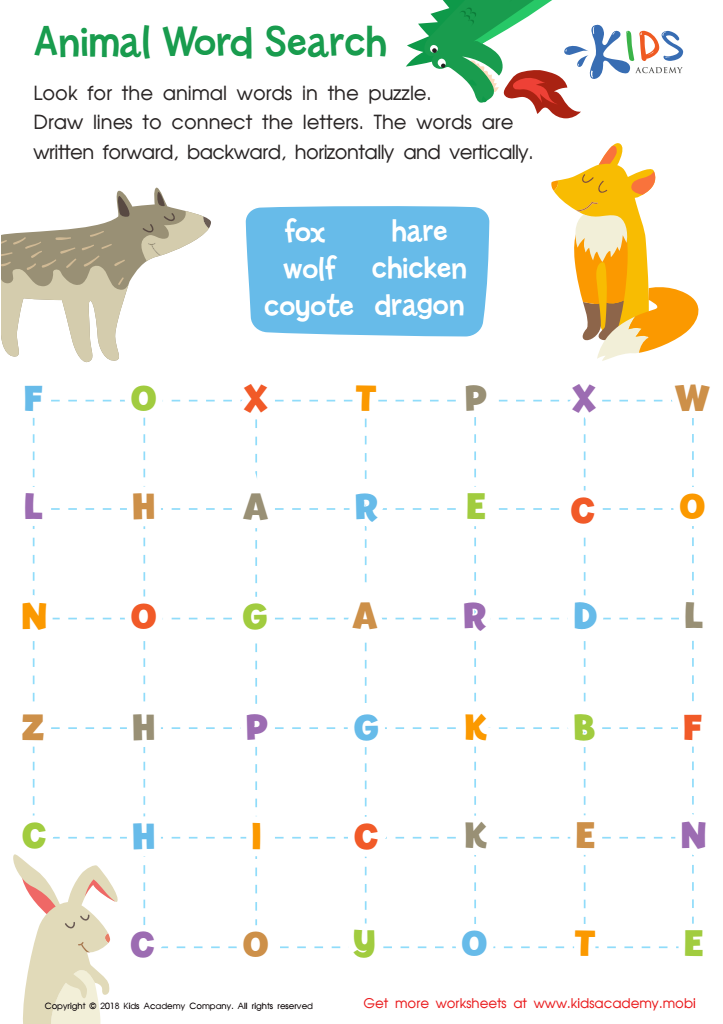
Animal Word Search Worksheet


.jpg)





Cognitive development and vocabulary building in children aged 4-6 are crucial for their overall growth and success in early education. At this stage, children are not only acquiring language skills but also developing the ability to think, reason, and understand their world. A strong vocabulary enhances their comprehension and communication abilities, laying the groundwork for literacy and academic achievement.
Parents and teachers should care about these developmental milestones because a rich vocabulary contributes to improved social interactions and self-expression. Children with strong language skills can articulate their thoughts and feelings more clearly, fostering better relationships with peers, caregivers, and educators. Additionally, vocabulary growth helps enhance critical thinking skills as children learn to categorize, compare, and solve problems.
Engaging in activities like reading aloud, storytelling, and interactive play can support vocabulary expansion and cognitive skills. Recognizing that these are foundational years, parents and educators can provide targeted support to help children thrive. By prioritizing cognitive development and vocabulary building, adults equip young learners with essential tools for navigating educational challenges and promoting lifelong learning and curiosity. In essence, nurturing these skills ensures that children are well-prepared for future academic and social success.








