
Color recognition Normal Reading Worksheets for Ages 4-6
3 filtered results
Difficulty Level
Grade
Age
-
From - To
Subject
Activity
Standards
Discover our engaging Color Recognition Normal Reading Worksheets designed for children ages 4-6. These fun, vibrant worksheets help young learners identify, learn, and differentiate between colors while enhancing their reading skills. Each activity promotes cognitive development by combining visual discrimination with text recognition, fostering early literacy in an enjoyable manner. The colorful exercises capture children's attention and make learning to read both interactive and exciting. Parents and educators will find these printable worksheets an ideal resource for at-home practice or classroom use, ensuring a solid foundation in color awareness and reading for every young child.
Favorites
With answer key
Interactive
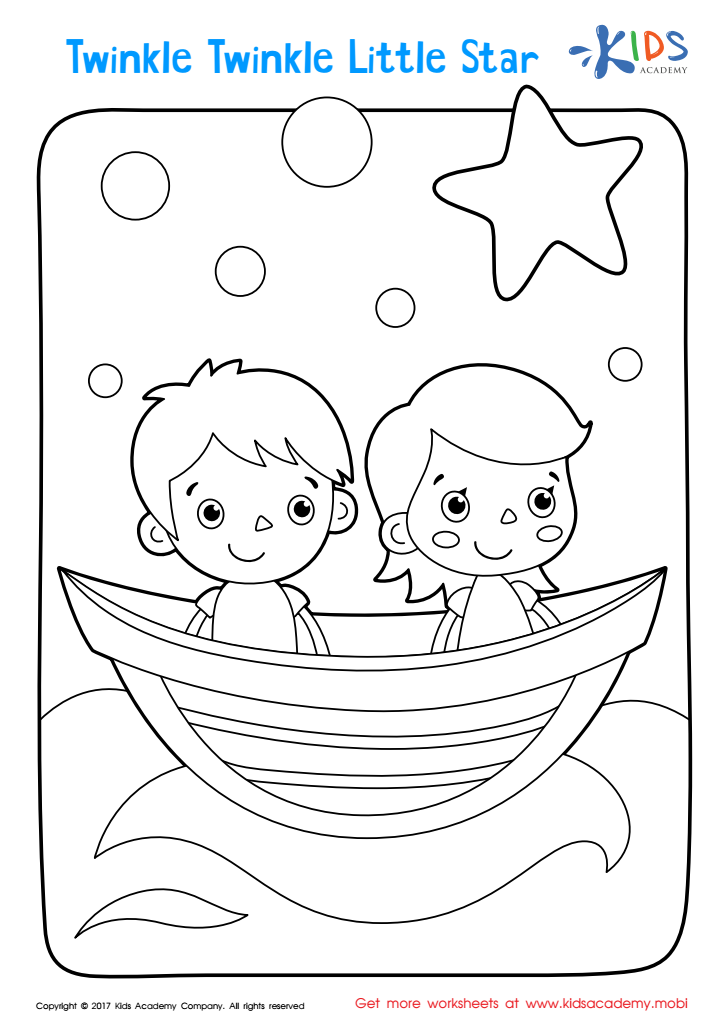
Twinkle Twinkle Little Star Coloring Page
Let your child wish upon a star as they color this scene of boy and girl stargazing. Sing Twinkle Twinkle Little Star while they choose colors to show the star twinkling in the night sky.
Download (PDF)
 Assign to My Students
Assign to My Students
Twinkle Twinkle Little Star Coloring Page
Worksheet
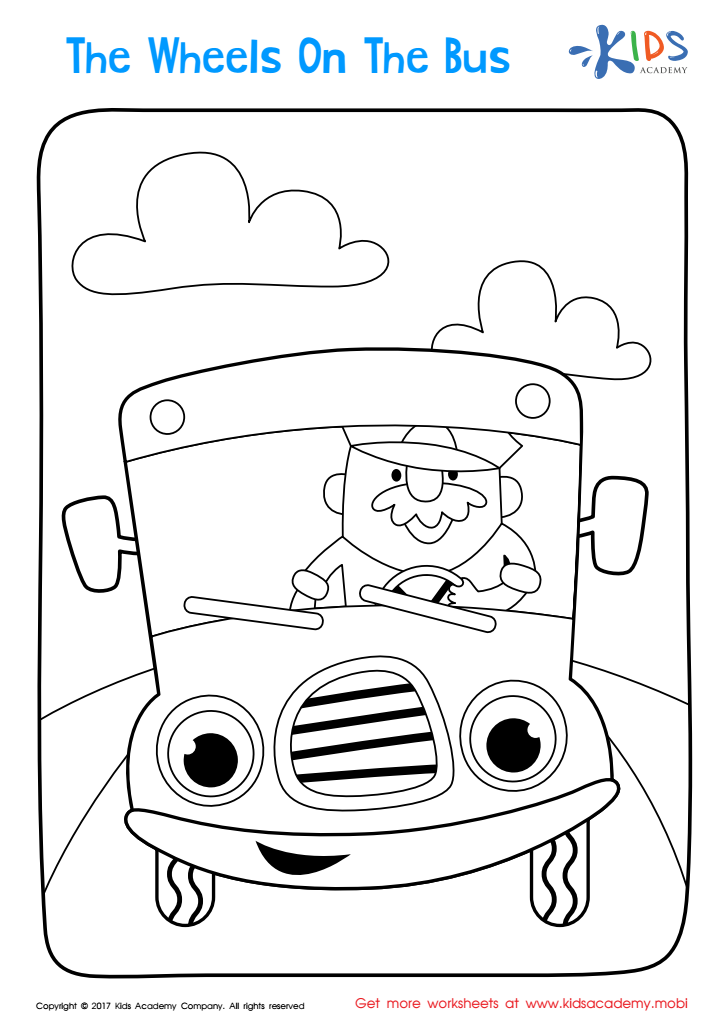
The Wheels on the Bus Coloring Page
Colour and sing with this printable Wheels on the Bus page! Let your child have fun singing the song with you as they colour. It'll make the activity even more entertaining and memorable.
Download (PDF)
Assign to My Students
Assign to My Students
The Wheels on the Bus Coloring Page
Worksheet
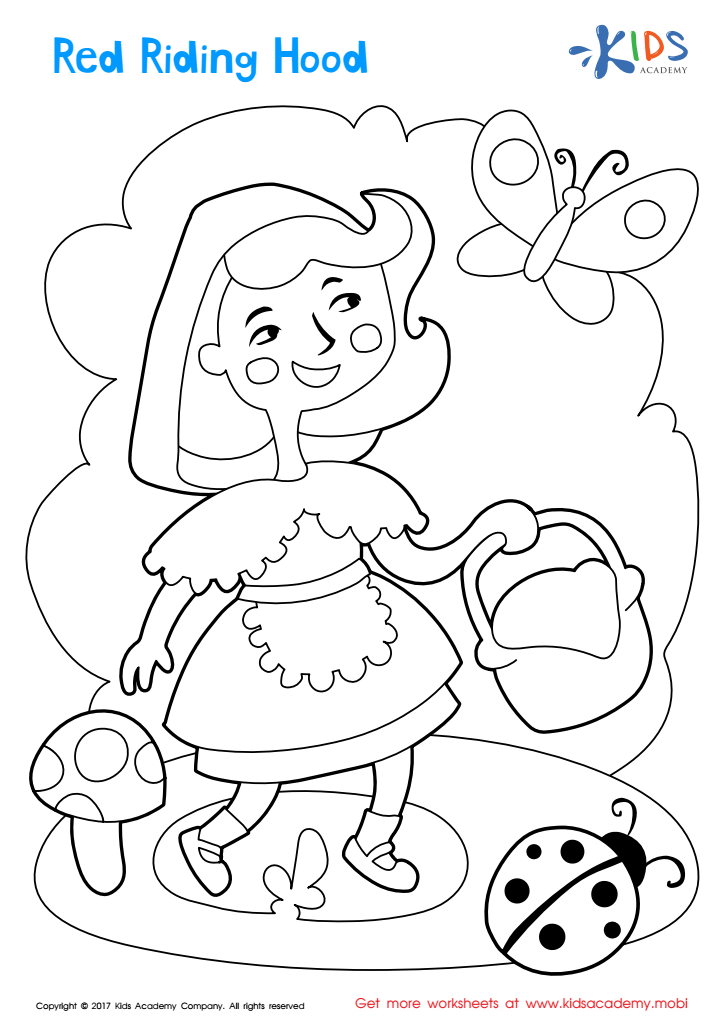
Red Riding Hood Coloring Page
Red Riding Hood awaits in the woods, with a butterfly, mushroom, and ladybug around her. Let your child bring the story to life with this magical printable coloring page. Fairytale fun for all!
Download (PDF)
Assign to My Students
Assign to My Students
Red Riding Hood Coloring Page
Worksheet
Join Kids Academy for Free
Who is primarily going to use this learning content?







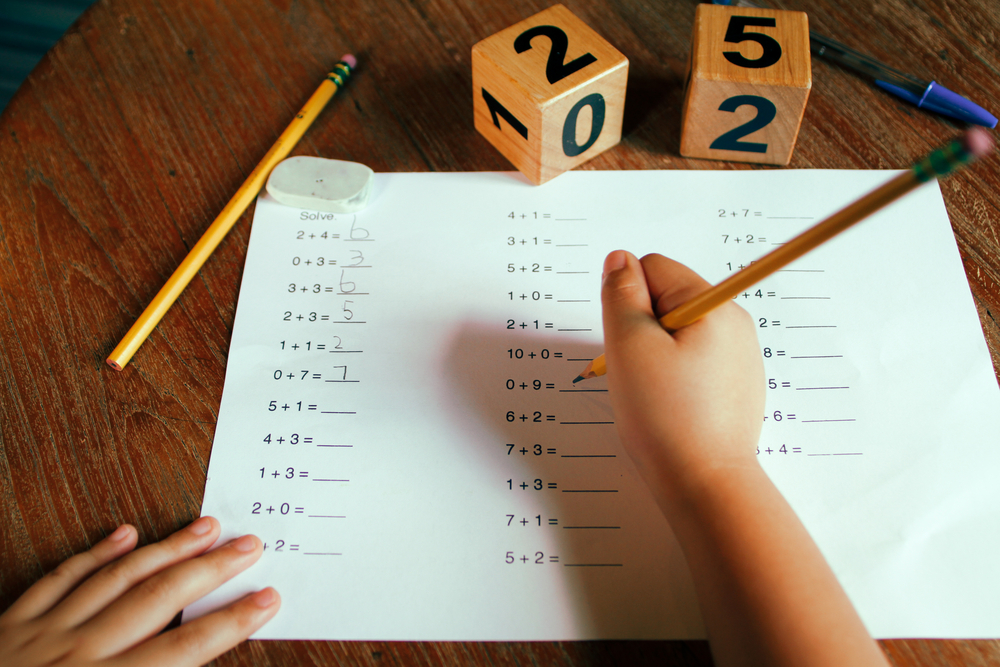
Color recognition and normal reading development for children aged 4-6 lay the groundwork for crucial cognitive and academic skills. Parents and teachers should prioritize these areas because they are foundational to a child's overall learning journey.
Color recognition enhances visual and cognitive development. By identifying and differentiating colors, children sharpen their observation skills, which in turn bolsters their problem-solving abilities and attention to detail. Cognitive tasks such as sorting, pattern recognition, and classification are heavily reliant on color awareness, which plays a significant role in early math and science concepts.
In parallel, fostering normal reading development is vital for comprehensive literacy. During ages 4-6, children transition from recognizing letters and sounds to forming words and simple sentences. This period, often referred to as the "emergent literacy" stage, is critical for developing phonemic awareness, vocabulary, and comprehension skills. Regular exposure to reading enriches children's language development and enhances their ability to communicate effectively.
A strong grasp of color and reading not only prepares children for academic success but also helps in their social development. With better comprehension and expressive abilities, children can navigate social interactions more effectively, leading to improved self-esteem and confidence.
Prioritizing these elements empowers children with foundational skills essential for future learning, underscores the importance of early childhood education, and ultimately nurtures well-rounded individuals.








