Fine Motor Skills Normal Reading Worksheets for Ages 4-6
12 filtered results
-
From - To
Boost your child’s reading journey with our "Fine Motor Skills Normal Reading Worksheets for Ages 4-6." Thoughtfully designed to enhance both fine motor and early reading skills, these worksheets combine engaging activities with valuable learning. They support young learners in developing letter recognition, pencil control, and hand-eye coordination, essential for writing and reading. Our carefully crafted exercises ensure that children stay motivated and excited, setting a strong foundation for academic success. Ideal for home and classroom use, these resources help children learn through play while achieving important developmental milestones efficiently. Transform reading practice into a captivating adventure!
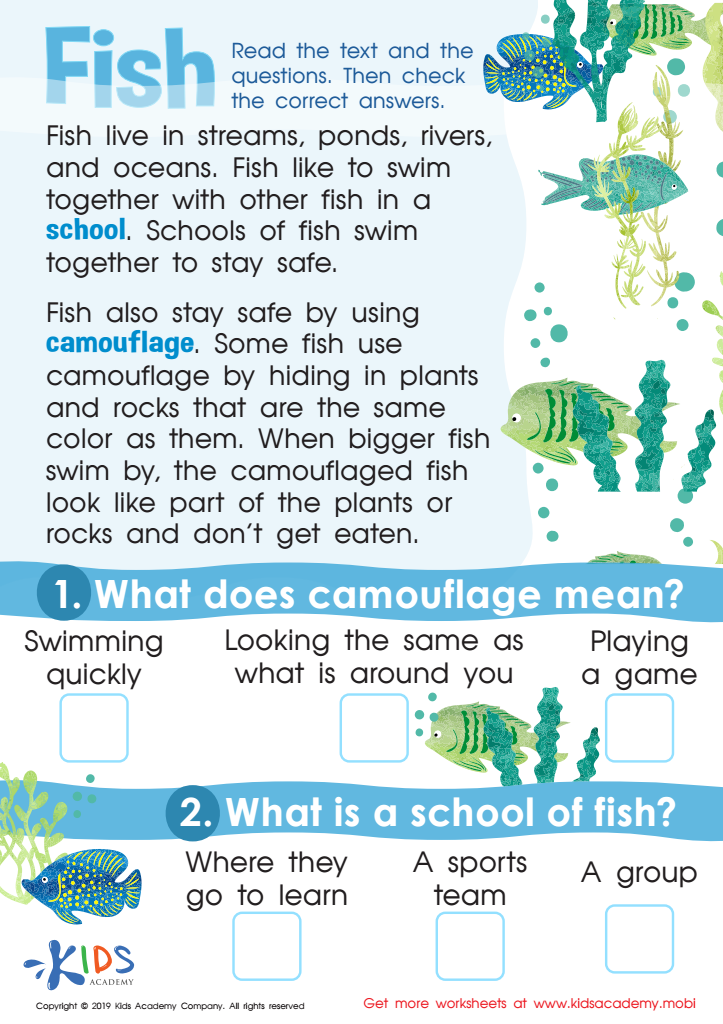
Fish Worksheet

Twinkle Twinkle Little Star Coloring Page
 Assign to My Students
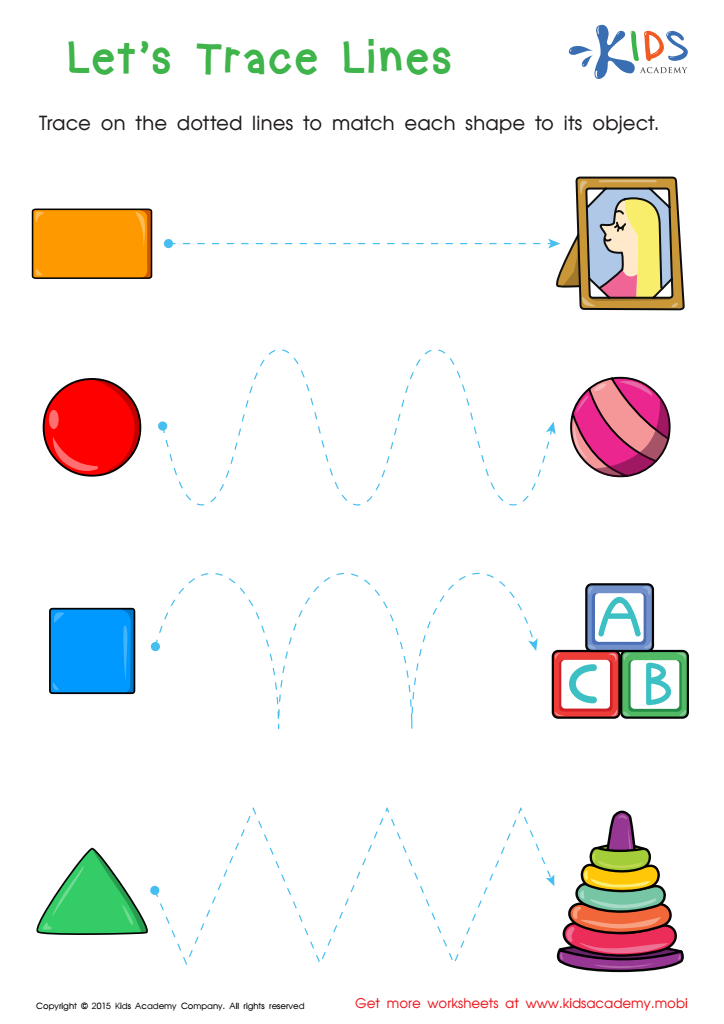
First Words: Let's Trace Lines Worksheet

Long and Short U Worksheet
Assign to My Students
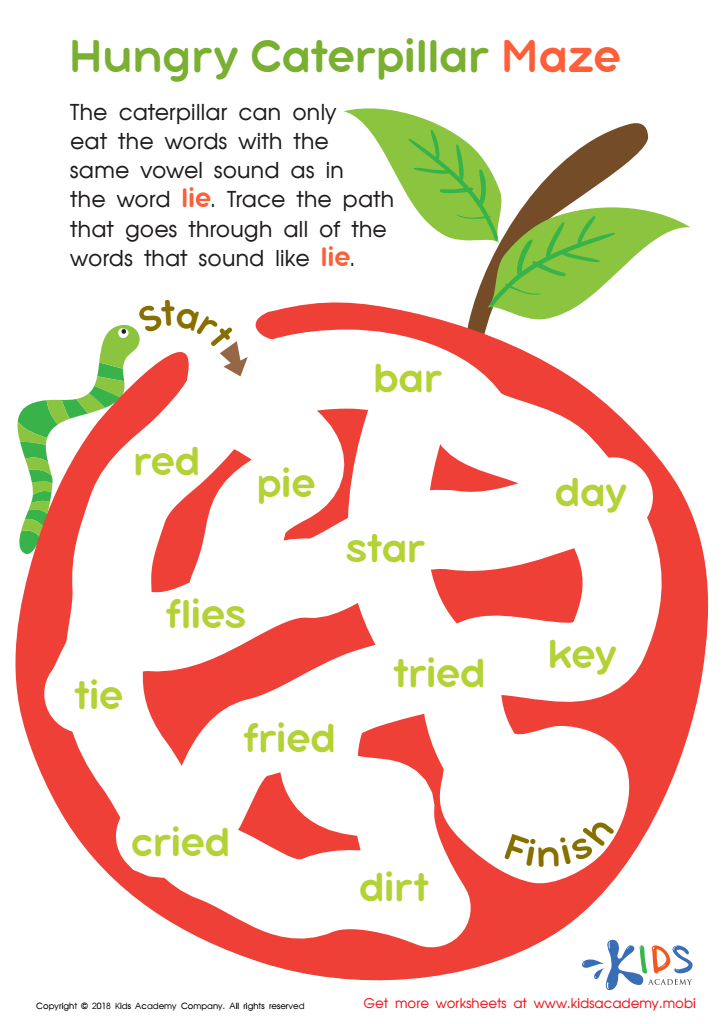
Hungry Caterpillar Maze Worksheet
The Wheels on the Bus Coloring Page
Assign to My Students
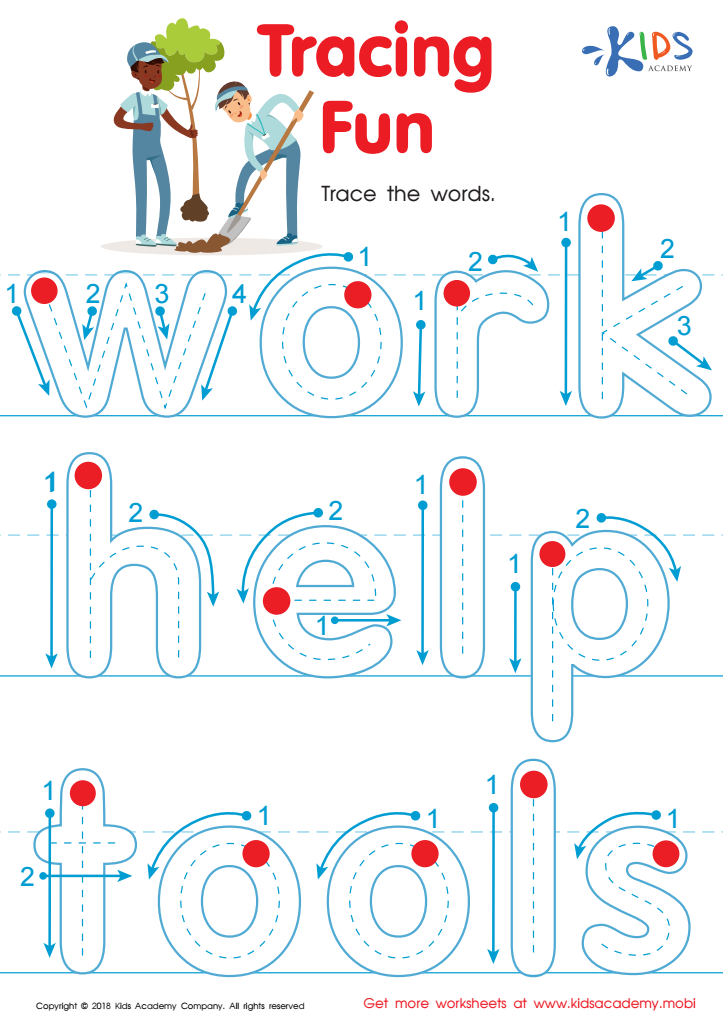
Tracing Fun Worksheet

Red Riding Hood Coloring Page
Assign to My Students
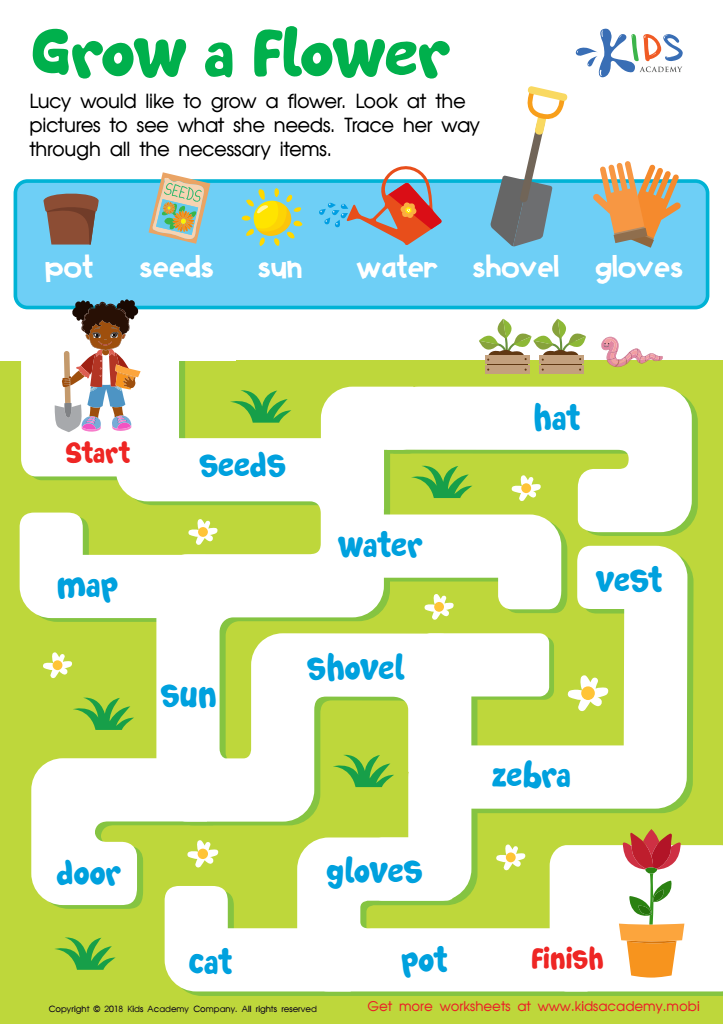
Grow a Flower Worksheet
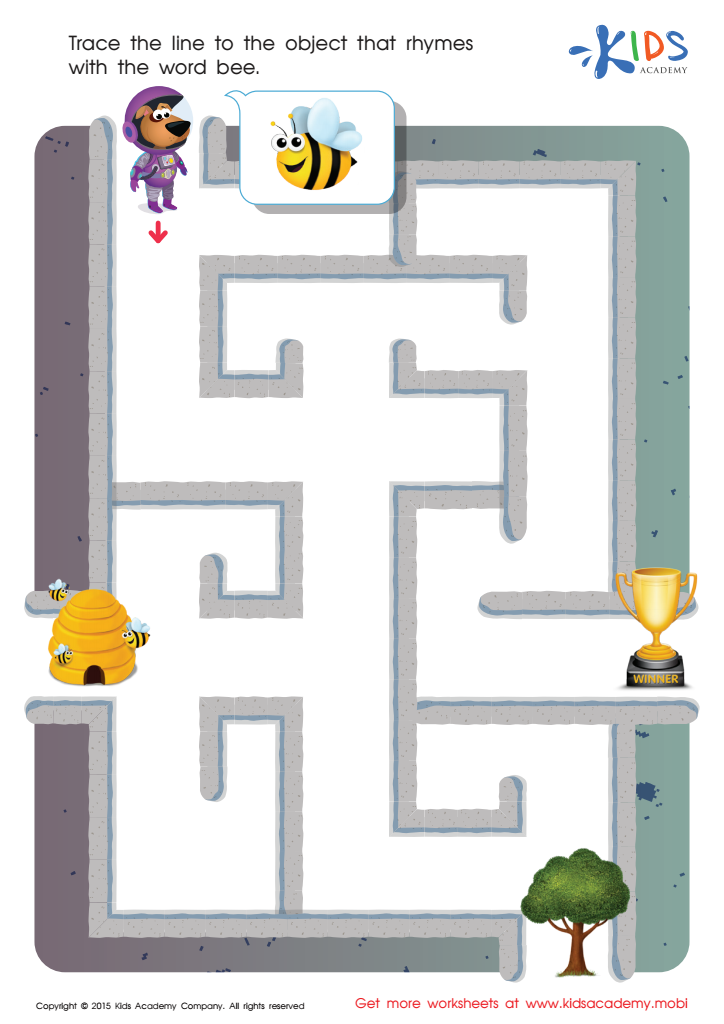
Bee Rhyming Words Worksheet
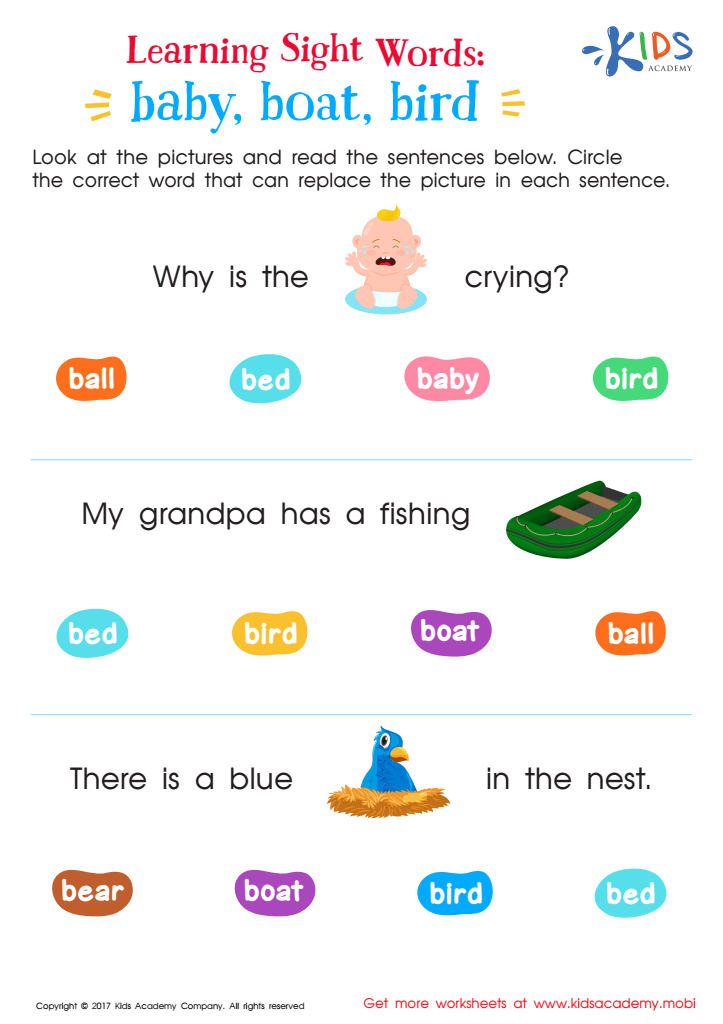
Baby, Boat, Bird Worksheet Sight Words Worksheet
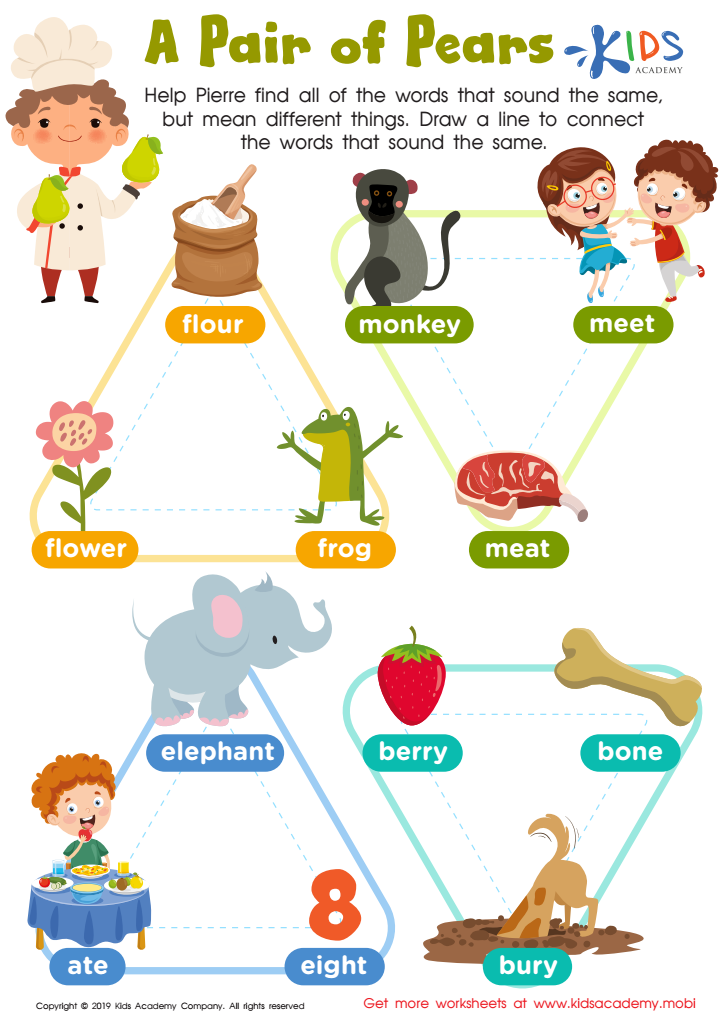
Pair Pears Worksheet






Fine motor skills and normal reading development for children aged 4-6 are foundational for their academic and personal growth. Parents and teachers should care about these areas because they have a broad impact on a child's overall development.
Fine motor skills involve the coordination of small muscles, particularly in the hands and fingers, with the eyes. These skills are crucial for activities such as writing, buttoning clothes, and using scissors. When children develop fine motor skills, they gain independence and confidence in handling everyday tasks, directly impacting their self-esteem and readiness for school.
Normal reading development is equally vital. At this age, children typically begin to recognize letters, understand sounds, and read simple words. Proficient early reading skills set the stage for future academic success by enhancing vocabulary, comprehension, and critical thinking abilities. Children who are read to and encouraged to read show better language development and are more likely to be enthusiastic learners.
Together, fine motor and reading skills contribute significantly to a child's educational experience. Fostering these skills early on ensures that children are better prepared for the structured learning environment of school and helps them thrive academically, socially, and emotionally. Therefore, parents and teachers should prioritize activities that promote fine motor development and reading proficiency.








