Enhancing categorization skills Normal Science Worksheets for Ages 4-6
3 filtered results
-
From - To
Boost your child's learning potential with our "Enhancing Categorization Skills Normal Science Worksheets for Ages 4-6." Designed to cultivate young minds, these printable worksheets focus on essential categorization skills, a foundational aspect of early science education. Interactive and engaging, these activities help children differentiate and classify various objects and concepts, fostering critical thinking and cognitive development. Perfect for both classroom and at-home learning, our worksheets make mastering categorization fun and accessible. Give your 4-6 year-old the tools they need to succeed today with our expertly crafted science worksheets! Download now and watch your child's skills soar.
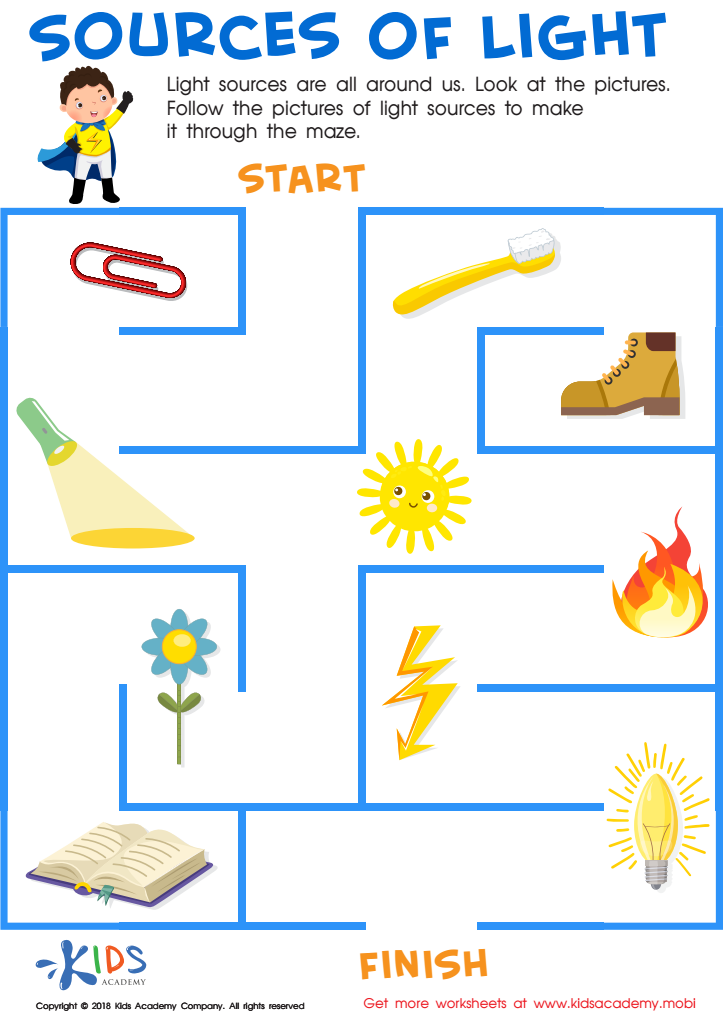
Sources of Light Worksheet
 Assign to My Students
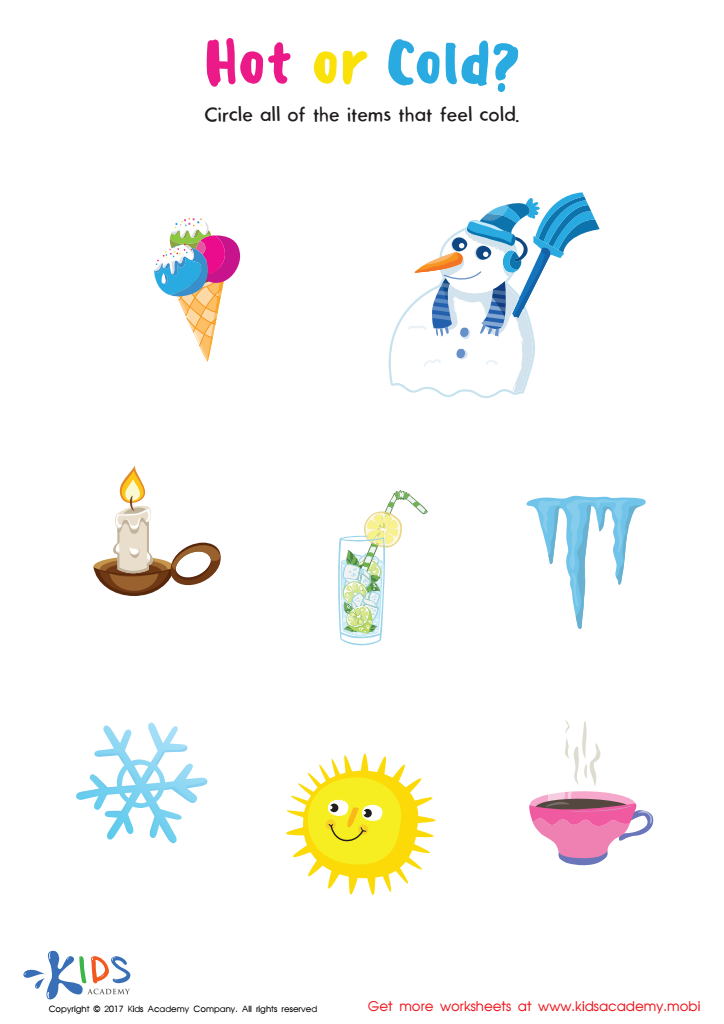
Hot or Cold Printable
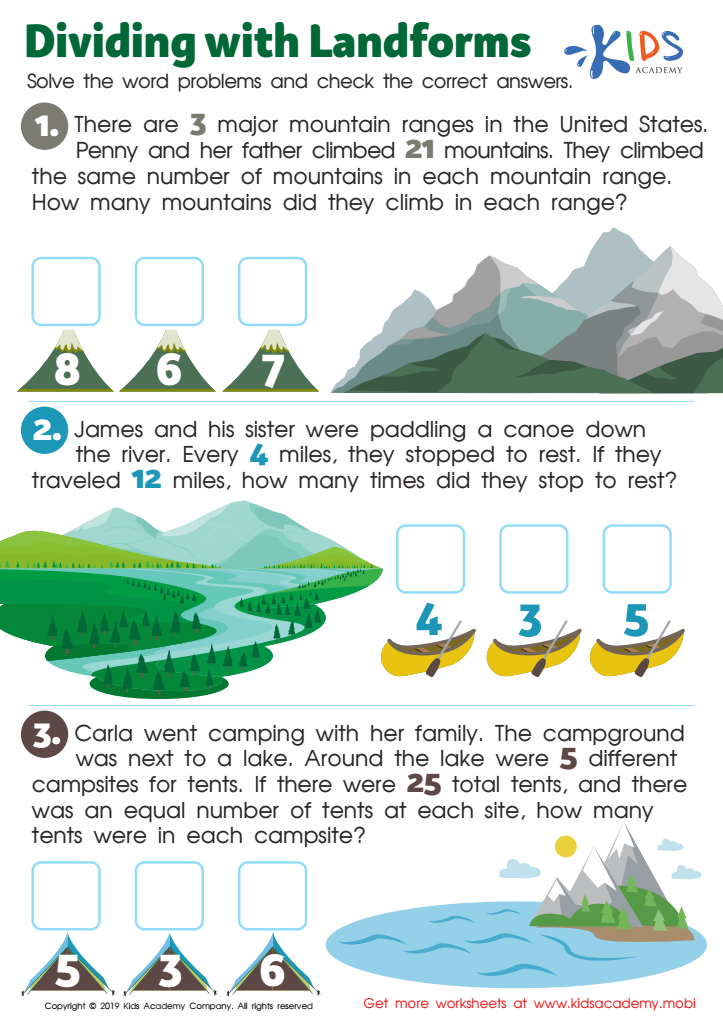
Dividing with Landforms





Enhancing categorization skills in children aged 4-6 is crucial for their cognitive and linguistic development, and parents and teachers play a vital role in this process. At this stage, children are naturally curious and absorb information rapidly. Categorization helps them make sense of the world by grouping related items, ideas, or experiences, which is fundamental to their learning processes.
Firstly, categorization nurtures critical thinking by allowing children to recognize patterns and relationships between objects and ideas. This foundational skill is pivotal in all areas of learning, including literacy, math, and science. For example, understanding that cats and dogs are both animals helps in grasping broader concepts in biology and ecology.
Secondly, categorization aids vocabulary development. When children group words and objects, they learn new terms and solidify their understanding of existing ones. This expansion and organization of vocabulary enhance both comprehension and communication skills.
Moreover, good categorization skills underlie problem-solving abilities. Children learn to approach tasks methodically, which is a lifelong skill essential for academic success and daily life.
Finally, supporting the enhancement of these skills fosters independence and confidence. As children become adept at sorting and organizing information, they gain a sense of control over their environment and take pride in their accomplishments.
Thus, prioritizing categorization skills during early childhood forms a robust foundation for future educational achievement and personal growth.







