Enhancing observational skills Normal Science Worksheets for Ages 4-6
3 filtered results
-
From - To
Enhance your child's observational skills with our engaging Normal Science Worksheets, designed specifically for ages 4-6. These worksheets offer fun and interactive activities that encourage young learners to observe their surroundings, identify patterns, and draw meaningful connections. Each worksheet focuses on essential scientific concepts while fostering critical thinking and curiosity. Perfect for home or classroom use, our resources support Early Childhood Education by promoting active exploration and hands-on learning. Empower your child to become an attentive observer of the world around them, setting a strong foundation for future academic success in science and beyond. Start your observational journey today!
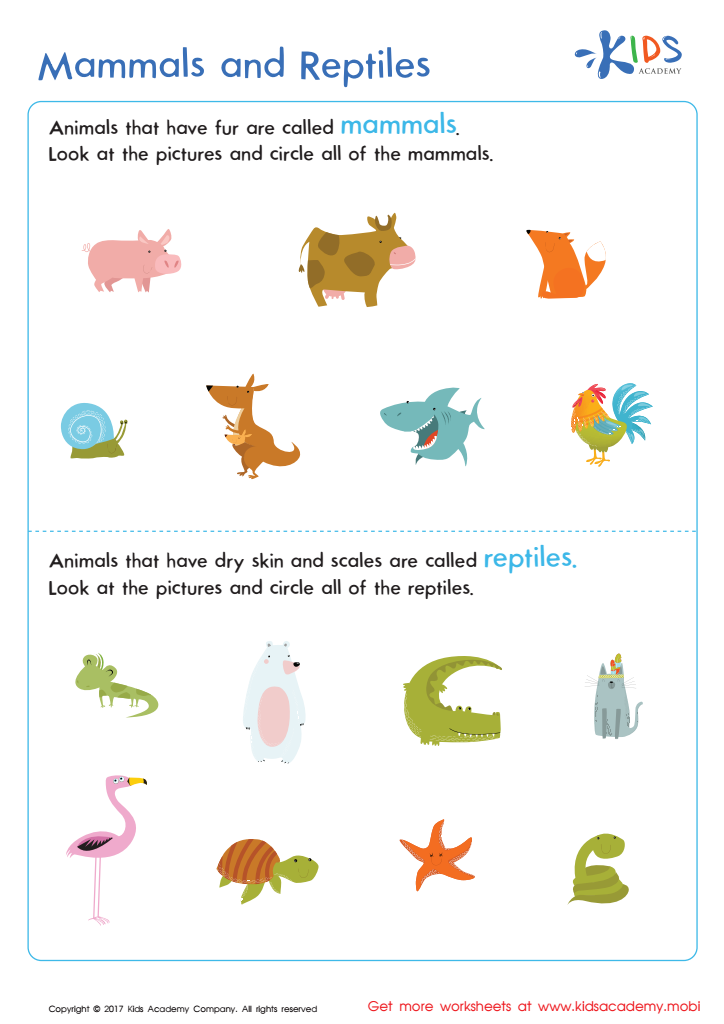
Mammals and Reptiles Worksheet
 Assign to My Students
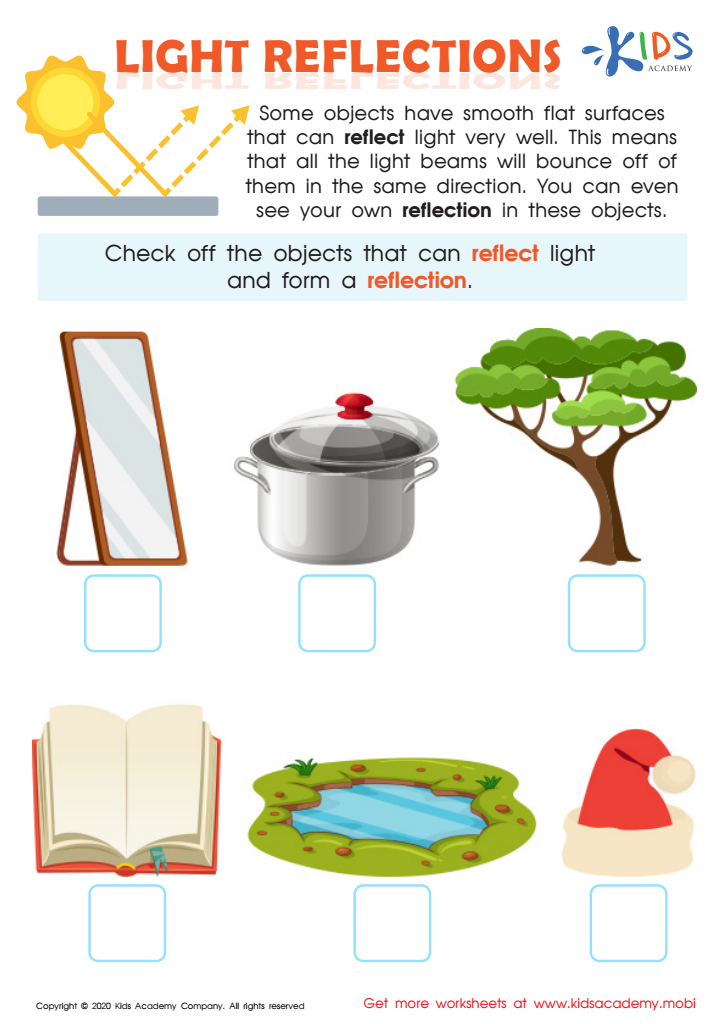
Light Reflections Worksheet
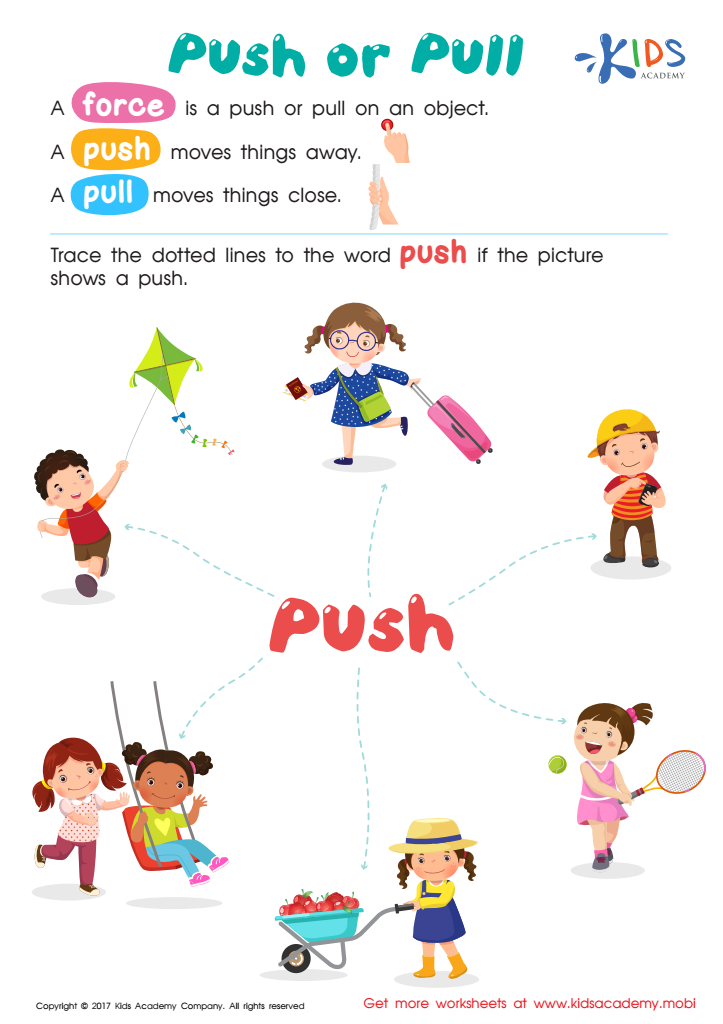
Push or Pull Worksheet








Enhancing observational skills in early childhood, particularly through the Norman Science approach, is crucial for parents and teachers. During ages 4-6, children are naturally curious, and this curiosity can be harnessed to lay a foundation for scientific thinking. Improved observational skills allow children to notice details in their environment, fostering critical thinking and logical reasoning. By encouraging them to ask questions and explore their surroundings actively, adults help nurture a lifelong love for learning.
Observational skills also contribute to various developmental domains, including cognitive, social, and emotional growth. As children observe and describe what they see, they enhance their vocabulary and communication skills, demonstrating their understanding of the world. This practice promotes imagination and creativity as they interpret and explain their observations, laying the groundwork for problem-solving abilities.
Furthermore, in an increasingly complex world, strong observational competencies prepare children for later academic success and informed decision-making. By ensuring focus on this skill set, parents and teachers play a pivotal role in equipping young learners with the tools necessary for understanding and interacting with their world, promoting not only academic proficiency but also cultivating responsible and thoughtful citizens.







