Enhancing vocabulary Normal Science Worksheets for Ages 4-6
4 filtered results
-
From - To
Explore our "Enhancing Vocabulary Normal Science Worksheets" tailored for children aged 4-6! These engaging worksheets are designed to introduce young learners to important scientific concepts through fun activities that promote vocabulary development. By using age-appropriate themes and illustrations, our resources aid in enriching children's language skills while fostering a love for science. Activities include matching terms, categorizing items, and descriptive exercises that encourage observation and expression. Perfect for home or classroom use, these worksheets support developing literacy alongside budding scientific curiosity. Equip your little ones with the vocabulary they need to explore the wonders of the world around them!
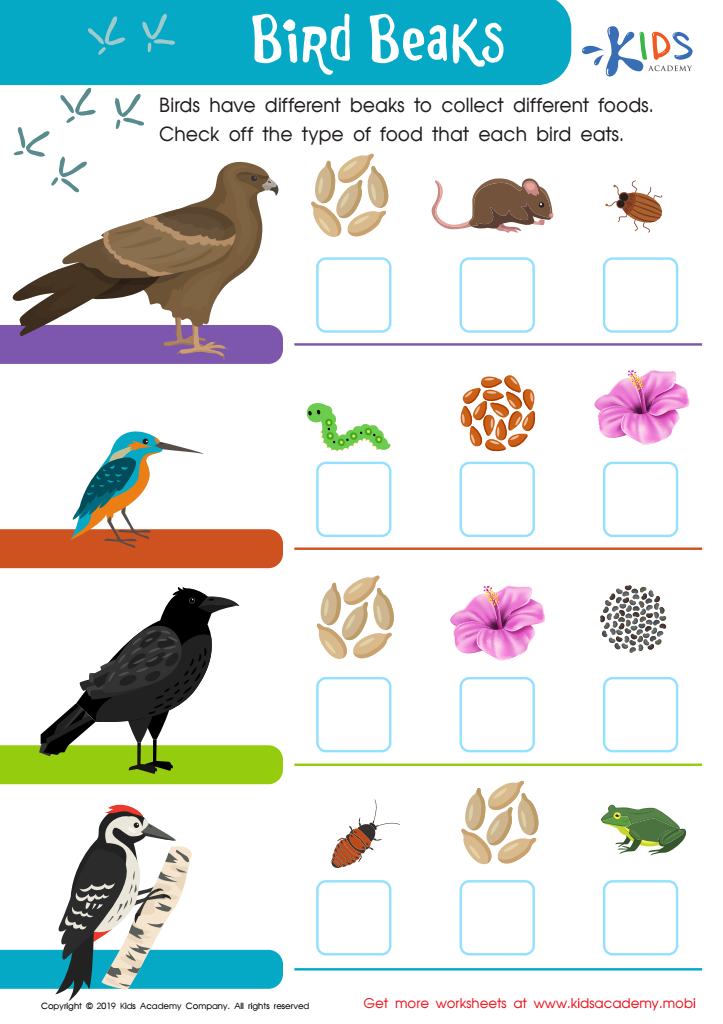
Bird Beaks Worksheet
 Assign to My Students
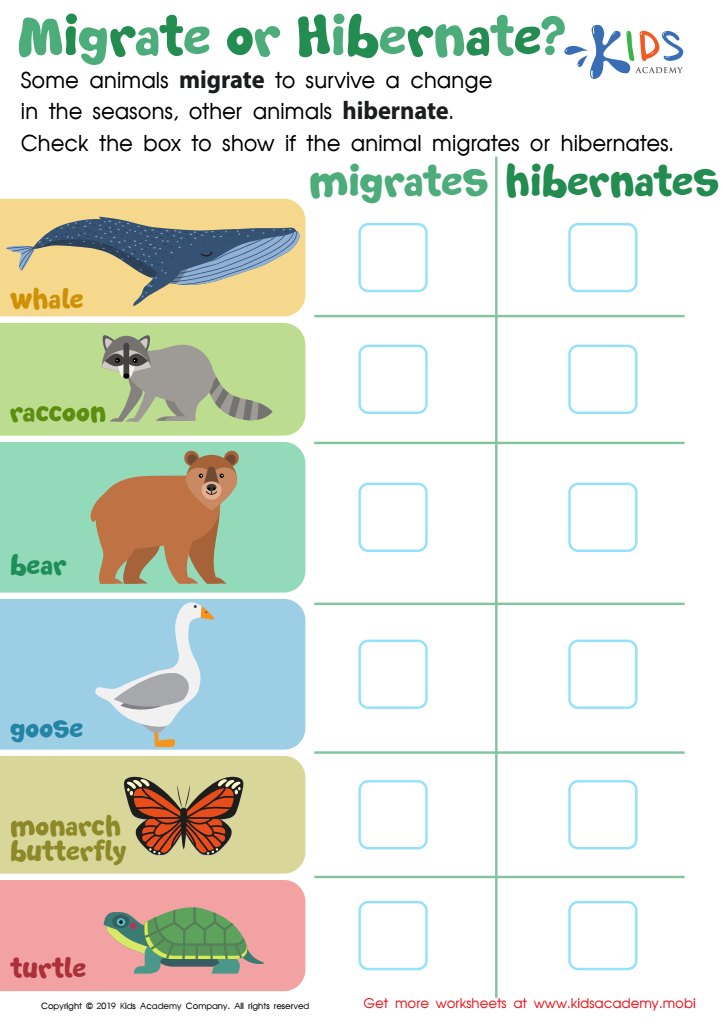
Migrate or Hibernate? Worksheet
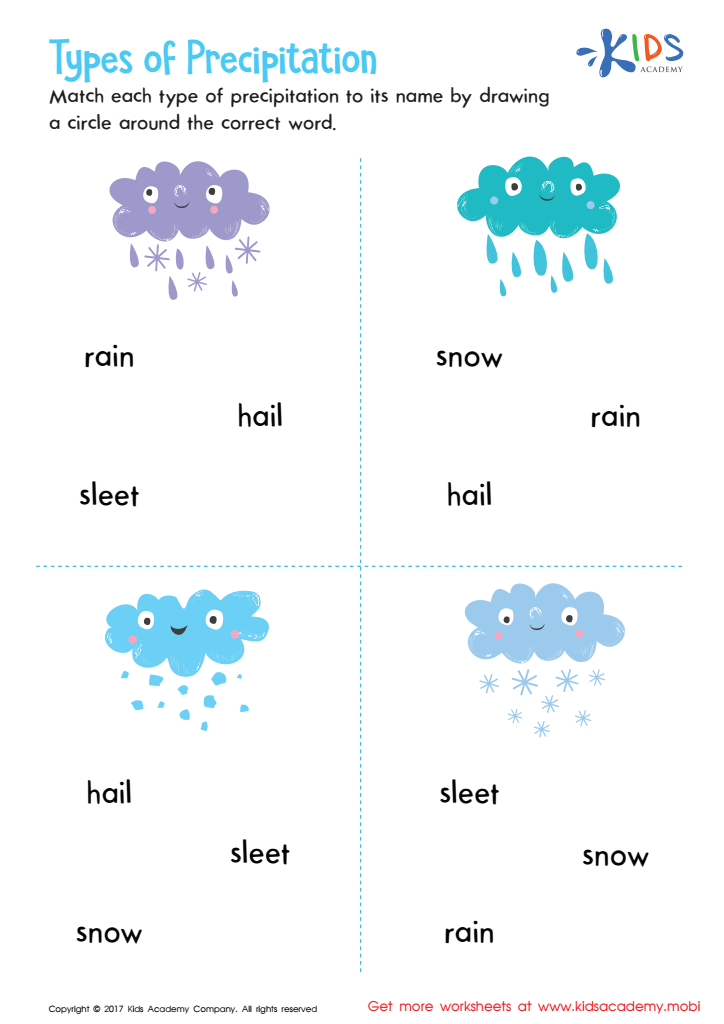
Types of Precipitation Printable
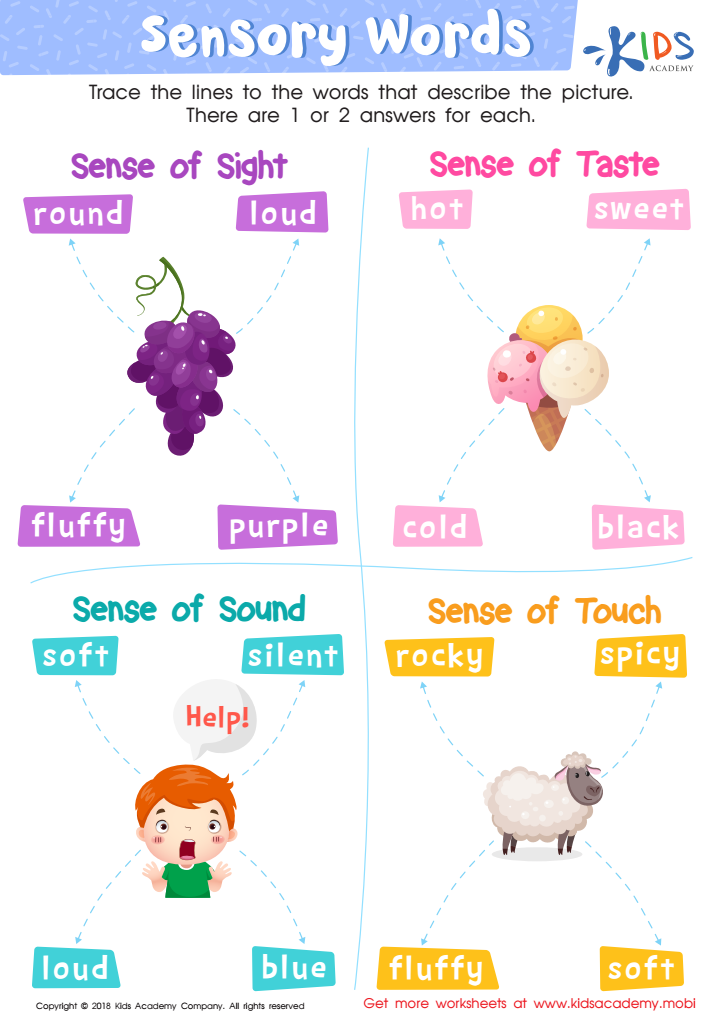
Sensory Words Worksheet



.jpg)




Enhancing vocabulary in early science education for children aged 4-6 is critical for several reasons. At this developmental stage, children are naturally curious and eager to explore the world around them. When parents and teachers prioritize scientific vocabulary, they lay the foundation for effective communication, comprehension, and critical thinking skills.
A rich vocabulary allows young learners to articulate their thoughts, ask questions, and engage in discussions about scientific concepts, fostering a deeper understanding of topics like animals, plants, weather, and basic physical principles. By incorporating vocabulary related to normal science, such as “habitat,” “experiment,” “observe,” and “change,” educators not only boost language skills but also promote inquiry and exploration.
Furthermore, a strong vocabulary enhances literacy skills and boosts confidence. Children who can express their understanding of scientific concepts are more likely to engage in and enjoy STEM activities. This early exposure to science vocabulary can spark lasting interests in science and promote positive attitudes towards learning, setting the stage for academic success. Overall, emphasizing vocabulary in science education equips young learners with the tools they need for future exploration and understanding of the complex world around them.







