Vocabulary Building Normal Science Worksheets for Ages 4-6
11 filtered results
-
From - To
Enhance your child's learning journey with our Vocabulary Building Normal Science Worksheets for ages 4-6! These engaging worksheets are designed to help young learners develop their science-related vocabulary while exploring exciting topics. Each worksheet incorporates fun activities that promote critical thinking and strengthen language skills, making learning enjoyable and effective. Ideal for both at-home learning and classroom use, our resources support early literacy in a delightful way. Encourage curiosity and foster a love for science as your little ones connect new words with their visual representations. Get started today and watch your child's vocabulary flourish while they discover the wonders of science!
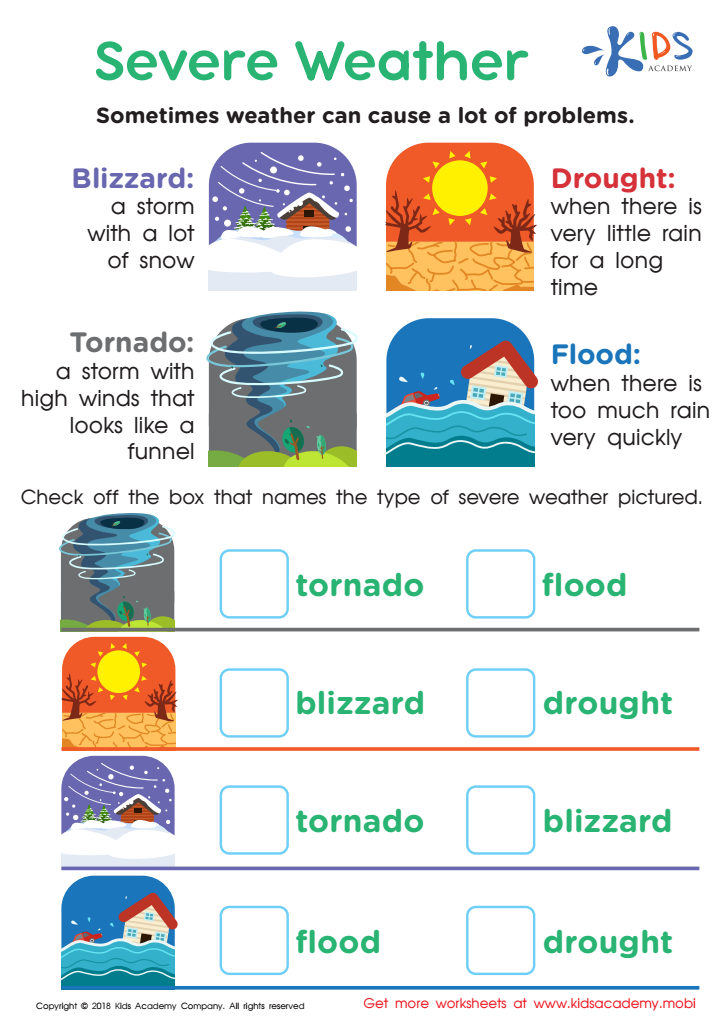
Severe Weather Worksheet
 Assign to My Students
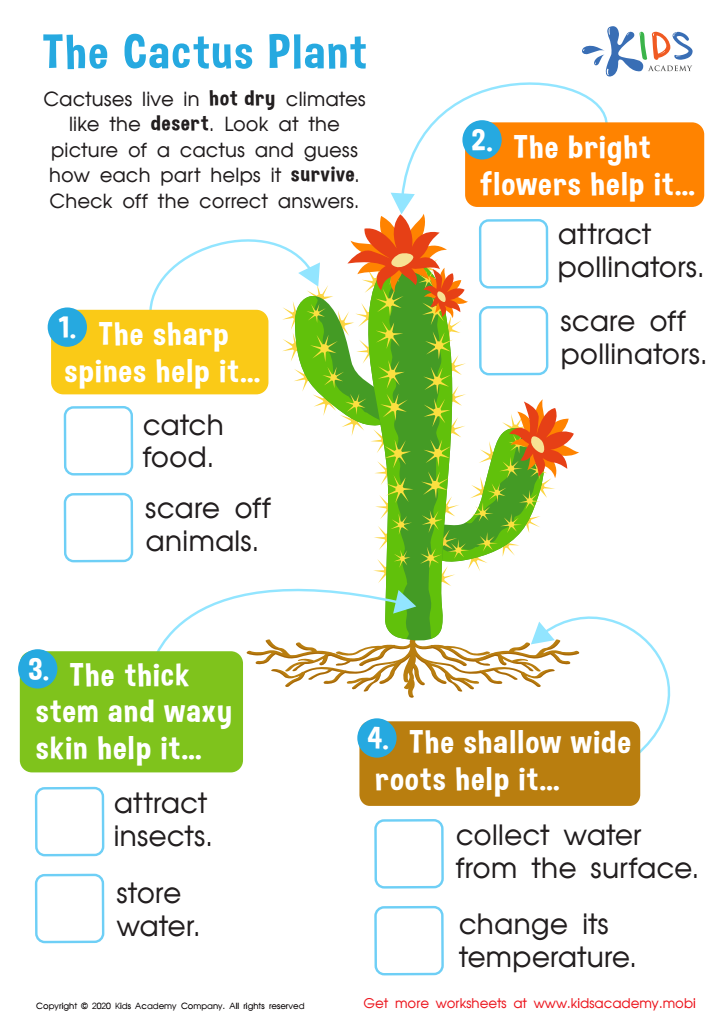
The Cactus Plant Worksheet
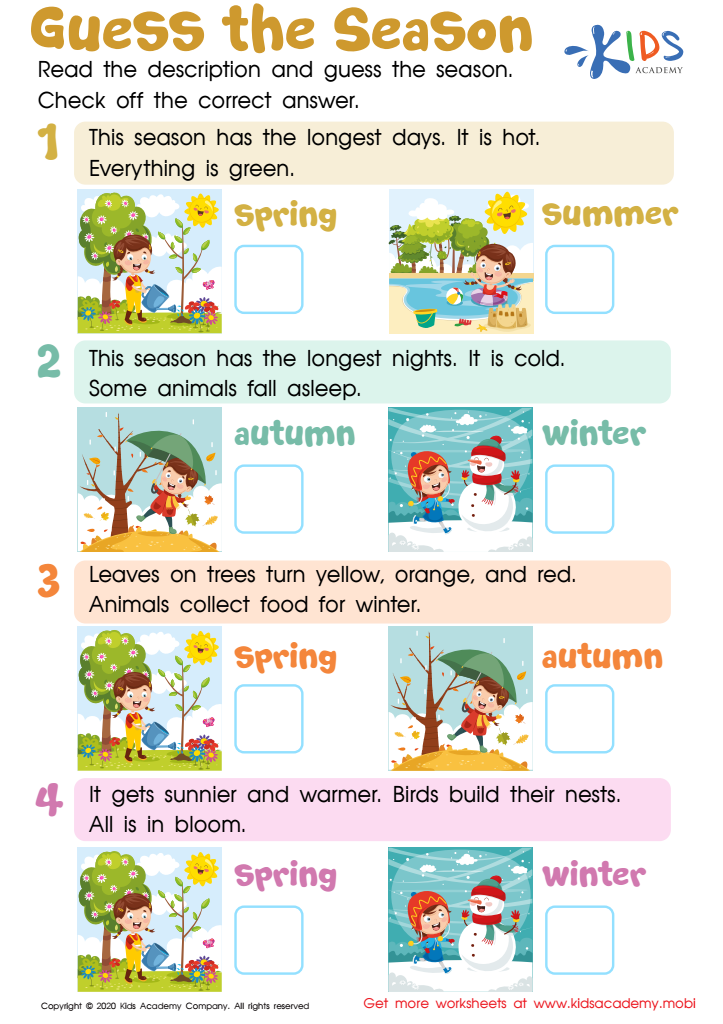
Guess the Season Worksheet
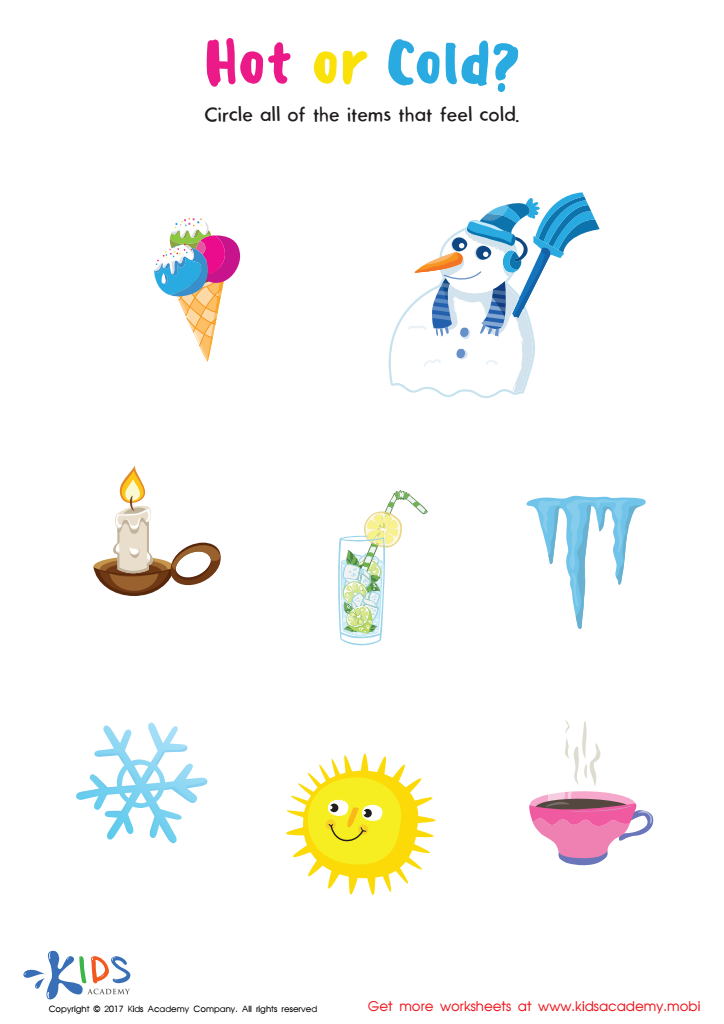
Hot or Cold Printable
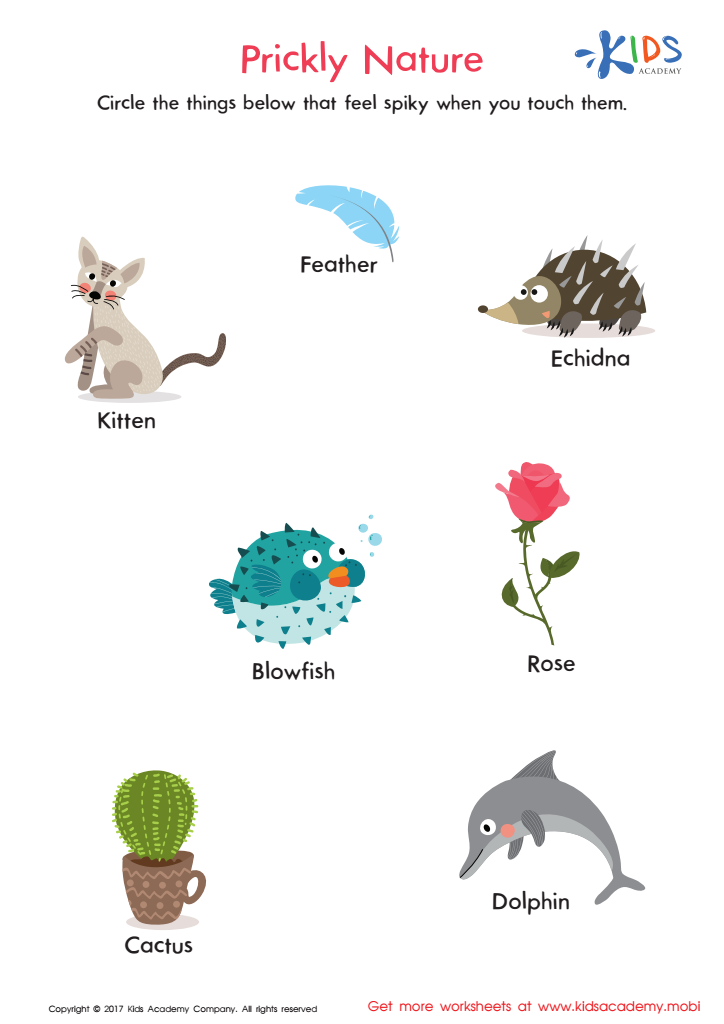
Prickly Nature Worksheet
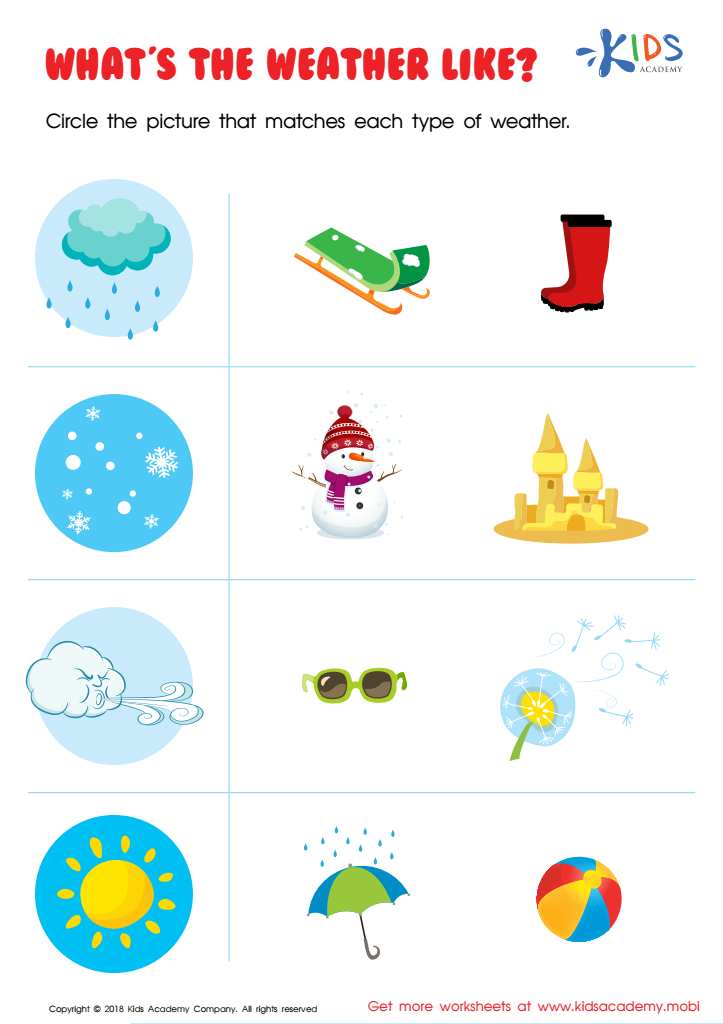
What's the Weather Like? Worksheet
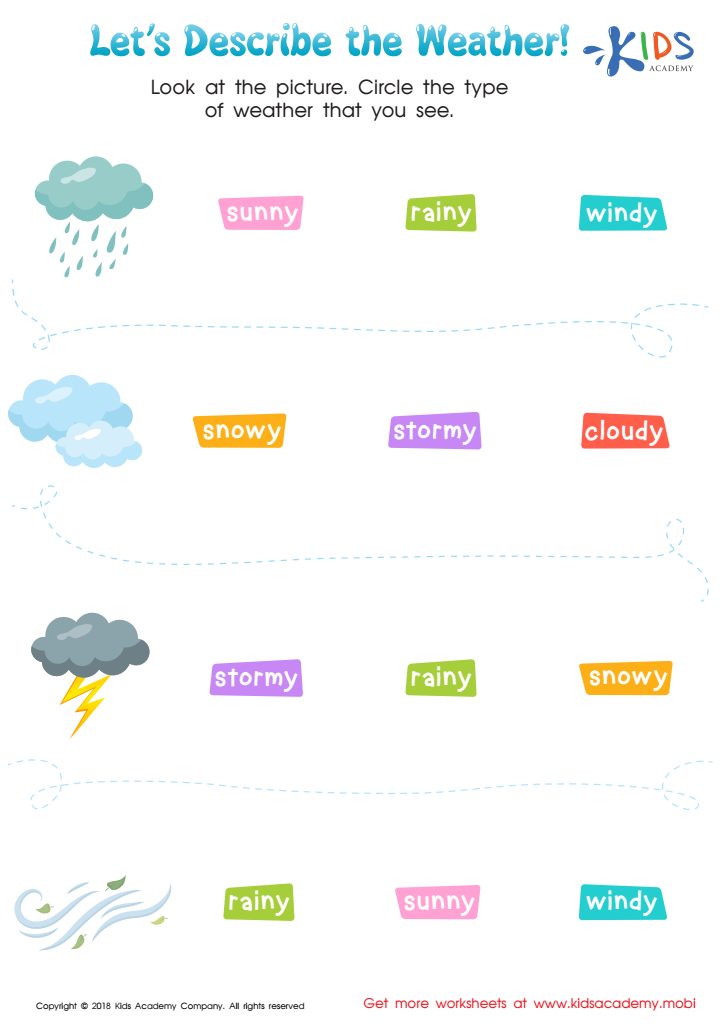
Let's Describe the Weather! Worksheet
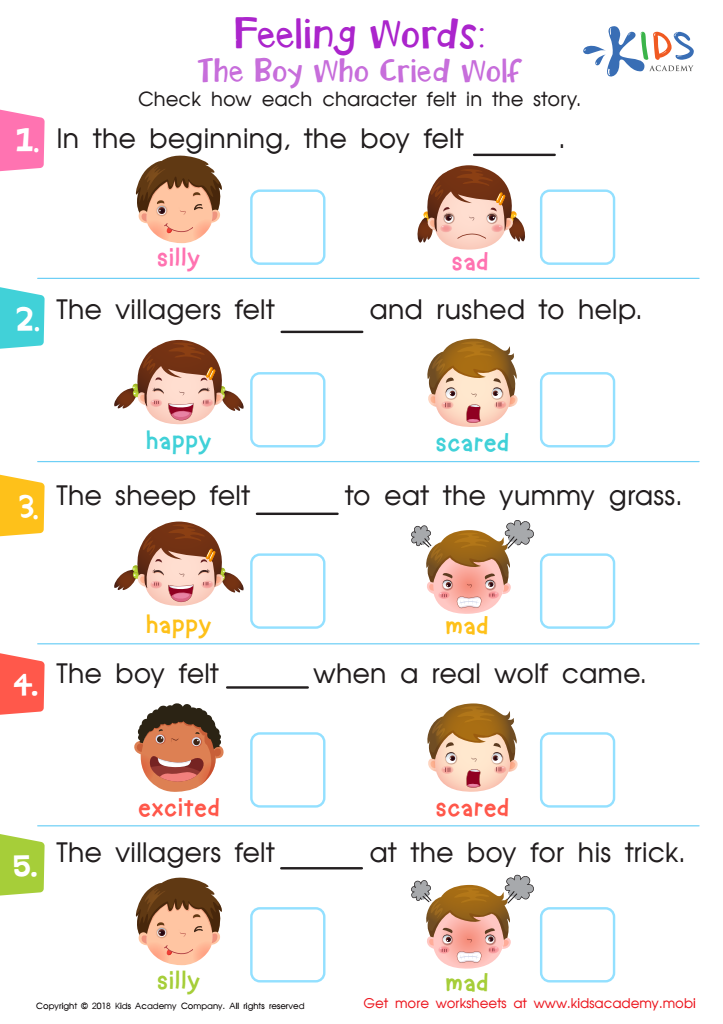
Feeling Words: The Boy Who Cried Wolf Worksheet
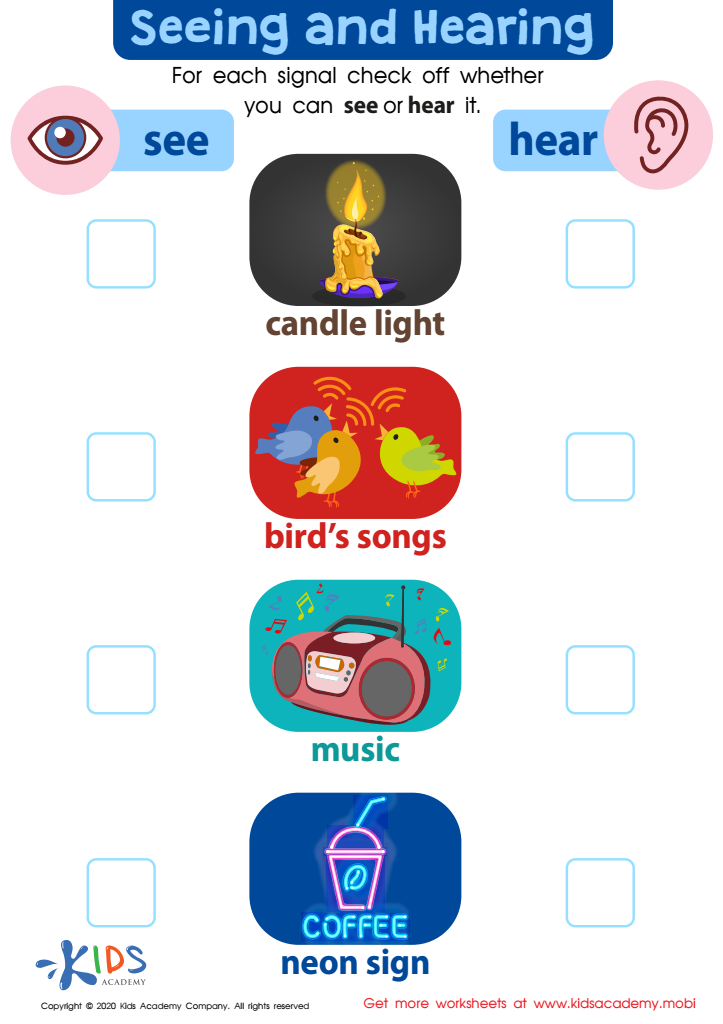
Seeing and Hearing Worksheet
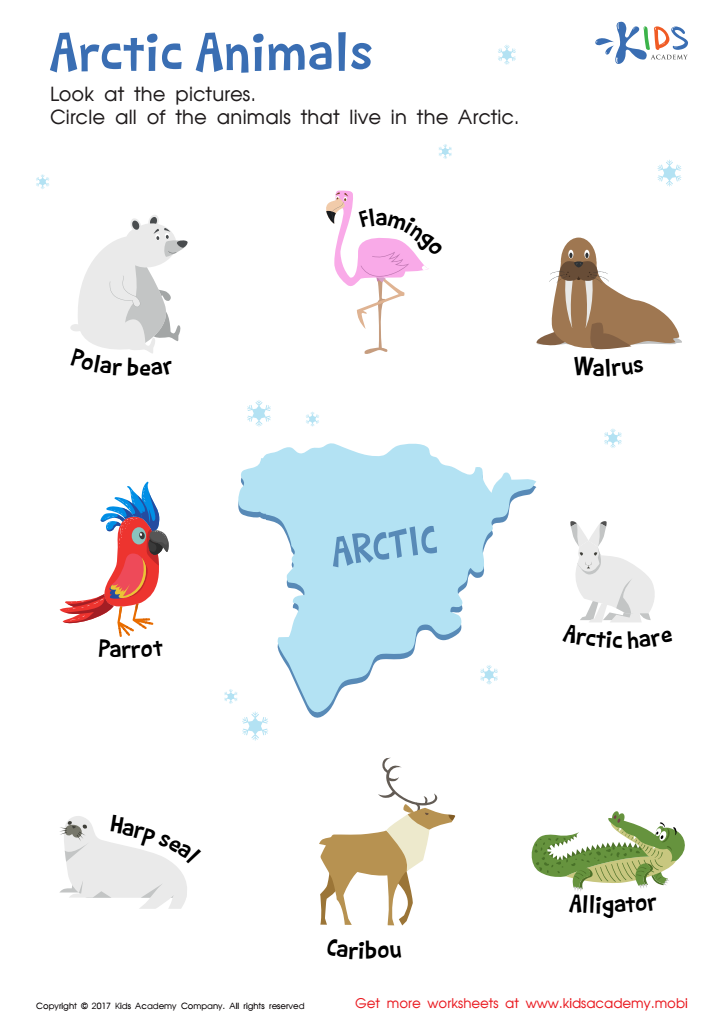
Arctic Animals Worksheet
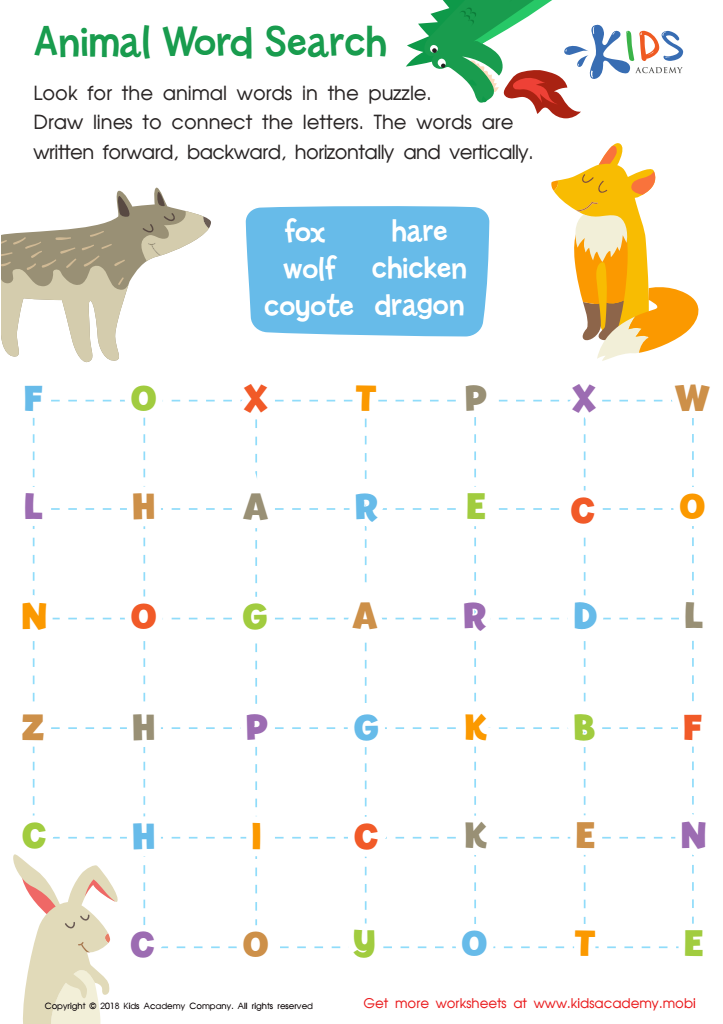
Animal Word Search Worksheet







Vocabulary building in the context of normal science for ages 4-6 is crucial for several reasons. At this foundational stage, children are curious about the world around them. Introducing scientific vocabulary helps them articulate their observations and ask questions, fostering a sense of inquiry and critical thinking. By engaging with terms related to their everyday experiences—such as "habitat," "weather," or "living vs. non-living"—children develop not just language skills but also an understanding of scientific concepts.
Moreover, a strong vocabulary lays the groundwork for reading comprehension and academic success. When children understand the language of science, they become more comfortable exploring complex ideas later in their education. For parents and teachers, incorporating vocabulary building into early learning can enhance communication between adults and children, making discussions richer and more engaging.
Additionally, discussing science vocabulary helps children make connections between different subjects, such as language arts and math, thereby promoting holistic learning. Overall, investing in vocabulary related to normal science equips young learners with the tools necessary for exploration, comprehension, and creativity that transcend the classroom, preparing them for lifelong learning and curiosity. Prioritizing this can significantly impact a child’s cognitive development and confidence in learning.







