Vocabulary enhancement Normal Science Worksheets for Ages 4-6 - Page 2
28 filtered results
-
From - To
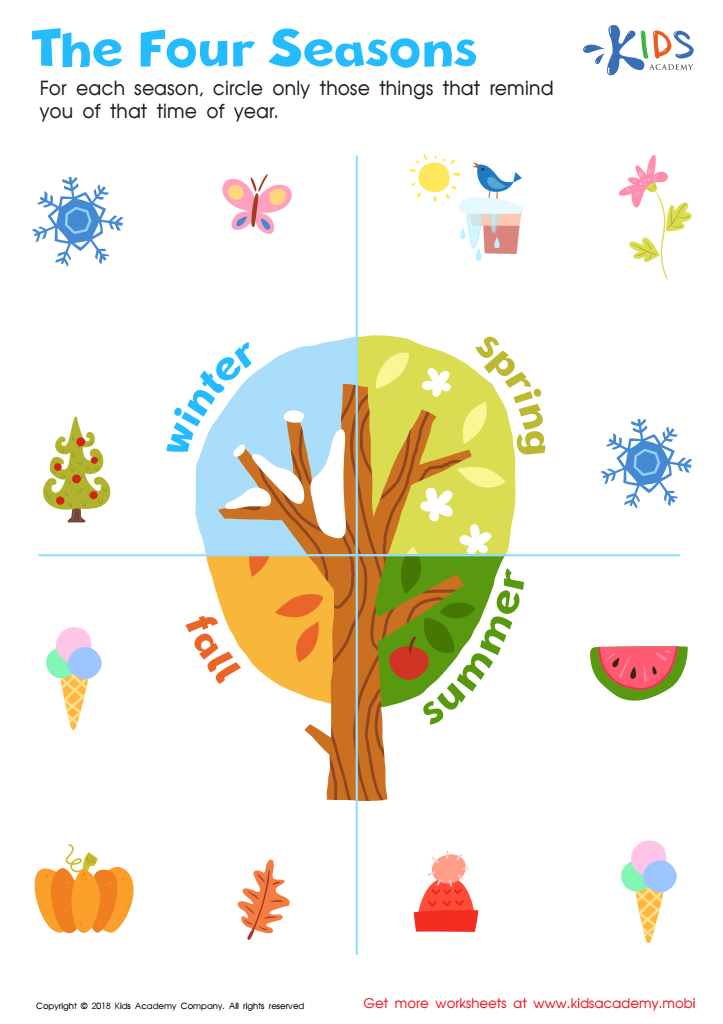
The Four Seasons Worksheet
 Assign to My Students
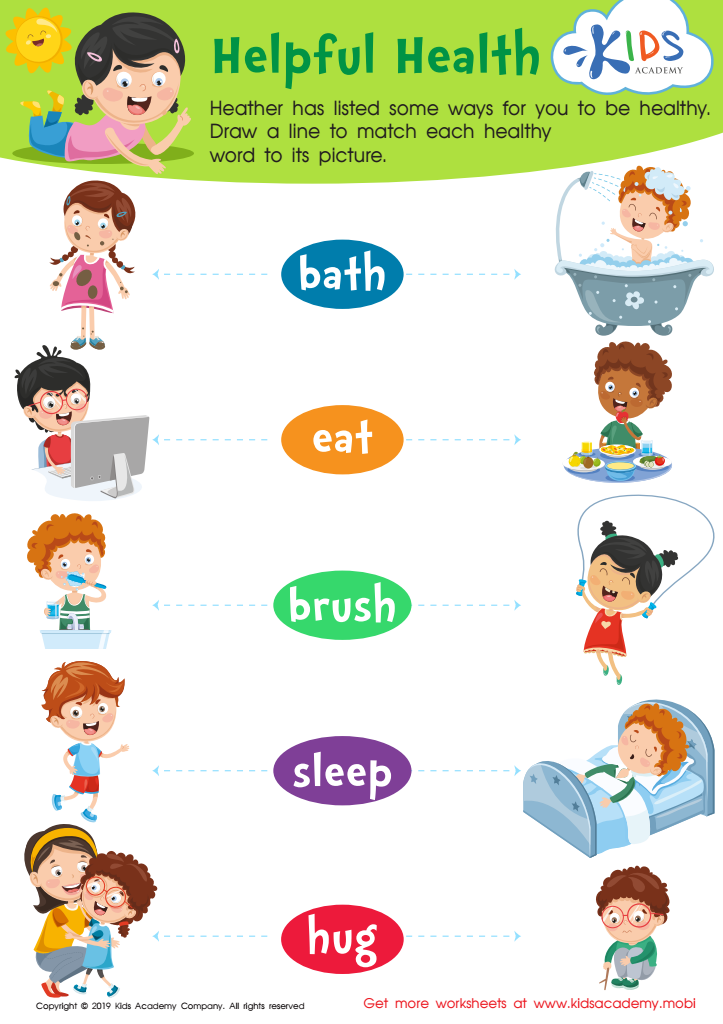
Helpful Health Worksheet
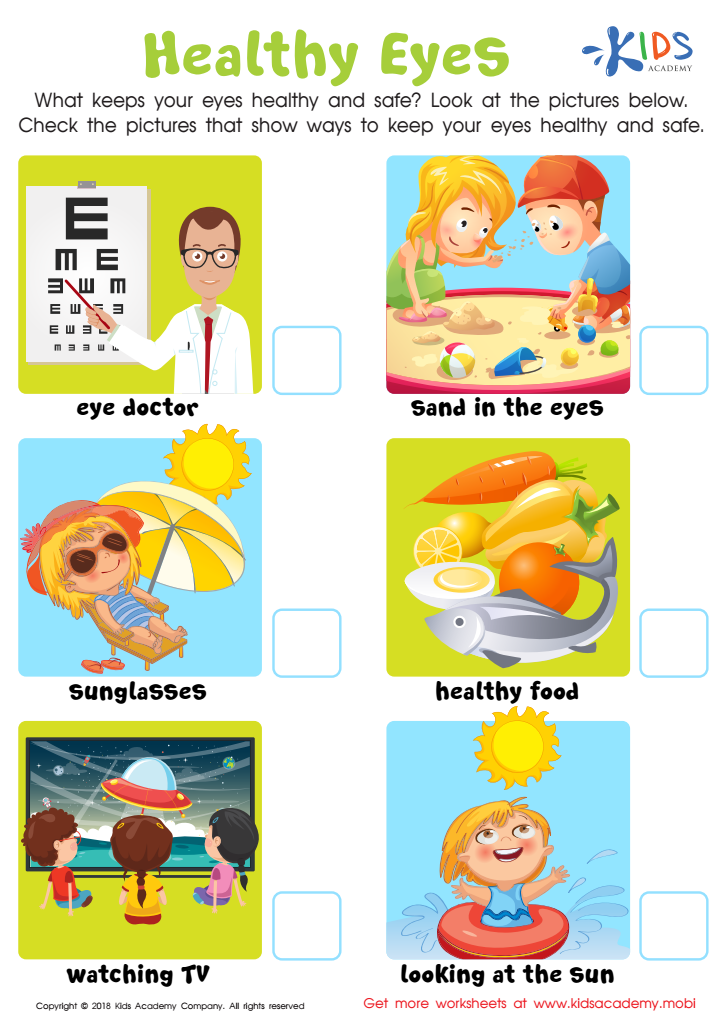
Healthy Eyes Worksheet
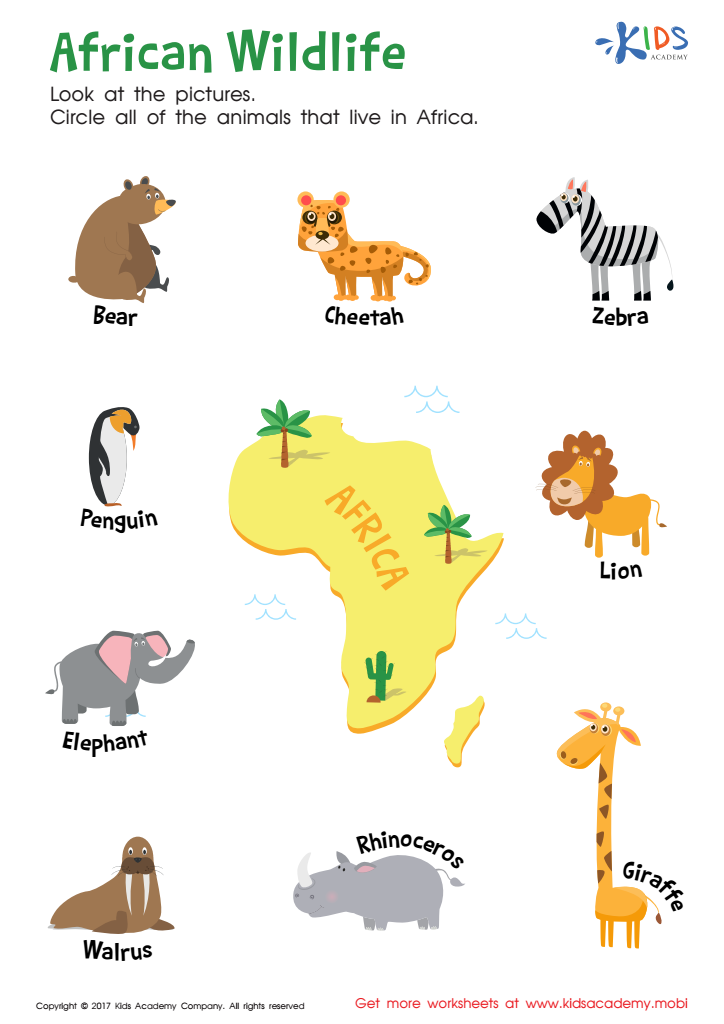





%20(1).jpg)


At ages 4-6, children are in a crucial period of language development where their vocabulary rapidly expands. Parents and teachers should prioritize vocabulary enhancement because it significantly contributes to a child's overall cognitive development, laying a solid foundation for future learning. Enhanced vocabulary in early childhood is linked to better reading comprehension and academic performance. When children understand more words, they can more easily grasp new concepts, follow instructions, and articulate their thoughts and feelings.
Incorporating vocabulary from basic science into daily activities equips young learners with terms that are foundational to scientific understanding. This early exposure nurtures curiosity and fosters a love for learning about the natural world, which can spark an interest in science-related subjects later in life.
Vocabulary activities for this age can be integrated into play, storytime, and exploration of their surroundings. Effective methods include reading age-appropriate scientific books, engaging in simple hands-on experiments, and discussing everyday phenomena like weather patterns, plant growth, or animal behaviors.
Ultimately, an enhanced vocabulary not only empowers children to excel academically but also aids in social communication, emotional expression, and critical thinking skills. Parents and teachers, therefore, play a pivotal role in encouraging young minds to explore and grow through enriched language experiences.







