Visual recognition Normal Community Worksheets for Ages 4-6
3 filtered results
-
From - To
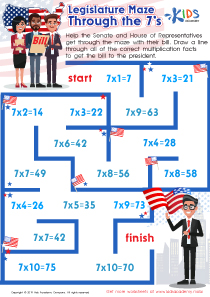
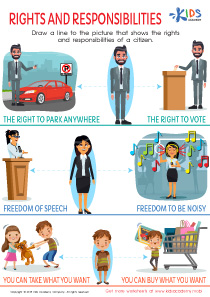
Explore our Visual Recognition Normal Community Worksheets tailored for ages 4-6! Designed to boost children's learning experience, these printable activities focus on enhancing social studies and community awareness. Kids will develop crucial visual recognition skills as they engage with various community-themed exercises, identifying places, objects, and roles within their surroundings. Perfect for early learners, these worksheets are crafted to foster attention to detail and promote cognitive growth in an enjoyable manner. Aligning with educational standards, our worksheets offer a fun and interactive way for young children to understand and appreciate their community. Visit Kids Academy to download now!
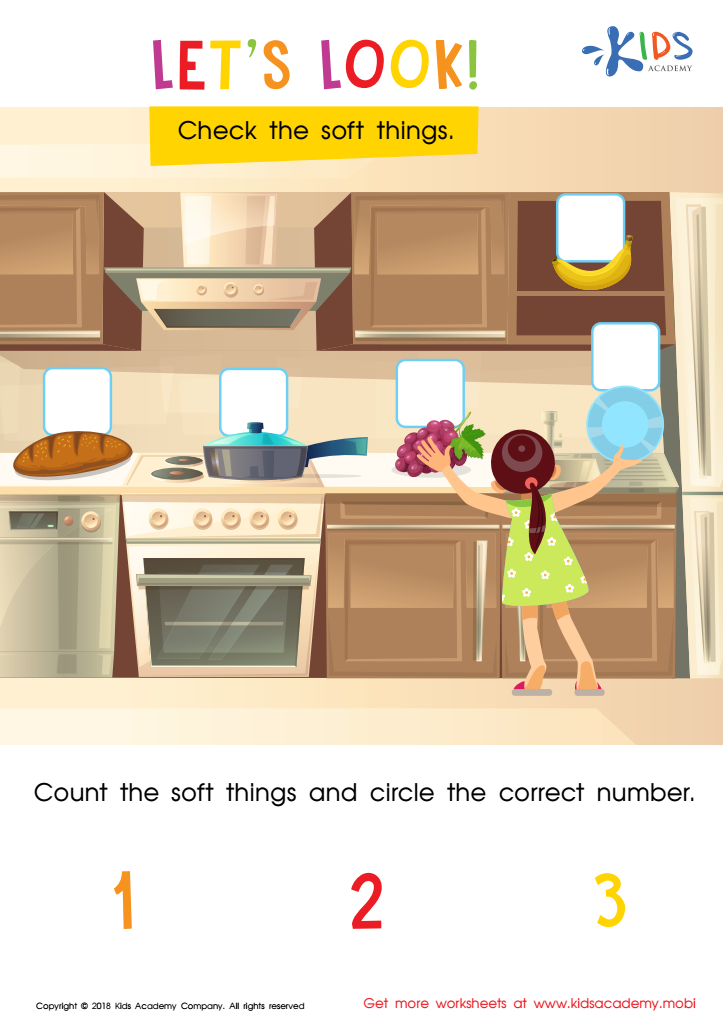
Let's Look! Assessment Worksheet
 Assign to My Students

What Do you See at the Library? Worksheet
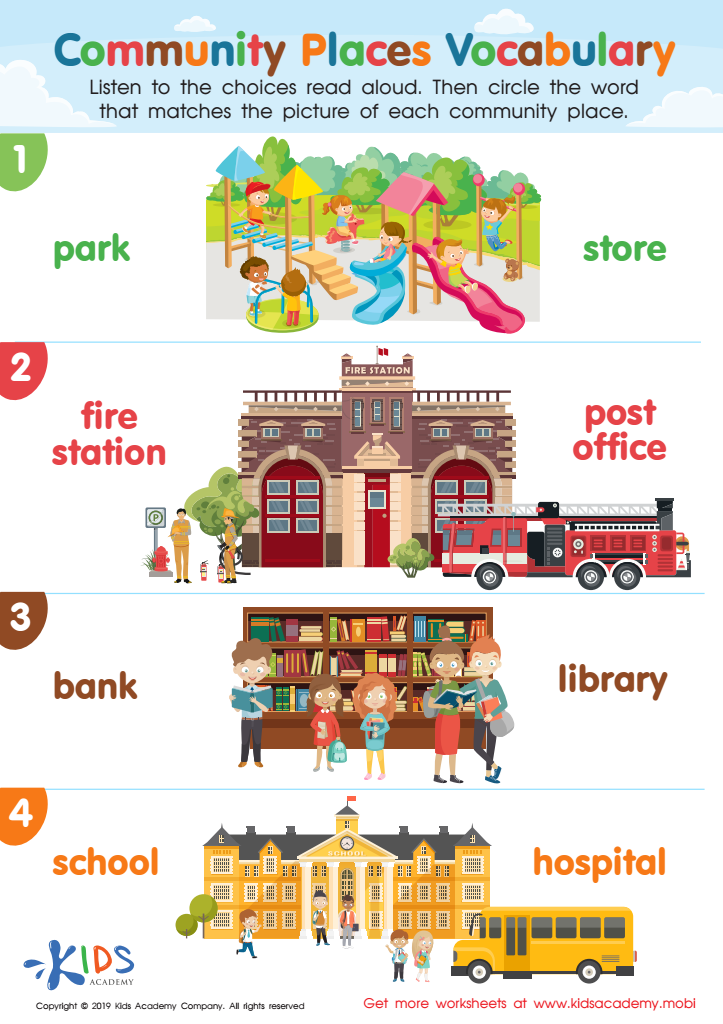
Community Places Vocabulary Worksheet








Visual recognition in young children is crucial for their cognitive development, affecting their ability to process, understand, and interact with the world around them. For ages 4-6, this period is marked by an incredible capacity for learning and neurological growth. A normal community for visual recognition is vital because it enables children to develop essential skills such as reading, writing, and social interaction.
Parents and teachers play pivotal roles in fostering these skills. When children are exposed to rich and diverse visual stimuli, their brains develop stronger neural connections. Effective visual recognition can lead to better academic performance as children are able to identify letters, numbers, shapes, and patterns. This proficiency facilitates learning across all subjects.
Moreover, visual recognition supports emotional and social development. Children learn to read facial expressions, gauge social cues, and develop empathy, which are critical elements for meaningful peer interactions. Identifying objects, colors, and symbols fosters a sense of self-reliance and confidence.
Investing in environments that enhance visual recognition—such as classrooms equipped with visually stimulating materials and activities—supports both immediate and long-term development. Validation of normal community standards for visual recognition ensures all children have the opportunity to reach pivotal developmental milestones effectively and equitably.