Word Recognition Normal Community Worksheets for Ages 4-6
3 filtered results
-
From - To
Introducing our Word Recognition Normal Community Worksheets designed specifically for children aged 4-6, these engaging and educational printables help young learners recognize and understand the words commonly used in their everyday community. Through fun activities and exercises, kids will enhance their reading skills while familiarizing themselves with essential vocabulary related to their families, neighborhoods, and other community aspects. Our expertly crafted worksheets support early literacy development with age-appropriate content and colorful designs, making learning enjoyable and effective. Enhance your child's word recognition skills today and prepare them for future academic success with our captivating community-centered worksheets.
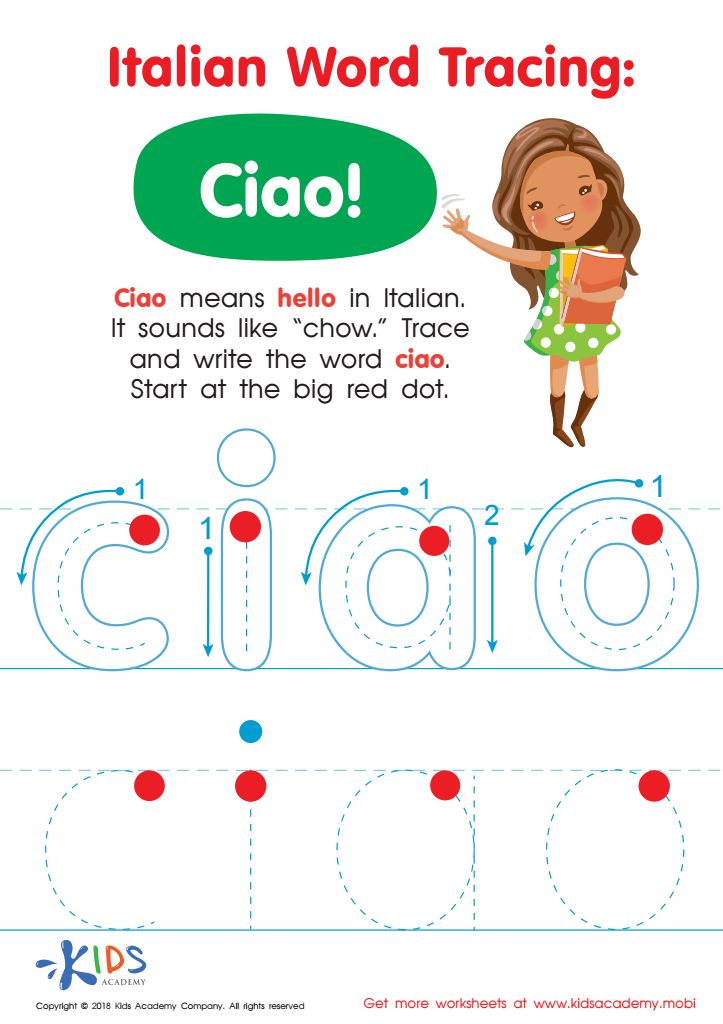
Italian Word Tracing: Ciao Worksheet
 Assign to My Students
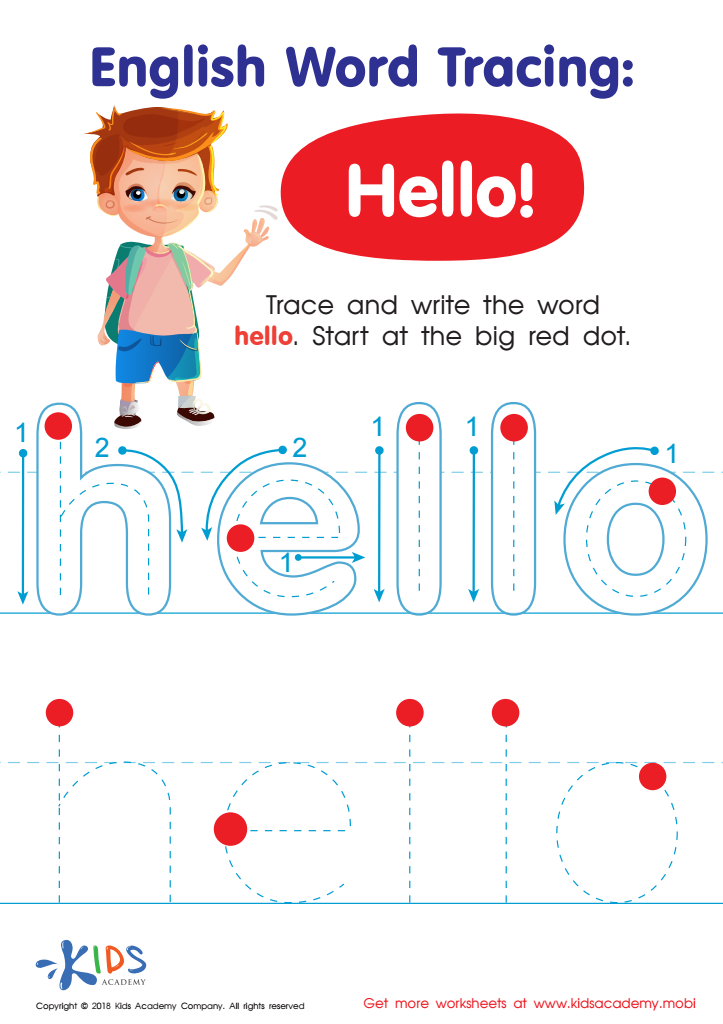
English Word Tracing: Hello Worksheet
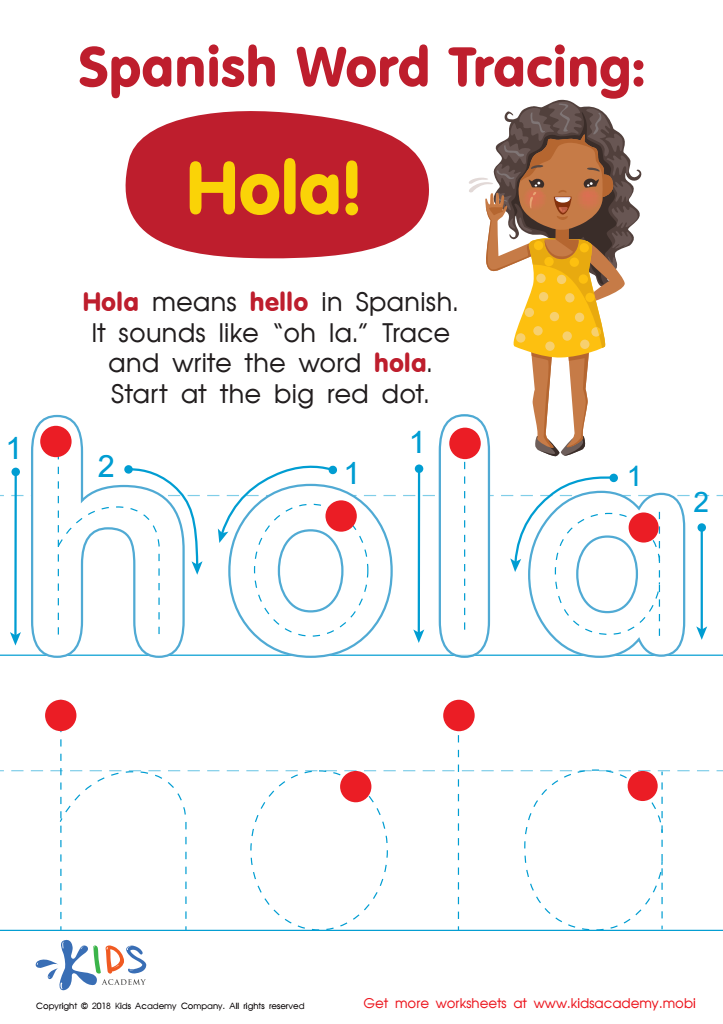
Spanish Word Tracing: Hola Worksheet








Word Recognition Normal Communities for ages 4-6 are essential because they significantly influence a child’s early literacy development. At this formative stage, young children are developing critical foundational skills in reading that will impact their academic performance and learning trajectories throughout their schooling. When parents and teachers emphasize word recognition, they help children build phonemic awareness, which is the ability to hear and manipulate sounds in words. This skill is crucial for decoding, spelling, and eventually for reading fluently and comprehending effortlessly.
Furthermore, early success in word recognition fosters a love of reading and learning. Children who can recognize words efficiently tend to experience less frustration and more enjoyment in reading activities, thereby increasing their engagement and motivation. A supportive community highlights a positive and enriching environment where children feel encouraged and eager to learn.
Parents and teachers in such communities can collaborate on effective strategies and share resources. Events, workshops, and shared reading exercises make learning a social, inclusive, and enjoyable experience. By embedding word recognition efforts in a communal context, parents and teachers collectively nurture children's cognitive skills, boost their confidence, and set them up for long-term educational success. Connecting with other invested adults also provides varied support, ensuring consistent reinforcement of reading fundamentals at home and in school.