Shape Recognition Normal Social Studies Worksheets for Ages 4-6
4 filtered results
-
From - To
Introducing our "Shape Recognition Normal Social Studies Worksheets for Ages 4-6"! These engaging and educational printables are expertly crafted to blend foundational geometry with essential social studies concepts. Perfect for young learners, each worksheet helps children recognize and identify basic shapes while incorporating fun themes related to their daily lives and communities. Watch your child's confidence grow as they explore, trace, and color various shapes, reinforcing both their geometric and social understanding. Ideal for home or classroom use, our worksheets make learning an enjoyable adventure, paving the way for academic success and lifelong skills. Download today and enhance your child’s learning journey!
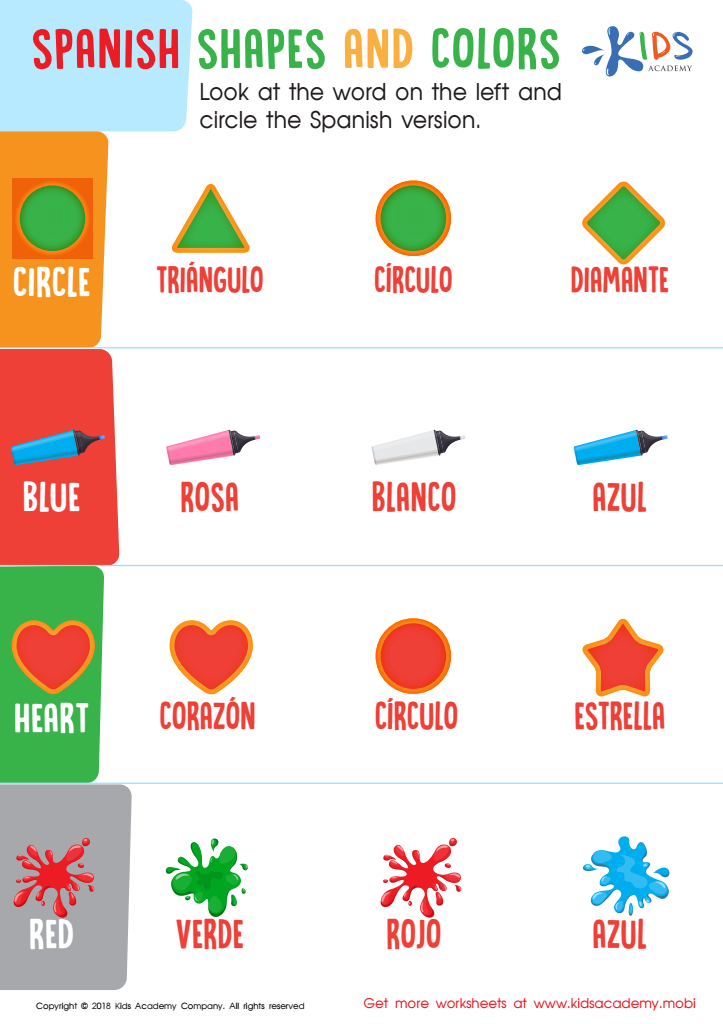
Spanish Shapes and Colors Worksheet
 Assign to My Students
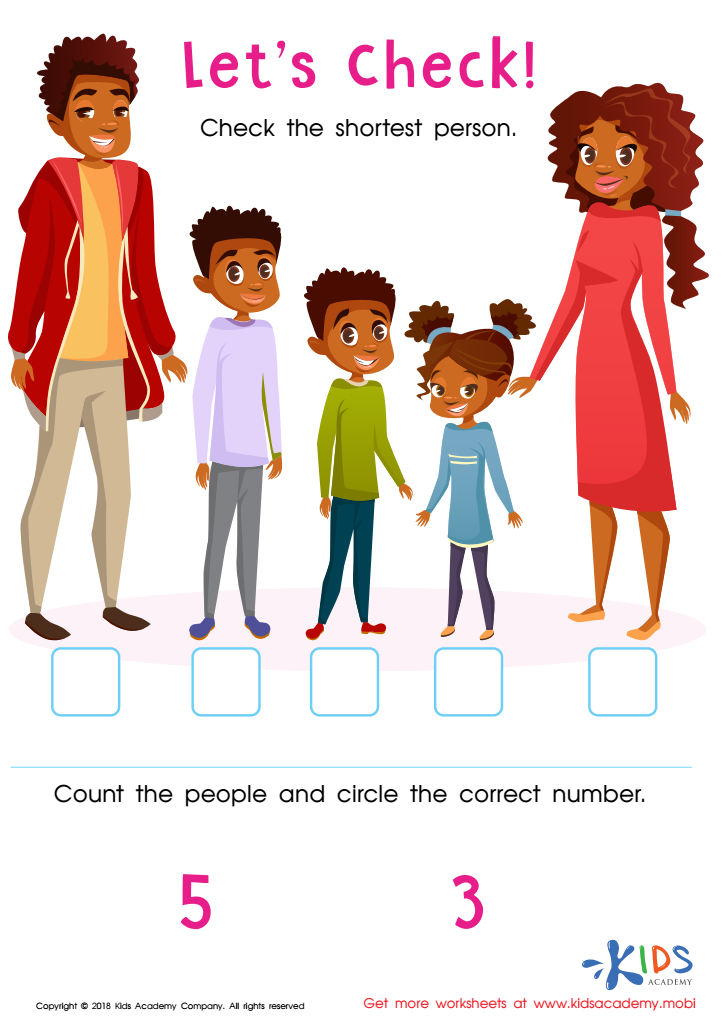
Let's Check! Assessment Worksheet
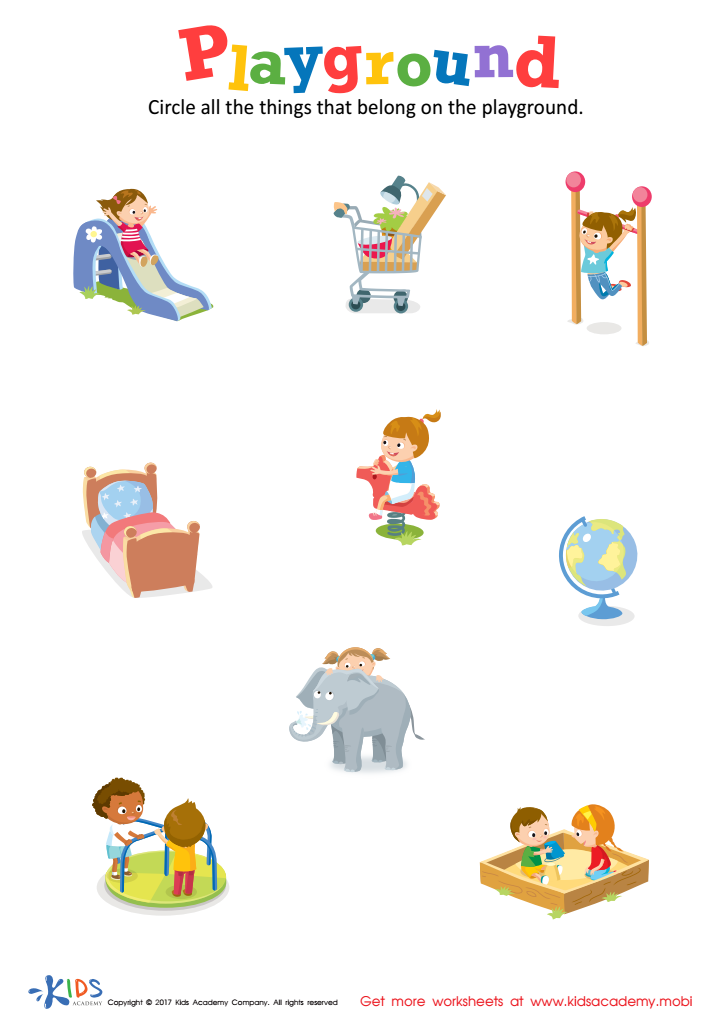
Playground Worksheet
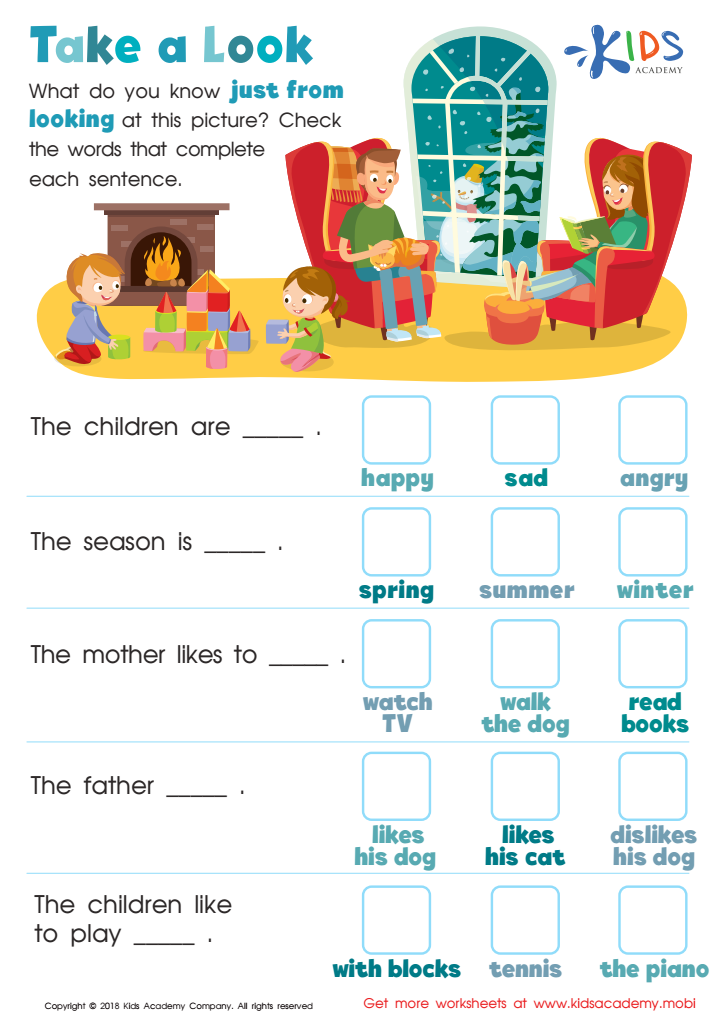
Take a Look - Part 1 Worksheet






Shape recognition and basic social studies are crucial components of early childhood education, offering foundational skills that benefit children ages 4-6. Awareness and identification of shapes like circles, squares, and triangles not only support mathematical learning by easing the way into understanding geometry and spatial relations, but also enhance cognitive development by encouraging visual discrimination, attention to detail, and problem-solving skills.
Equally important, integrating normal social studies content—such as understanding community roles, recognizing landmarks, and learning basic cultural traditions—fosters social awareness and personal responsibility. These concepts help children relate to their environment and understand their place within it, promoting a sense of identity and belonging.
For parents and teachers, encouraging shape recognition and basic social studies at a young age sets the stage for more advanced learning. It blends academic readiness with real-world knowledge, making education holistic and relevant. Furthermore, engaging activities tied to these subjects can make learning enjoyable, fostering a positive early educational experience that builds lifelong learners.
Investing effort in these areas supports emotional, social, and cognitive development, better preparing children for future academic success and active, informed participation in their communities. For ages 4-6, these lessons act as building blocks, constructing the infrastructure for a well-rounded education.








