Vocabulary Building Normal Social Studies Worksheets for Ages 4-6
6 filtered results
Difficulty Level
Grade
Age
-
From - To
Subject
Activity
Standards
Boost your child's language and social studies skills with our engaging Vocabulary Building Normal Social Studies Worksheets for Ages 4-6. Designed to make learning fun and effective, these worksheets cover essential topics such as community roles, basic geography, and cultural awareness. Each activity is tailored to help young learners expand their vocabulary while understanding basic social concepts. Ideal for early learners, our worksheets are perfect for both classroom settings and at-home practice. Enhance your child's educational journey with visually appealing, interactive exercises that foster both learning and curiosity. Explore our range and watch your child's knowledge and confidence grow!
Favorites
With answer key
Interactive
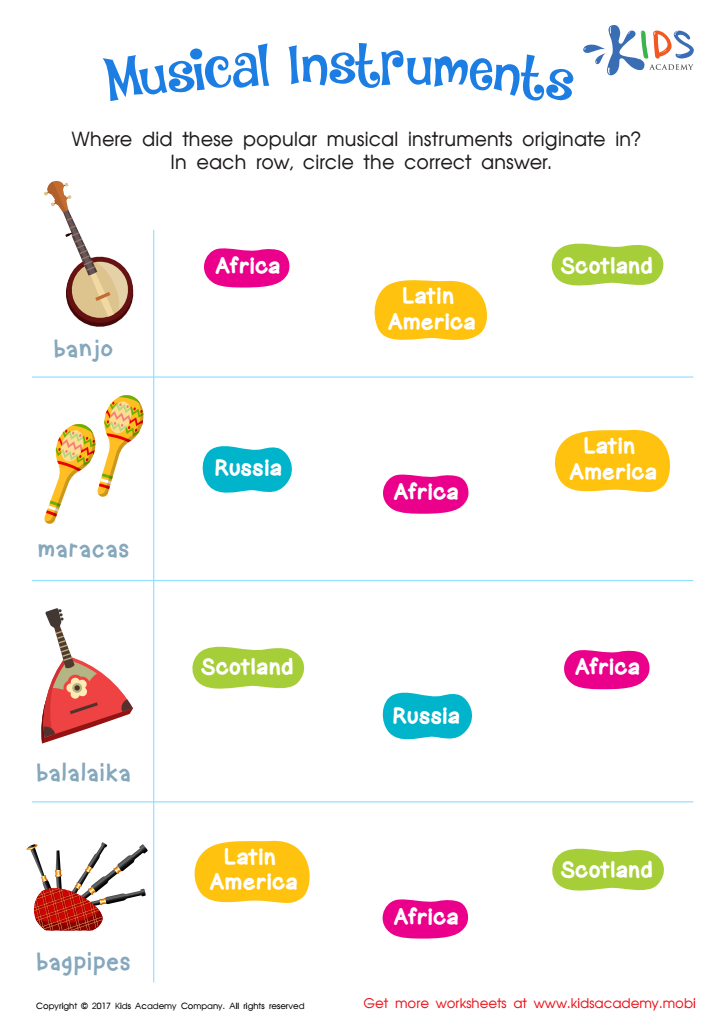
Musical Instruments Printable
Love for music is universal! Help your child explore this with this musical instruments worksheet PDF. From learning about different cultures to discovering new sounds, your child will gain a deeper appreciation for music and culture.
 Assign to My Students
Musical Instruments Printable
Worksheet
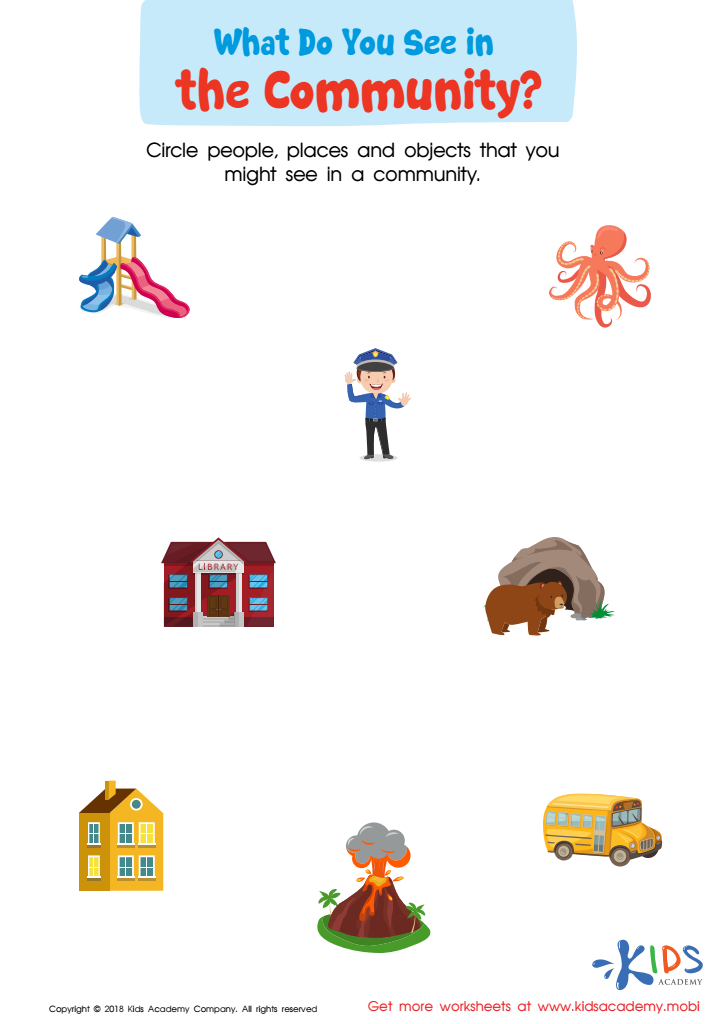
What Do You See in the Community Worksheet
This free social studies PDF can help your children learn about their local community. They'll identify its members, places and objects using engaging and recognizable pictures. As they trace circles around them, they'll also practice fine motor skills. It's a great way to introduce social science concepts and help them understand the importance of community.
What Do You See in the Community Worksheet
Worksheet
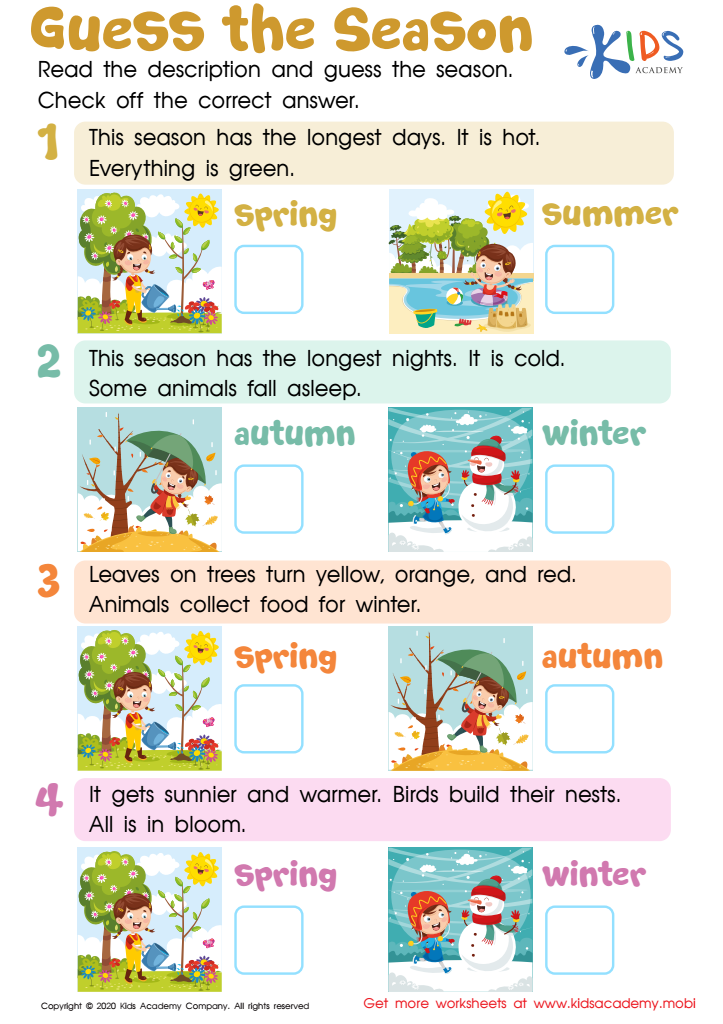
Guess the Season Worksheet
Winter and summer bring different weather! Help kids recognize the changes with this free Kids Academy PDF worksheet. Students read each description, look at the pictures, and check the box next to the season depicted. Make learning fun and easy with interactive activities.
Guess the Season Worksheet
Worksheet
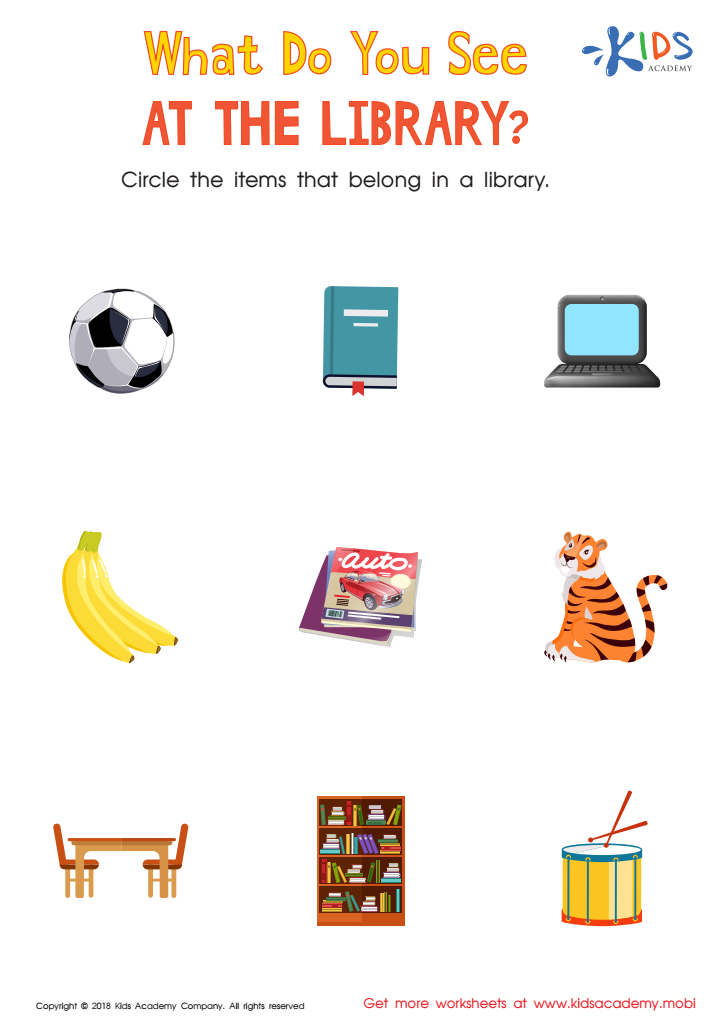
What Do you See at the Library? Worksheet
Let your kids look at the worksheet with pictures of objects found in libraries and those that don't. Ask them to list some, then circle the ones that belong in a library. Can they identify them? See if you can spot any they miss!
What Do you See at the Library? Worksheet
Worksheet
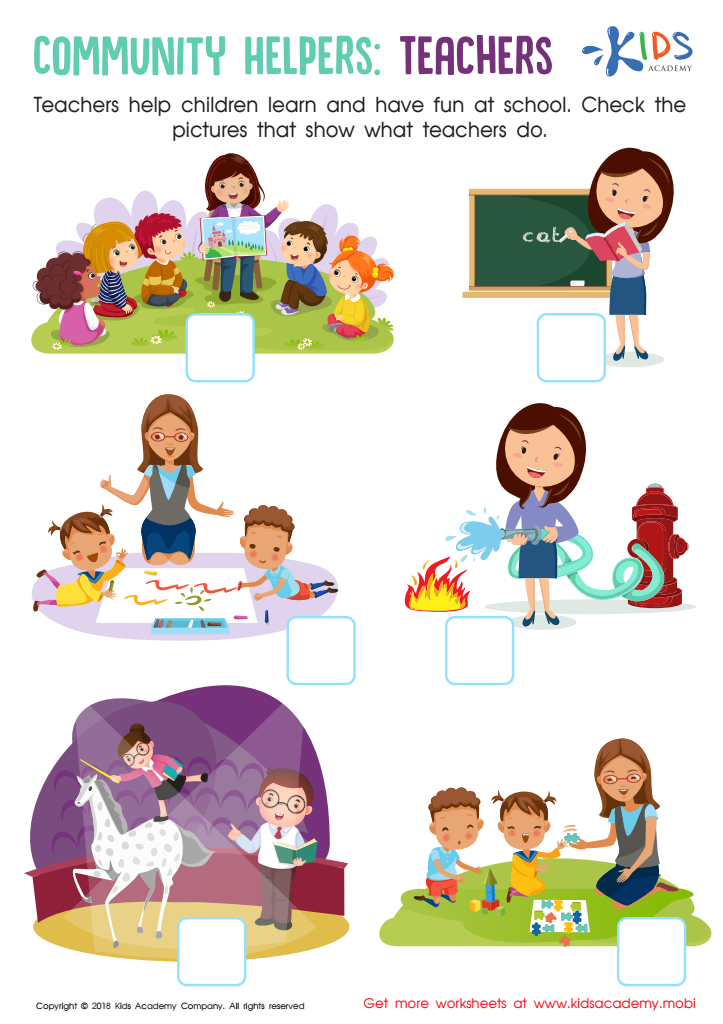
Teachers Community Helpers Worksheet
Ask your students to name some of the ways a teacher helps. Then, use this worksheet to show the right ways teachers can help. Have them check the boxes of the pictures that accurately depict what a teacher does. This is a great exercise to show your students how you help them learn and contribute to their community.
Teachers Community Helpers Worksheet
Worksheet
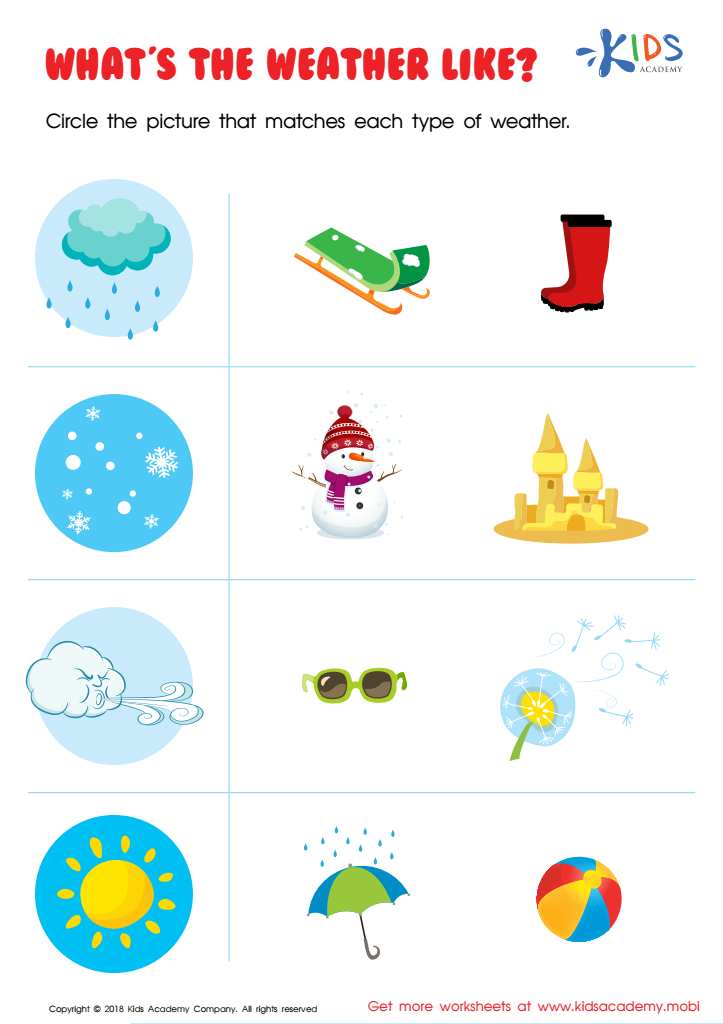
What's the Weather Like? Worksheet
Help budding meteorologists practice matching weather to seasons with this PDF worksheet. Picture clues help identify seasons and fine motor skills are practiced circling the correct weather patterns. Bright and engaging characters make learning fun and reinforce weather knowledge.
What's the Weather Like? Worksheet
Worksheet
Join Kids Academy for Free
Who is primarily going to use this learning content?








Vocabulary building in the context of social studies is crucial for children ages 4-6 as it lays a strong foundation for understanding the world around them. At this tender age, children's brains are like sponges, soaking up new words and concepts that help shape their understanding of society, culture, and history. By introducing vocabulary related to social studies, parents and teachers can enhance children's cognitive development, critical thinking, and comprehension skills.
Understanding terms related to family, community, and basic social interactions enables children to communicate more effectively and builds their confidence in expressing their thoughts. Additionally, a rich vocabulary helps children make connections between concepts, fostering a deeper understanding of social structures, relationships, and environments.
Moreover, early exposure to social studies vocabulary nurtures empathy and social awareness. Children learn about different cultures, traditions, and perspectives, which promotes tolerance and kindness. This early education helps cultivate well-rounded, informed individuals who are better prepared to navigate and contribute to a diverse society.
By prioritizing vocabulary building in social studies, parents and teachers are not only enhancing language skills but also preparing children for future academic success and meaningful social interactions, ultimately setting the stage for lifelong learning and responsible citizenship.