Cognitive Development Normal World Around Us Worksheets for Ages 4-6
6 filtered results
-
From - To
Discover our Cognitive Development worksheets designed for children ages 4-6, focusing on the fascinating world around us! These engaging activities introduce essential concepts such as nature, everyday objects, and community life, helping young learners enhance their observation and critical thinking skills. Each worksheet features colorful graphics and age-appropriate tasks that promote cognitive growth through hands-on learning experiences. Perfect for parents and educators alike, these resources will inspire curiosity and encourage children to explore their environment. Foster a love for learning with our thoughtfully crafted worksheets that align with early childhood development goals. Start your child's journey of discovery today!
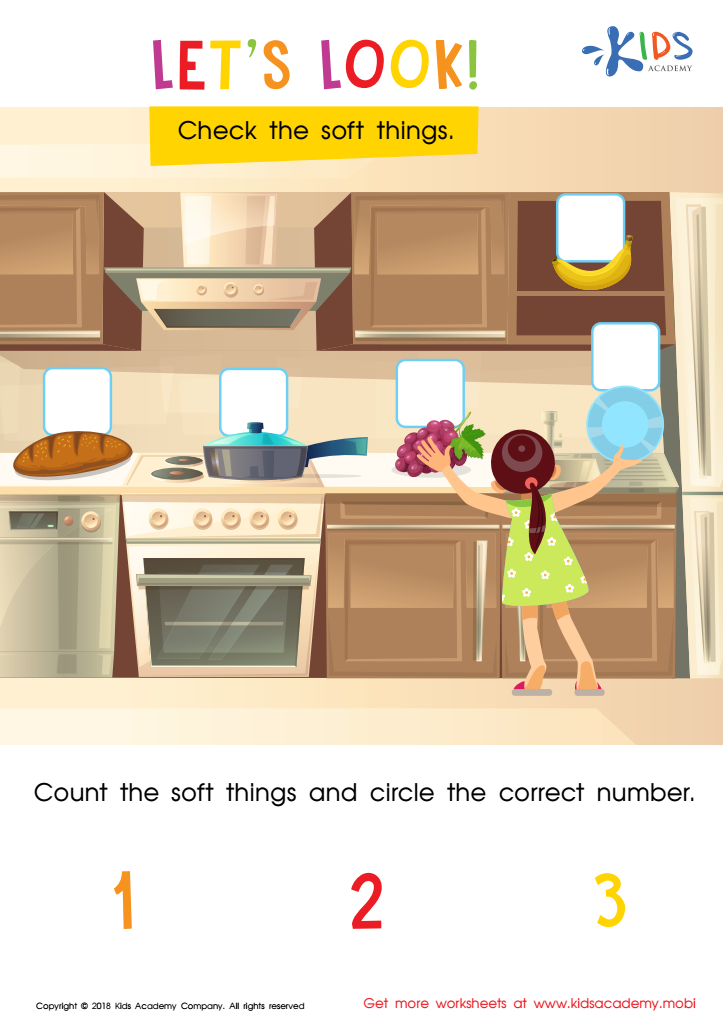
Let's Look! Assessment Worksheet
 Assign to My Students
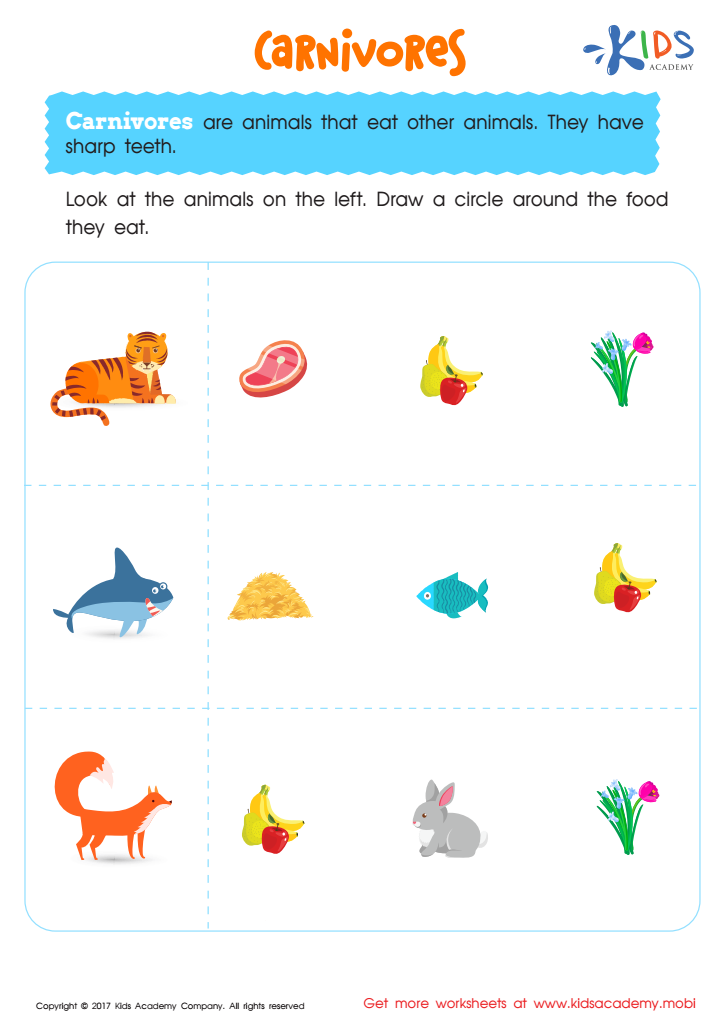
Carnivores Worksheet
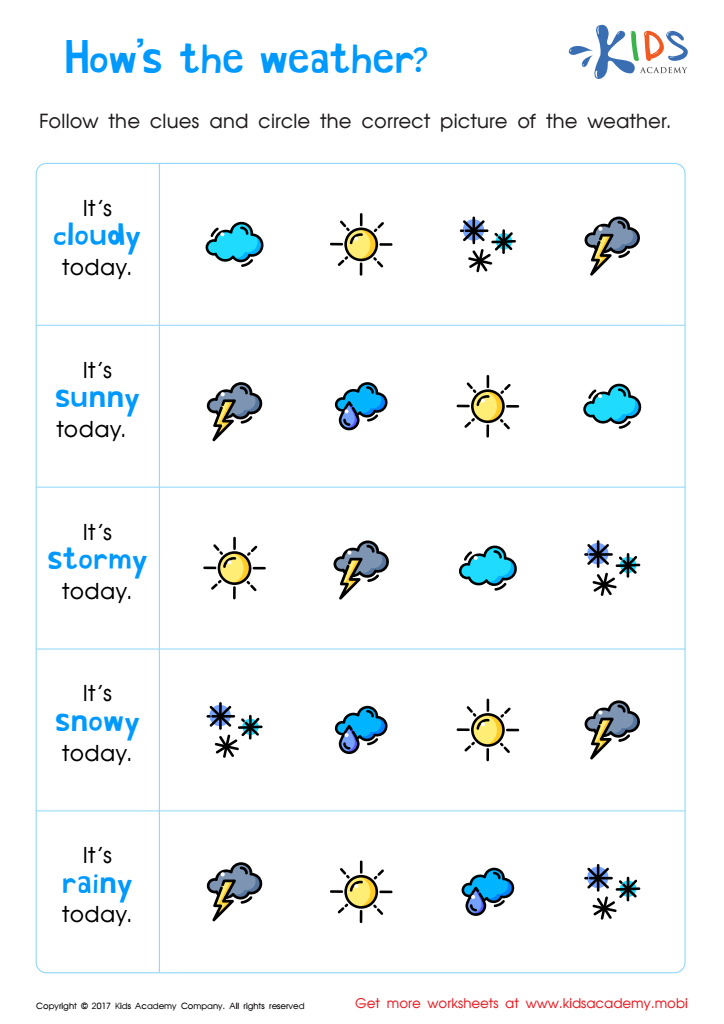
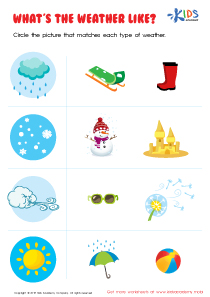
Hows the Weather Worksheet

Traditional Dance Printable

Arctic Animals Worksheet
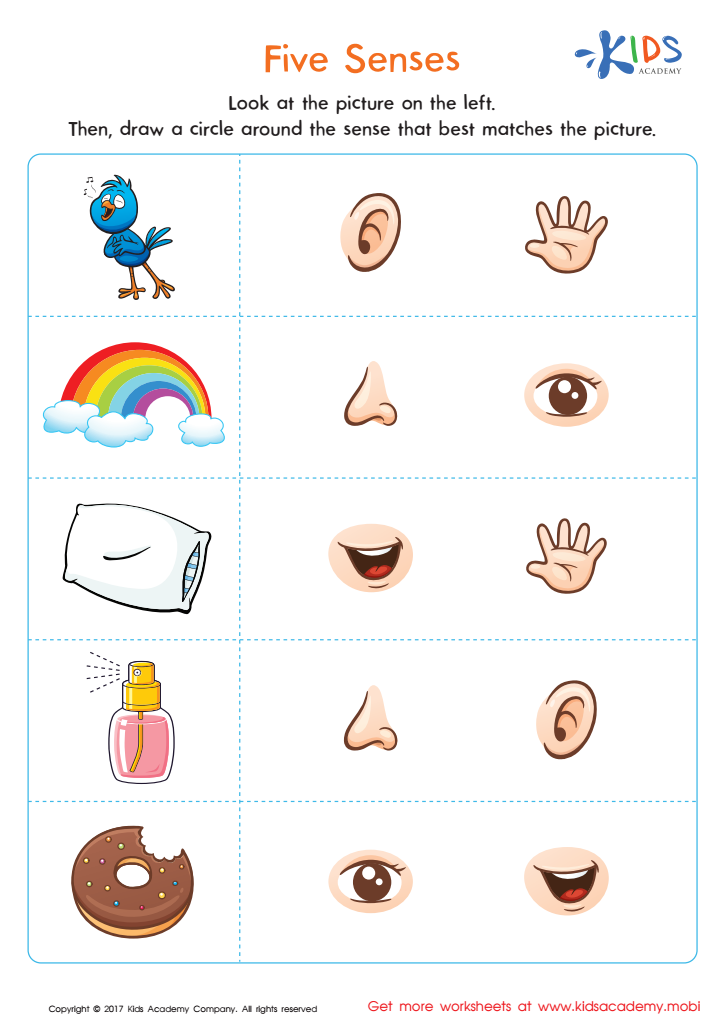
Five Senses Printable







Cognitive development is a critical aspect of early childhood that significantly influences a child's ability to learn and interact with the world around them. For children aged 4-6, this phase is marked by rapid brain growth, which shapes their thinking, problem-solving, and understanding of their environment. Parents and teachers should care about this development as it lays the foundation for future academic success and social skills.
Around ages 4-6, children start to engage in more complex thinking patterns. They begin to ask questions, explore concepts of time and space, and make sense of their experiences. Encouraging this cognitive development through play, storytelling, and exploration supports their ability to process information and fosters creativity. Additionally, involvement from caregivers in conversations about everyday activities helps children develop language skills and critical thinking.
Moreover, cognitive skills are interconnected with emotional and social development. When children understand their surroundings, they become more confident and competent in navigating relationships and challenges. By prioritizing and supporting cognitive development in this age group, parents and educators equip children with essential skills to thrive in school and beyond, ensuring they develop into well-rounded, capable individuals.