Weather Vocabulary Normal World Around Us Worksheets for Ages 4-6
3 filtered results
-
From - To
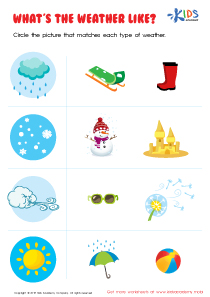
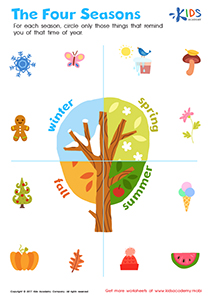
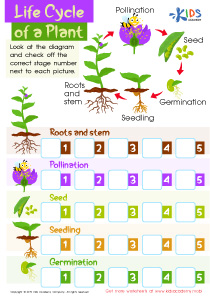
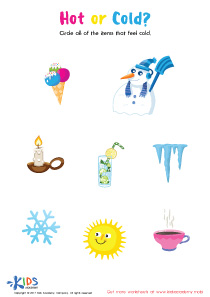
Enhance your child's understanding of weather vocabulary with our engaging worksheets designed for ages 4-6! Our "Weather Vocabulary Normal World Around Us" series is perfect for early learners, helping them explore and identify different weather conditions. These worksheets feature vibrant illustrations and interactive activities that capture young children's attention while promoting language skills. Ideal for homeschooling or classroom use, each activity encourages discussions about the world around them, fostering curiosity about nature and seasonal changes. Make learning exciting and enjoyable as your child develops essential vocabulary skills with our expertly crafted materials. Start your weather adventure today!
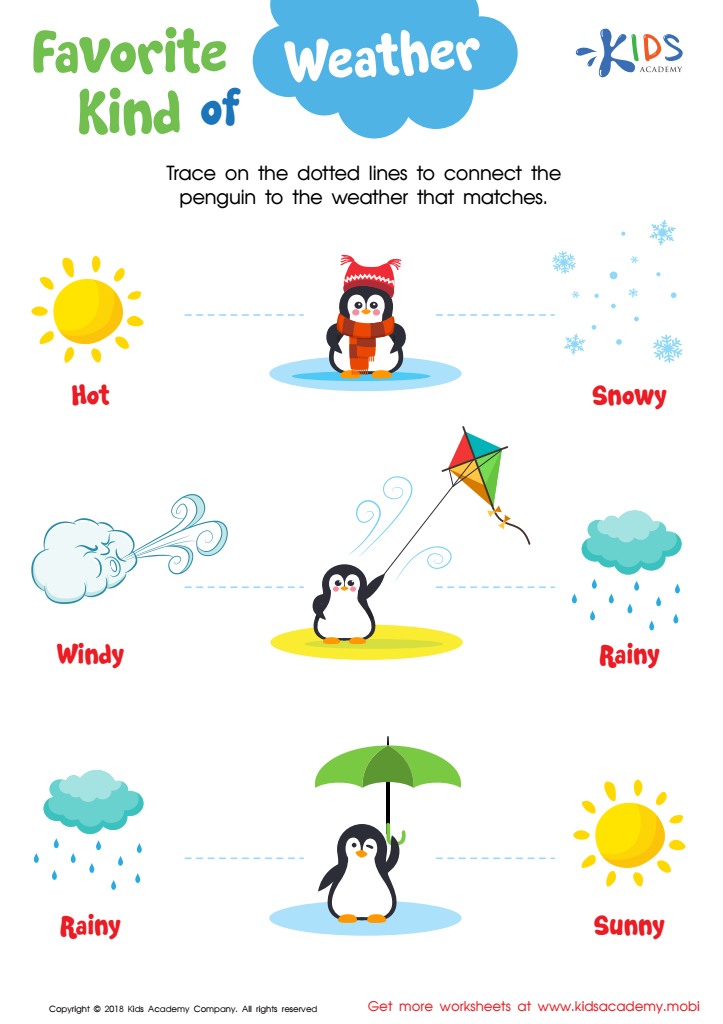
Favorite Kind of Weather Worksheet
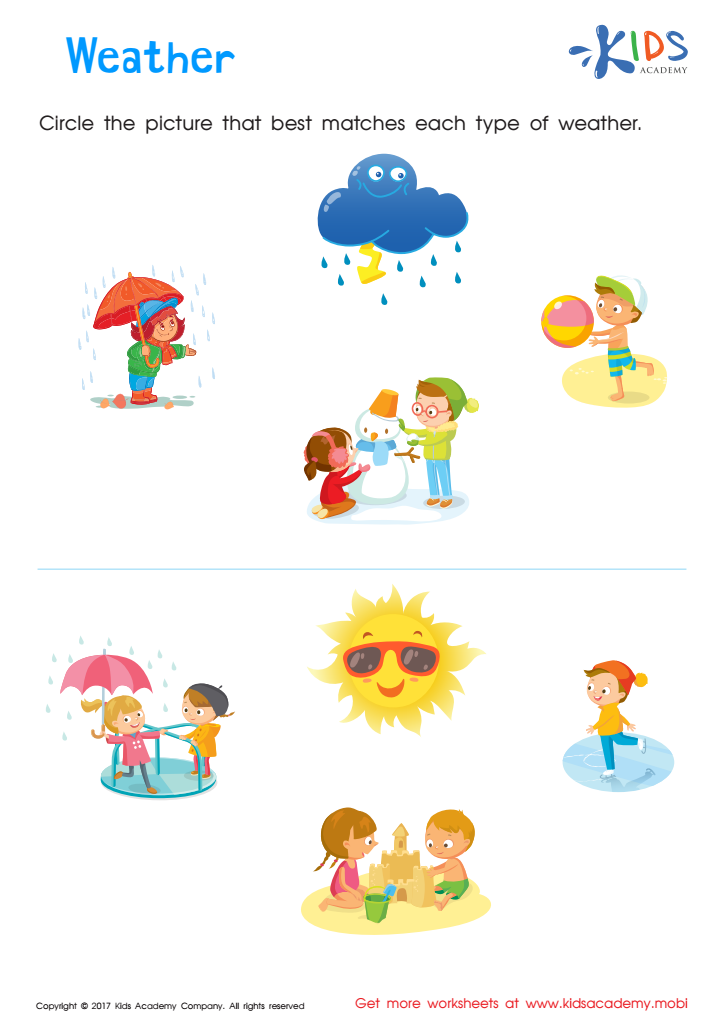
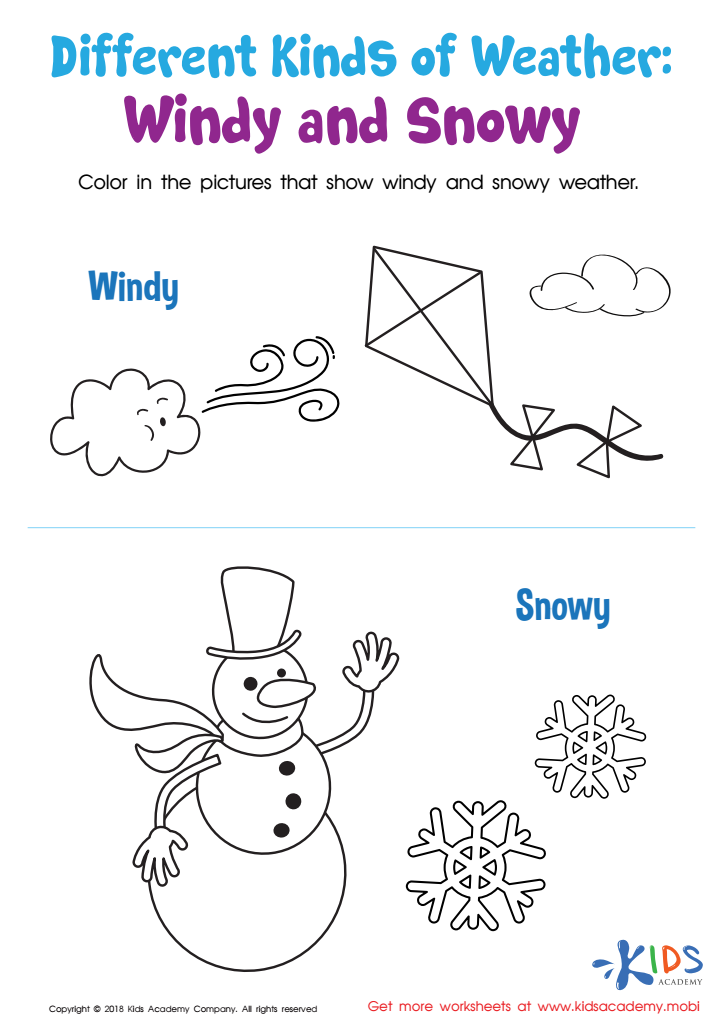
Different Kinds of Weather: Windy and Snowy Worksheet
 Assign to My Students








Parents and teachers should care about weather vocabulary for children aged 4-6 because it plays a critical role in early language development and comprehension of the world around them. At this age, children are naturally curious, asking questions about how things work and why they happen. Introducing weather terms not only enriches their vocabulary but also encourages them to explore concepts such as seasons, rain, snow, sunshine, and wind.
Understanding weather vocabulary helps children make sense of their environment, connecting observable phenomena with words and ideas. This knowledge also nurtures critical thinking and observation skills, as they learn to describe and discuss the weather in their daily lives.
Moreover, incorporating weather conversations can serve as a tool for teaching broader topics, including science, ecology, and community awareness. Early exposure fosters curiosity and encourages outdoor exploration, which benefits their physical and mental health. Involving parents in this learning process, perhaps through family discussions or activities about weather, strengthens the parent-child bond. Ultimately, equipping young minds with weather vocabulary lays the foundation for greater academic success in the future, making it a vital area of focus within early childhood education.