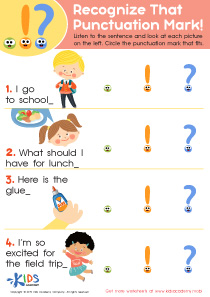
Fine Motor Skills Normal Tracing Words Worksheets for Ages 4-6
6 filtered results
-
From - To
Boost your child's fine motor skills and set the foundation for writing with our "Fine Motor Skills Normal Tracing Words Worksheets" designed for ages 4-6. These engaging, printable activities help young learners practice tracing letters and words, fostering proper pencil control and hand coordination. Perfect for preschoolers and kindergarteners, the worksheets make learning enjoyable and effective. Parents and teachers can use these resources to support early writing development and build confidence in their little ones. Spark a love for learning and watch fine motor skills blossom with our expert-crafted tracing worksheets. Visit our Kids Academy page now!

Cupid Maze: An Printable
 Assign to My Students

Snowman Tracing Winter Words Worksheet
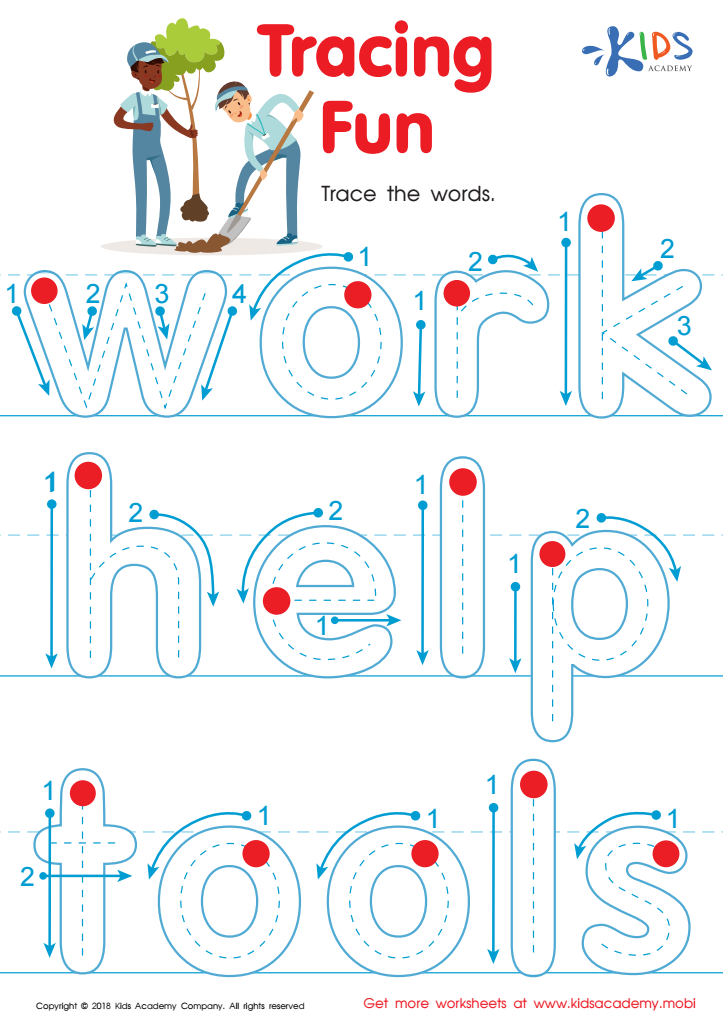
Tracing Fun Worksheet
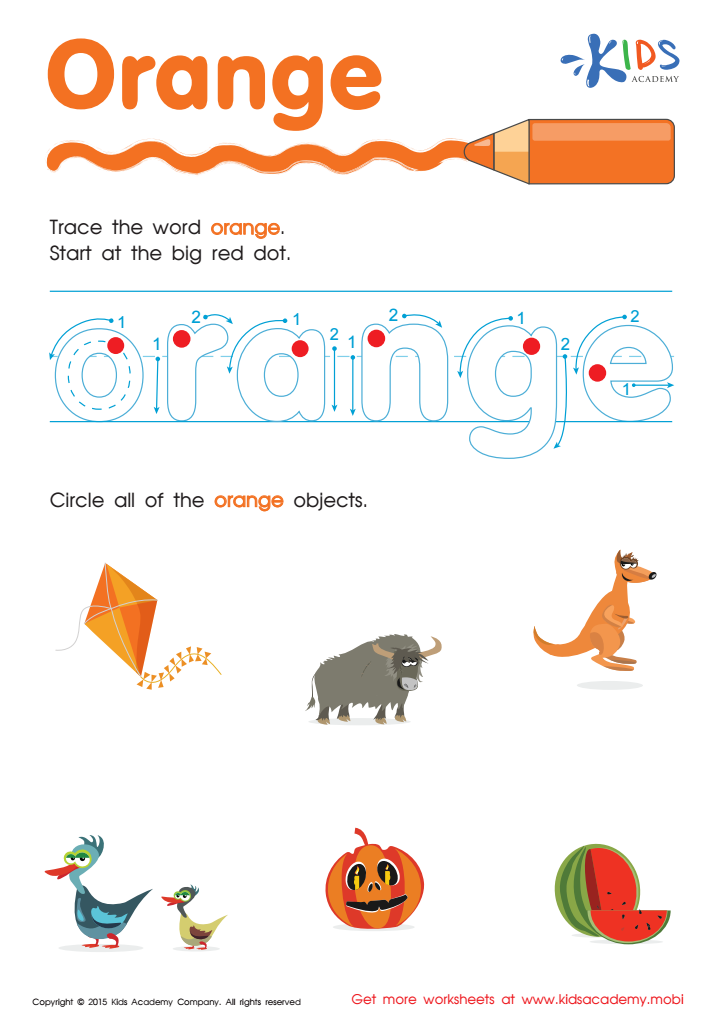
Orange Tracing Color Words Worksheet
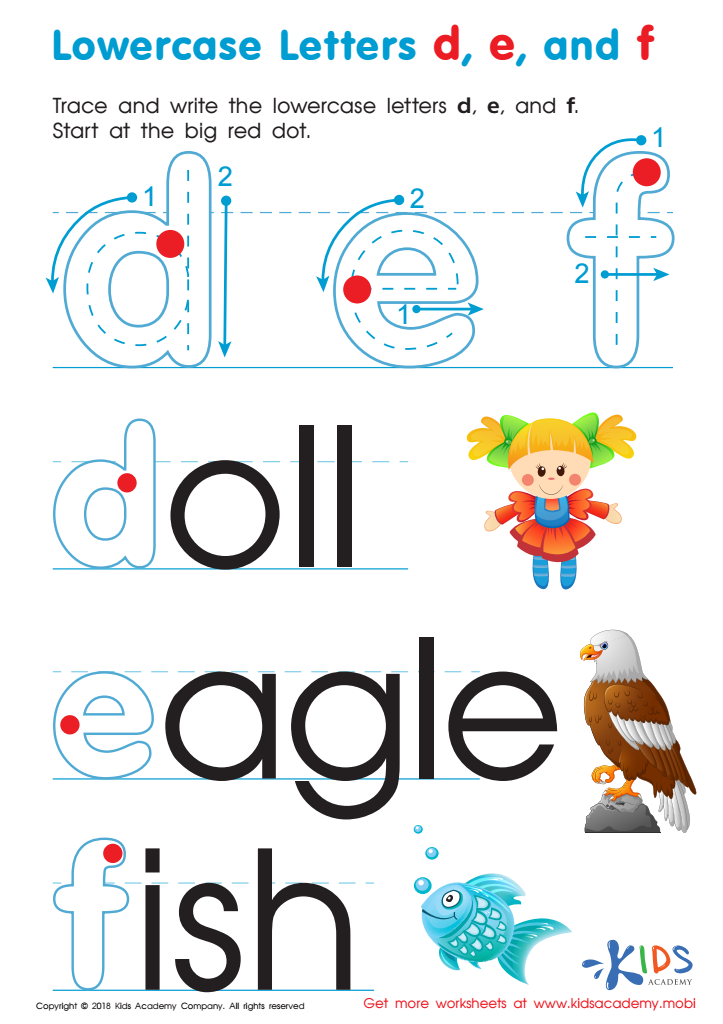
Lowercase Letters d e f Worksheet

White Tracing Color Words Worksheet








Fine motor skills are crucial during early childhood development, particularly for children aged 4 to 6. These skills involve the small muscles in the hands and fingers and are essential for performing everyday tasks, such as buttoning shirts, tying shoelaces, and using utensils. Critical for school readiness, fine motor skills also encompass the ability to trace and write words.
Engaging children in tracing activities develops hand-eye coordination, precision, and control, forming the foundation for proper handwriting. As children trace letters and words, they strengthen their finger muscles and improve their ability to grip pencils efficiently. This set of abilities is not only vital for academic tasks but also for fostering independence and self-esteem in young learners.
In addition, well-developed fine motor skills contribute to cognitive development. The act of tracing words enhances a child’s understanding of letter shapes and word structures, vital components of early literacy. Simplified tracing activities ensure that learning remains enjoyable and stress-free, promoting a positive attitude toward education.
Ultimately, by supporting fine motor skills development through tracing activities, parents and teachers play a pivotal role in helping children achieve academic success, independence in daily tasks, and overall cognitive growth. Investing time in these early skill-building exercises paves the way for well-rounded development and can positively influence a child’s lifelong learning journey.