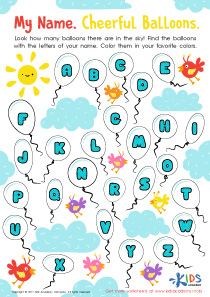
Alphabet Recognition Normal ABC Order Worksheets for Ages 4-7
8 filtered results
-
From - To
Our "Alphabet Recognition Normal ABC Order Worksheets for Ages 4-7" are designed to enhance your child's alphabetical knowledge and sequencing skills. These engaging, printable worksheets are perfect for young learners, helping them to identify and order letters from A to Z. Each activity is crafted to be fun and educational, fostering an early love for reading and writing. Simply download and print to provide your child with valuable practice that builds foundational literacy skills. Ideal for classrooms or at home, these worksheets support early cognitive development in an enjoyable, easy-to-follow format. Start nurturing their ABC mastery today!
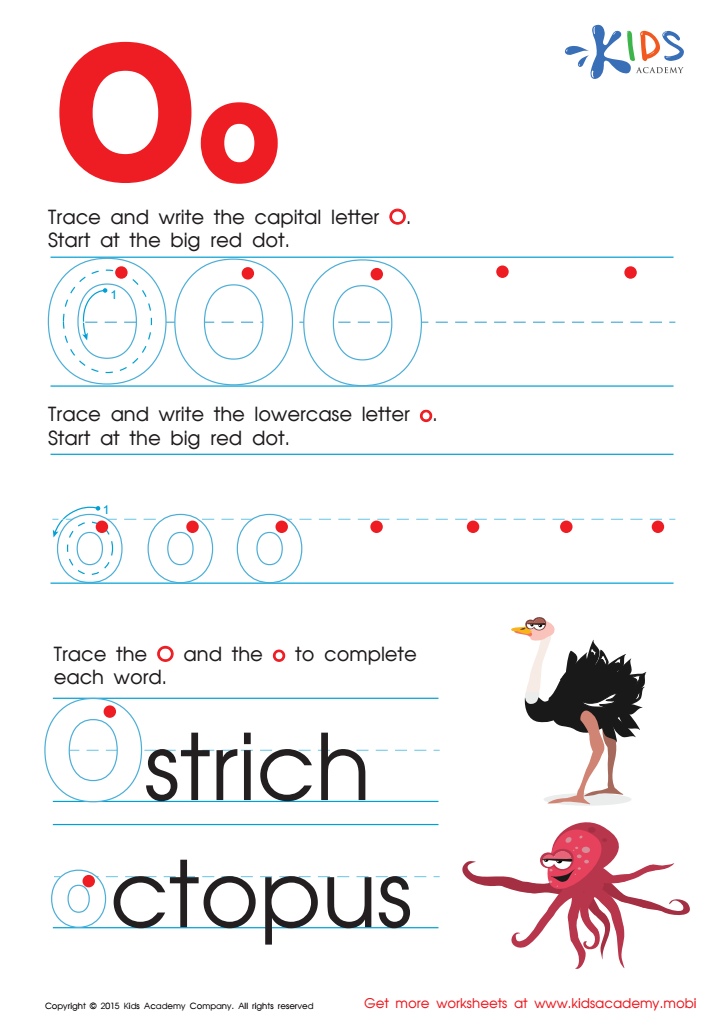
Letter O Tracing Page
 Assign to My Students




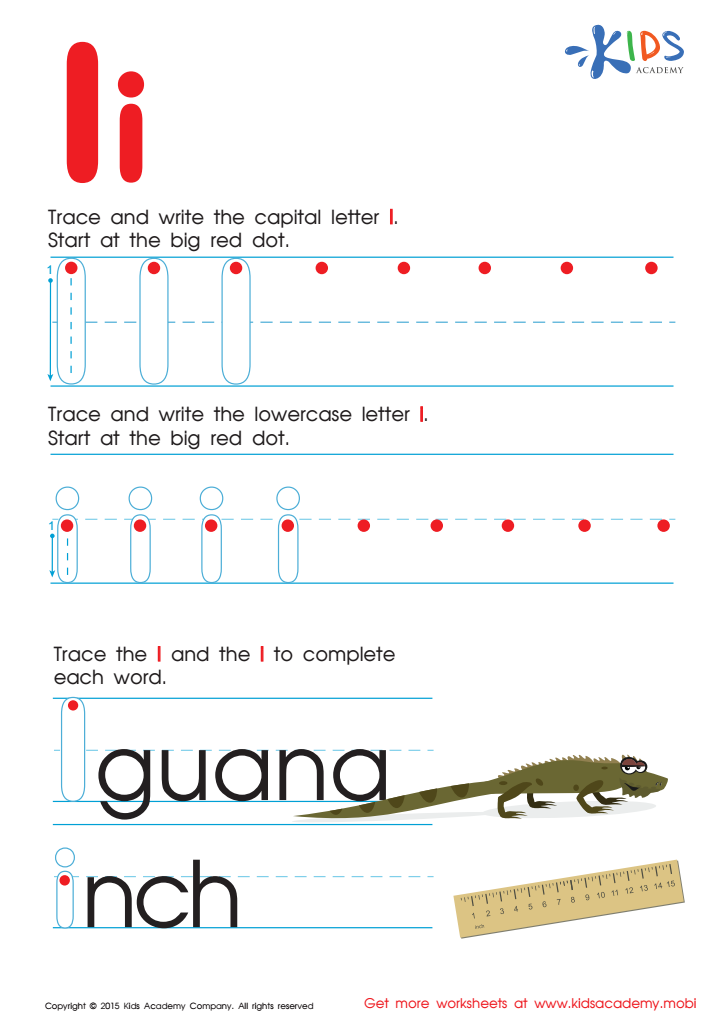
Letter I Tracing Page
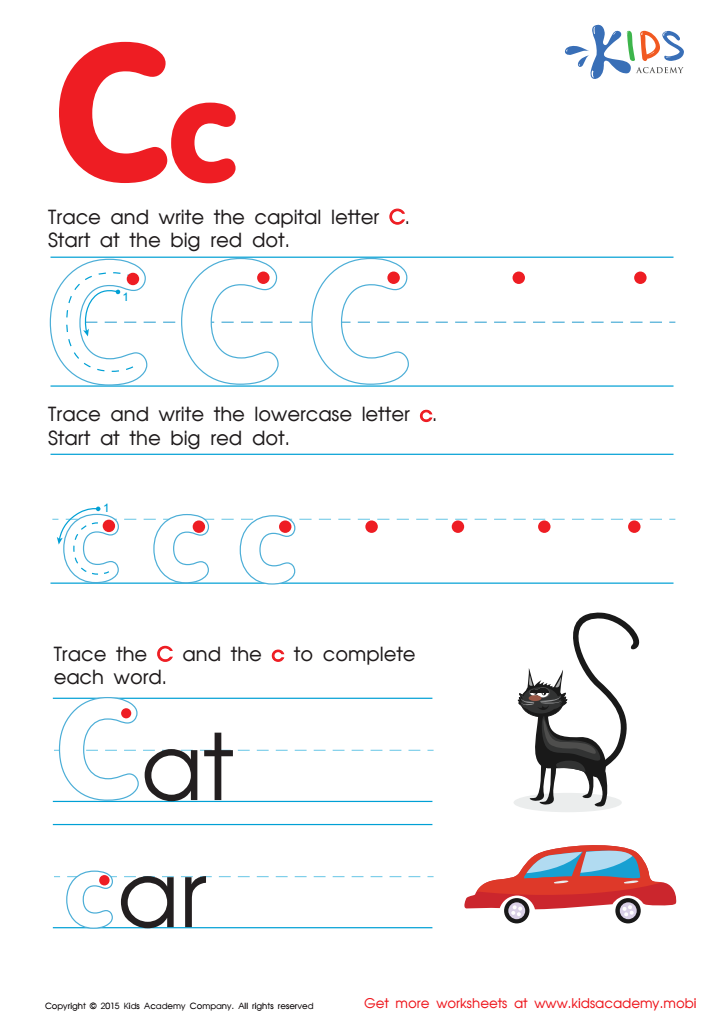
Letter C Tracing Page
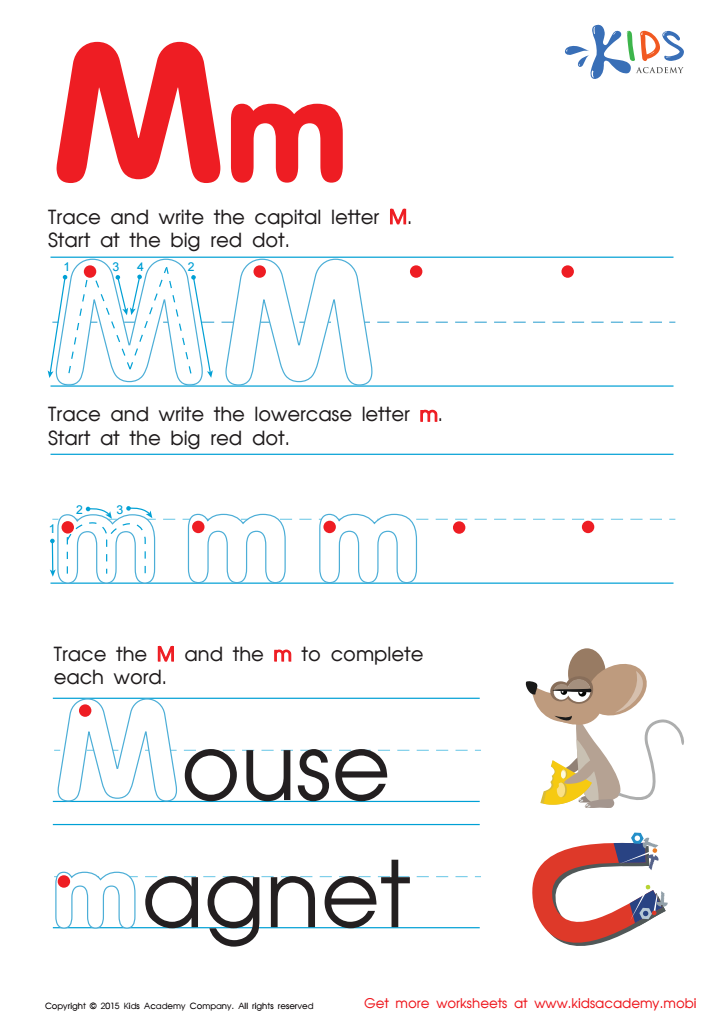
Letter M Tracing Page
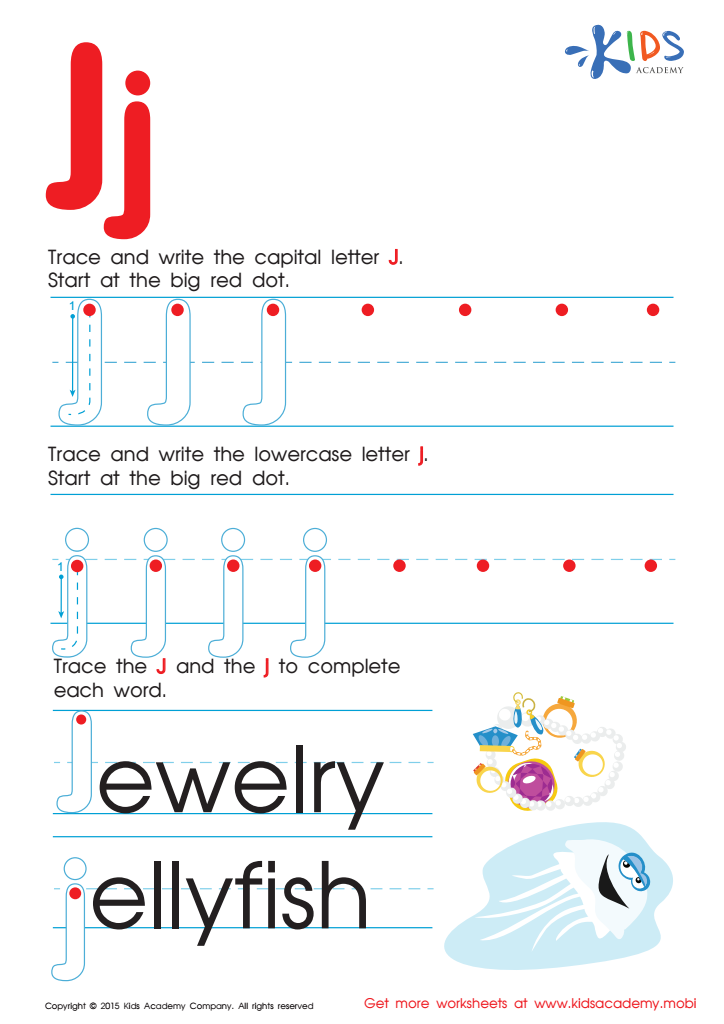
Letter J Tracing Page
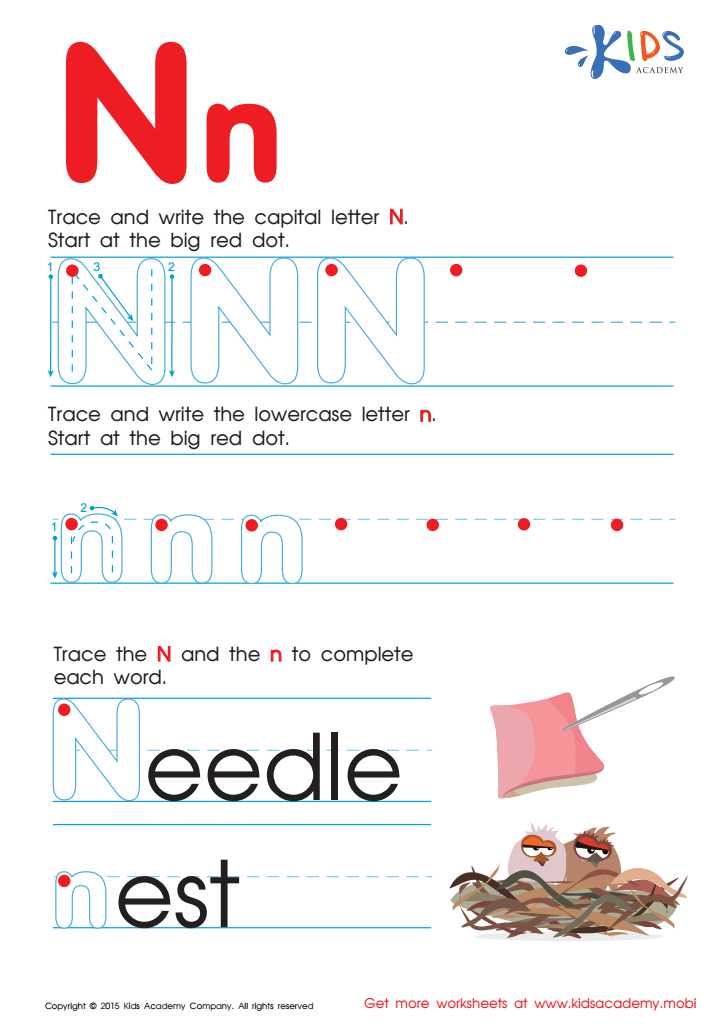
Letter N Tracing Page
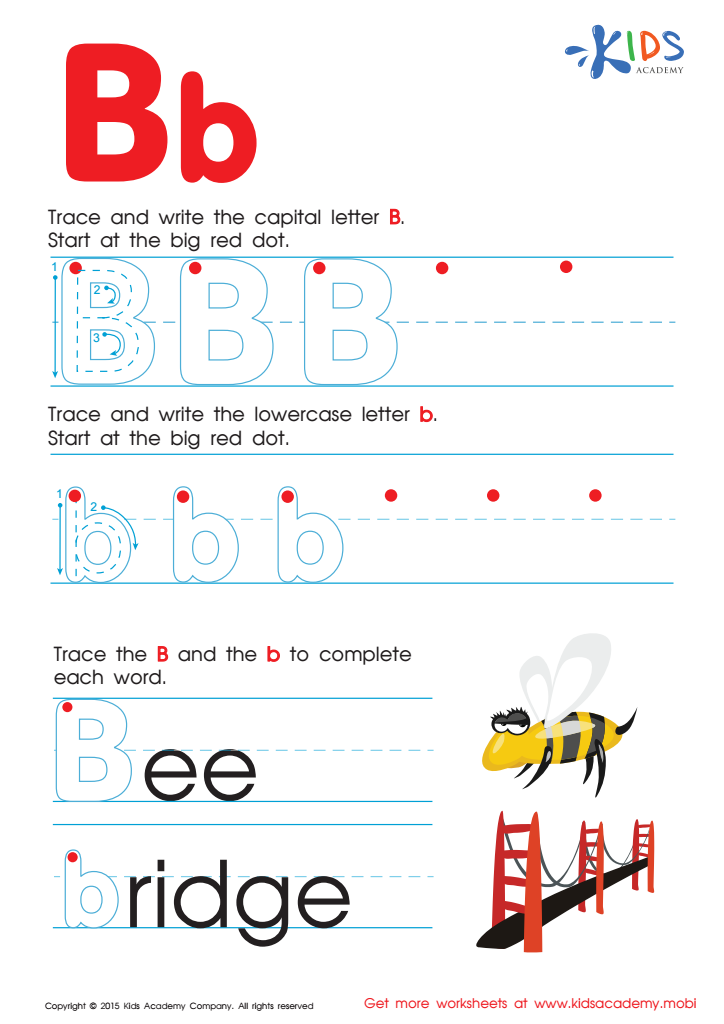
Letter B Tracing Page
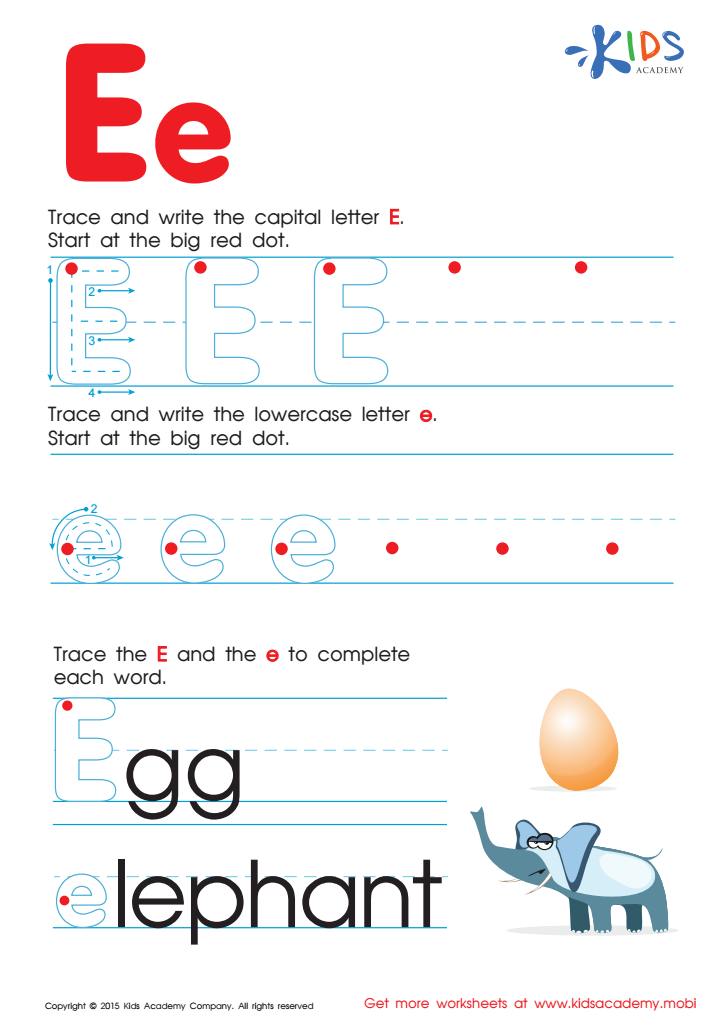
Letter E Tracing Page







Alphabet recognition in normal ABC order is a fundamental step that parents and teachers should emphasize for children aged 4-7 years. This foundational skill not only facilitates early literacy but also underpins a host of other academic competencies. When young learners can effortlessly identify and sequence letters in the correct order, they lay the groundwork for proficient reading and writing – both critical skills for their educational journey.
Firstly, recognizing letters in their consecutive order helps children understand alphabetical organization, easing their interaction with dictionaries, indexes, or any alphabetical lists as they grow older. It sharpens their abilities to categorize and access information systematically.
Moreover, this skill is linked to phonemic awareness; knowing individual letters enables children to connect them with sounds, aiding in phonics and spelling development. These aspects are crucial for fluency and comprehension, allowing them to decode new words and understand texts effectively.
On a cognitive level, mastering alphabet recognition enhances memory and concentrates focus, essential qualities for overall academic success. It fosters confidence, as this milestone achievement provides a sense of accomplishment, engendering a positive attitude towards learning.
In conclusion, alphabet recognition in normal ABC order forms a crucial pillar in early childhood education, providing important skills that will support children's lifelong learning and literacy.