Alphabet Recognition Normal Alphabet Worksheets for Ages 4-7 - Page 2
42 filtered results
-
From - To
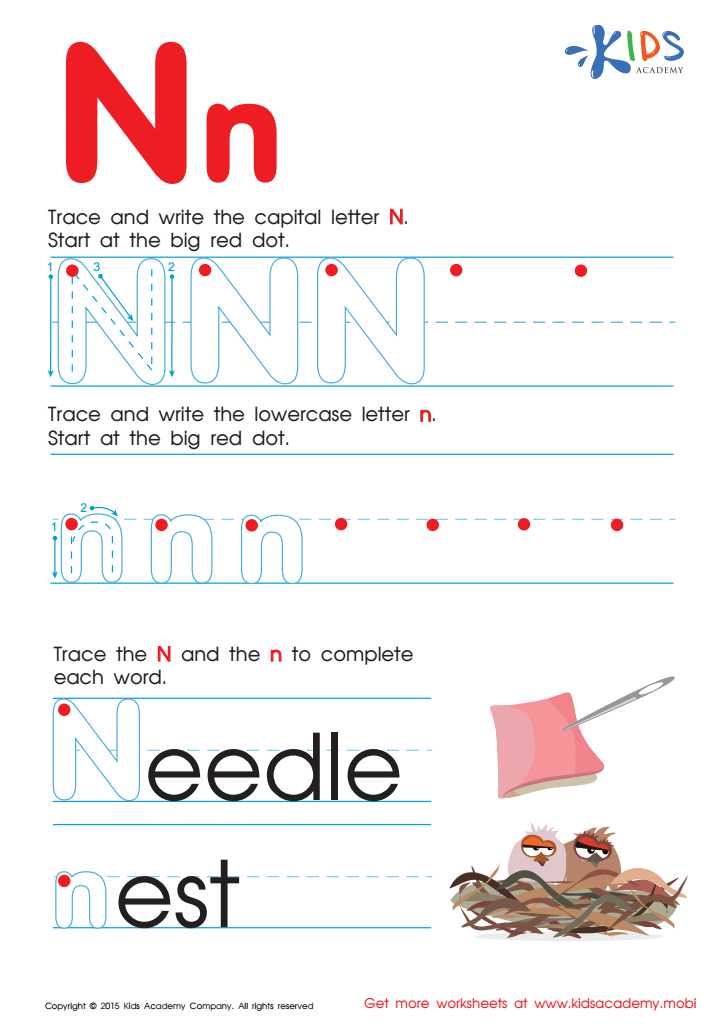
Letter N Tracing Page
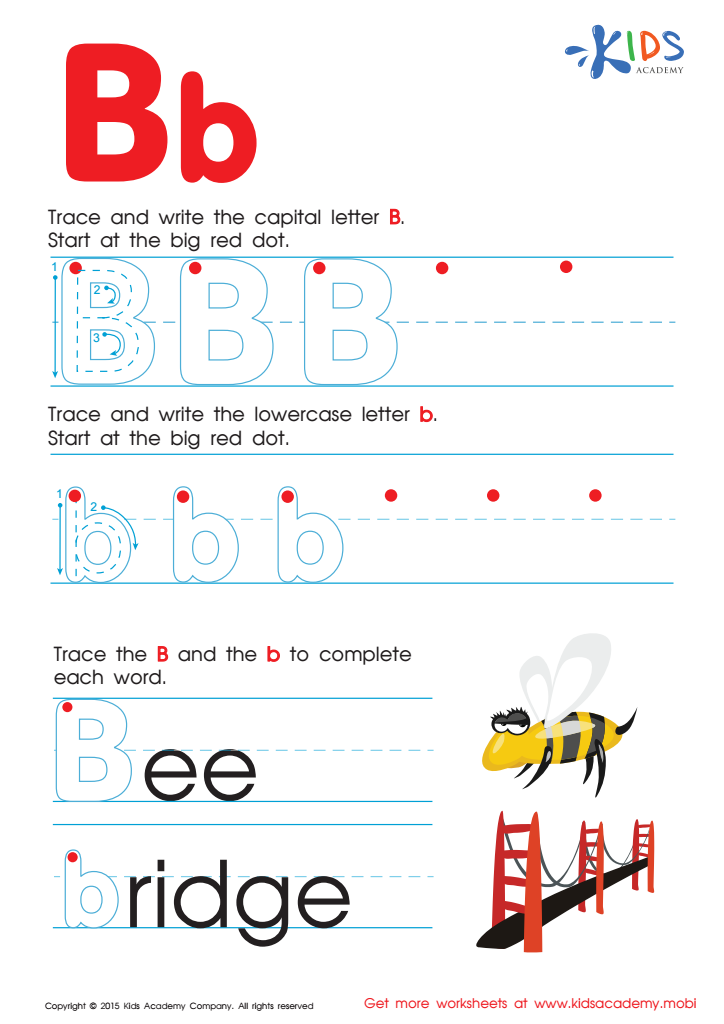
Letter B Tracing Page
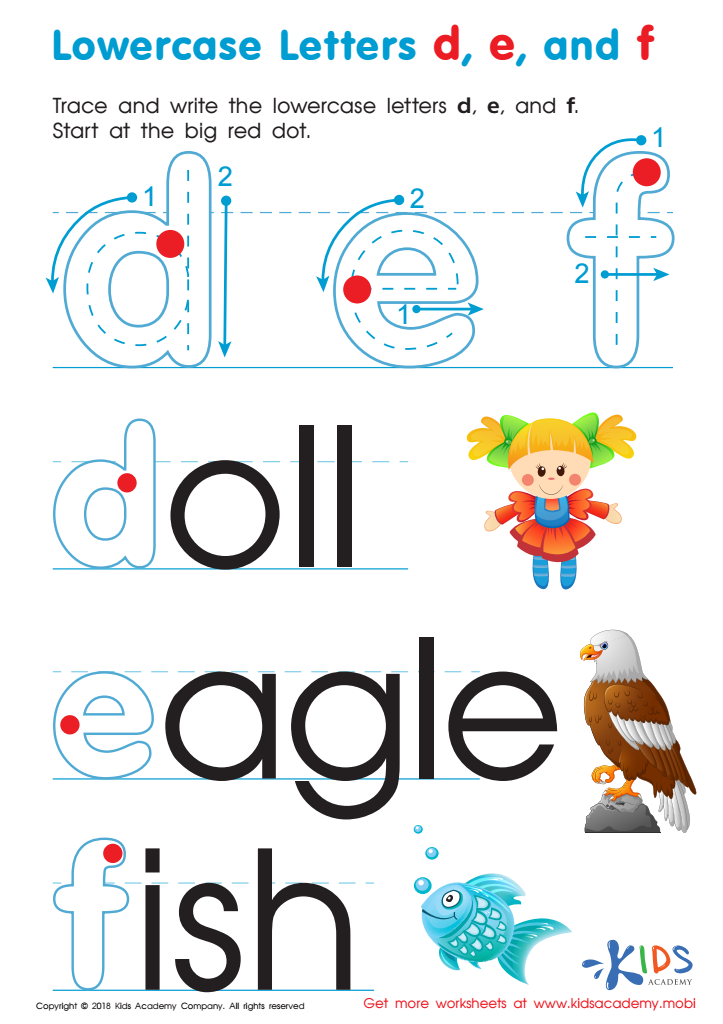
Lowercase Letters d e f Worksheet
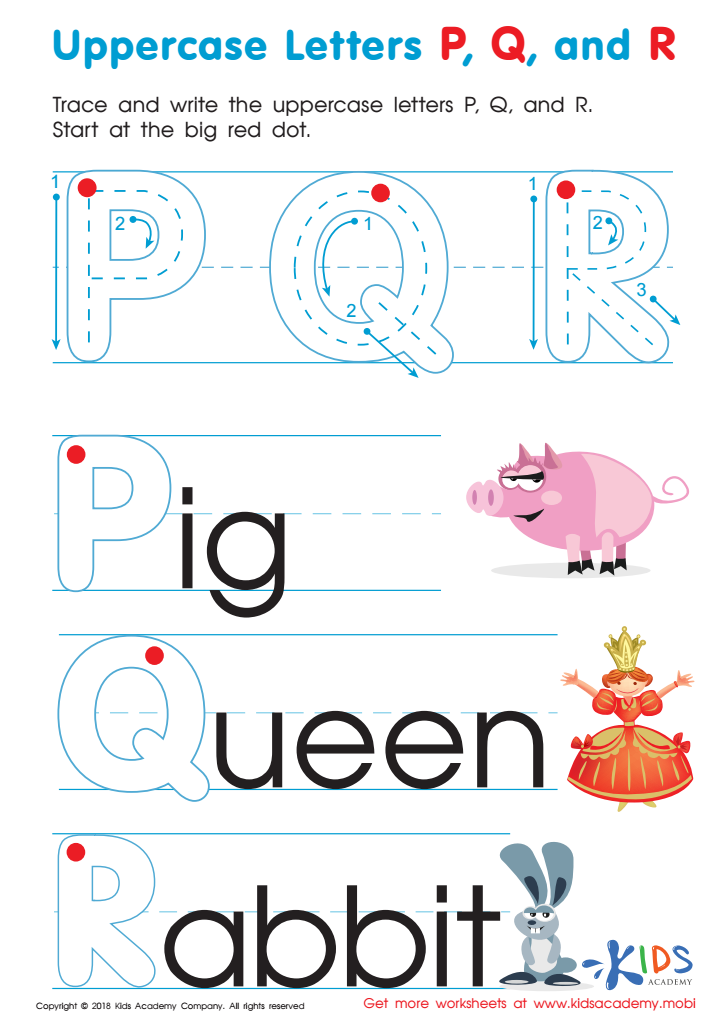
Uppercase Letters P, Q, and R Worksheet
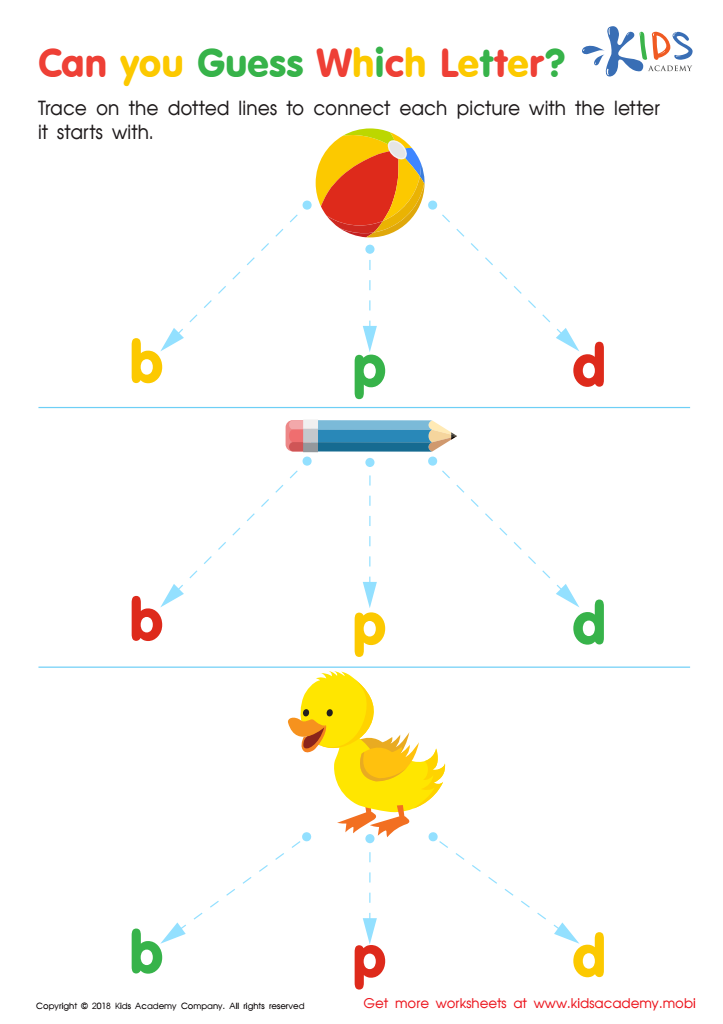
Can you Guess Which Letter? Worksheet
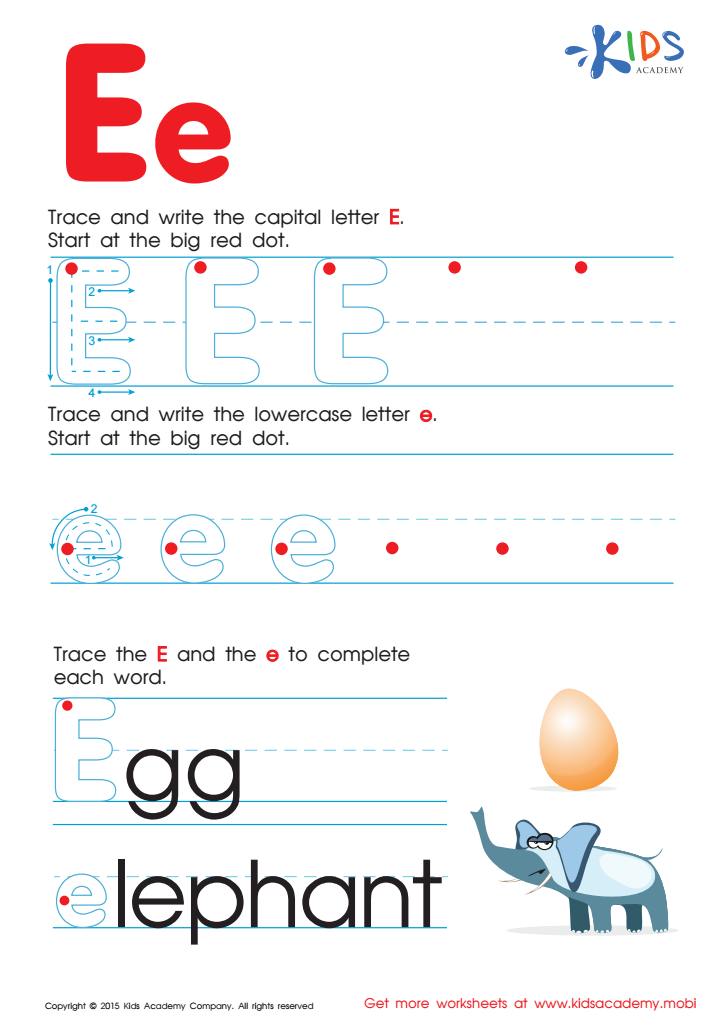
Letter E Tracing Page
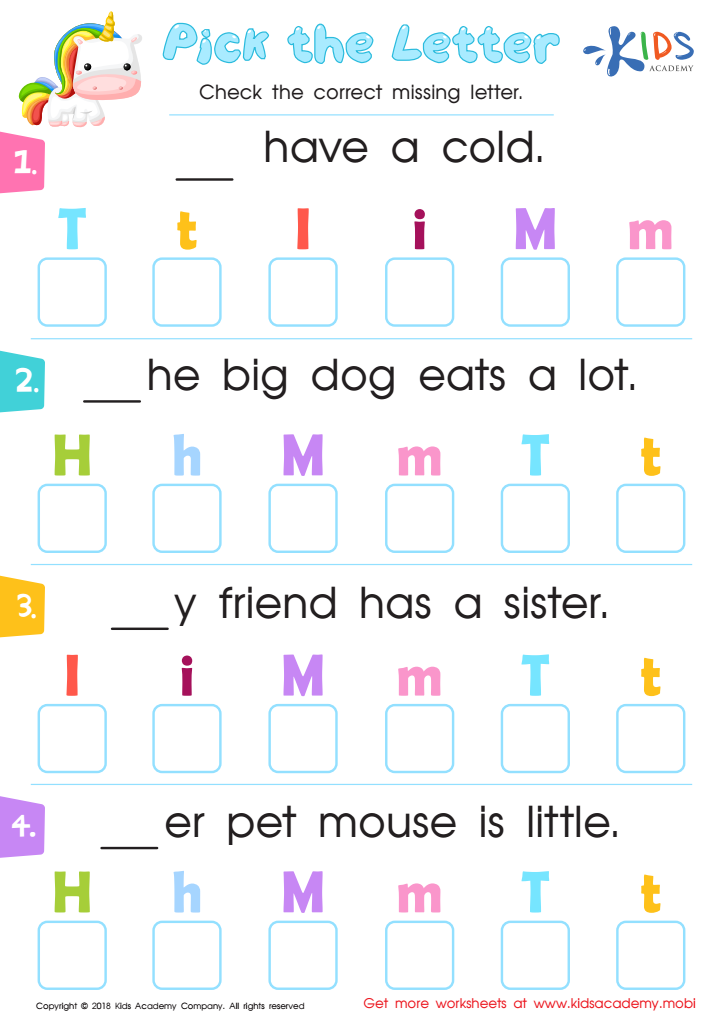
Pick the Letter Worksheet
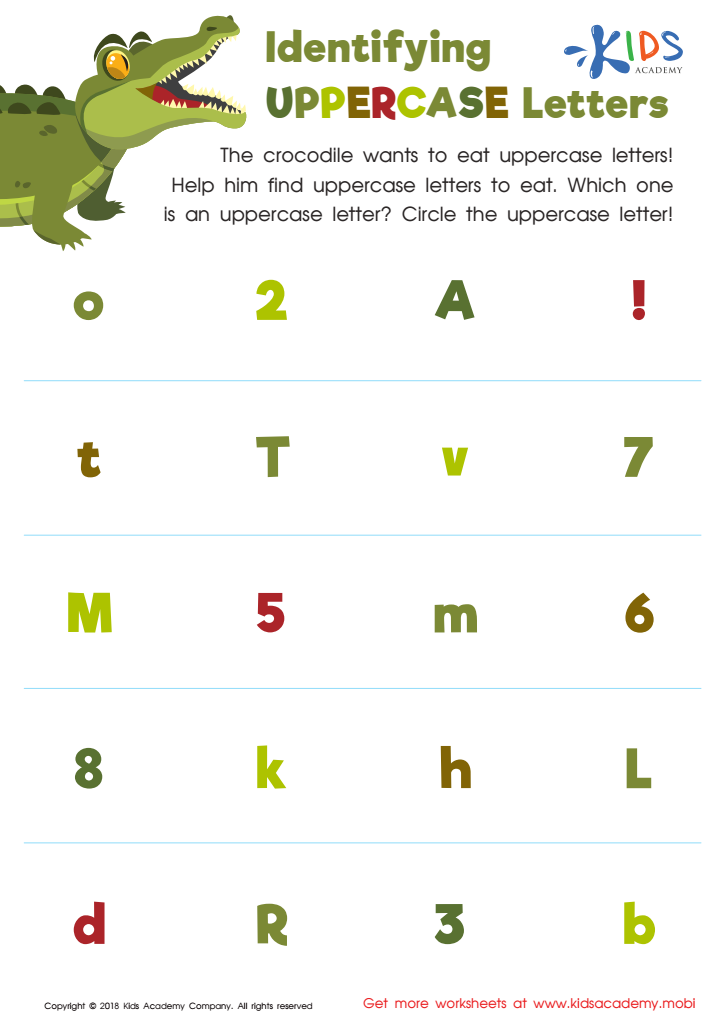
Identifying Uppercase Letters Worksheet
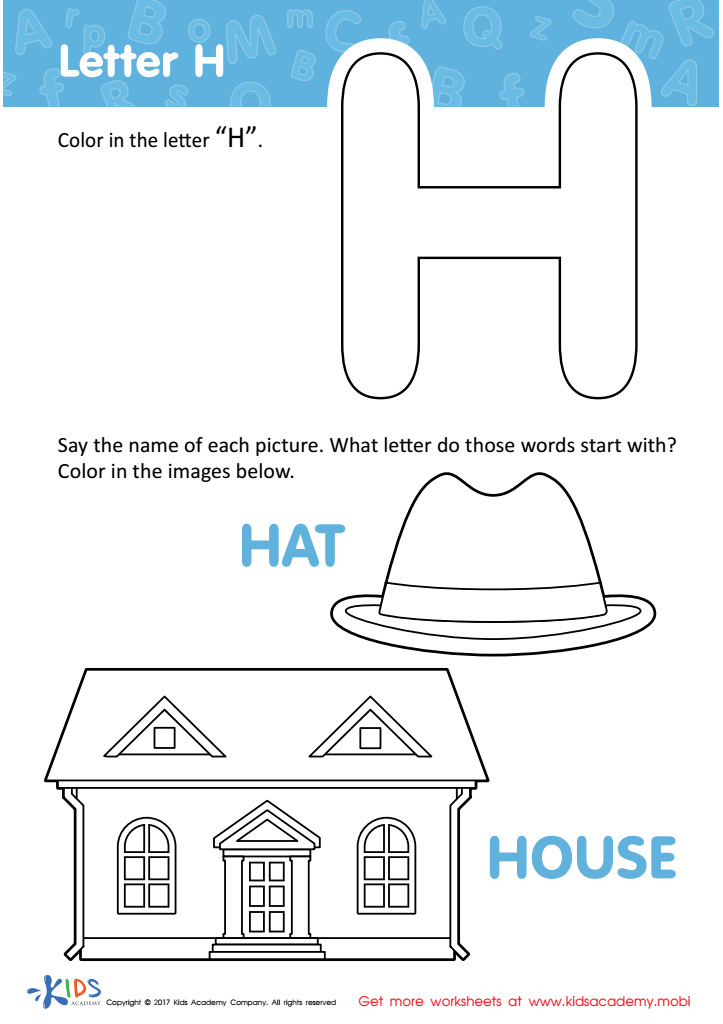
Letter H Coloring Sheet
 Assign to My Students
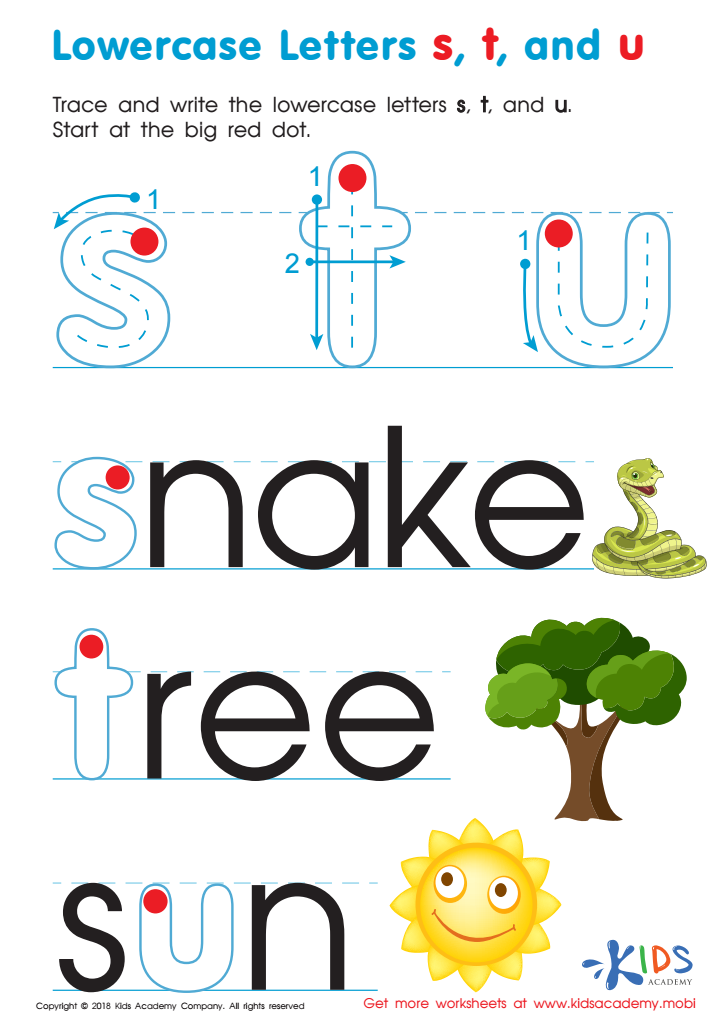
Lowercase Letters s t u Worksheet
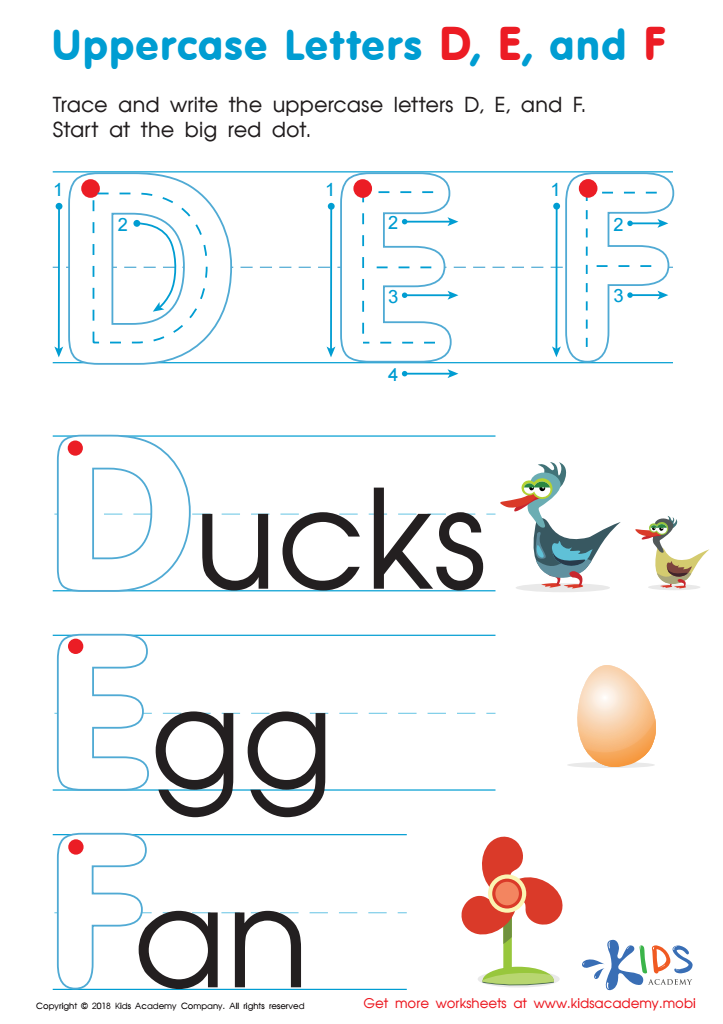
Uppercase Letters D, E, and F Worksheet
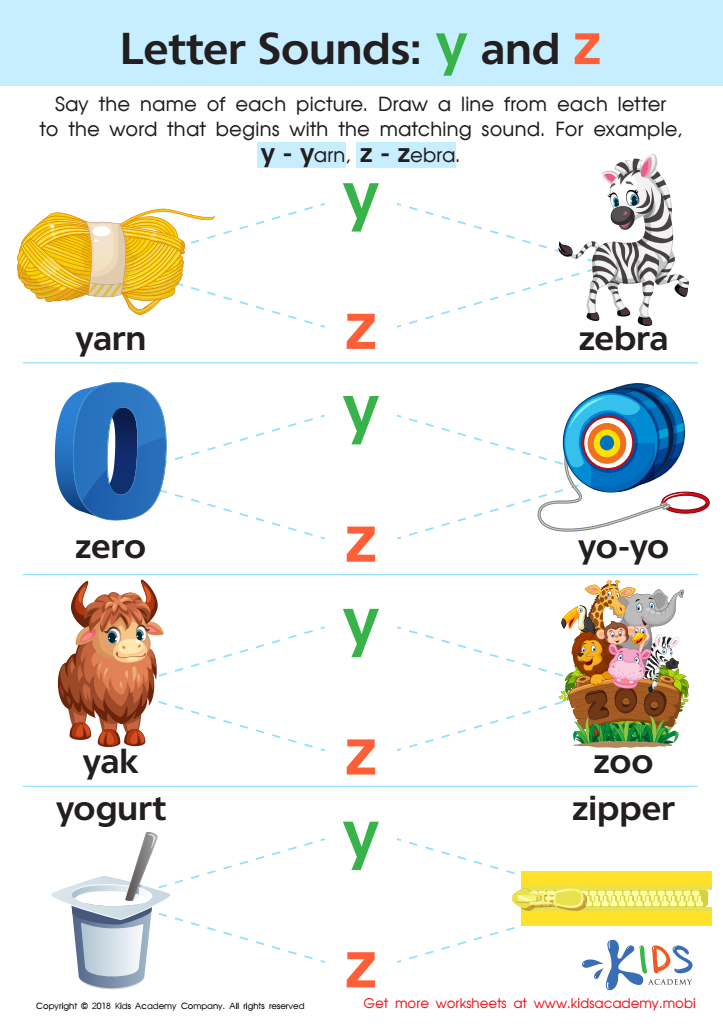
Letter Y and Z Sounds Worksheet
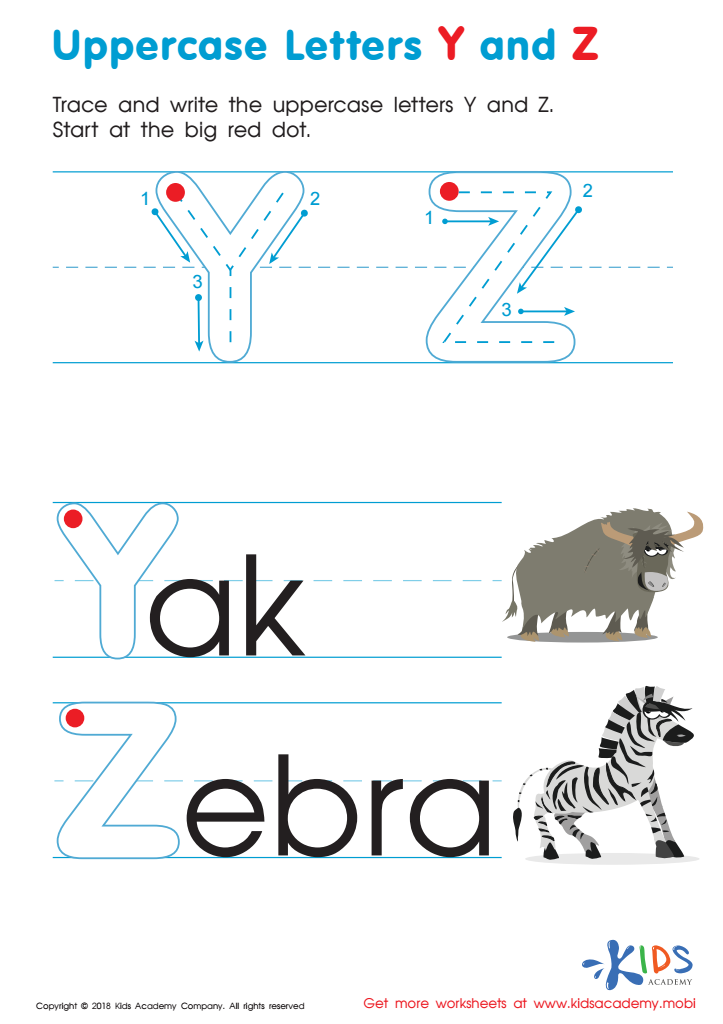
Uppercase Letters Y Z Worksheet
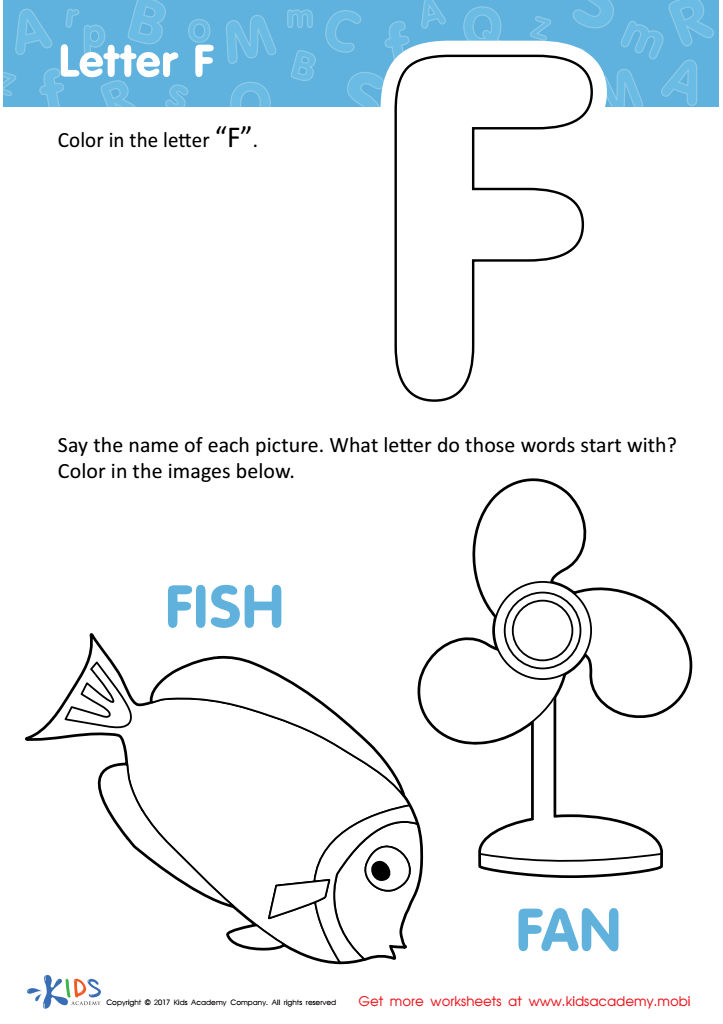
Letter F Coloring Sheet
Assign to My Students
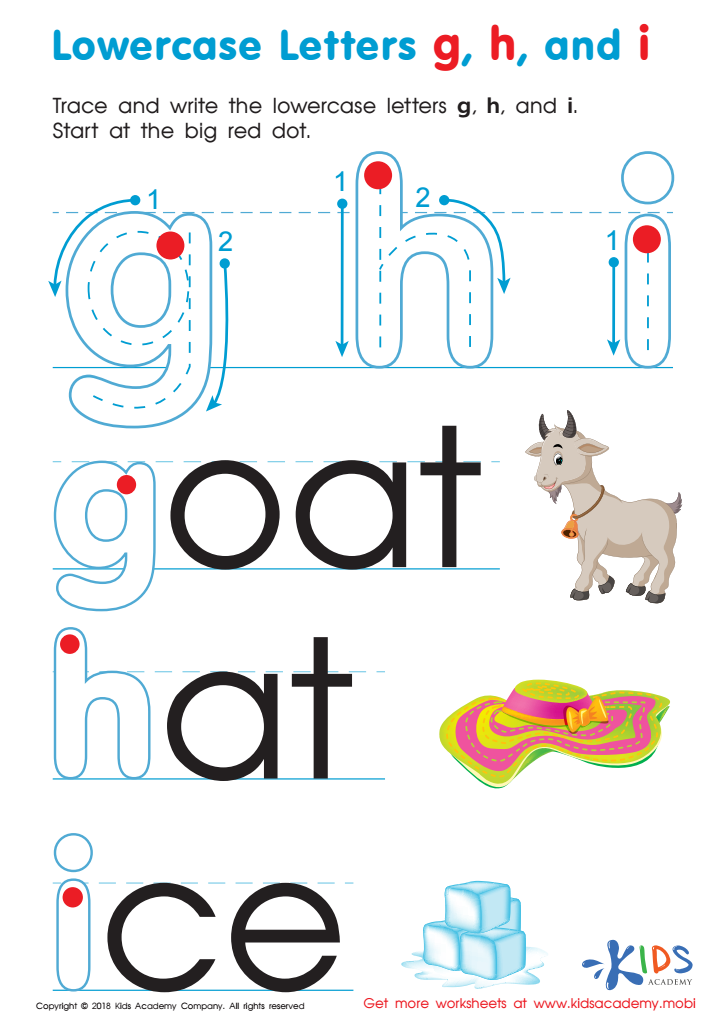
Lowercase Letters g h i Worksheet
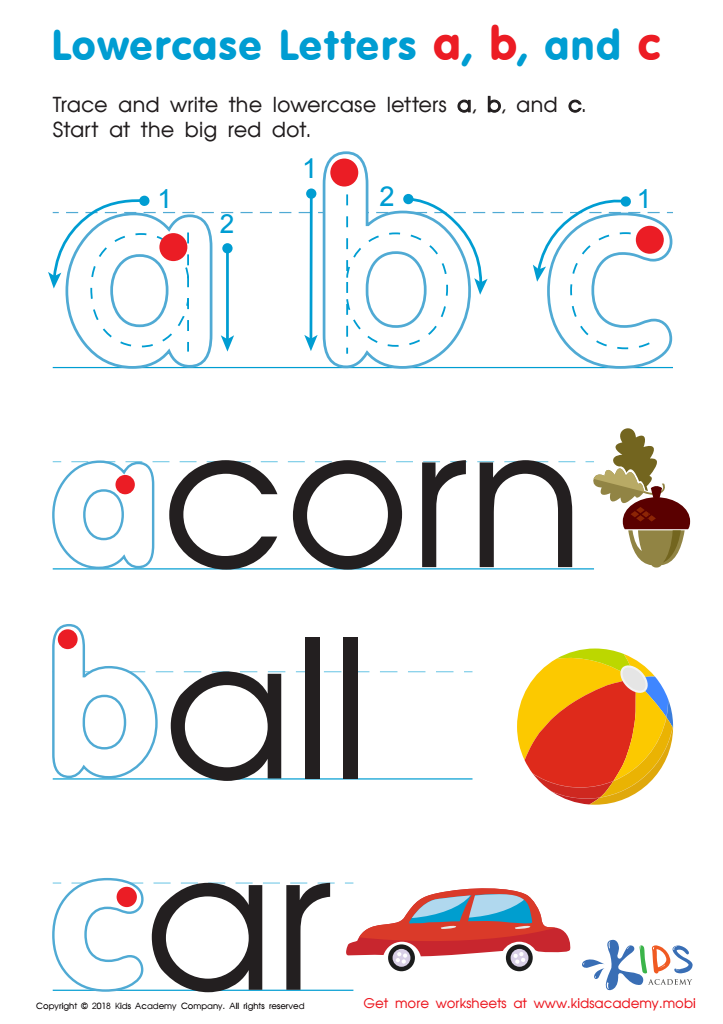
Lowercase Letters a b c Worksheet
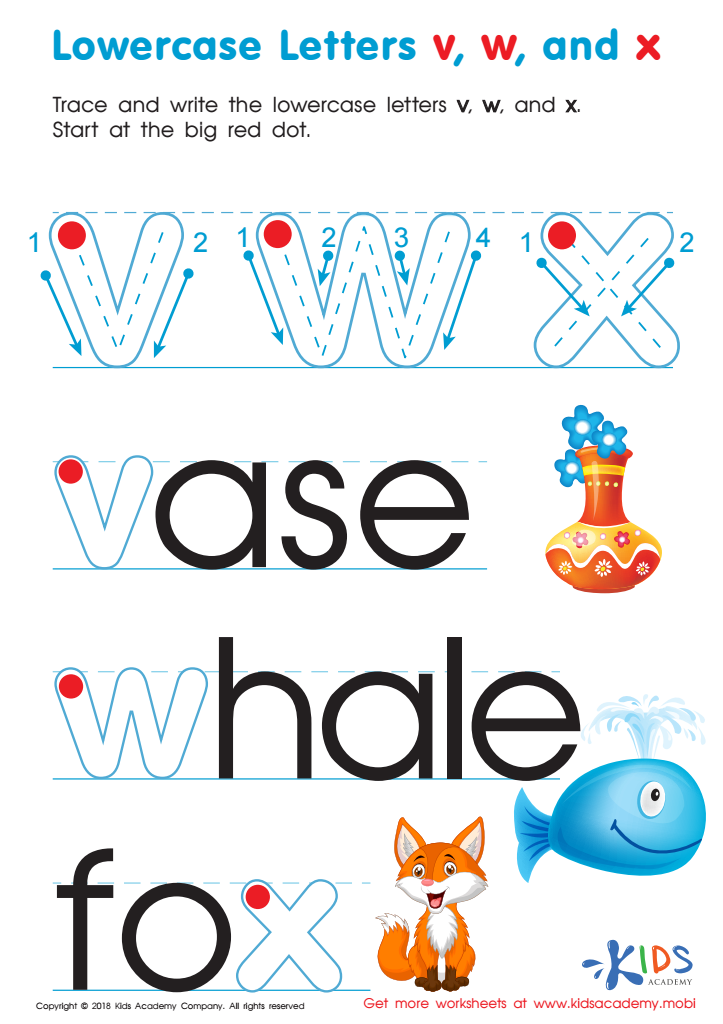
Lowercase Letters v w x Worksheet
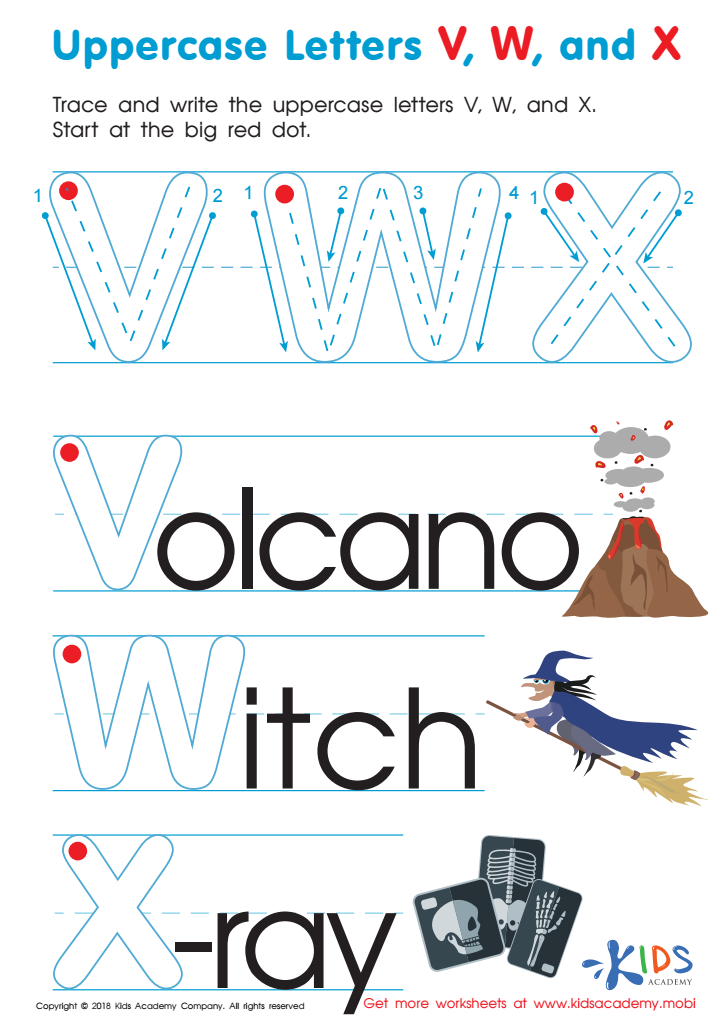
Uppercase Letters V, W, and X Worksheet








Alphabet recognition is a critical foundational skill for children aged 4-7, serving as one of the primary building blocks for literacy development. This ability enables children to identify and name the letters of the alphabet—a significant step toward learning to read and write. Mastery of alphabet recognition aids cognitive development by fostering letter-sound relationships, which are crucial for decoding words.
For parents and teachers, encouraging strong alphabet recognition has numerous benefits. Firstly, it supports early reading skills: children who can readily identify letters are more likely to recognize and sound out words, thus facilitating smoother and faster reading progression. Secondly, knowing the alphabet enhances phonological awareness, enabling children to understand how sounds combine to form words. This awareness is essential for effective spelling and overarching language proficiency.
Moreover, early alphabet recognition sets the stage for academic success and boosts children’s confidence in their learning abilities. Children who struggle with letter identification may find subsequent literacy tasks more challenging, impacting their overall academic achievement and self-esteem.
Parents and teachers can make this learning process enjoyable and engaging through activities like alphabet puzzles, songs, and hands-on crafts, ensuring children view learning as a fun and rewarding experience. Investing time in teaching alphabet recognition equips children with essential skills that pave the way for all future educational endeavors.







