Fine Motor Skills Normal Alphabet Worksheets for Ages 4-7 - Page 2
55 filtered results
-
From - To

Find Uppercase Letters A, B, and C Worksheet

Find Lowercase Letters y z Worksheet
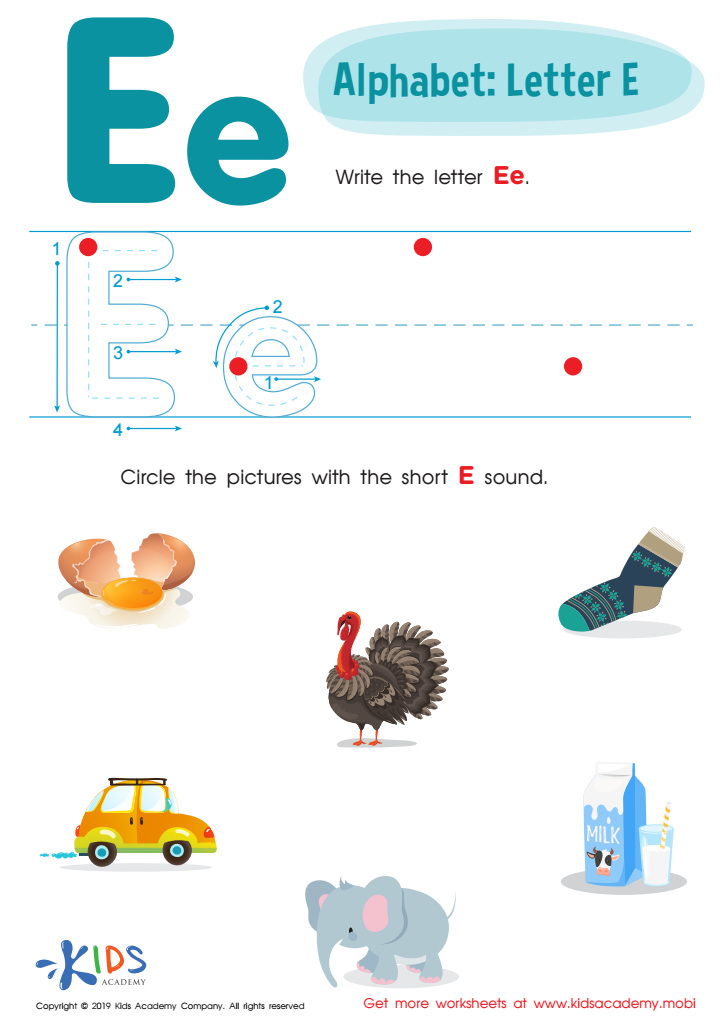
Letter E Tracing Worksheet
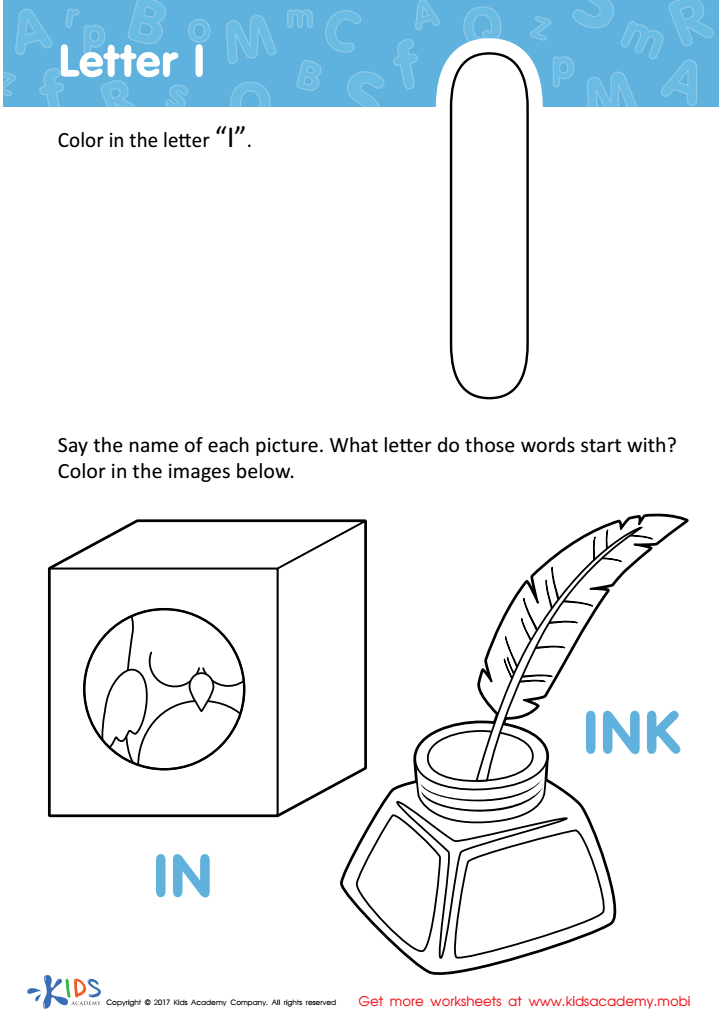
Letter I Coloring Sheet
 Assign to My Students

Let's Review! Big Letters Worksheet

Long and Short U Worksheet
Assign to My Students
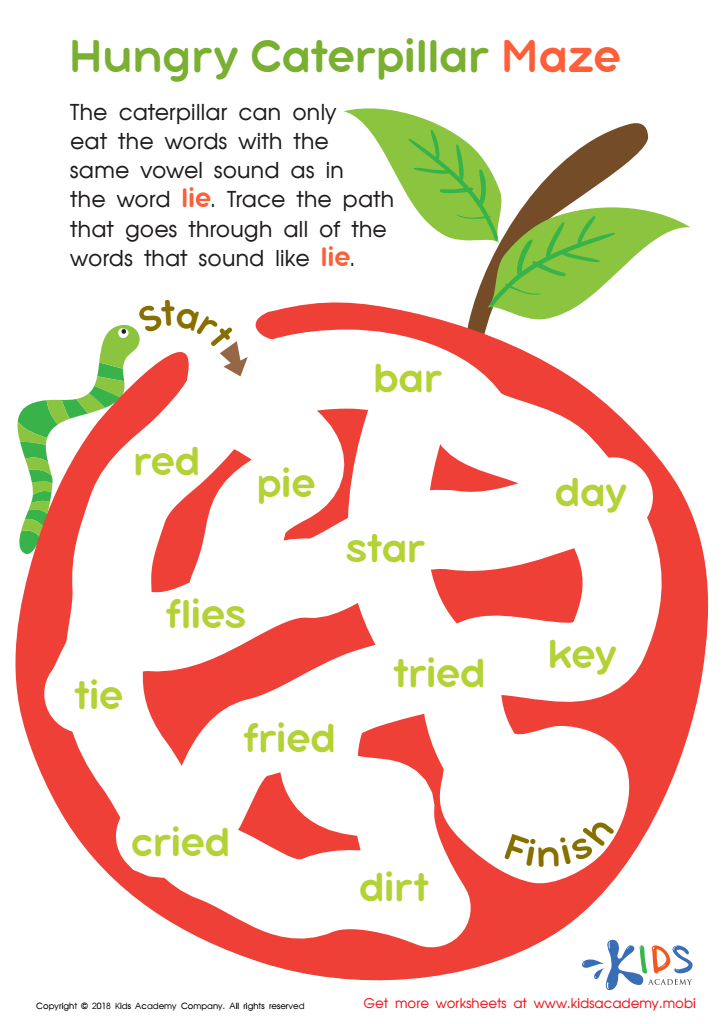
Hungry Caterpillar Maze Worksheet
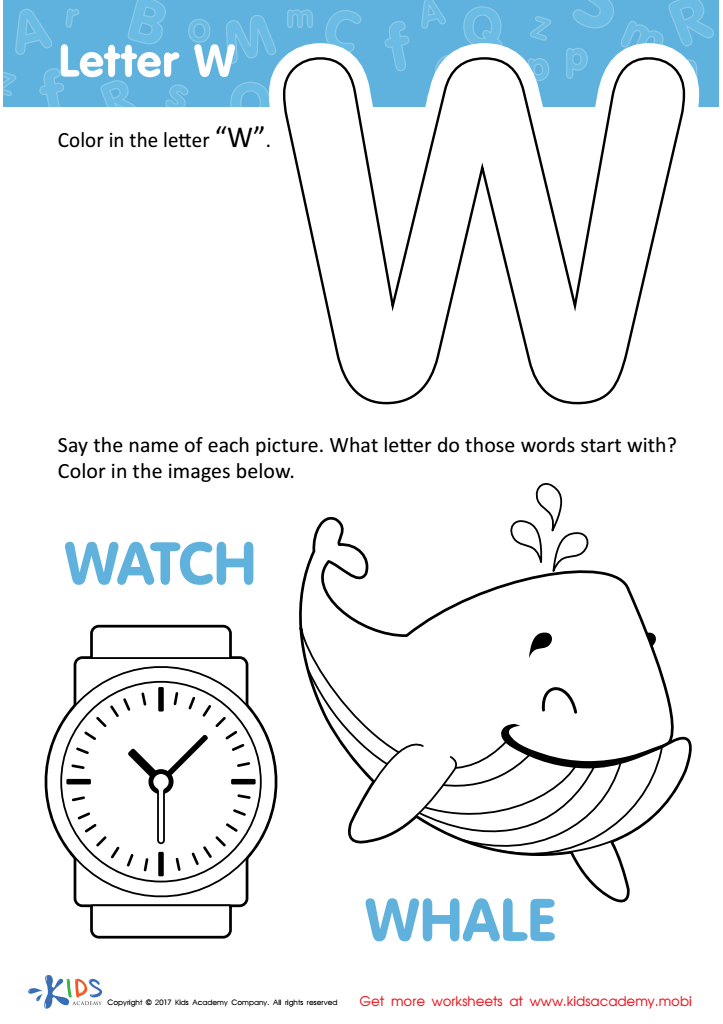
Letter W Coloring Sheet
Assign to My Students
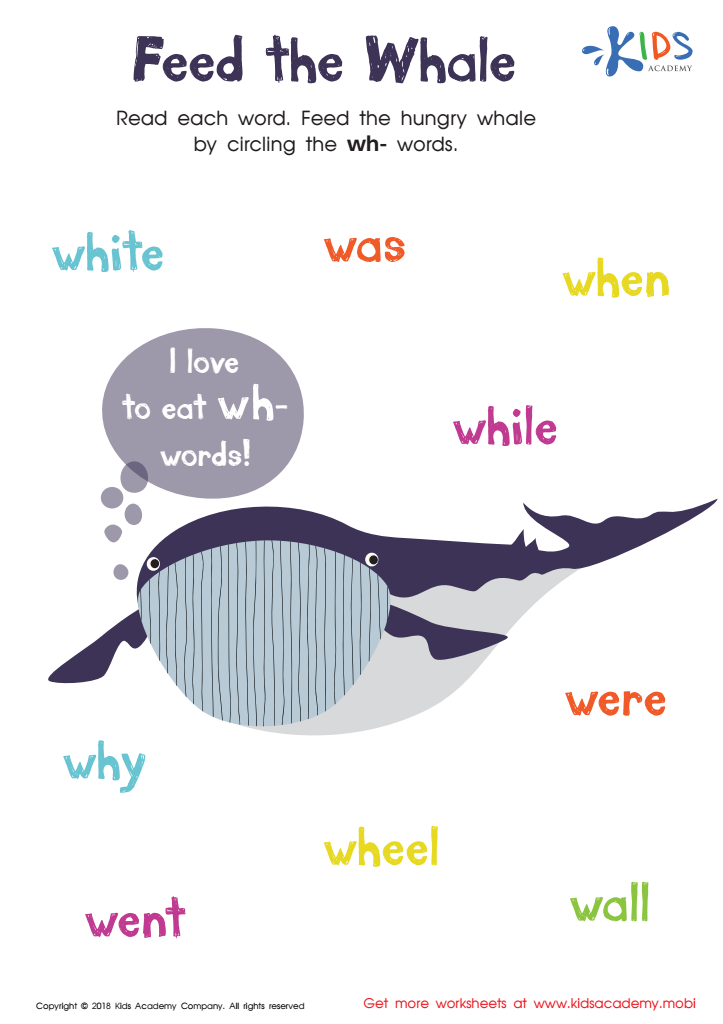
Feed the Whale Worksheet
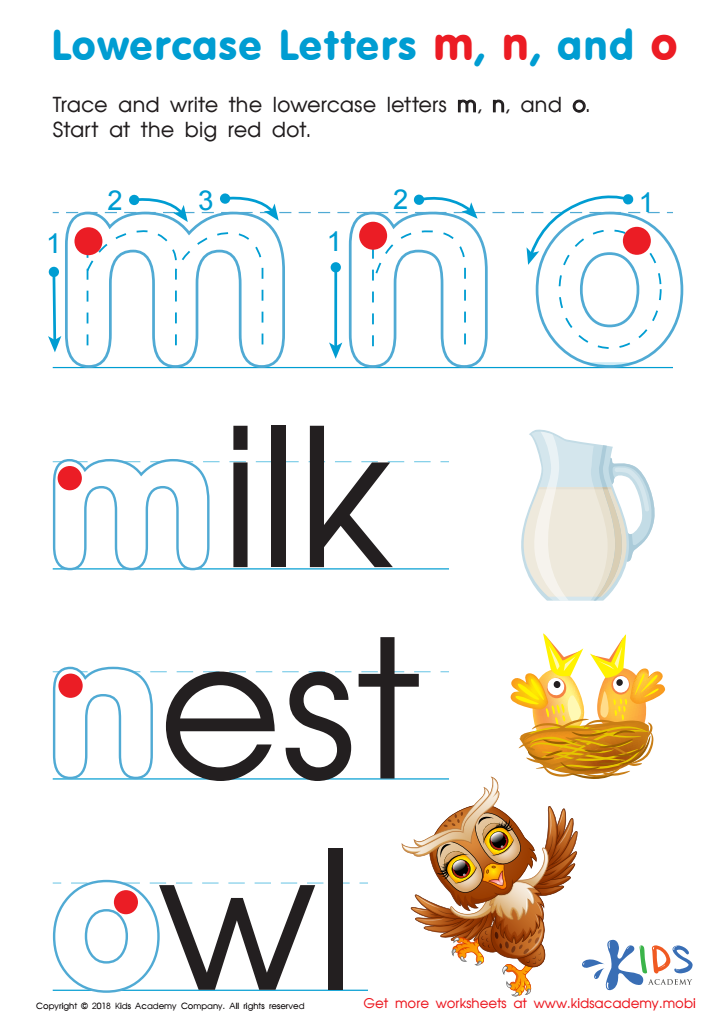
Lowercase Letters m n o Worksheet

Find Uppercase Letters V, W, X Worksheet
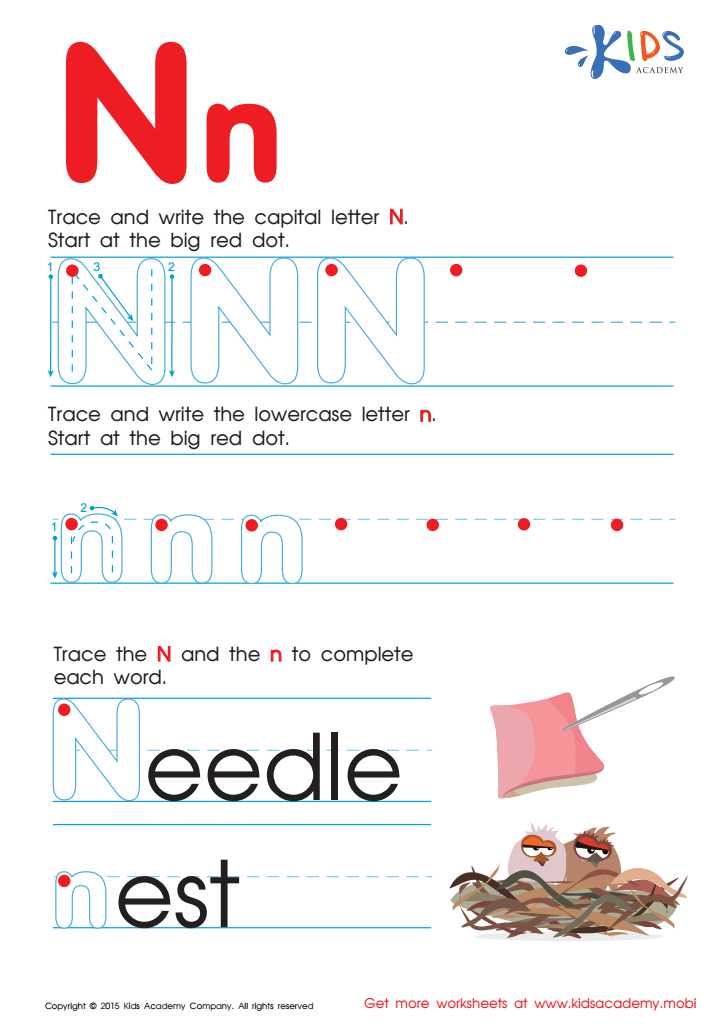
Letter N Tracing Page
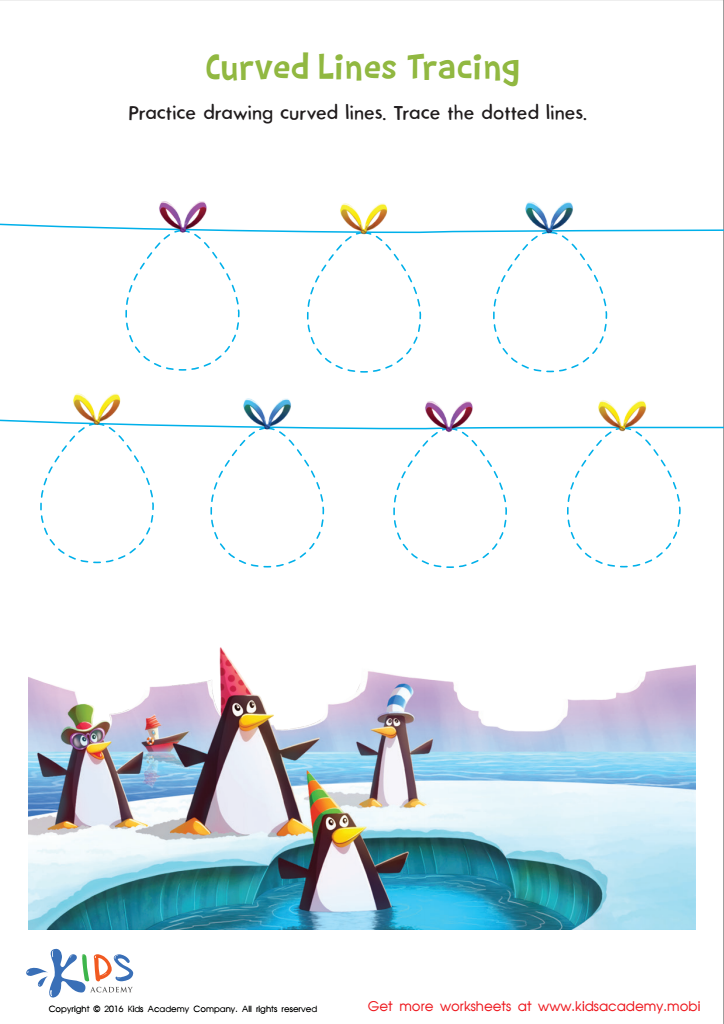
Curved Lines Tracing Worksheet
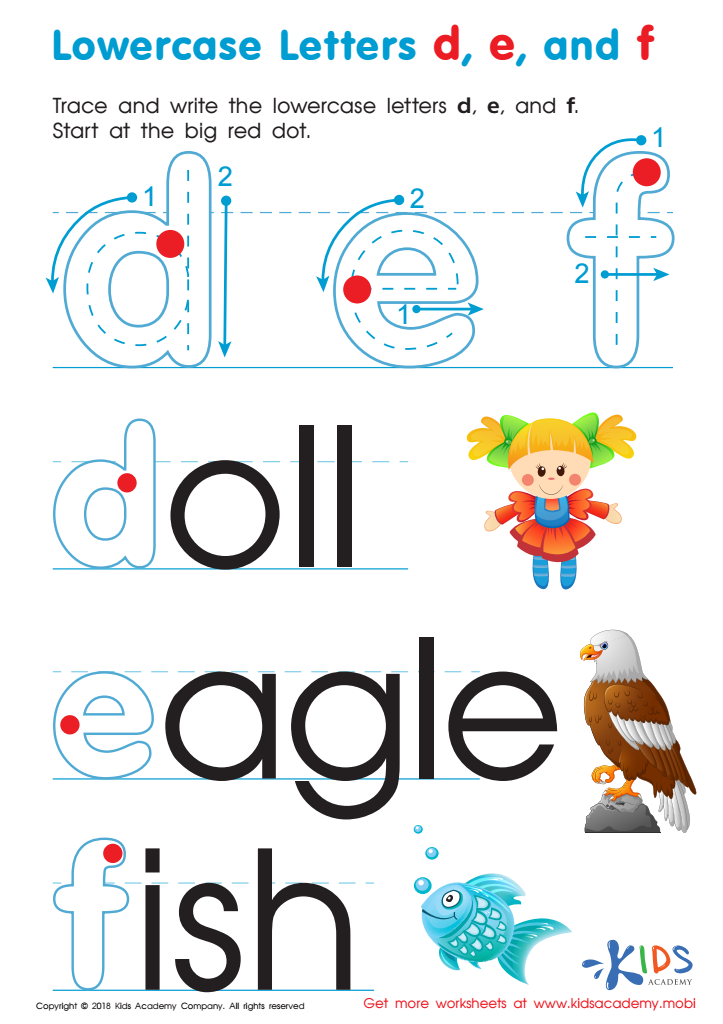
Lowercase Letters d e f Worksheet
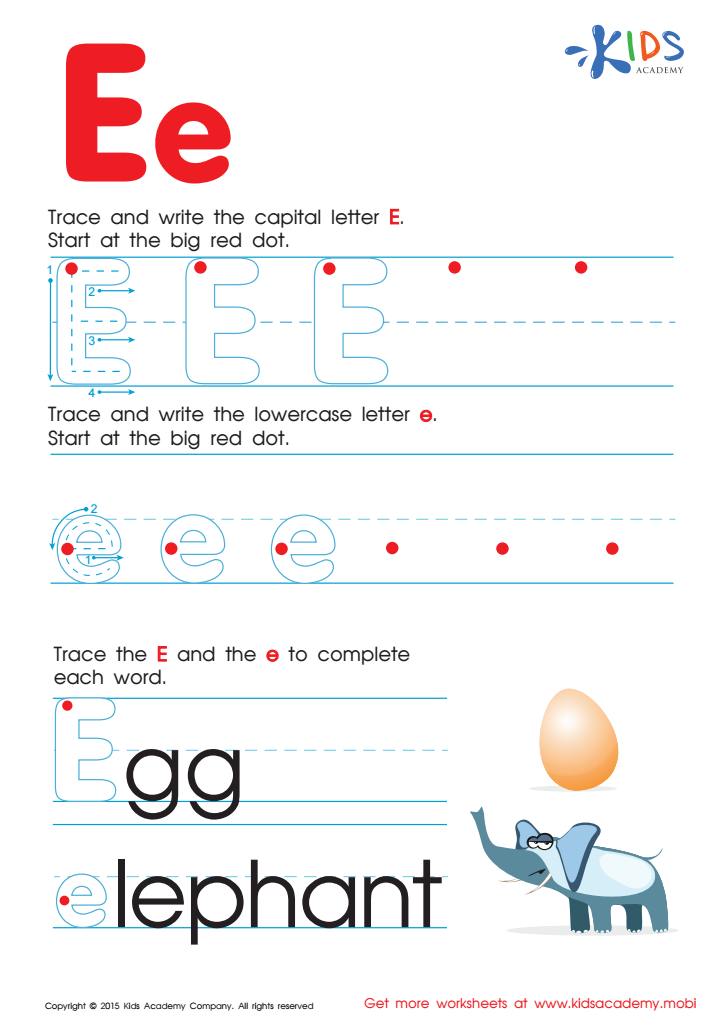
Letter E Tracing Page
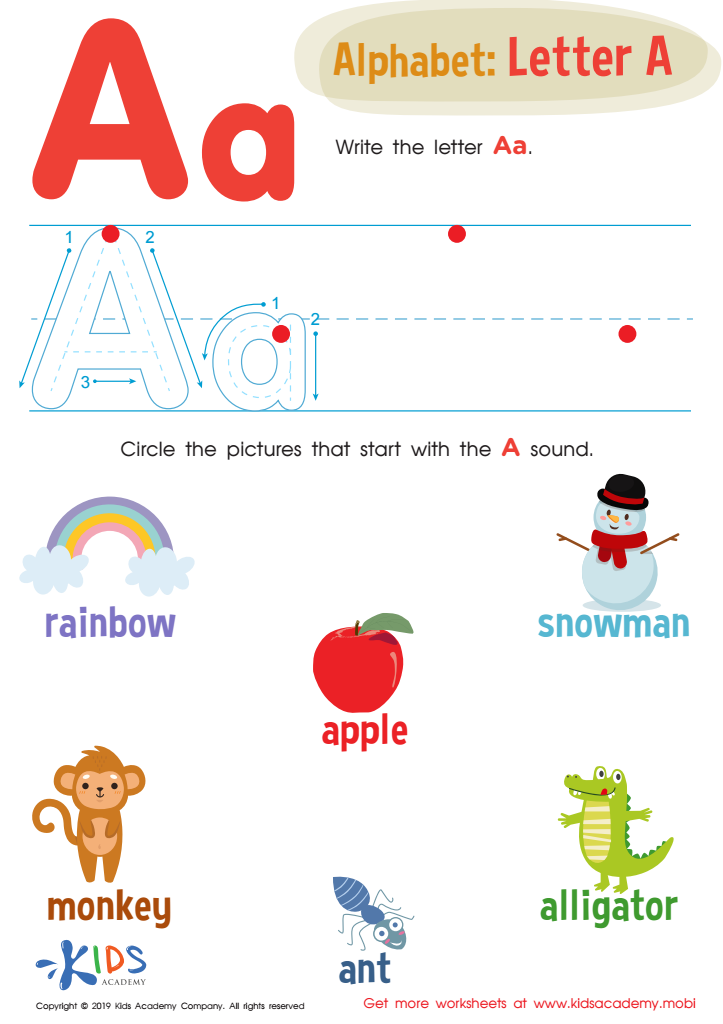
Letter A Tracing Worksheet

Letter G Coloring Sheet
Assign to My Students

Find Lowercase Letters m n o Worksheet

Identifying Uppercase Letters Worksheet
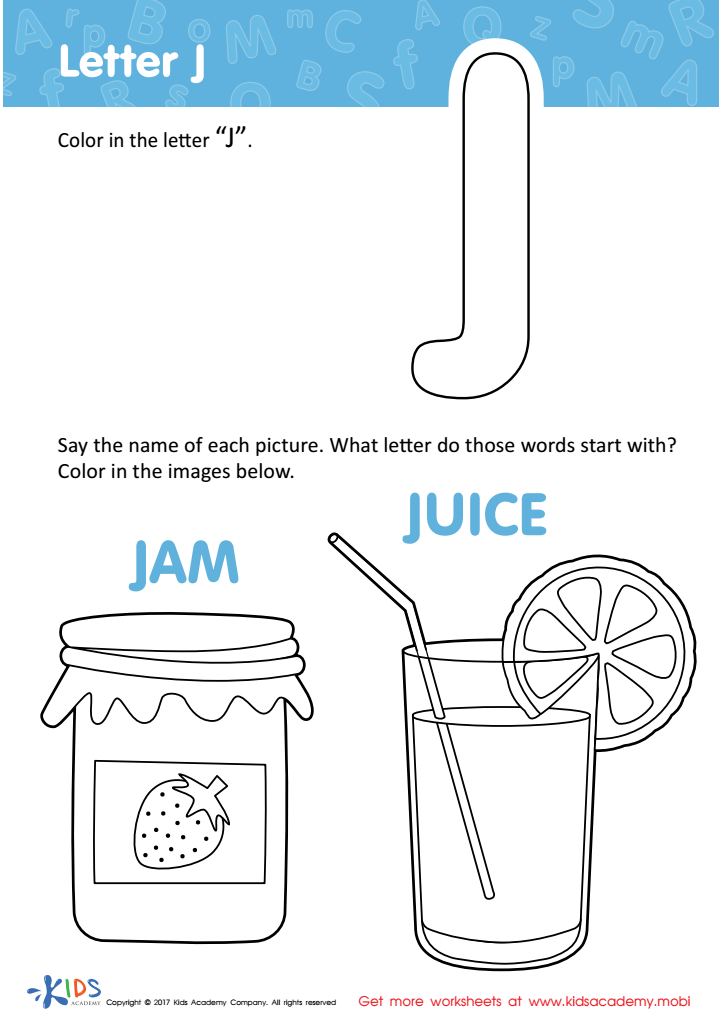
Letter J Coloring Sheet
Assign to My Students

Find lowercase letters a b c Worksheet
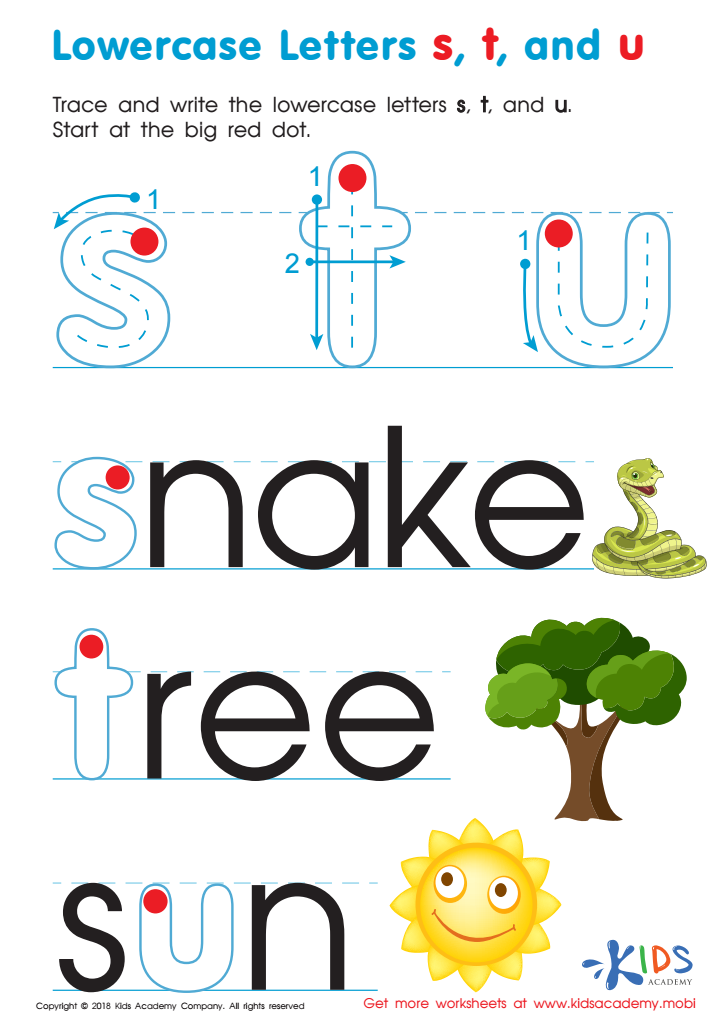
Lowercase Letters s t u Worksheet

Find Lowercase Letters v w x Worksheet
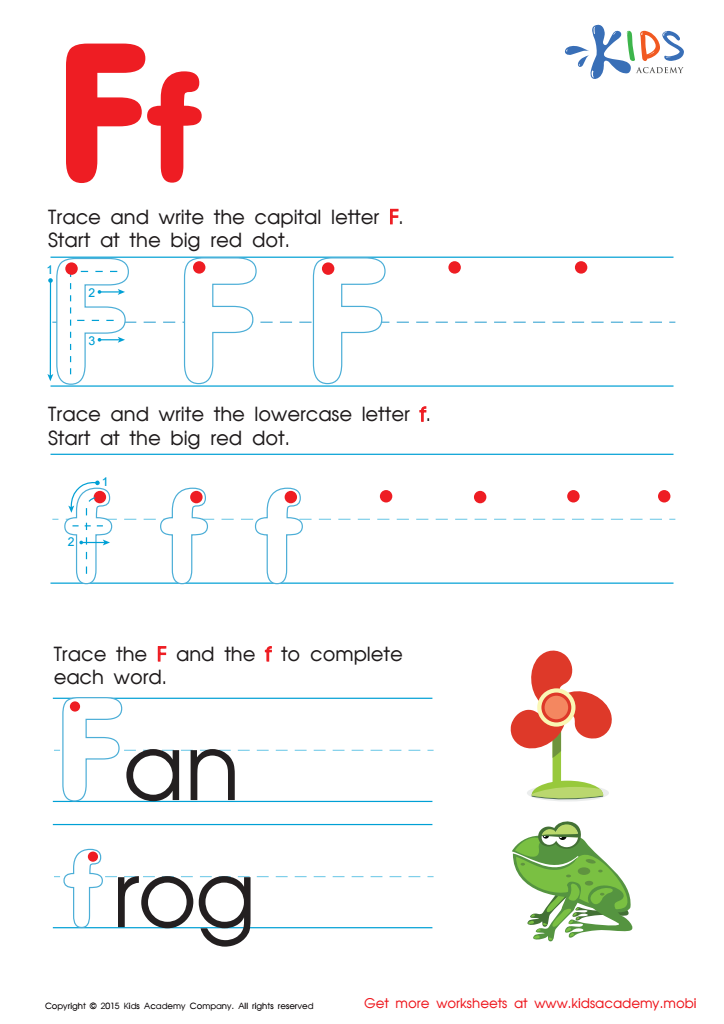
Letter F Tracing Page






Fine motor skills are essential for children aged 4-7, as they play a crucial role in a child's overall development, including academic success. At this age, children are beginning to learn how to write the alphabet, an important early literacy skill. Developing fine motor skills not only aids in writing but also enhances their ability to perform everyday tasks, like buttoning shirts, using scissors, or tying shoes.
Parents and teachers should prioritize nurturing these skills to build a strong foundation for fine motor development. Engaging children in activities that promote dexterity, such as drawing, coloring, or manipulating small objects, can help strengthen hand-eye coordination and control. Proficient fine motor skills can lead to improved confidence in academic settings, promoting positive learning experiences.
Moreover, an emphasis on fine motor skills can encourage creativity and problem-solving, as children engage in hands-on tasks. As fine motor skills are closely tied to cognitive function, developing them can also boost a child's ability to focus, interact socially, and develop self-regulation. Therefore, supporting fine motor skill development for children aged 4-7 can significantly enhance their readiness for school and future learning opportunities, making it an essential focus for parents and educators alike.







