Letter-sound recognition Normal Alphabet Worksheets for Ages 4-7
4 filtered results
-
From - To
Boost your child's early literacy skills with our "Letter-Sound Recognition Normal Alphabet Worksheets for Ages 4-7." Designed specifically for young learners, these engaging worksheets help children recognize letters and associate them with their corresponding sounds. Filled with fun activities, like tracing, matching, and coloring, these sheets make learning enjoyable and effective. Perfect for classroom use or at-home practice, our worksheets are an excellent resource for reinforcing fundamental phonics skills. Help your child take the first steps toward reading success with these educational worksheets. Get started today and watch your child's confidence and abilities grow!
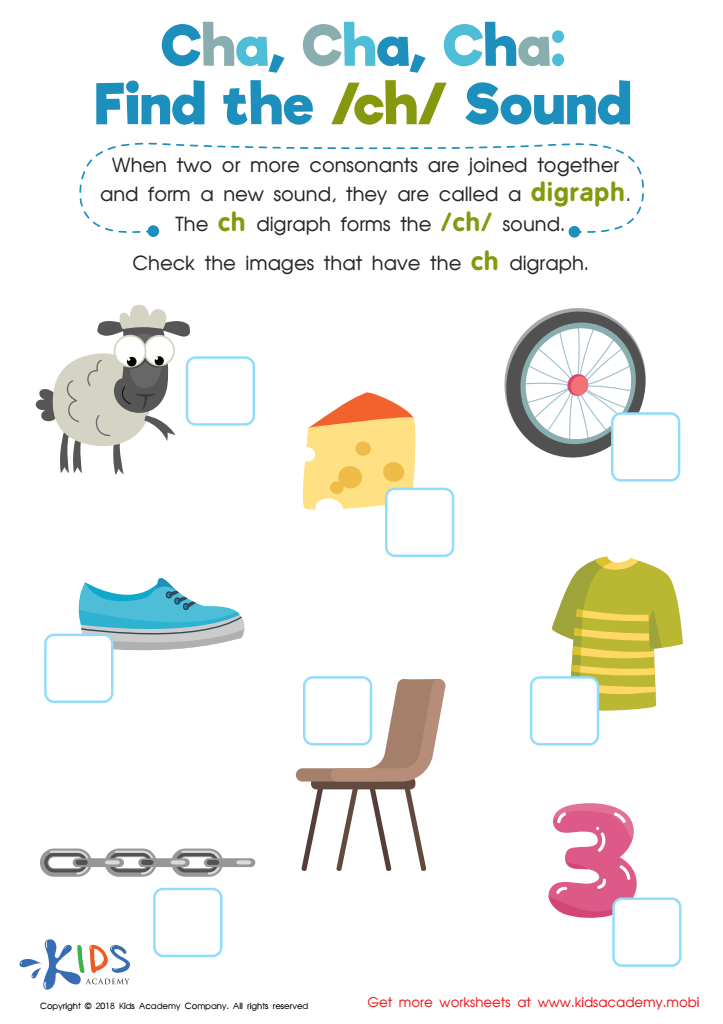
Cha, Cha, Cha: Find the /Ch/ Sound Worksheet
 Assign to My Students
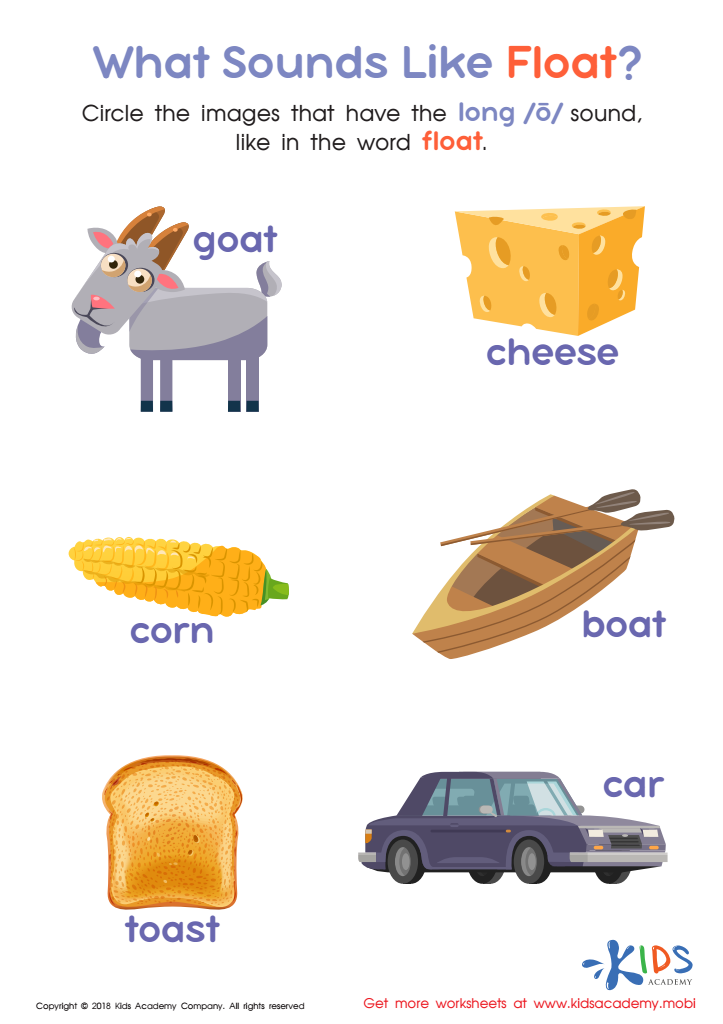
What Sounds Like Float? Worksheet
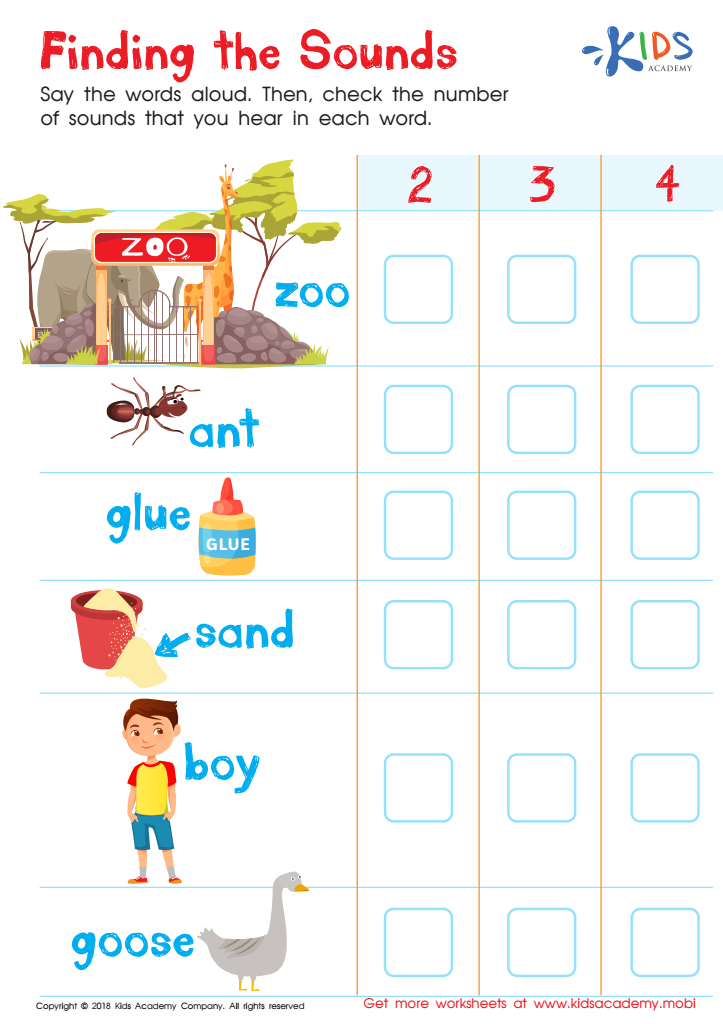
Finding the Sounds Worksheet
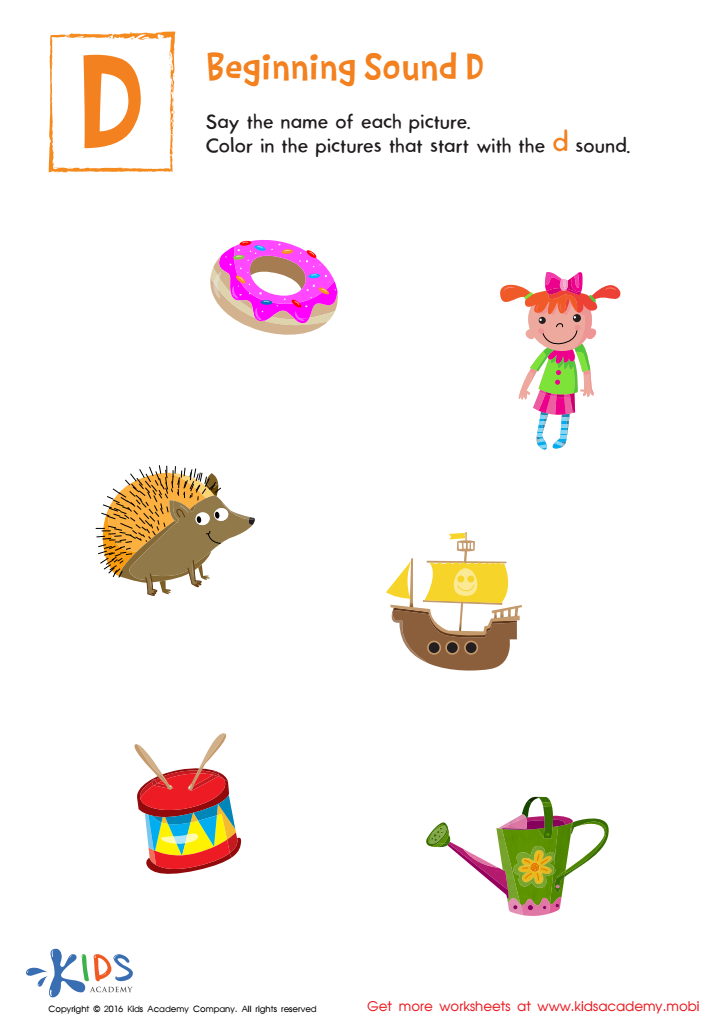
Beginning Sound D Worksheet








Letter-sound recognition is a foundational skill essential for early literacy development in children aged 4-7. This skill forms the cornerstone of their ability to decode words when reading and to spell words when writing. Parents and teachers should prioritize this because it directly affects a child's reading fluency and comprehension.
Understanding the relationship between letters and their corresponding sounds (phonemes) helps children blend sounds to form words, which is crucial for reading proficiency. For example, recognizing that the letter "b" produces the /b/ sound enables children to begin piecing together simple words like "bat" and "ball." As children practice these skills, they not only improve their reading but also gain confidence in their abilities.
Early mastery of letter-sound recognition ensures that children avoid potential academic struggles down the line. It is strongly correlated with future reading success according to numerous educational studies. Additionally, this competency supports vocabulary growth, enhancing overall communication skills.
Furthermore, fostering this skill at the ages of 4-7 aligns with neurodevelopmental readiness. This period represents a critical window where young minds are exceptionally responsive to language acquisition. Therefore, proactive intervention and consistent practice from parents and teachers can make a significant and lasting impact on a child's educational trajectory and cognitive development.







