Reading readiness Normal Alphabet Worksheets for Ages 4-7
5 filtered results
-
From - To
Unlock your child's potential with our Reading Readiness Normal Alphabet Worksheets designed for ages 4-7! These engaging, printable worksheets foster early literacy skills by helping children recognize letters, their sounds, and simple words. Utilize vibrant illustrations and interactive exercises to make learning fun and effective. Each worksheet is thoughtfully crafted to boost recognition and comprehension, setting the foundation for independent reading. Perfect for homeschooling, classroom activities, or supplemental practice at home, these resources ensure that your little one has the necessary skills to embark on their reading journey with confidence. Start nurturing a love for reading today!
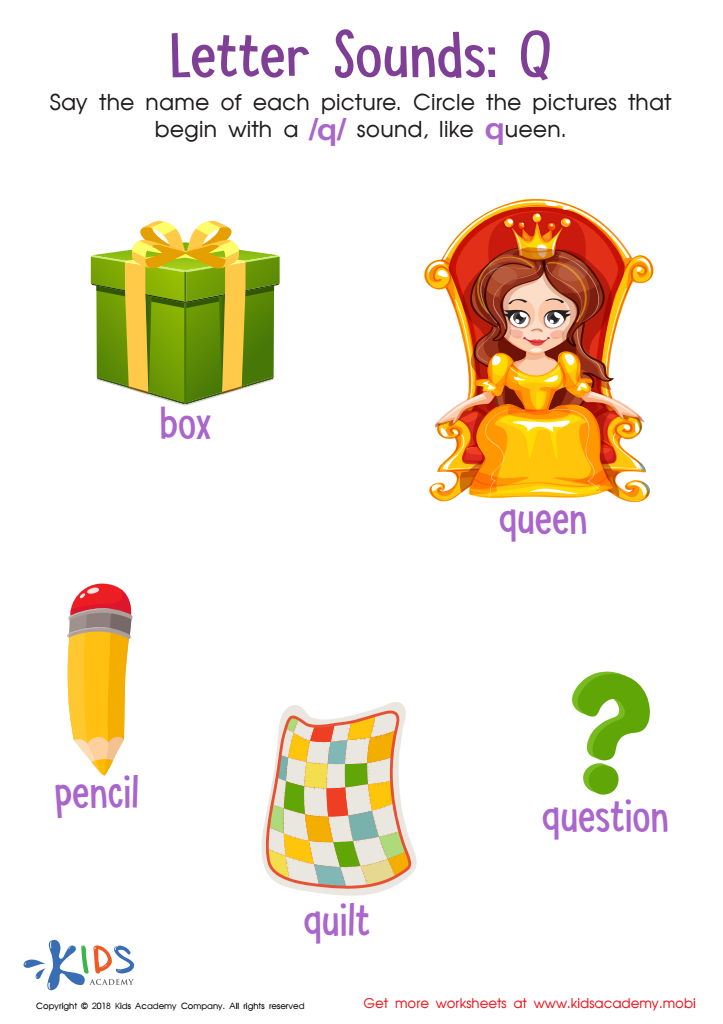
Letter Q Sounds Worksheet
 Assign to My Students
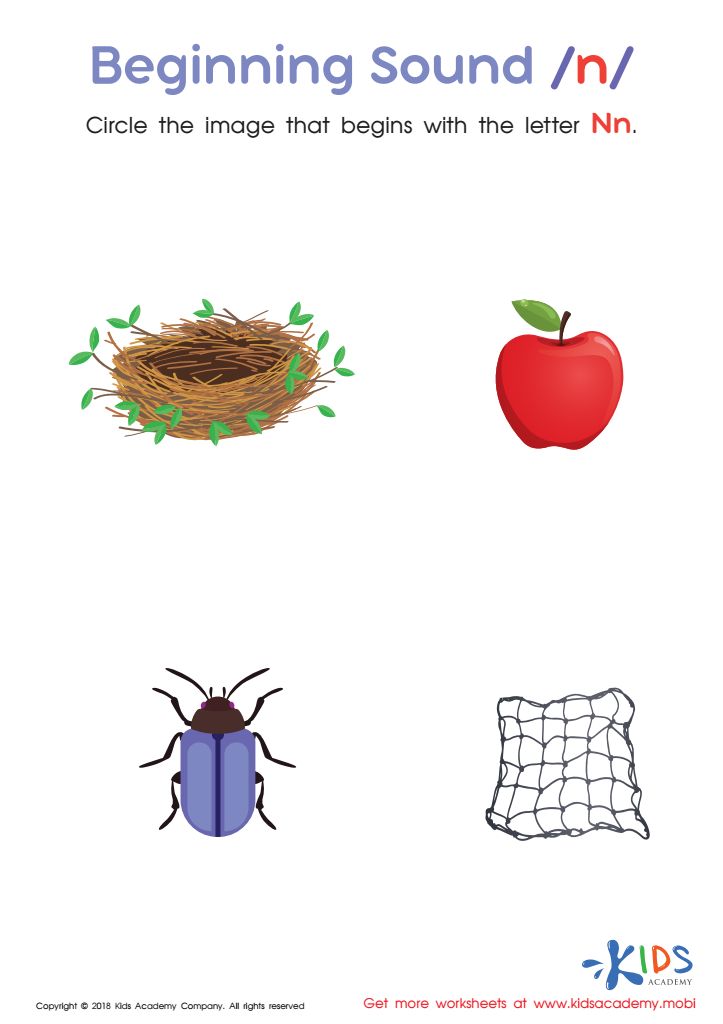
Beginning Sound «n» Worksheet
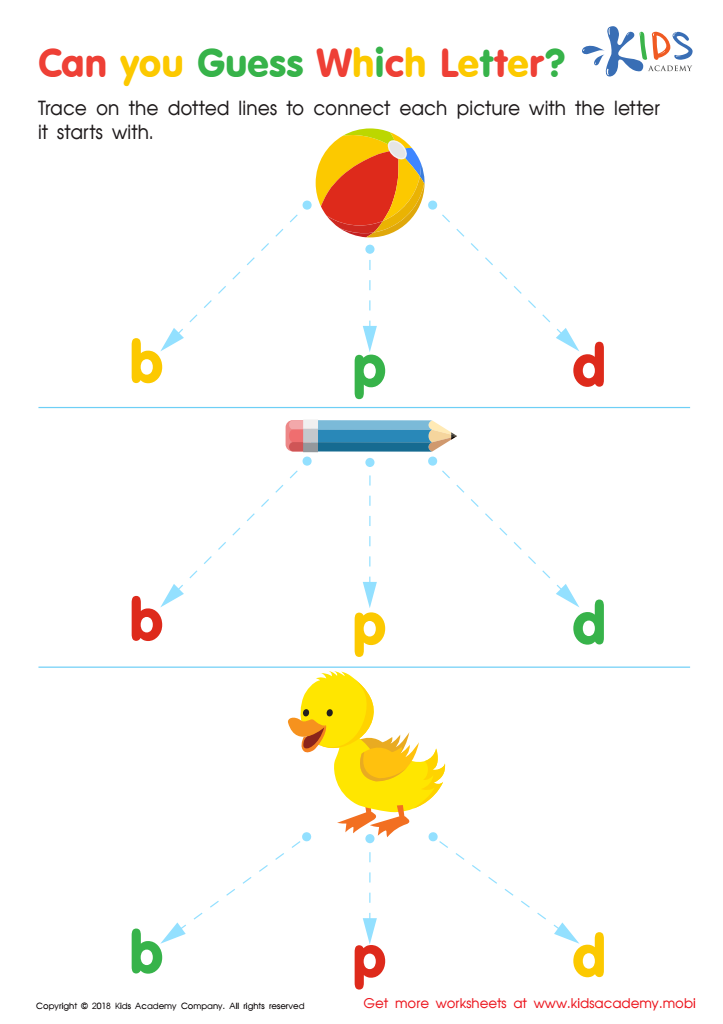
Can you Guess Which Letter? Worksheet
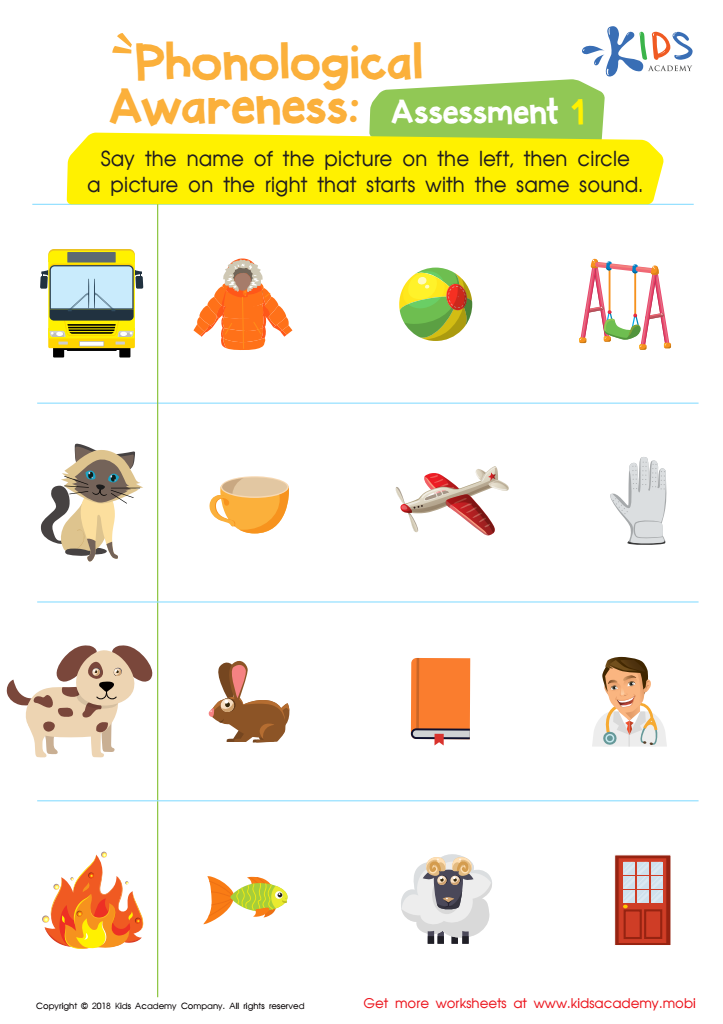
Phonological Awareness: Assessment 1 Worksheet
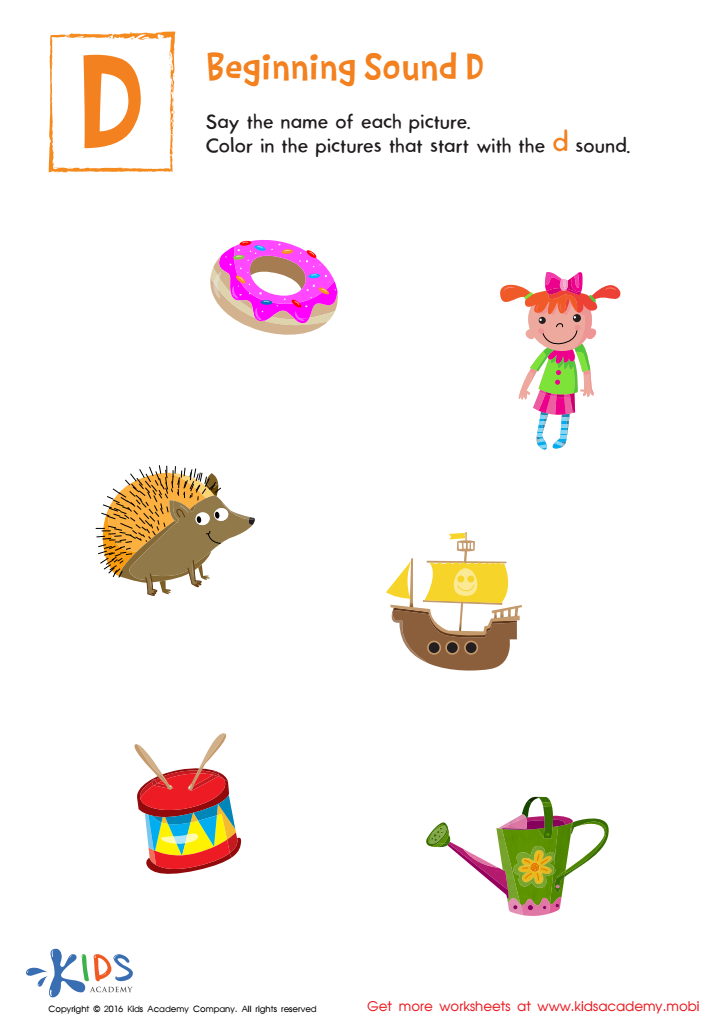
Beginning Sound D Worksheet








Reading readiness is crucial for children aged 4-7 as it lays the groundwork for lifelong literacy skills. During these formative years, children develop essential phonemic awareness, vocabulary, and comprehension abilities, all pivotal for successful reading. If parents and teachers prioritize reading readiness, they foster an environment where children feel confident engaging with print and narratives.
By cultivating reading readiness, caregivers can also help children develop early literacy skills that impact later academic performance. Strong readers are more likely to excel in other subjects, promoting overall educational success. Additionally, reading enhances critical thinking, creativity, and empathy, as children explore diverse stories and characters.
Furthermore, when parents and teachers take an active role in promoting reading readiness, they can tailor approaches to fit individual children's needs, whether through interactive storytelling, phonics games, or shared reading sessions. This personalized attention encourages a love for reading, making learning enjoyable and engaging.
Ultimately, supporting reading readiness in young children is an investment in their future. It helps create confident, competent readers who can navigate and succeed in an increasingly complex world. Prioritizing this during ages 4-7 paves the way for a lifetime of continuous learning and exploration.







