Sound-letter association Normal Alphabet Worksheets for Ages 4-7
3 filtered results
-
From - To
Our Sound-Letter Association Normal Alphabet Worksheets for Ages 4-7 offer an engaging and interactive way for young learners to master the alphabet. Designed to strengthen foundational phonics skills, these worksheets help children connect letters with their corresponding sounds through fun activities and colorful illustrations. Perfect for preschool and early grade students, our materials encourage confidence in reading and writing, laying a solid literacy foundation. Each worksheet is carefully crafted to make learning enjoyable, boosting phonemic awareness and enabling kids to excel in language arts. Start their journey towards fluent reading with our expertly developed resources!
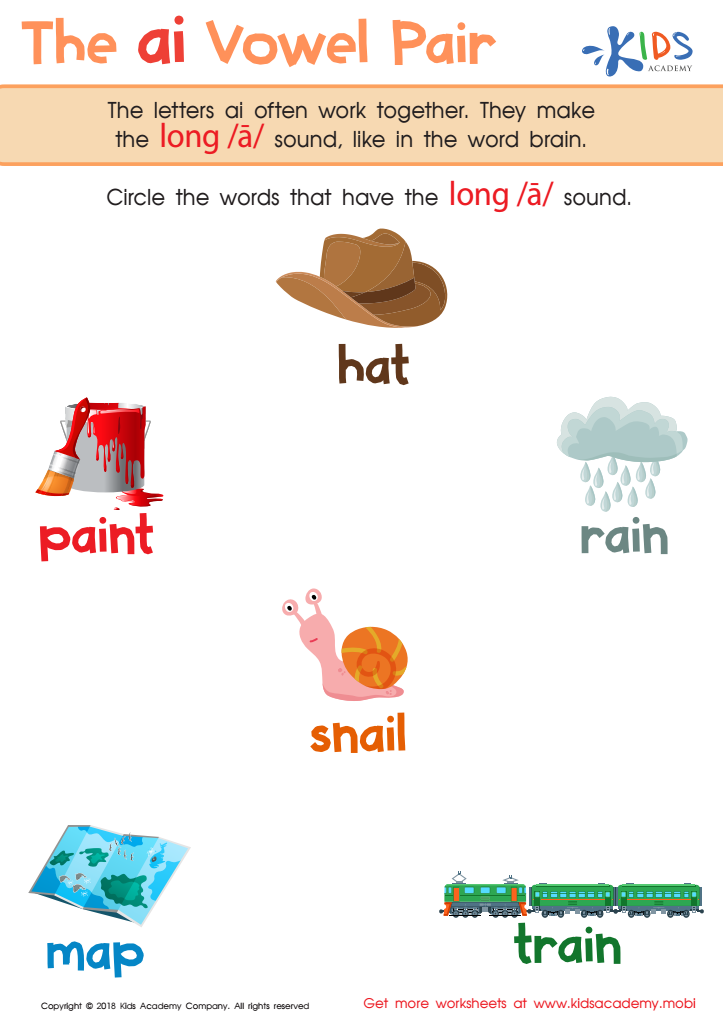
The AI Vowel Pair Worksheet
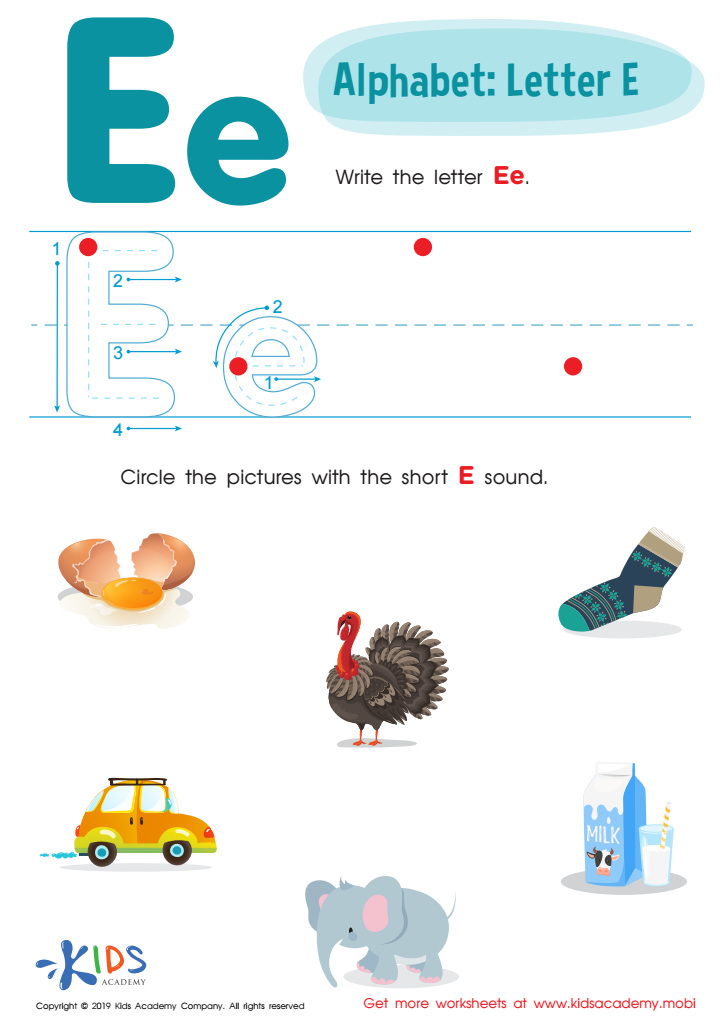
Letter E Tracing Worksheet
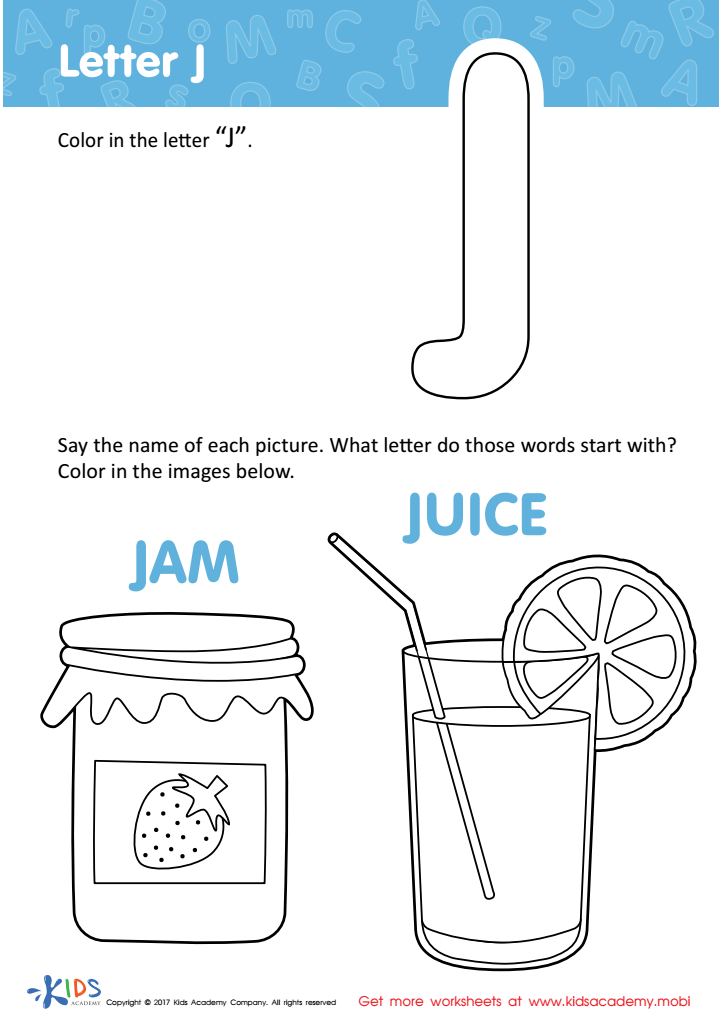
Letter J Coloring Sheet
 Assign to My Students








Sound-letter association is a foundational skill in the journey of literacy, making it crucial for parents and teachers to prioritize its development among children aged 4 to 7. This skill, often developed through methods like the Normal Alphabet, is the ability to connect sounds (phonemes) with their corresponding letters (graphemes). It paves the way for successful reading and writing experiences.
When children grasp sound-letter associations, they can decode new words by sounding them out, a process critical for beginning readers. This ability not only boosts reading fluency but also enhances comprehension because children no longer struggle with identifying words on the page. Additionally, sound-letter recognition accelerates word recognition skills, leading to more confident and independent readers.
Furthermore, strong sound-letter association skills underpin accurate spelling. When children understand that letters represent specific sounds, they can better predict spelling patterns and tackle spelling uncertainties. This knowledge mitigates common spelling errors, promotes clearer writing, and makes self-correction easier.
For young learners, this foundation also fuels a positive attitude toward literacy. Early success in reading and writing fosters enthusiasm, motivation, and a continued interest in learning, all of which contribute to long-term academic success. Therefore, focusing on sound-letter association during formative years is essential for setting the stage for lifelong literacy and learning.







