Sound recognition Normal Alphabet Worksheets for Ages 4-7
11 filtered results
-
From - To
Our "Sound Recognition Normal Alphabet Worksheets for Ages 4-7" are expertly designed to help young learners build crucial phonemic awareness and alphabet recognition skills. Perfect for preschool to early elementary students, these worksheets offer engaging activities that connect letters with their corresponding sounds. Our resources enhance literacy development through fun exercises such as matching, tracing, and identifying letters and sounds. Whether used in the classroom or at home, these worksheets encourage confident reading foundations, setting the stage for academic success. Discover a world of auditory learning for your child with our comprehensive and interactive sound recognition tools.
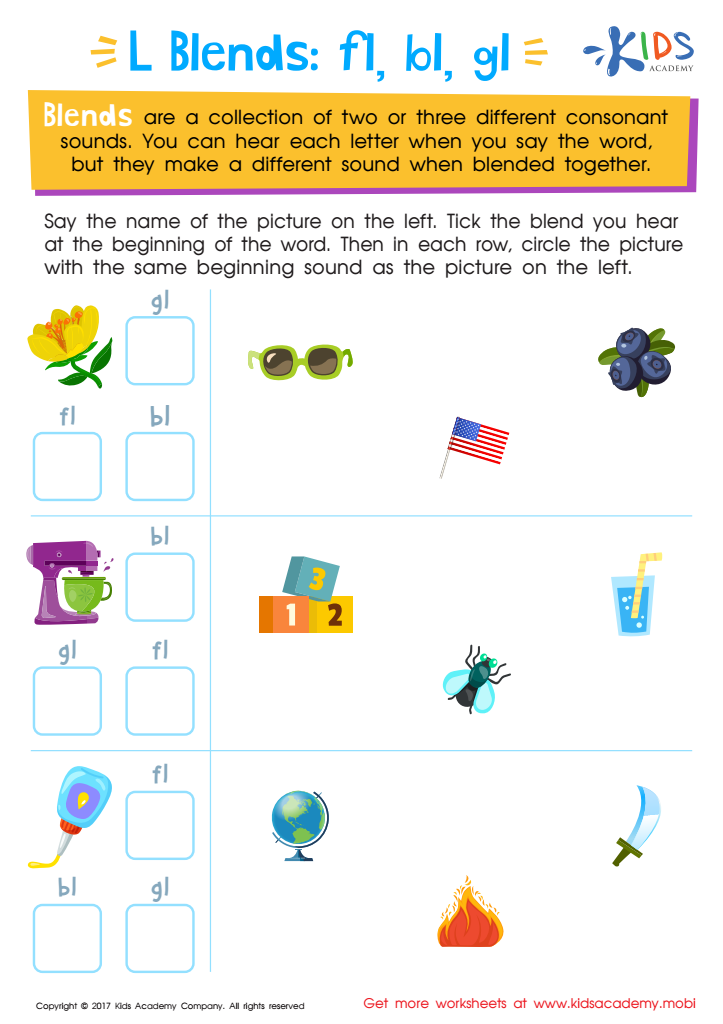
Blending Consonants: "Fl", "Bl" and "Gl" Printable
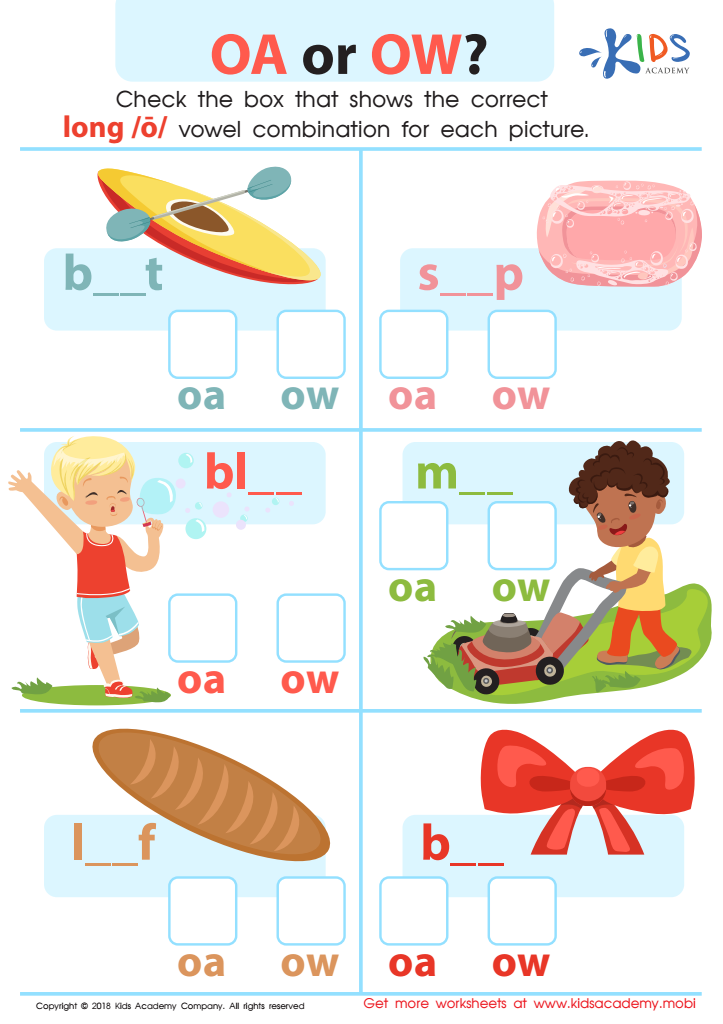
Reading: OA or OW Worksheet
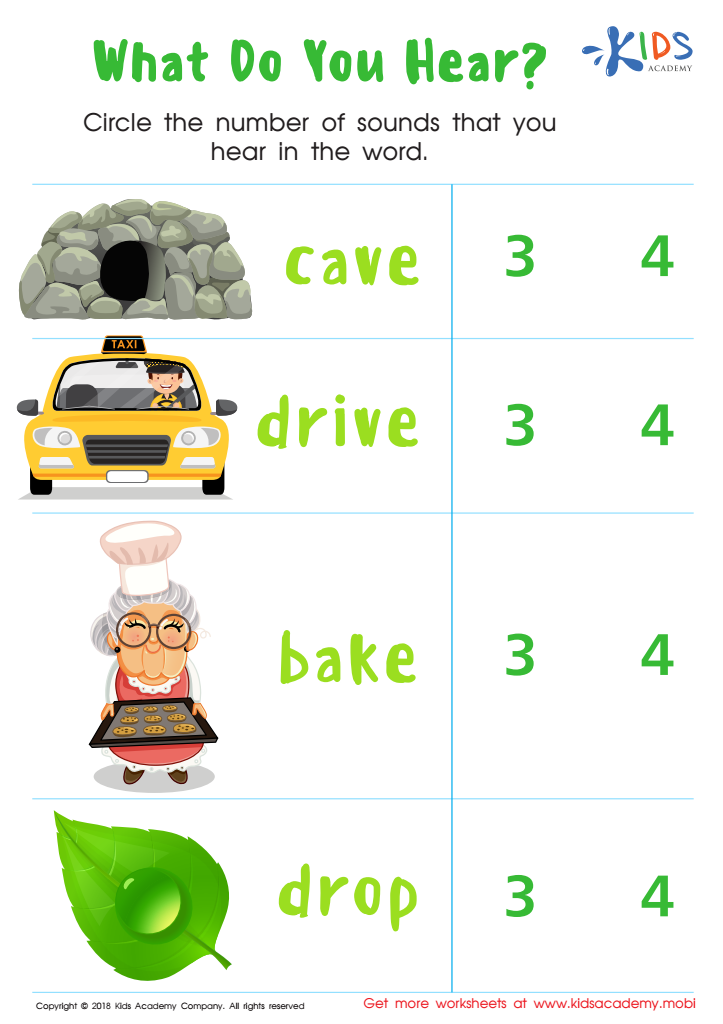
What Do You Hear? Worksheet

Rhyming Words Rhyming Worksheet
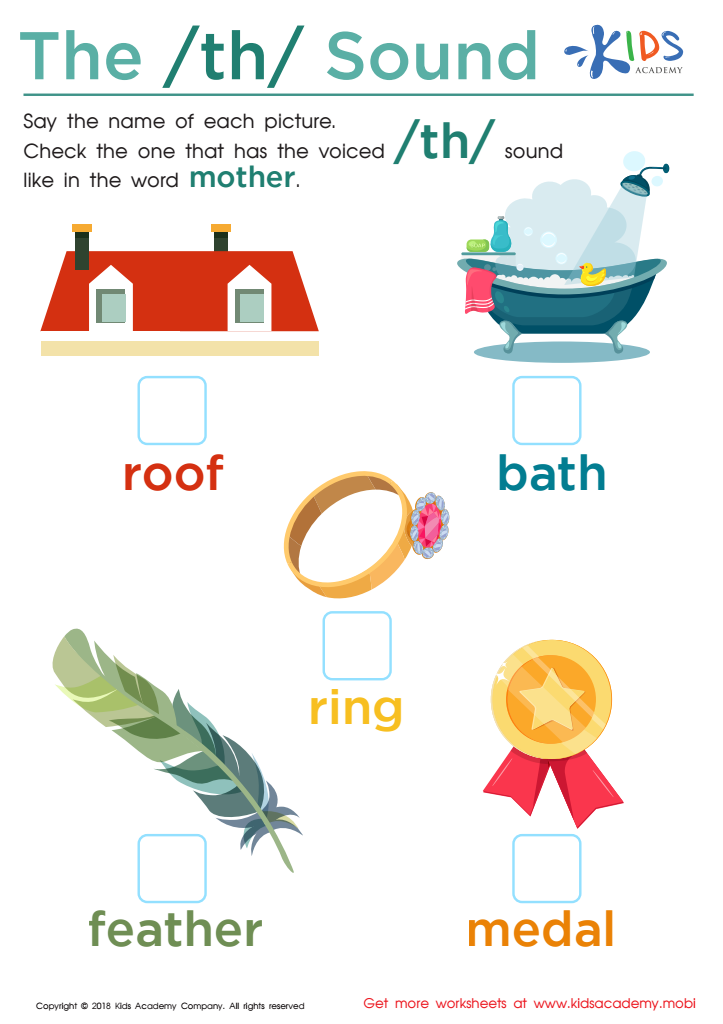
The /th/ Sound Worksheet
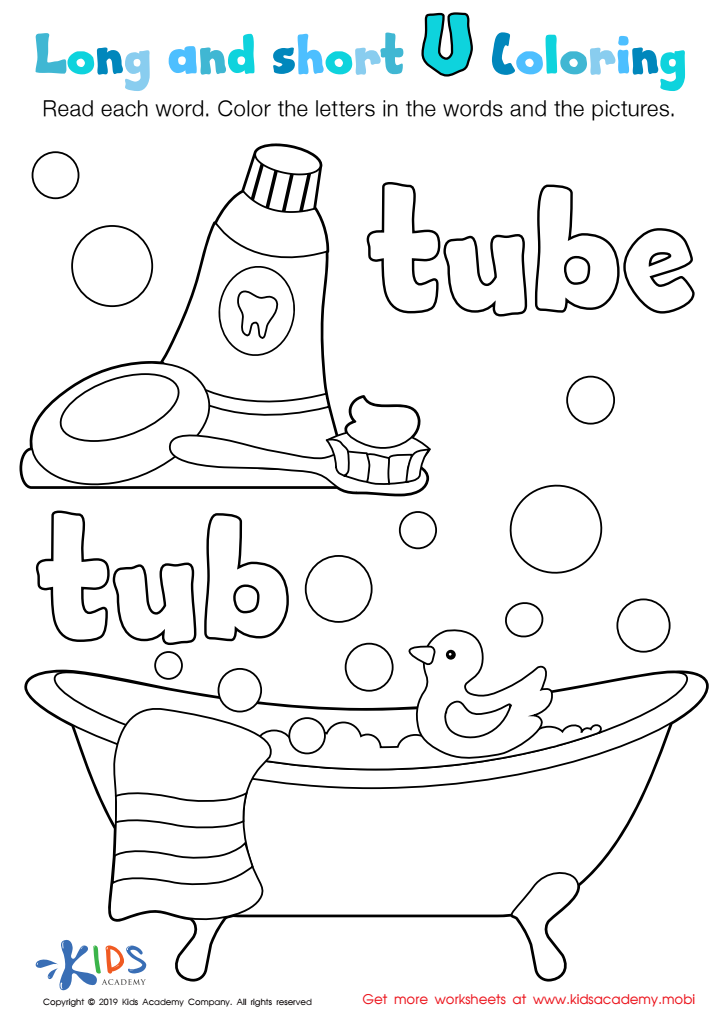
Long and Short U Worksheet
 Assign to My Students
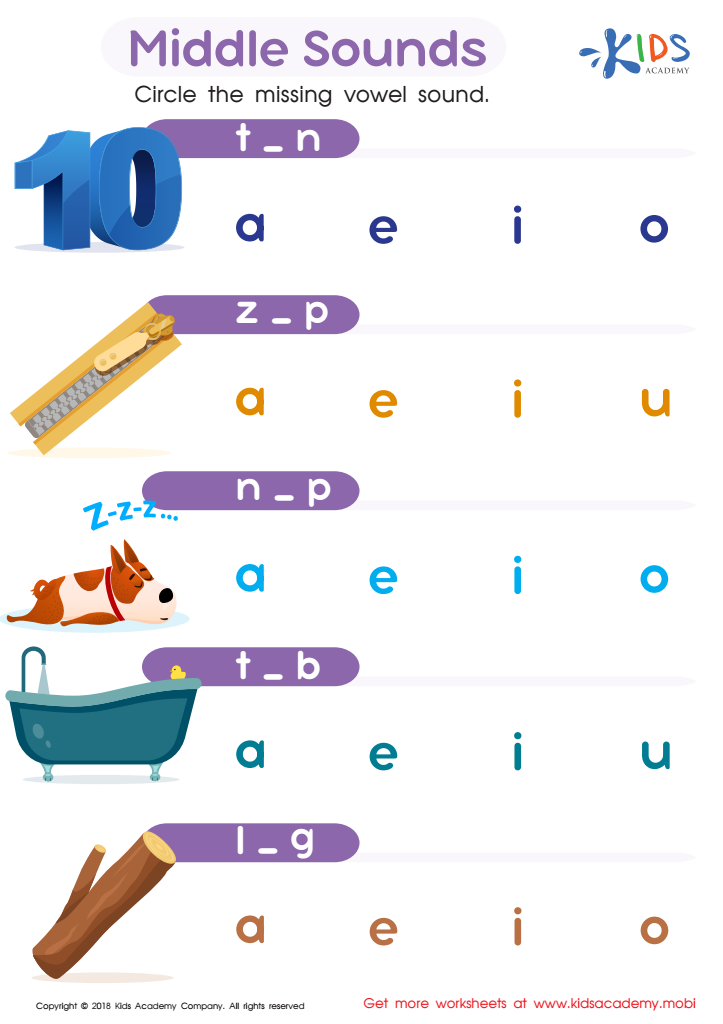
Middle Sounds Worksheet

First Words: Picture Rhymes Worksheet
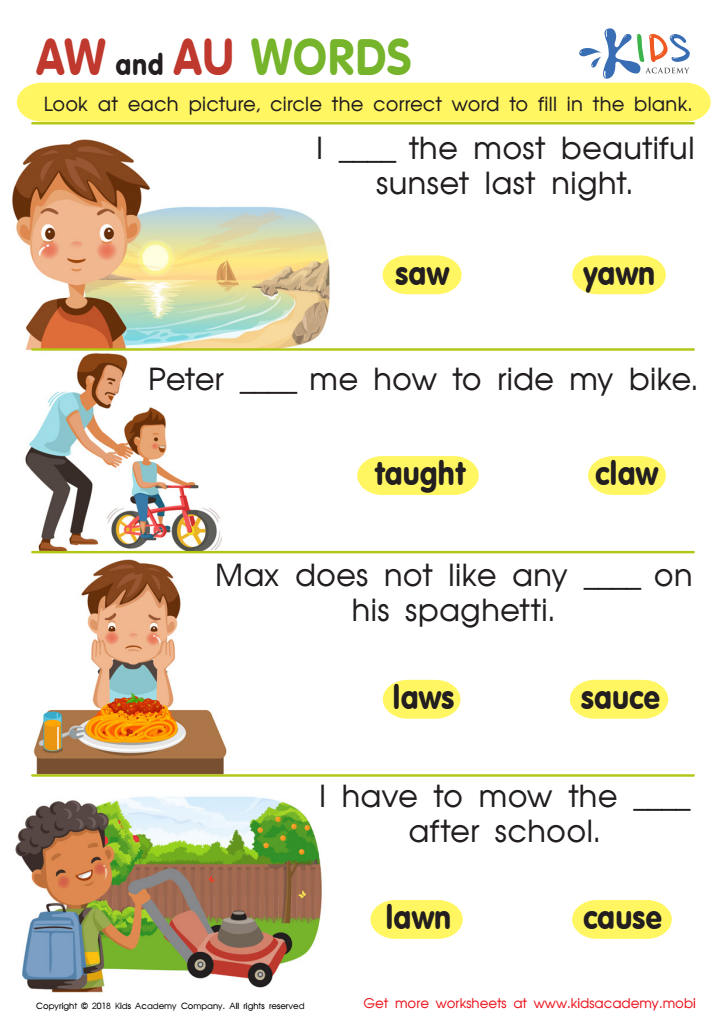
Reading: AW and AU Words Worksheet
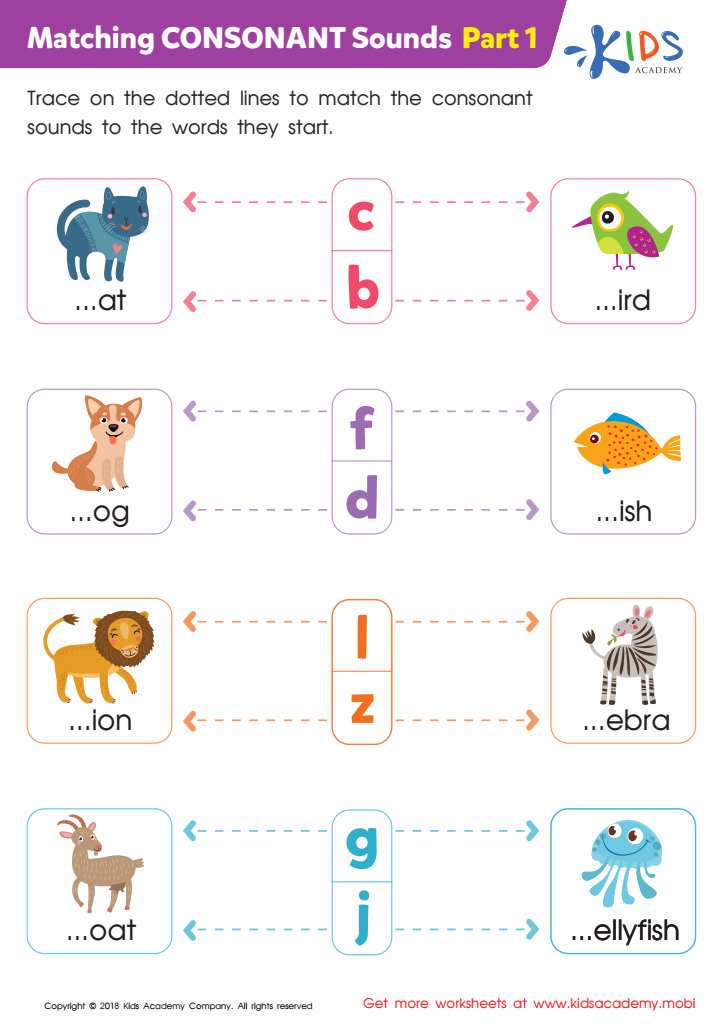
Matching Consonant Sounds: Part 1 Worksheet
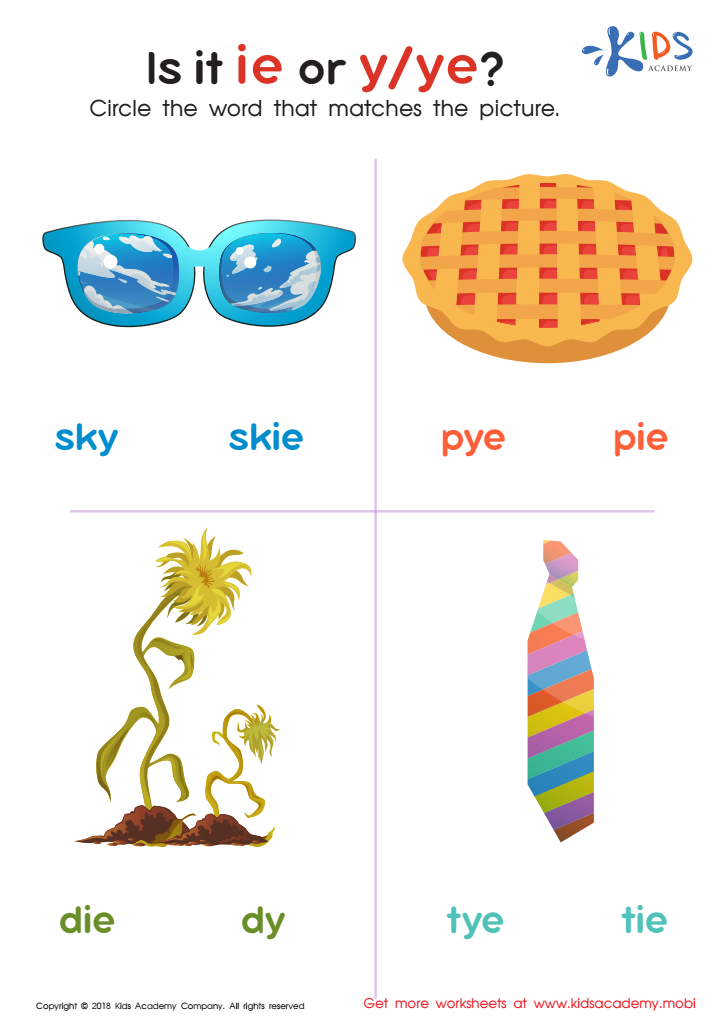
Is It IE or Y/Ye? Worksheet







Sound recognition and understanding the standard alphabet are critical parts of early literacy development for children aged 4-7. Parents and teachers should care about these foundational skills because they serve as the building blocks for reading and writing. Mastering these early skills can significantly impact a child's future academic success.
Sound recognition, also known as phonemic awareness, is the ability to hear, identify, and manipulate individual sounds, or phonemes, in spoken words. This is crucial for developing decoding skills, which allow children to sound out words when they start to read. Without a strong grasp of phonemic awareness, children may struggle to understand the link between sounds and letters, making reading and spelling more challenging.
Learning the normal alphabet complements phonemic awareness by helping children understand that letters represent specific sounds. Knowing letter names and sounds helps children decode new words, aids in correct spelling, and boosts their writing abilities. Alphabet knowledge also enables children to recognize written words quickly, facilitating fluent reading.
Moreover, early mastery of these skills builds a child’s confidence and fosters a love of reading and learning. When parents and teachers prioritize sound recognition and alphabet familiarity, they provide children with the tools they need for a successful educational journey, laying the groundwork for a lifetime of literacy and learning.







