Phonics Skills Normal Phonics Worksheets for Ages 4-7 - Page 3
51 filtered results
-
From - To
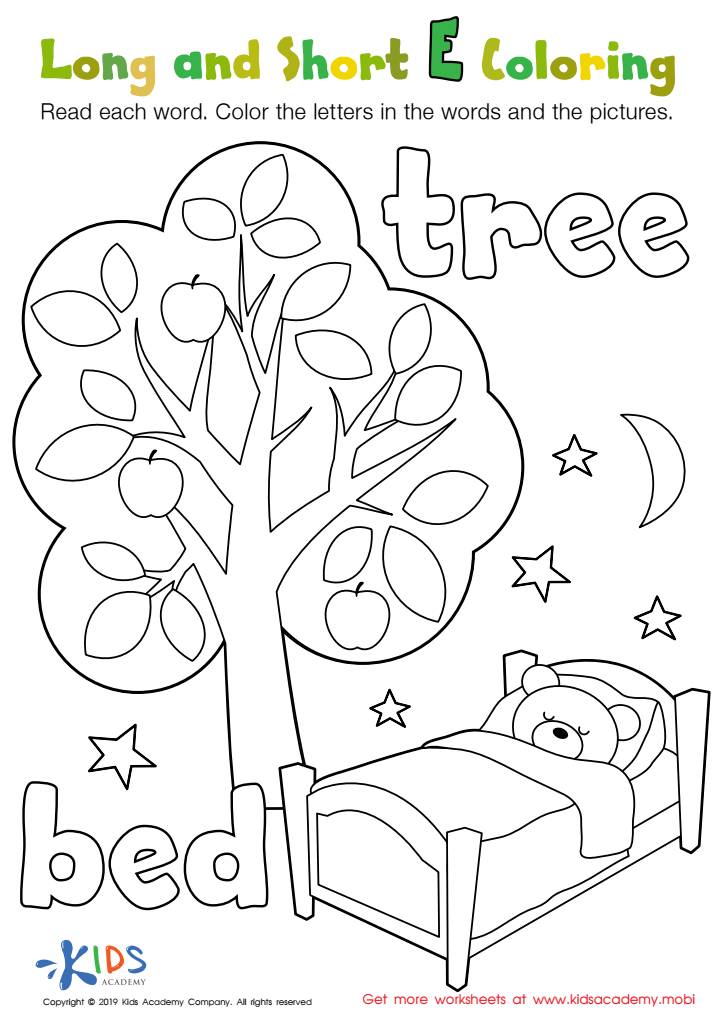
Long and Short E Worksheet
 Assign to My Students
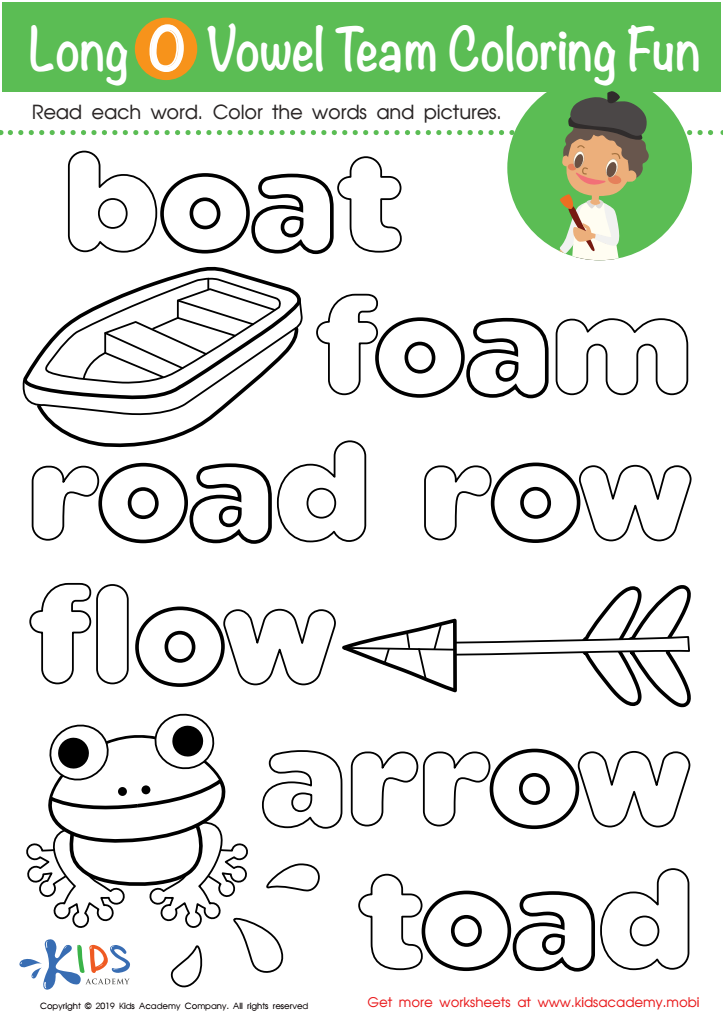
Long O Vowel Team Coloring Worksheet
Assign to My Students
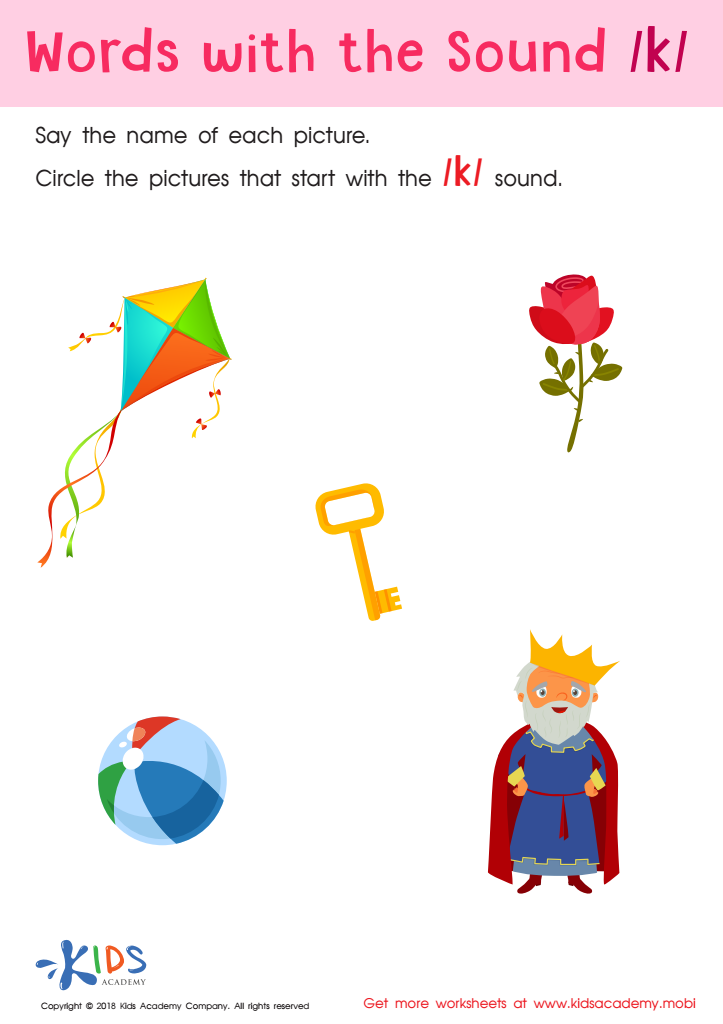
Words with sound k Reading Worksheet








Phonics skills are fundamental to early literacy development, making them essential for both parents and teachers to prioritize, especially for children aged 4 to 7. Phonics involves the relationship between letters and sounds, which helps children decode words, leading to successful reading and writing.
Children who master phonics skills can easily sound out unfamiliar words, improving their reading fluency and comprehension. Early phonics instruction sets the foundation for their literacy journey, enabling them to tackle increasingly complex texts as they progress in school. Furthermore, strong phonics skills can boost a child’s confidence in their reading abilities, fostering a love for reading and learning.
For parents, understanding phonics allows them to support their children’s learning at home, employing fun activities that reinforce these skills. For teachers, a robust phonics curriculum is vital, ensuring that all students, regardless of their background, have the tools they need to succeed academically.
Additionally, developing phonics skills early mitigates the risk of reading difficulties later in life, making it crucial for both parties to work together, fostering a supportive environment that champions literacy development from the start. Prioritizing phonics equips children for lifelong learning and personal growth.







