Reading comprehension Normal Short Vowels Worksheets for Ages 4-7
7 filtered results
-
From - To
Unlock the magic of reading with our Reading Comprehension Normal Short Vowels Worksheets designed for children aged 4-7! These engaging worksheets help young learners master short vowel sounds through fun activities and stories. Each worksheet focuses on building essential reading skills, from recognizing vowels to understanding simple sentences. Perfect for early readers, these resources foster phonemic awareness and boost confidence. With colorful illustrations and interactive exercises, learning becomes an enjoyable adventure. Ideal for parents and teachers, our printable worksheets offer a solid foundation in reading comprehension. Equip your child for future success—start their reading journey today!
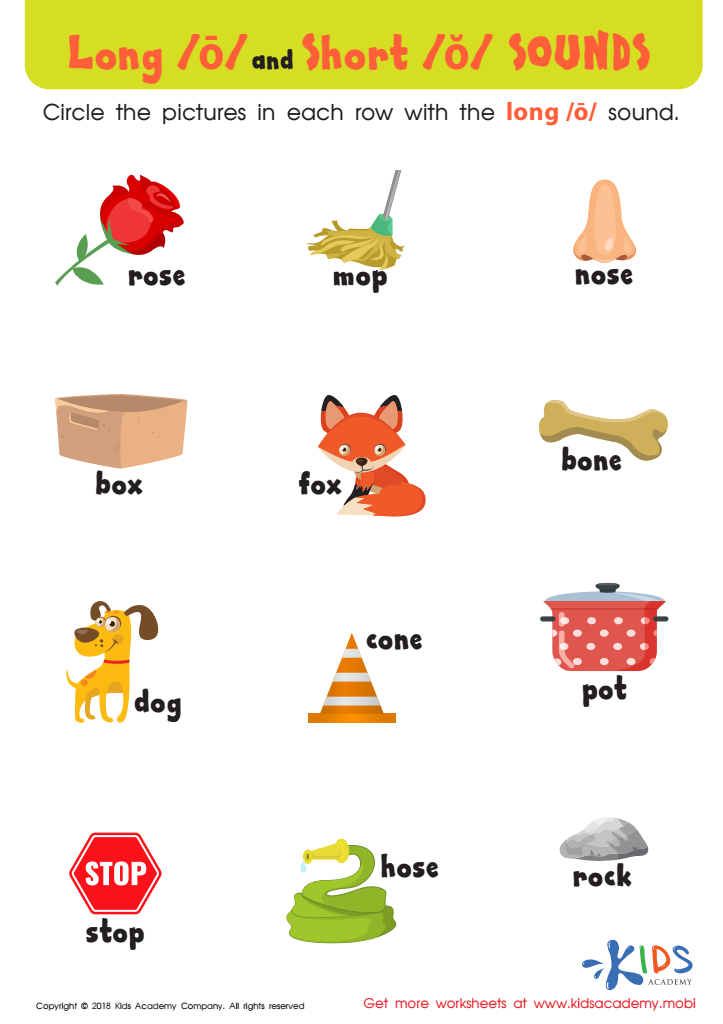
Reading: Long O and Short O Sounds Worksheet
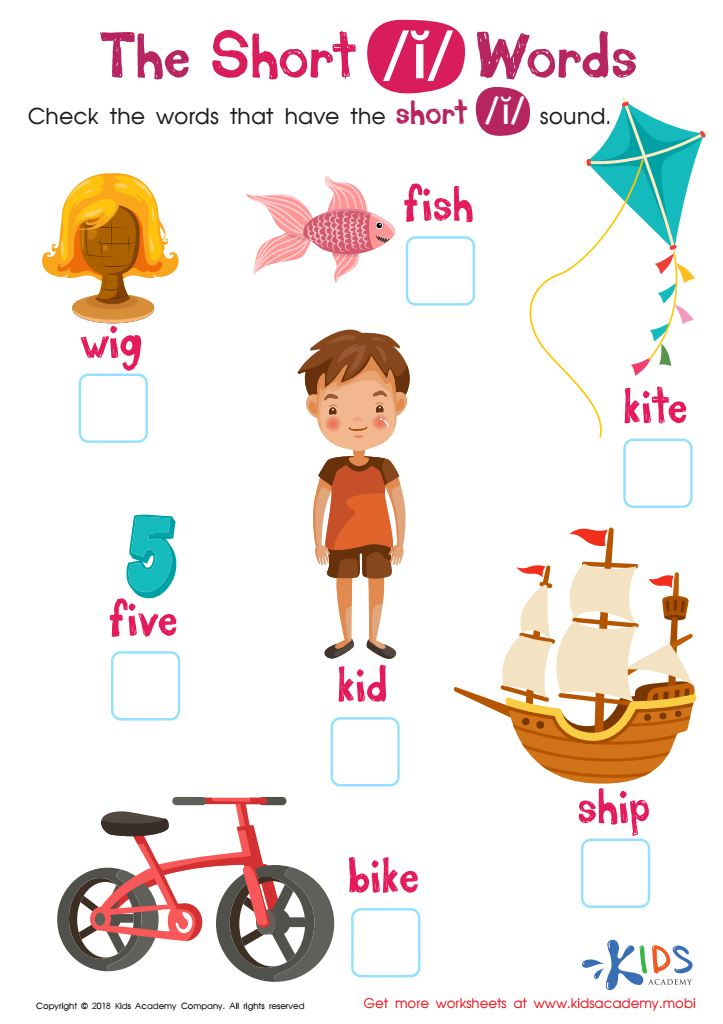
The Short I Words Reading Worksheet
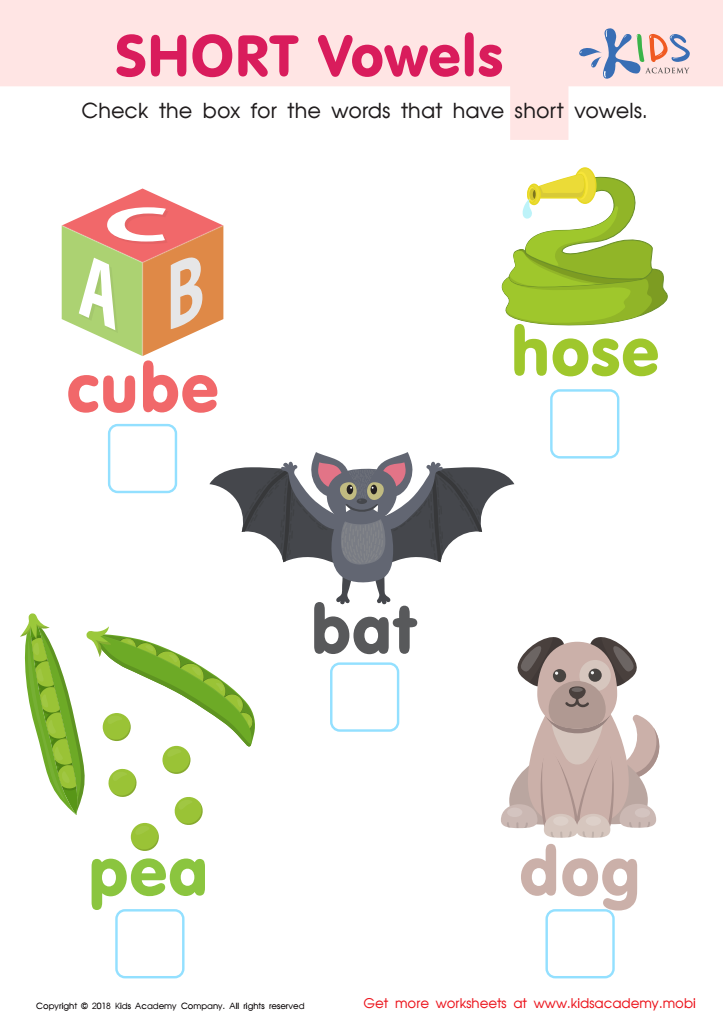
short vowels Worksheet

Short Vowels /e/, /i/, and /u/ Worksheet
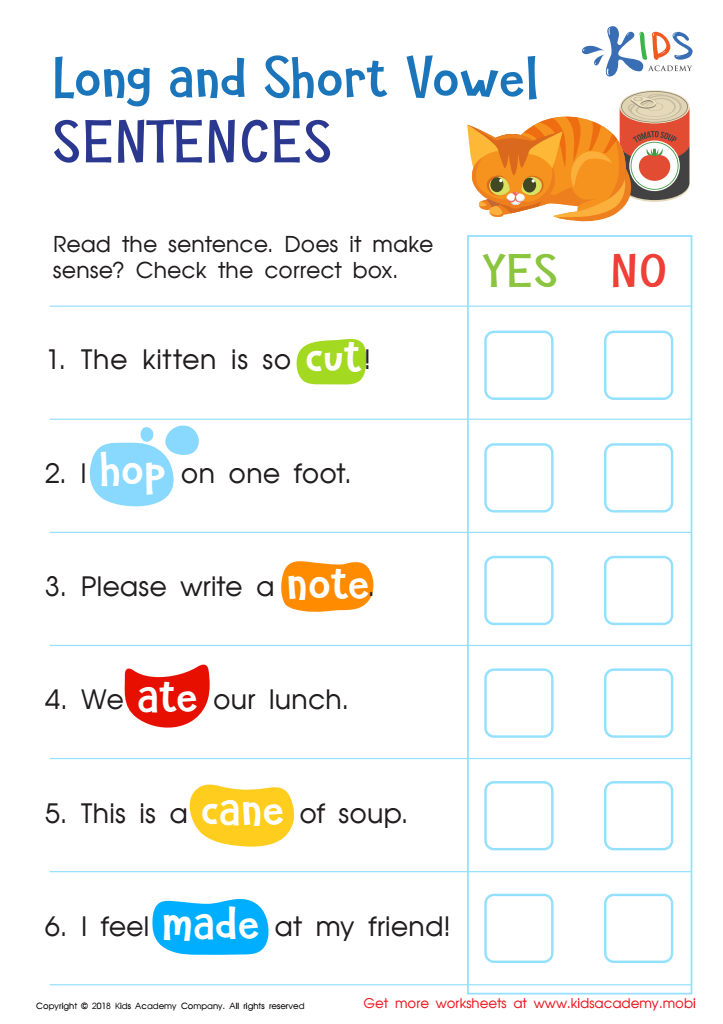
Long and Short Vowel Sentences: Assessment Worksheet
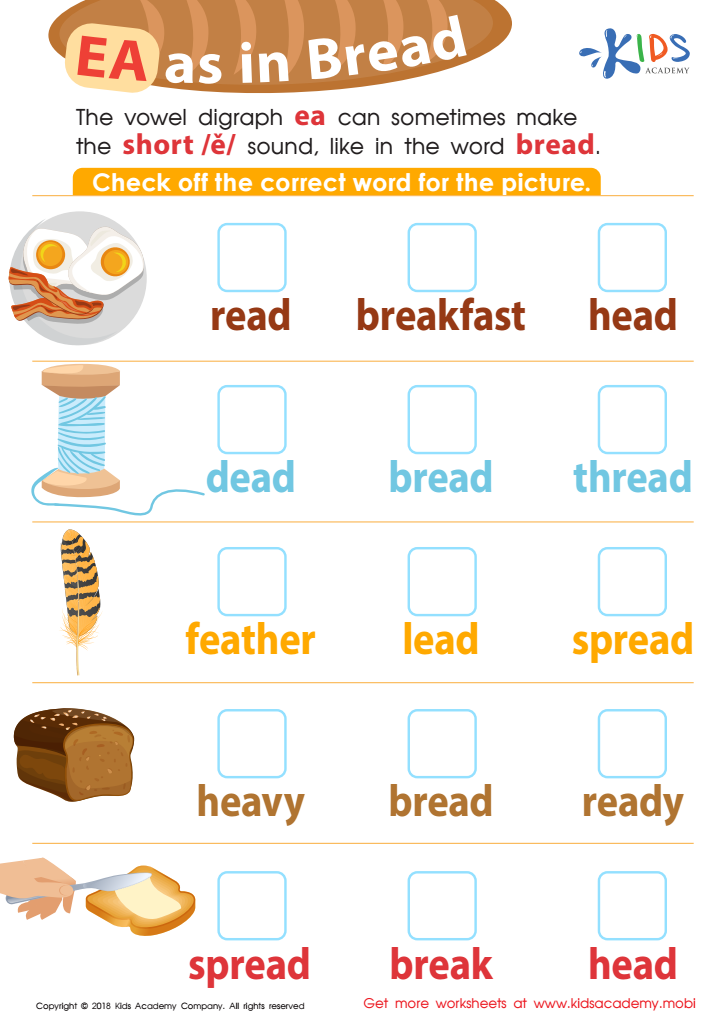
Reading: EA as in Bread Worksheet
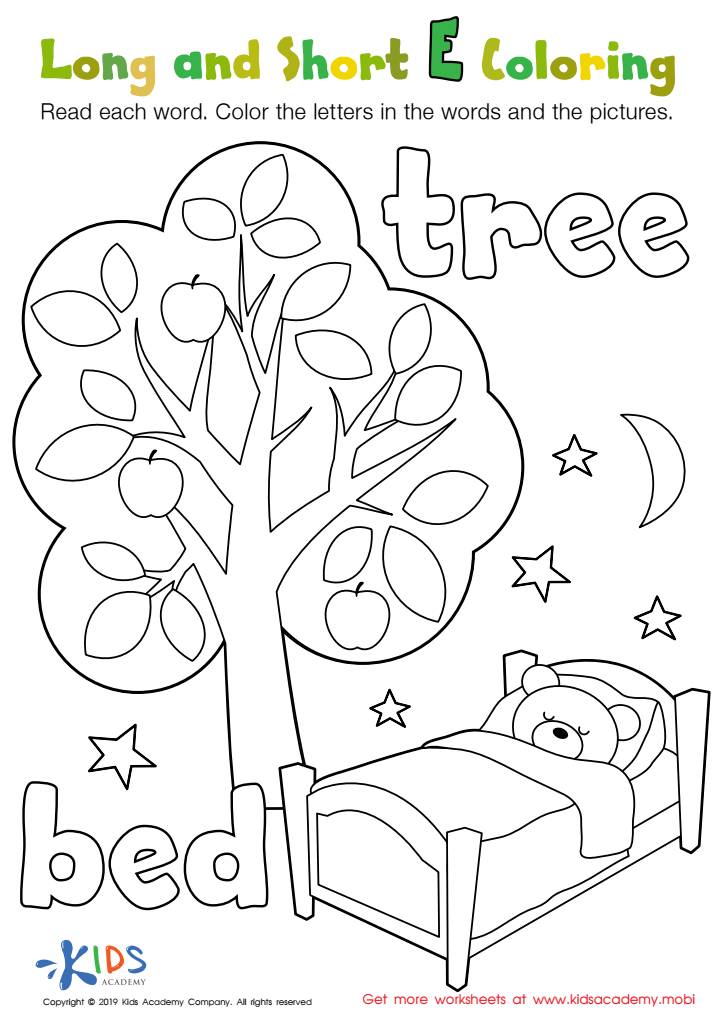
Long and Short E Worksheet
 Assign to My Students



Reading comprehension is a vital skill that lays the foundation for a child's educational journey, and mastering normal short vowels is an essential step in this process, especially for children aged 4-7. At this early stage, children are typically in preschool or the beginning years of elementary school, where they begin to decode words and develop meaningful language skills.
Short vowels are the basic building blocks of phonics, which is the relationship between letters and their sounds. Understanding short vowel sounds (a, e, i, o, u) enables young readers to accurately pronounce, spell, and understand simple words like cat, bed, sit, hot, and cup. Proficiency in recognizing these sounds aids in word recognition, sound blending, and the development of fluent reading skills.
Improving reading comprehension through a grasp of short vowels ensures that kids can understand and enjoy more texts, enhancing their vocabulary and language awareness. This early success fosters a love for reading, which can boost confidence and academic performance in all subjects, as reading is integral to most learning. Inconsistent attention to these sounds can lead to reading difficulties, frustration, and long-term aversion to reading.
Thus, focusing on normal short vowels for ages 4-7 allows parents and teachers to build a strong linguistic foundation, setting the stage for future academic success and a lifelong love of learning.








