Alphabet tracing Normal Tracing Letters Worksheets for Ages 4-7
5 filtered results
-
From - To
Discover our engaging Alphabet Tracing Worksheets designed for children aged 4-7! These printable worksheets provide a fun way for young learners to master letter formation through tracing activities. Each sheet features both uppercase and lowercase letters, encouraging proper handwriting techniques while reinforcing letter recognition. With colorful designs and child-friendly layouts, these worksheets motivate kids to practice consistently. Perfect for home or classroom use, our alphabet tracing worksheets support early literacy development, enhance fine motor skills, and promote confidence in writing. Start your child's journey to successful reading and writing with our enjoyable and educational resources today!

Letter P Tracing Page
 Assign to My Students
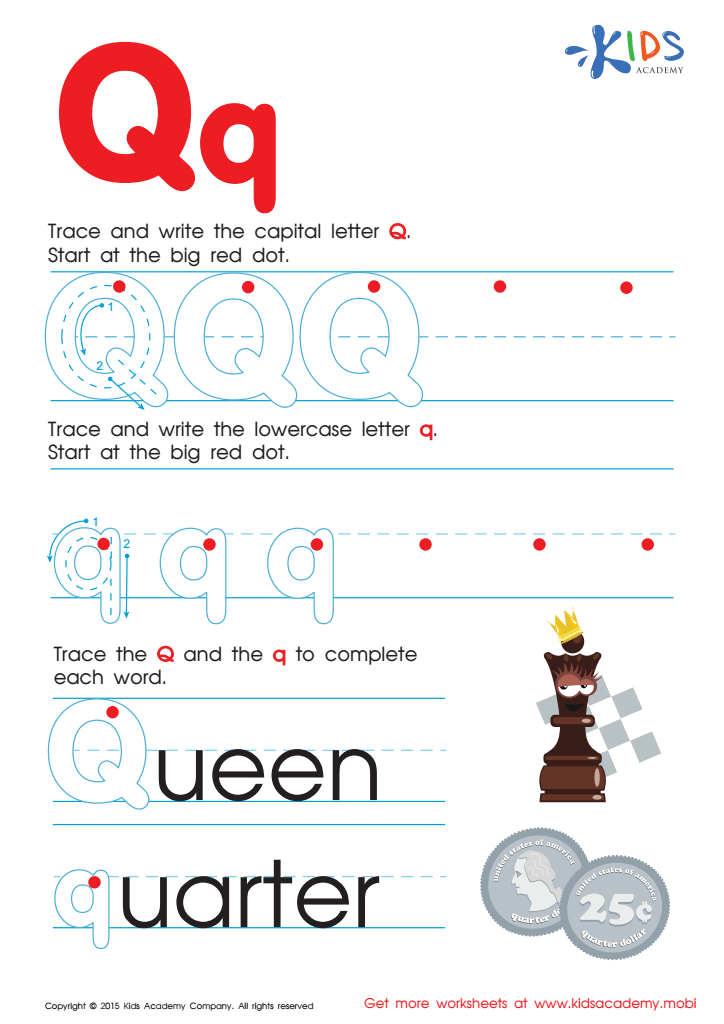
Letter Q Tracing Page

Letter H Tracing Page
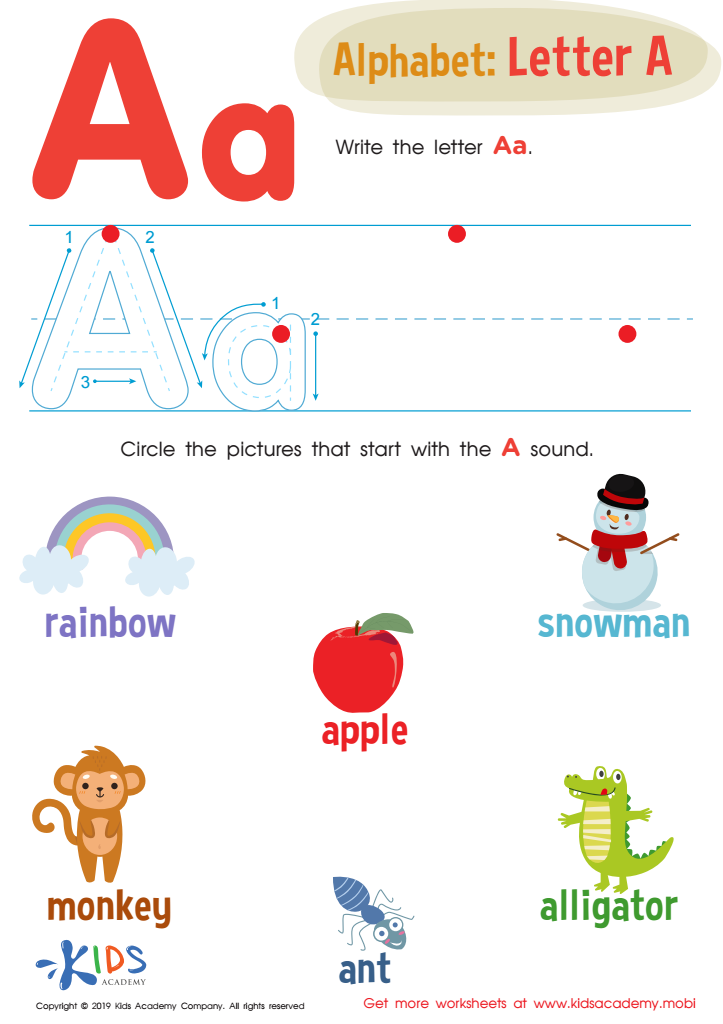
Letter A Tracing Worksheet

Letter D Tracing Page







Alphabet tracing is an essential activity for children aged 4-7 as it lays the foundation for strong literacy skills. During these formative years, kids develop fine motor skills through tracing letters, which is crucial for handwriting and overall coordination. Engaging in this activity helps children learn the shapes and structures of letters, making them more familiar with the alphabet and enhancing their phonetic awareness.
Parents and teachers should prioritize alphabet tracing because it fosters both cognitive and physical development. As children trace, they are actively engaging with the letters, improving their memory and recognition. It encourages concentration and attention span, skills that are vital for learning in general. Additionally, tracing can be a soothing and therapeutic process, allowing children to develop patience and focus.
Moreover, incorporating tracing into regular learning routines can make the experience enjoyable, turning it into a fun activity that parents and teachers can do together with children. This bonding aspect enhances motivation and supports positive attitudes toward learning. Ultimately, prioritizing alphabet tracing helps children build a strong literacy foundation as they transition into reading and writing, crucial for their academic success. Therefore, it is vital for both parents and educators to actively promote and support this practice.








