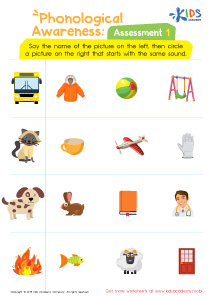
Word Recognition Normal Two Letter Phonics Worksheets for Ages 4-7
5 filtered results
-
From - To
Discover our engaging two-letter phonics worksheets, designed for children aged 4-7 to enhance word recognition skills. These fun and colorful activities feature simple, age-appropriate words that promote early literacy and build a strong foundation for reading. Ideal for both classroom and home learning, our worksheets include interactive exercises that encourage children to sound out letters and recognize familiar phonics patterns. Each worksheet focuses on essential skills including letter identification, phonemic awareness, and vocabulary development, making learning enjoyable. Support your child's educational journey with these thoughtfully crafted resources that inspire confidence and a love for reading from an early age!
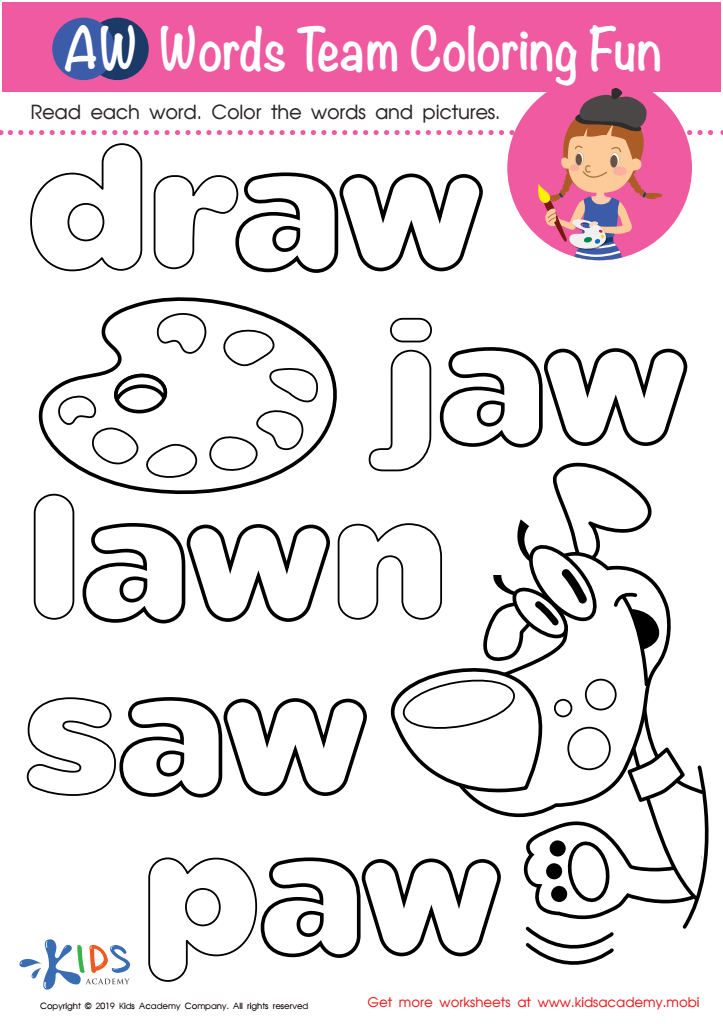
AW Words Team Coloring Fun Worksheet
 Assign to My Students
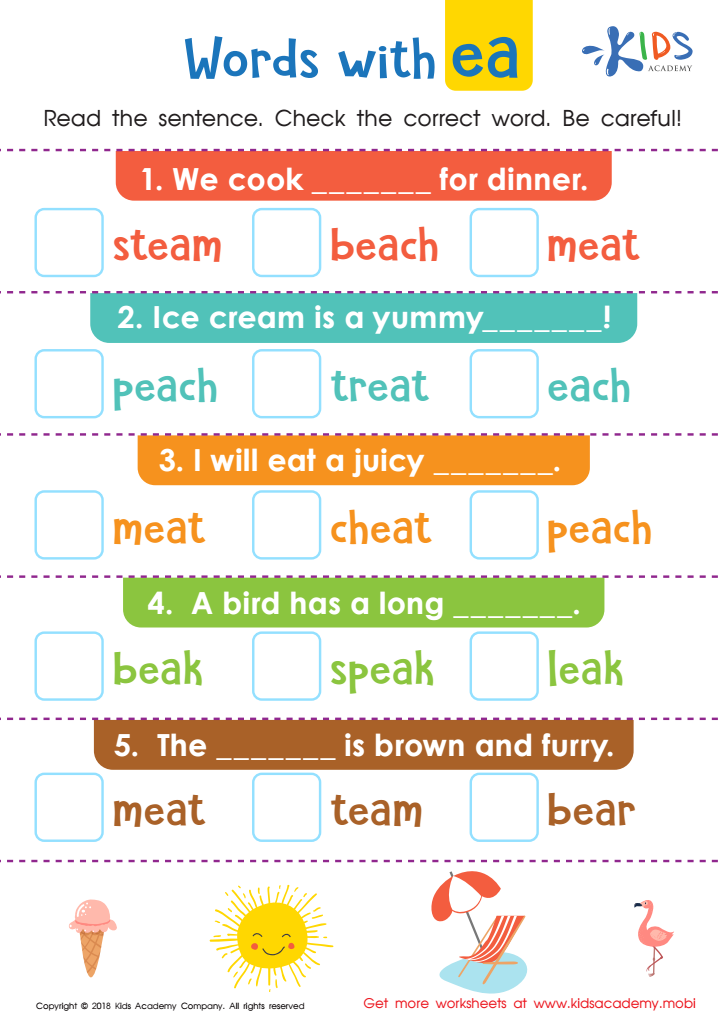
Words with ea Worksheet
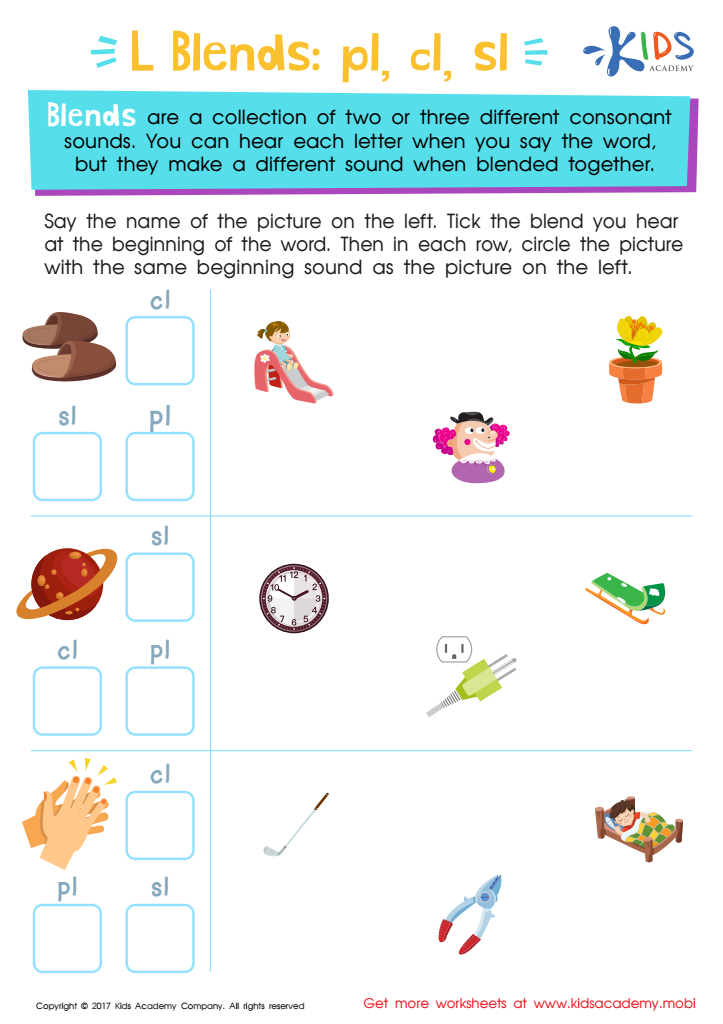
L Blends: "Pl", "Cl" and "Sl" Printable
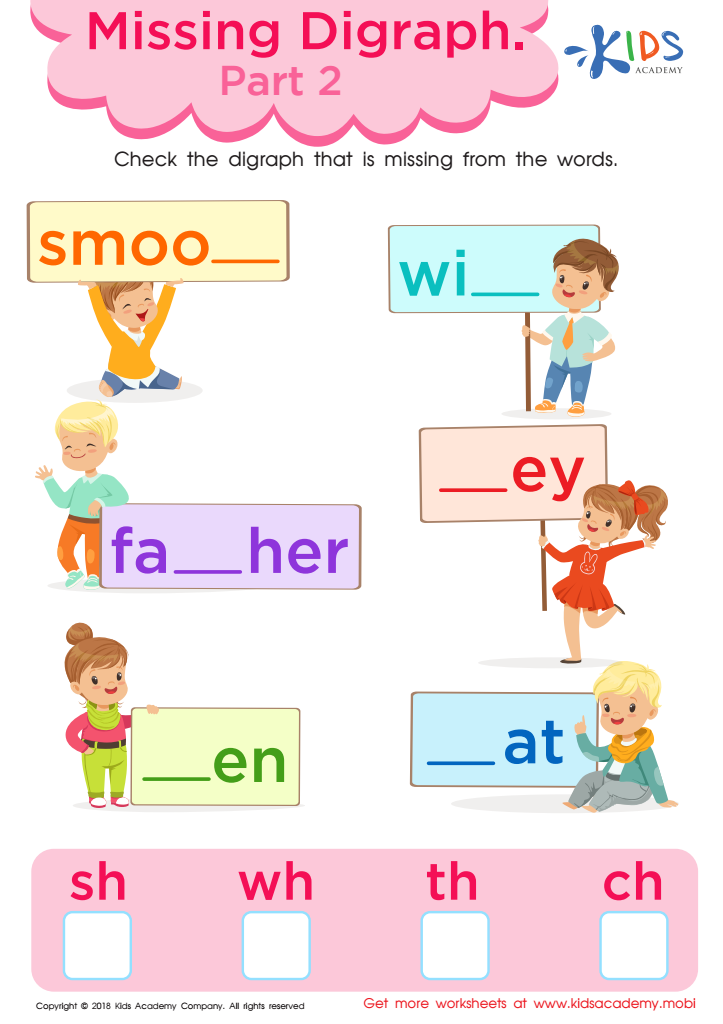
Missing Digraph: Part 2 Worksheet
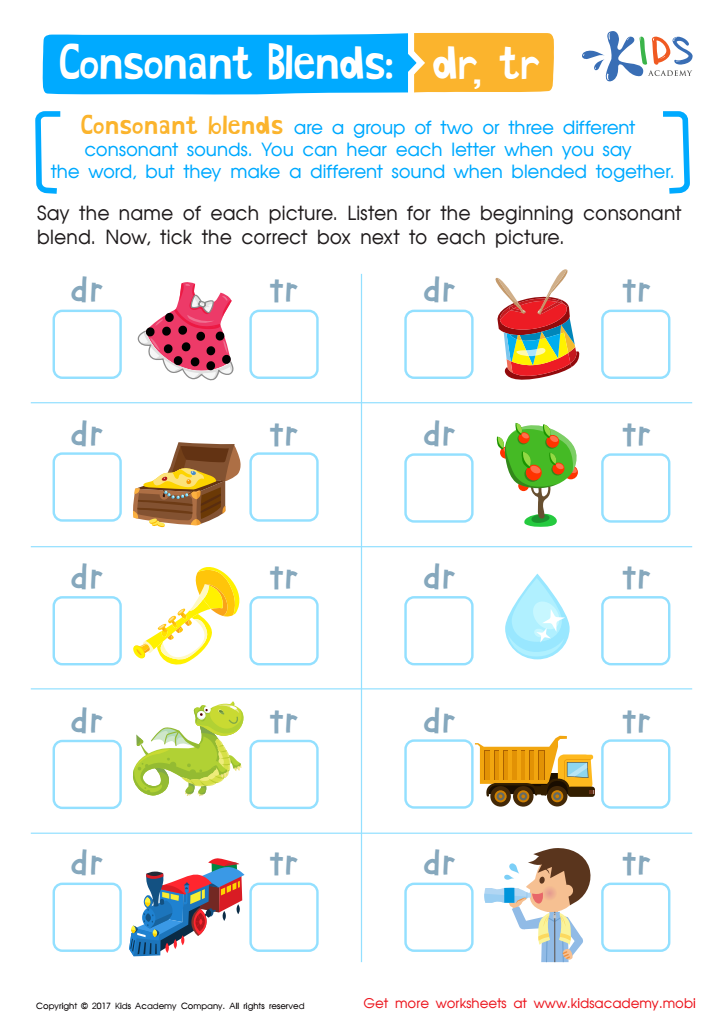
Consonant Blends: "Dr" and "Tr" Printable



Word recognition is a critical component of early literacy, particularly for children aged 4-7. At this stage, understanding two-letter phonics is essential because it serves as the foundation for decoding and fluency in reading. Parents and teachers should care about this aspect of literacy development for several reasons.
Firstly, two-letter phonics introduces children to basic sound-letter associations, helping them recognize patterns in words. Mastery of these phonics elements allows children to decode simple words with confidence, enhancing their reading skills. This early success can foster a love for reading and promote lifelong learning.
Secondly, proficient word recognition at a young age correlates with better academic performance later in life. Children who struggle in the early stages of reading may fall behind, leading to challenges across all subjects.
Furthermore, focusing on two-letter phonics contributes to language development, expanding vocabulary and comprehension skills. Engaging children with fun and interactive phonics activities can also reinforce learning in a positive environment.
In conclusion, emphasizing word recognition normal two-letter phonics is crucial for building a strong literacy foundation. By prioritizing this area, parents and teachers support children in becoming confident, competent readers equipped for future academic success.