Alphabet Learning Normal Worksheets for Ages 4-7
5 filtered results
-
From - To
Unlock the world of letters with our Alphabet Learning Normal Worksheets for Ages 4-7. Designed to build a solid foundation in early literacy, these engaging worksheets help young learners master the alphabet through fun and interactive activities. Tailored specifically for kids aged 4-7, each worksheet offers colorful illustrations, tracing exercises, and memorable character associations to make learning enjoyable. Support your child’s path to reading and writing success by incorporating these expertly crafted resources into their daily routine. Turn every lesson into an adventure with our top-quality, age-appropriate alphabet learning worksheets!
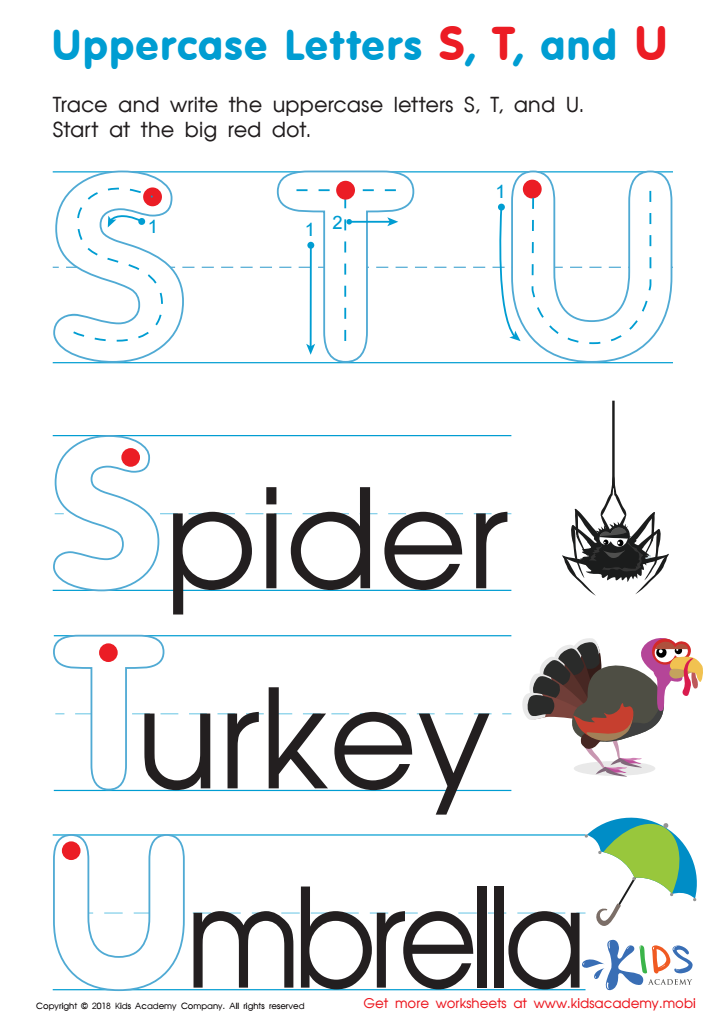
Uppercase Letters S, T, and U Worksheet
 Assign to My Students
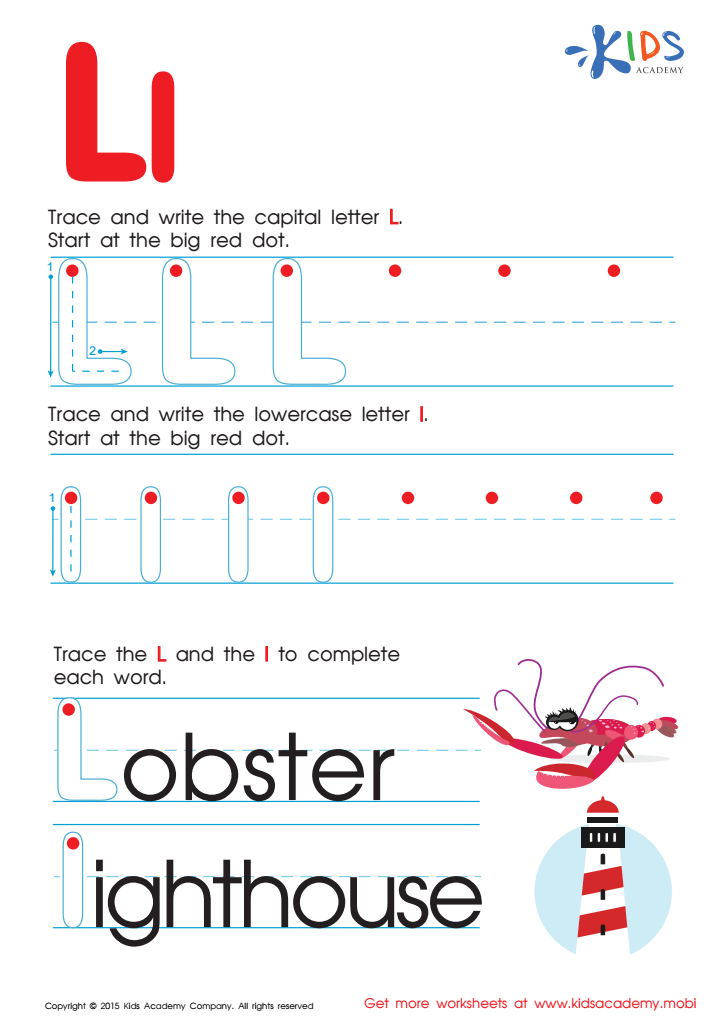
Letter L Tracing Page
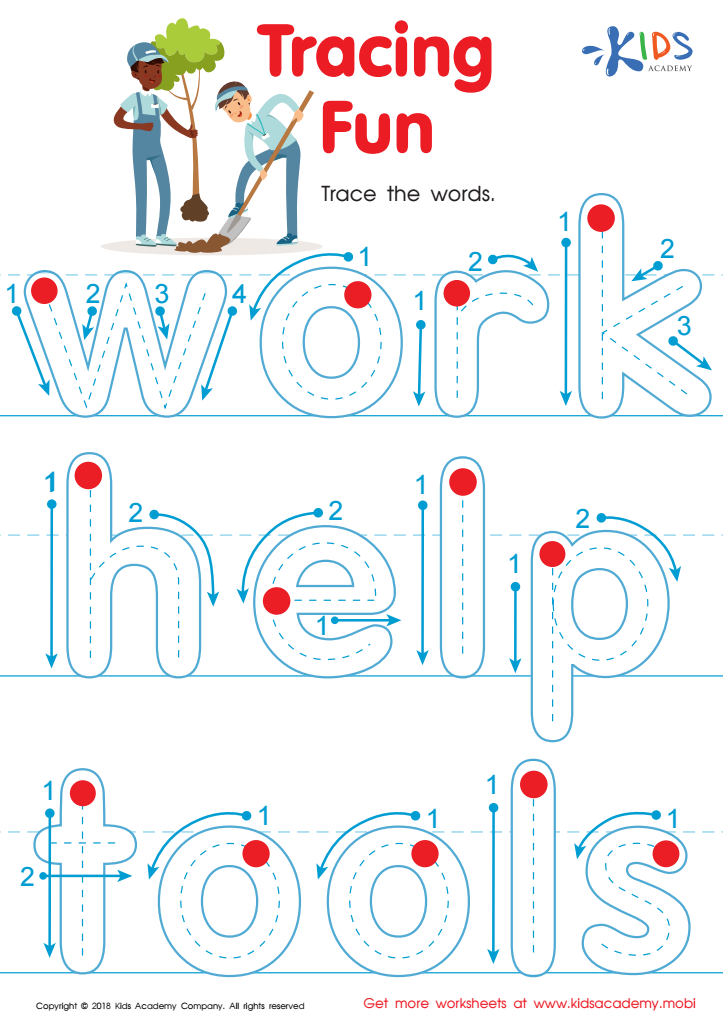
Tracing Fun Worksheet
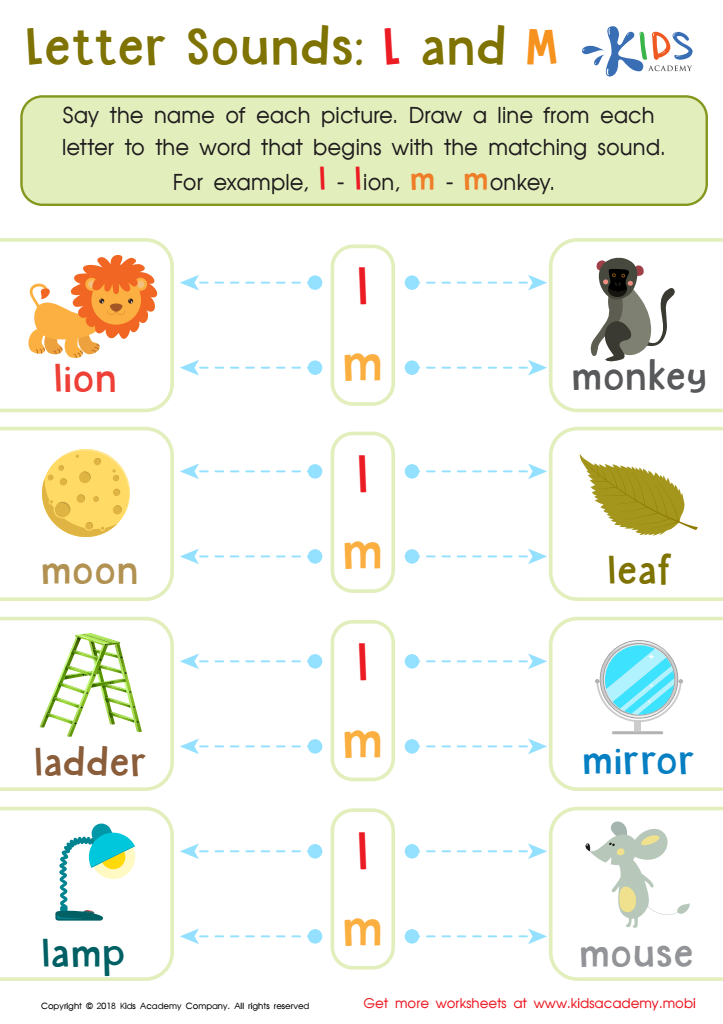
Letter l and M Sounds Worksheet

Letter F Tracing Page








Alphabet learning is a fundamental stepping stone in early childhood education, particularly for children ages 4-7. During this formative period, children develop key language and cognitive skills that shape their future learning experiences. Teachers and parents should prioritize alphabet learning for several compelling reasons.
Firstly, a strong grasp of the alphabet forms the basis for reading and writing proficiency. Recognizing letter shapes, names, and corresponding sounds builds phonemic awareness, a critical component of learning to read. Early exposure to alphabet knowledge enhances literacy development, which directly influences academic success in later years.
Additionally, understanding the alphabet boosts children's confidence and enthusiasm for learning. Mastery of these early skills provides a sense of accomplishment and encourages a positive attitude towards education. Engaging, age-appropriate alphabet activities also foster fine motor skills, creativity, and imagination.
Socially, alphabet learning supports communication skills. Children who can recognize and use letters effectively can express themselves better and interact more confidently with peers and adults. This foundational literacy not only supports academic learning but also enhances social and emotional growth.
In summary, parents and teachers who dedicate time and resources to alphabet learning establish a robust educational foundation, catalyzing a child's journey toward becoming a skilled reader, effective communicator, and enthusiastic learner.








