Developing analytical thinking Normal Worksheets for Ages 4-7
5 filtered results
-
From - To
Unlock your child's potential with our "Developing Analytical Thinking Normal Worksheets" designed specifically for ages 4-7. These engaging worksheets focus on enhancing critical thinking skills through fun, age-appropriate activities. Children will explore patterns, shapes, and comparisons, fostering their ability to analyze and reason effectively. Our thoughtfully crafted exercises cater to young learners, making complex concepts accessible while igniting their curiosity. Perfect for homeschooling or classroom settings, these worksheets enable kids to build a strong foundation in analytical thinking, paving the way for future academic success. Start your child's journey to mastery today with our interactive and colorful worksheets!
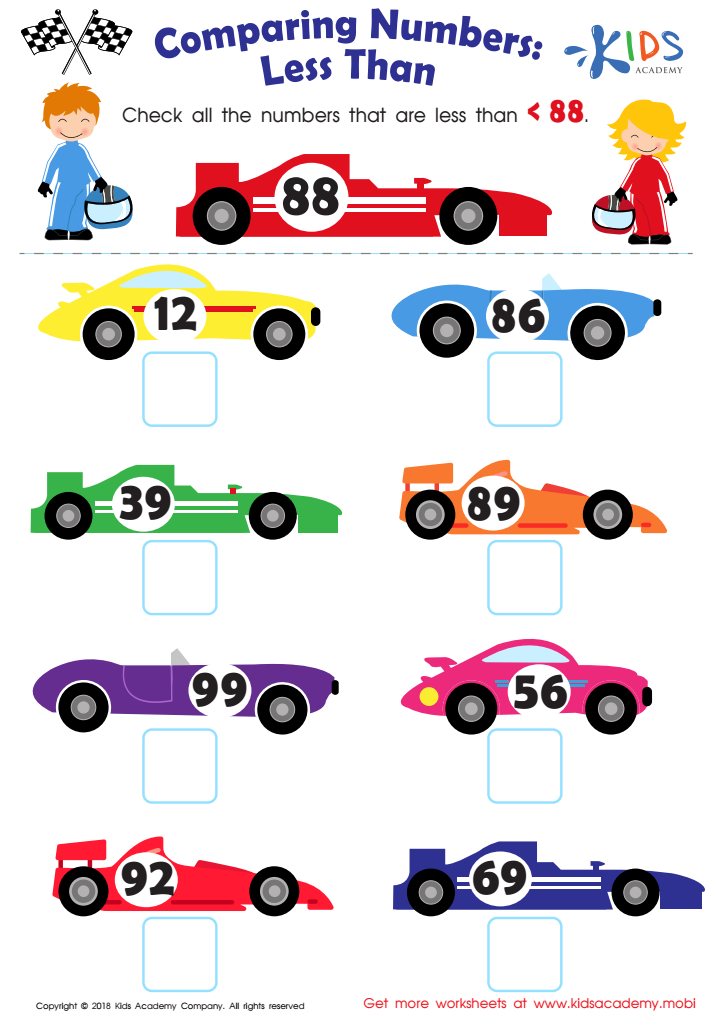
Less Than Worksheet
 Assign to My Students
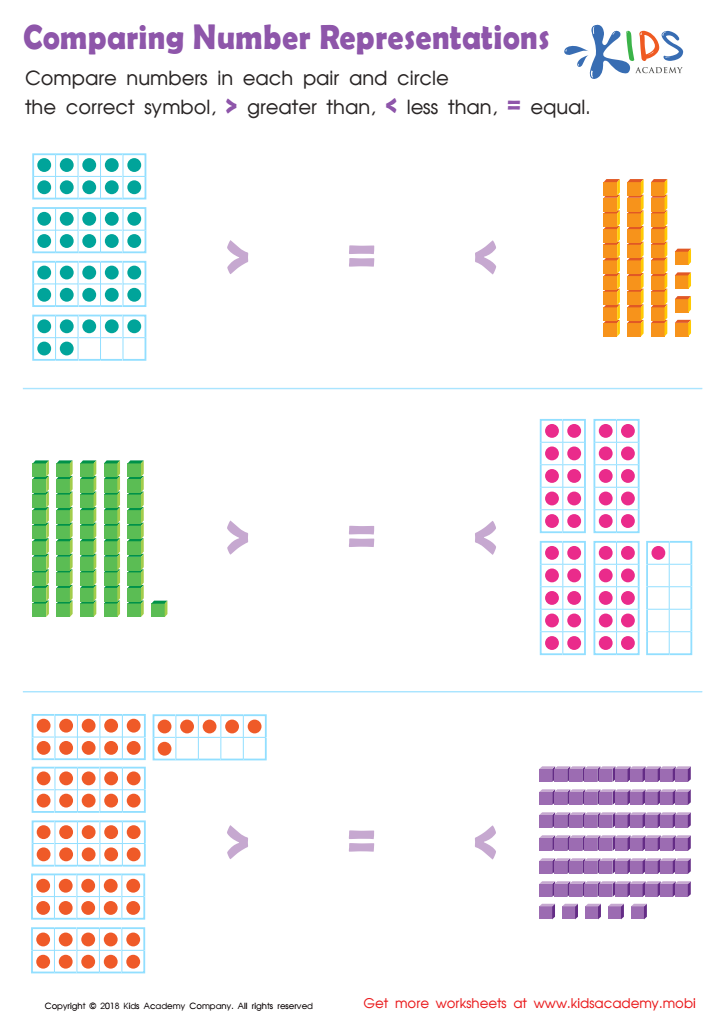
Comparing Number Representations Worksheet

King and Queen Mate: Bingo Worksheet
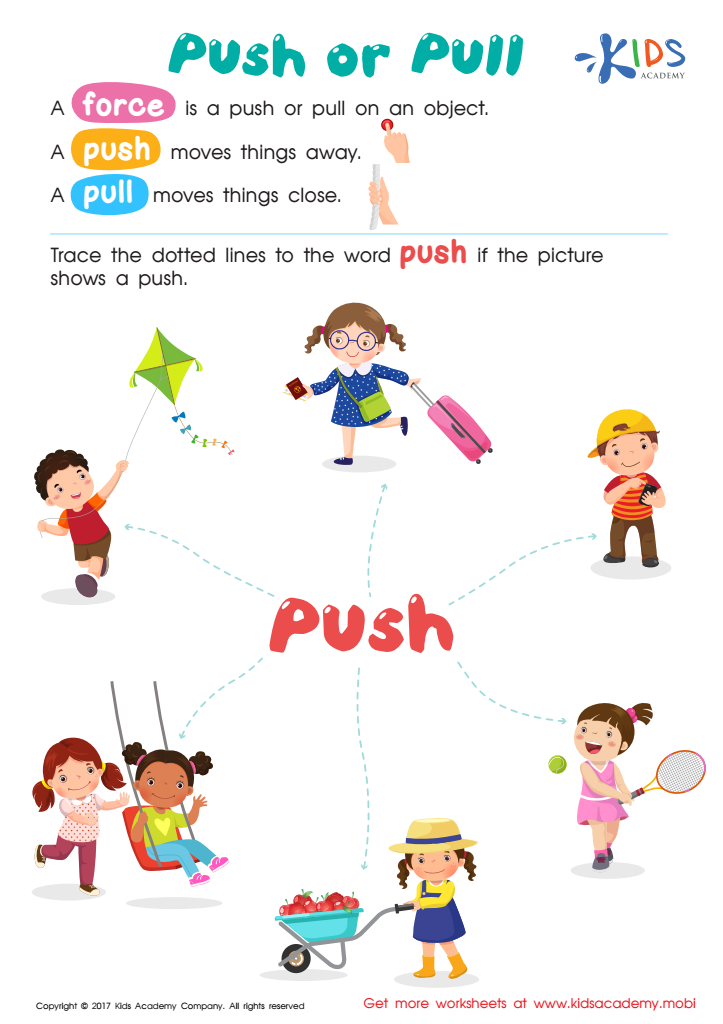
Push or Pull Worksheet
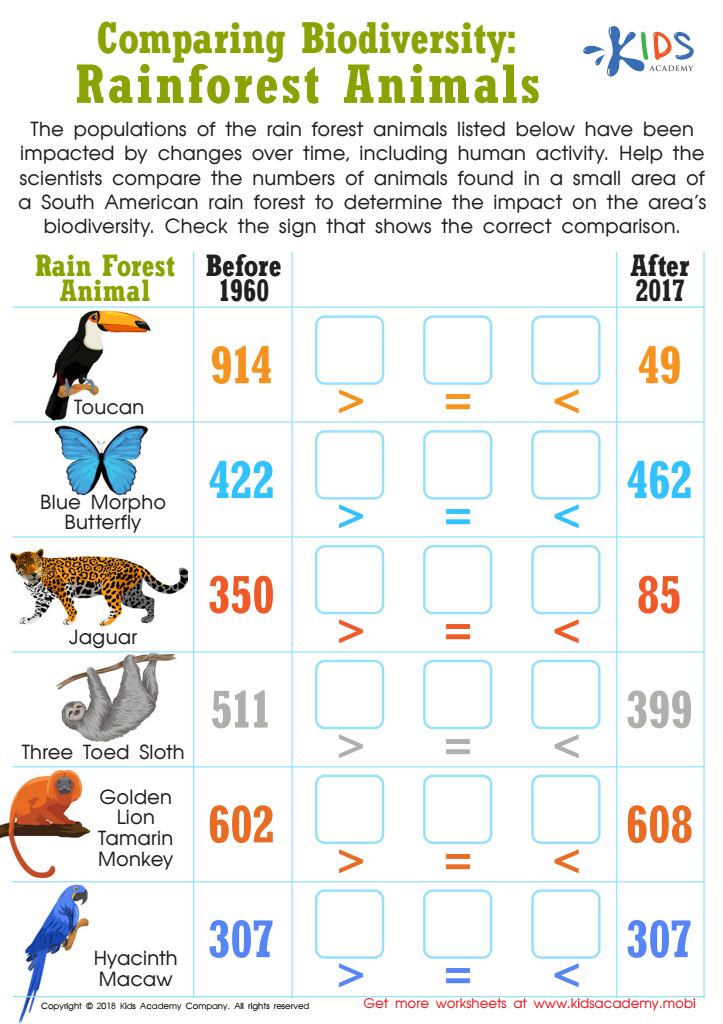
Comparing Biodiversity: Rainforest Animals Worksheet



.jpg)
%20(1).jpg)



Developing analytical thinking in children aged 4-7 is crucial for their overall cognitive growth and future academic success. At this formative stage, children begin to make sense of the world around them, and fostering these skills helps them interpret information, solve problems, and make informed decisions. Analytical thinking encourages children to observe, question, and explore their environment, opening the door to critical thinking and creativity.
Parents and teachers play a pivotal role in this development by providing engaging activities that promote curiosity, such as puzzles, storytelling, and group discussions. By encouraging young learners to analyze scenarios, compare outcomes, and express their ideas, they enhance their ability to think logically and function independently.
Moreover, early analytical skills lay the groundwork for more complex subjects like math and science. Children who can dissect problems into manageable parts are better equipped to tackle these areas in later education. Additionally, strong analytical thinkers often demonstrate improved social skills, as they can better understand perspectives and intentions.
In summary, nurturing analytical thinking in young children supports academic achievement, enhances problem-solving abilities, and fosters lifelong learning, making it imperative for parents and teachers to prioritize this essential developmental aspect.








