Developing critical thinking Normal Worksheets for Ages 4-7
7 filtered results
-
From - To
Enhance your child's cognitive abilities with our engaging "Developing Critical Thinking Normal Worksheets" designed for ages 4-7. These carefully crafted worksheets stimulate creativity and analytical skills through interactive activities and thought-provoking questions. Each worksheet encourages young learners to explore problem-solving, pattern recognition, and logical reasoning in a fun, accessible way. Perfect for parents and educators, these worksheets3 promote independent thinking and boost confidence in decision-making. With vibrant illustrations and age-appropriate challenges, your kids will enjoy sharpening their critical thinking skills while having fun. Visit our site to discover a treasure trove of activities that inspire a lifelong love for learning!

Seeds on the Move Worksheet
 Assign to My Students
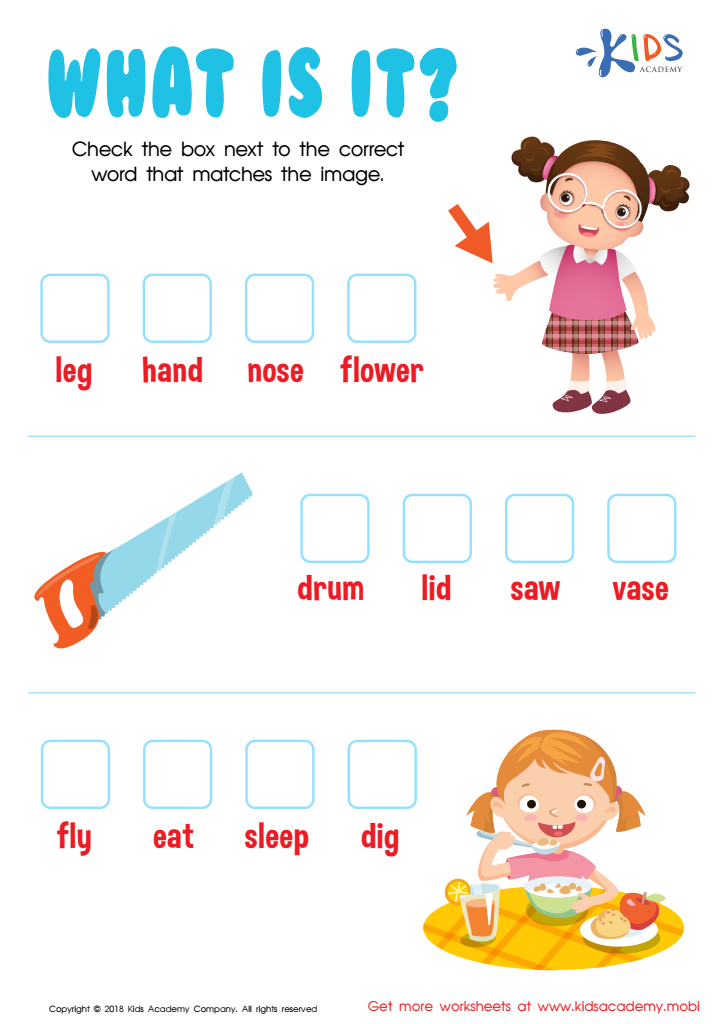
What Is It? Worksheet
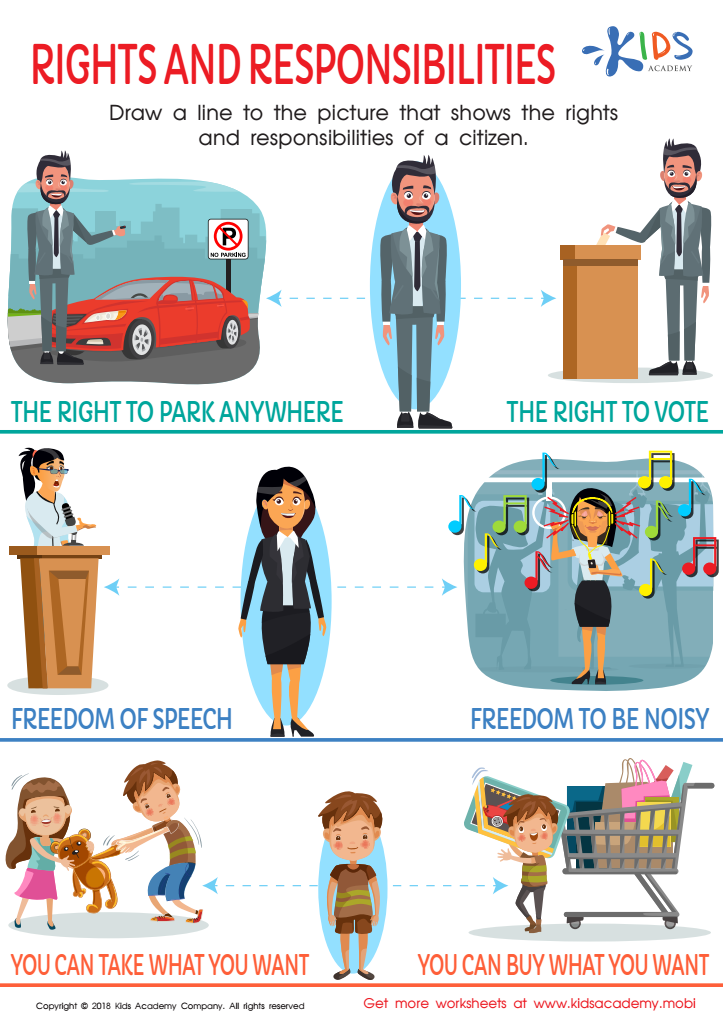
Rights and Responsibilities Worksheet
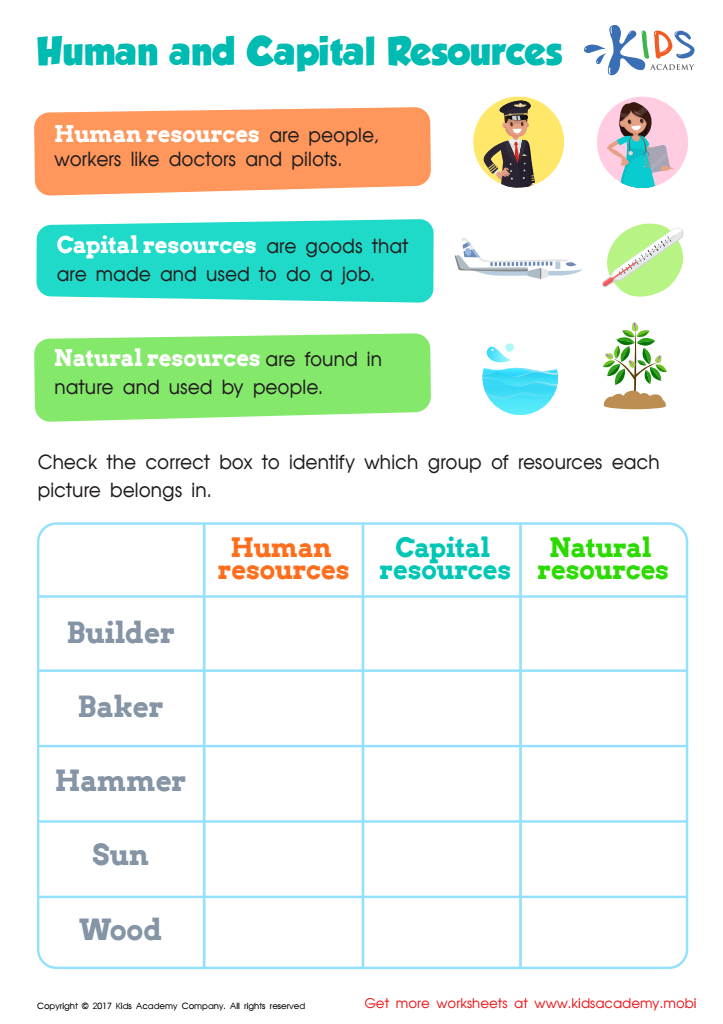
Human and Capital Resources Worksheet
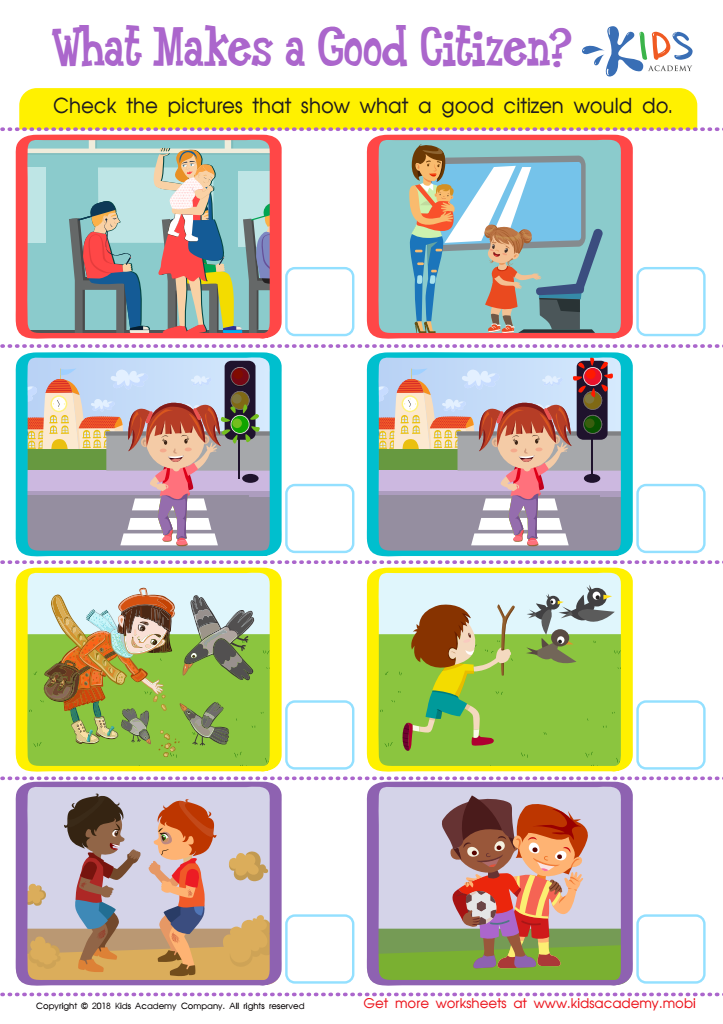
What Makes a Good Citizen? Worksheet
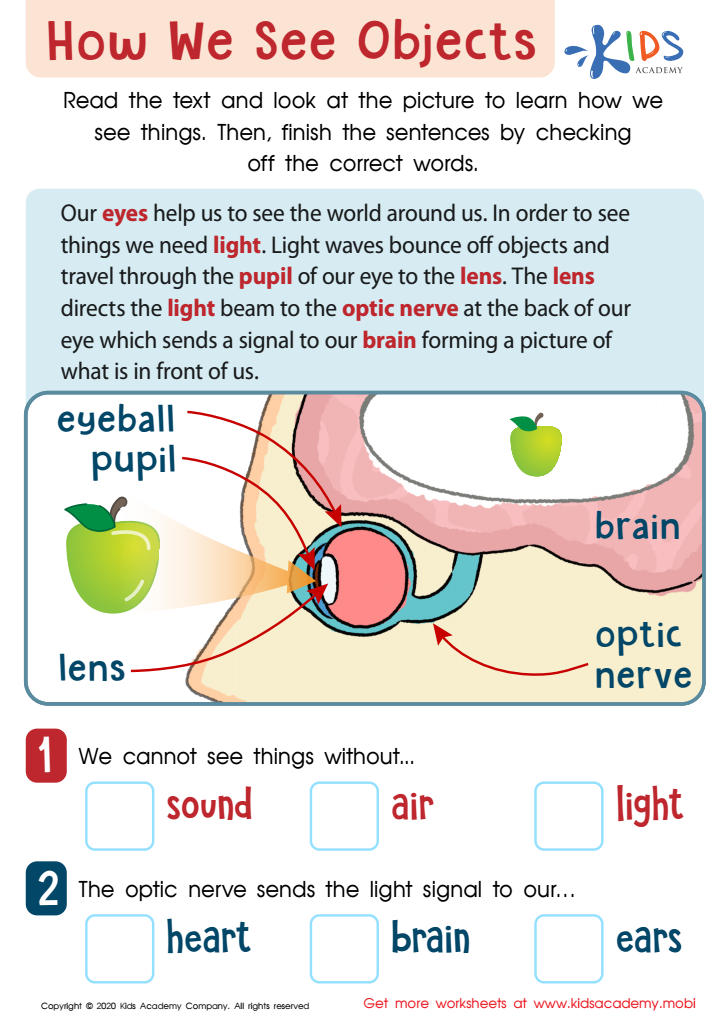
How We See Objects Worksheet

Man-Made or Natural? Worksheet








Developing critical thinking skills in children aged 4-7 is vital for their holistic development and lifelong learning. At this formative stage, children are naturally curious and eager to explore their surroundings. Encouraging critical thinking helps them learn to ask questions, seek solutions, and analyze information rather than simply accepting facts. This analytical mindset fosters problem-solving abilities, enabling them to approach challenges with creativity and confidence.
Moreover, critical thinking nurtures emotional intelligence by teaching children to evaluate their own feelings and thoughts as well as understand others’ perspectives. Through activities that promote reflection, reasoning, and discussion, children learn to construct and express their ideas effectively, enhancing communication skills.
Parents and teachers play a pivotal role by integrating these practices into their interactions. Engaging children in open-ended questions and collaborative activities stimulates their cognitive development while demonstrating the value of diverse viewpoints. By prioritizing critical thinking, caregivers lay the groundwork for responsible decision-making and informed citizenry.
Ultimately, fostering critical thinking in early education supports academic success and prepares children for a rapidly changing world, equipping them with the tools to navigate complexities in everyday life and future challenges.








