Enhancing math skills Normal Worksheets for Ages 4-7
5 filtered results
-
From - To
Unlock your child's potential with our "Enhancing Math Skills Normal Worksheets" tailored for ages 4-7. Perfect for young learners, these engaging resources lay a strong math foundation by focusing on fundamental skills like counting, addition, subtraction, and number recognition. Through fun and interactive activities, our worksheets make learning enjoyable, promoting critical thinking and problem-solving abilities essential for academic success. Ideal for both classroom and home use, this collection supports national math standards, ensuring your child progresses confidently. Set the stage for lifelong learning with our expertly designed math worksheets, and give your child the gift of math mastery.
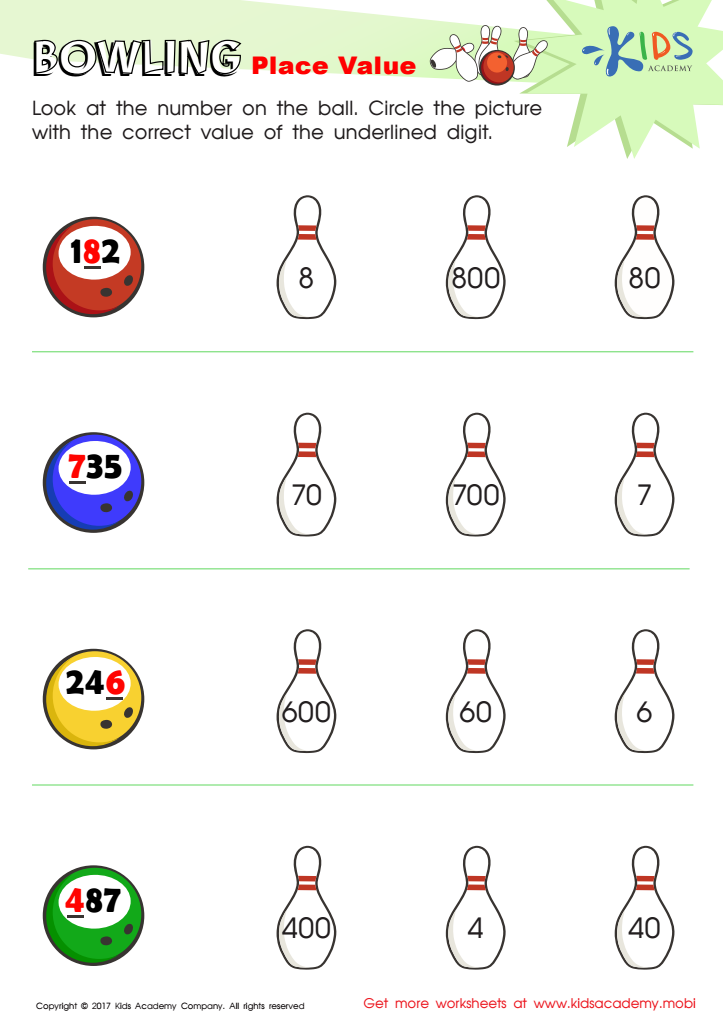
Place Value Worksheet
 Assign to My Students
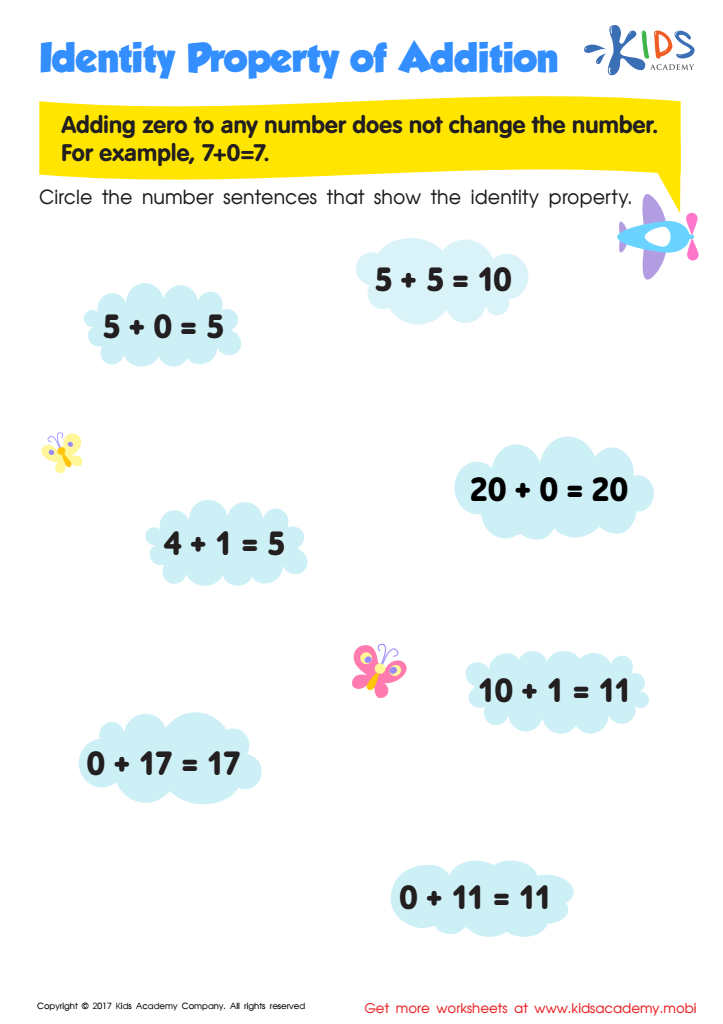
Identity Property of Addition Worksheet
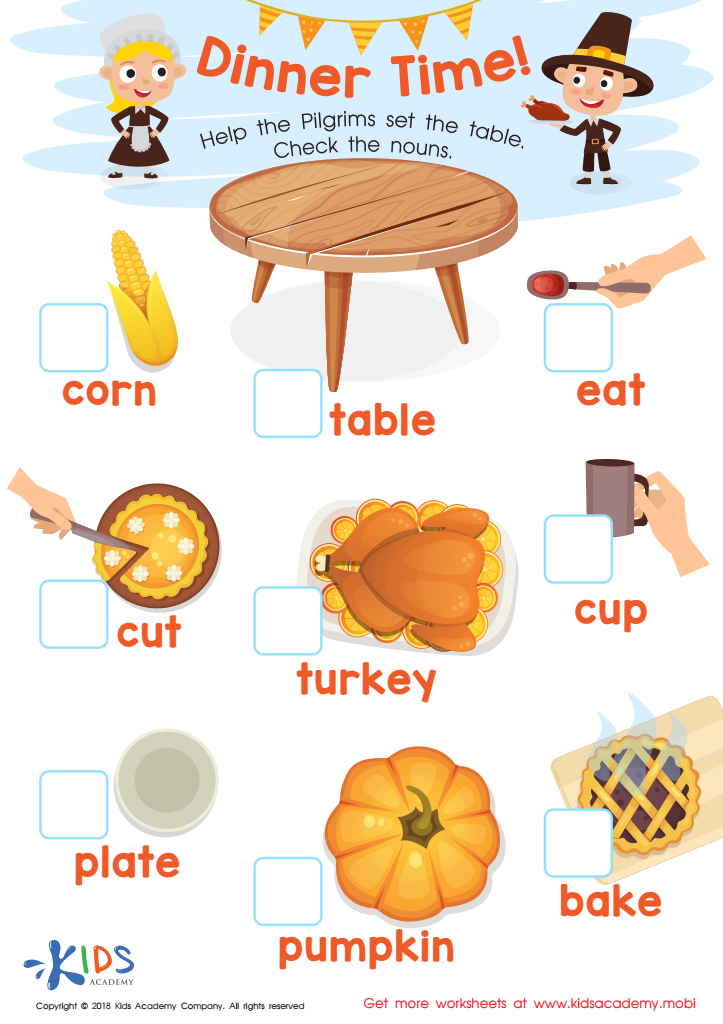
Dinner Time! Worksheet
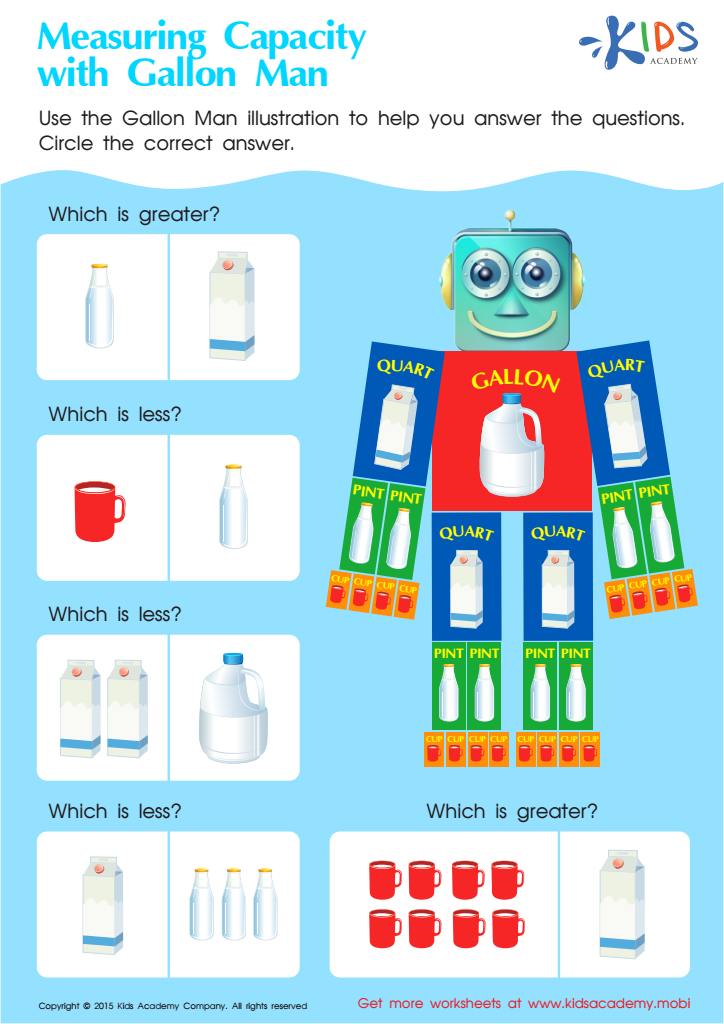
Measurement: Measuring Capacity with Gallon Man Worksheet
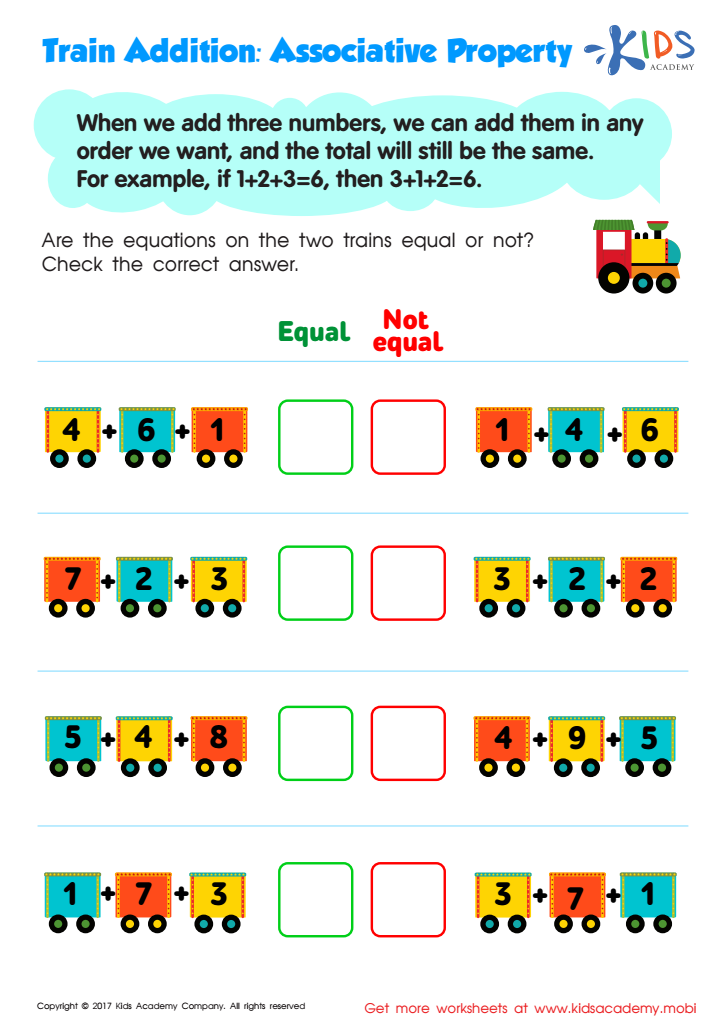
Train Addition: Associative Property Worksheet







Enhancing math skills in children ages 4-7 is crucial for multiple reasons. At this age, children's brains are highly receptive and are developing foundational skills that will support their future learning. Introducing math concepts early helps to strengthen cognitive development, namely problem-solving abilities and critical thinking skills. When children engage with math, they're not just learning numbers and shapes; they're also improving their abilities to reason, analyze, and make decisions.
Moreover, early math competency is strongly linked to later academic success. Studies show that children who enter kindergarten with strong math skills tend to perform better not only in math but also in other subjects such as reading. This early advantage can lead to long-term educational benefits, making future learning easier and more enjoyable.
For parents and teachers, fostering a positive relationship between young children and math is essential. It mitigates math anxiety and sets a tone that math is fun and accessible. Interactive and engaging activities like games, puzzles, and hands-on projects make math enjoyable and relatable. By integrating math into daily life, such as counting objects, measuring ingredients, or identifying shapes in the environment, adults can help children see the relevance of math, fostering a lifelong curiosity and love for learning.








