Logical Reasoning Normal Worksheets for Ages 4-7 - Page 2
28 filtered results
-
From - To
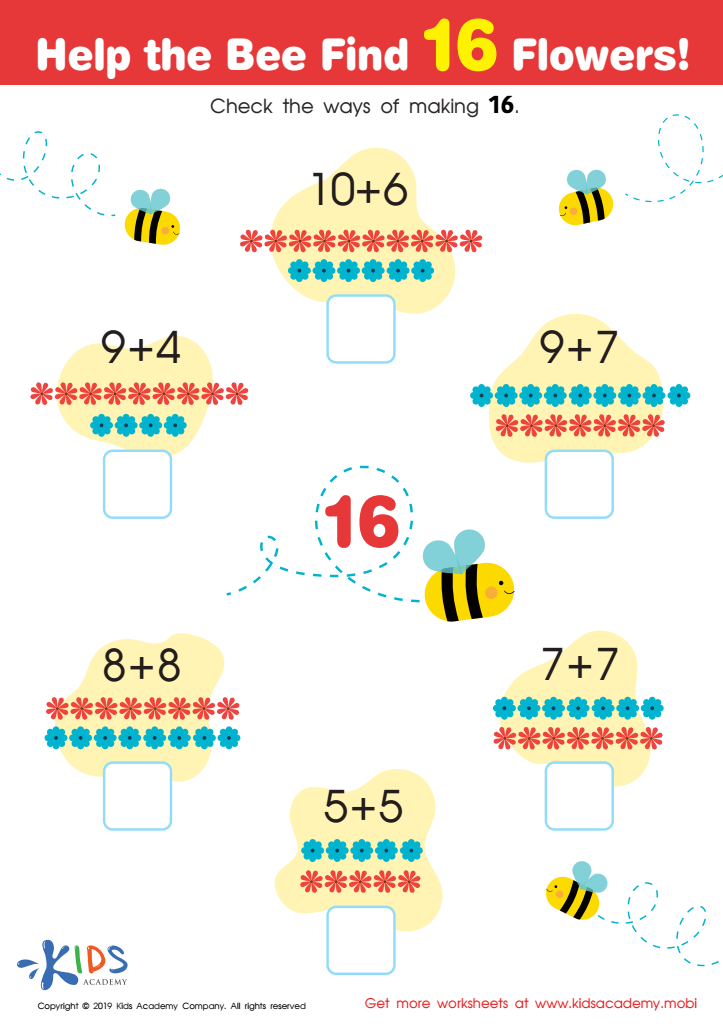
Help the Bee Find 16 Flowers Worksheet
 Assign to My Students
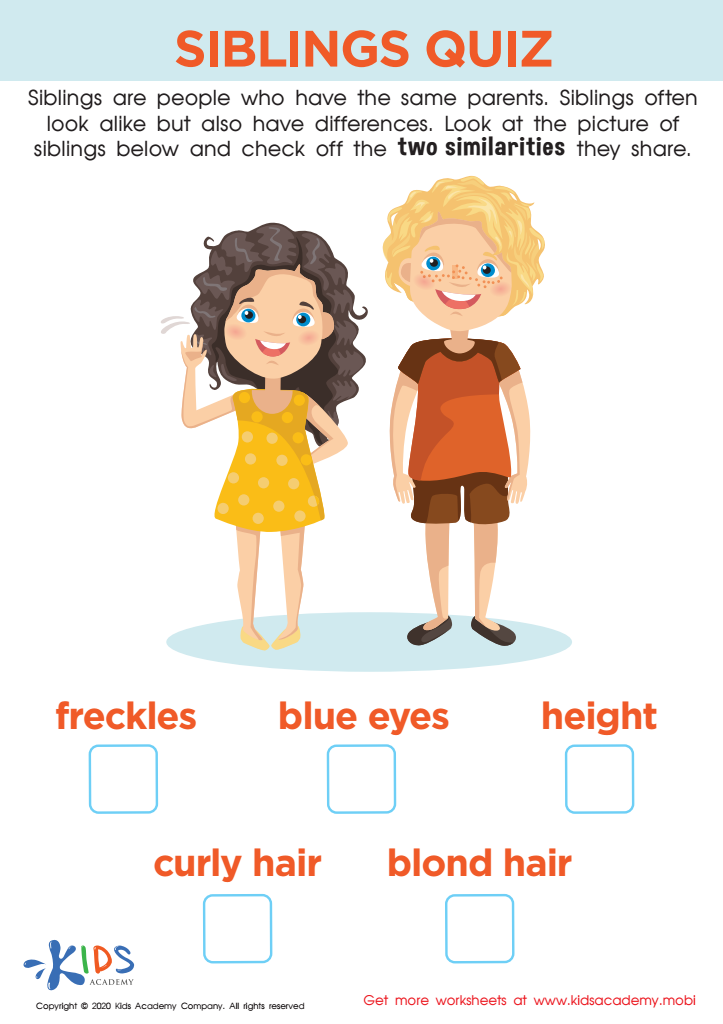
Siblings Quiz Worksheet
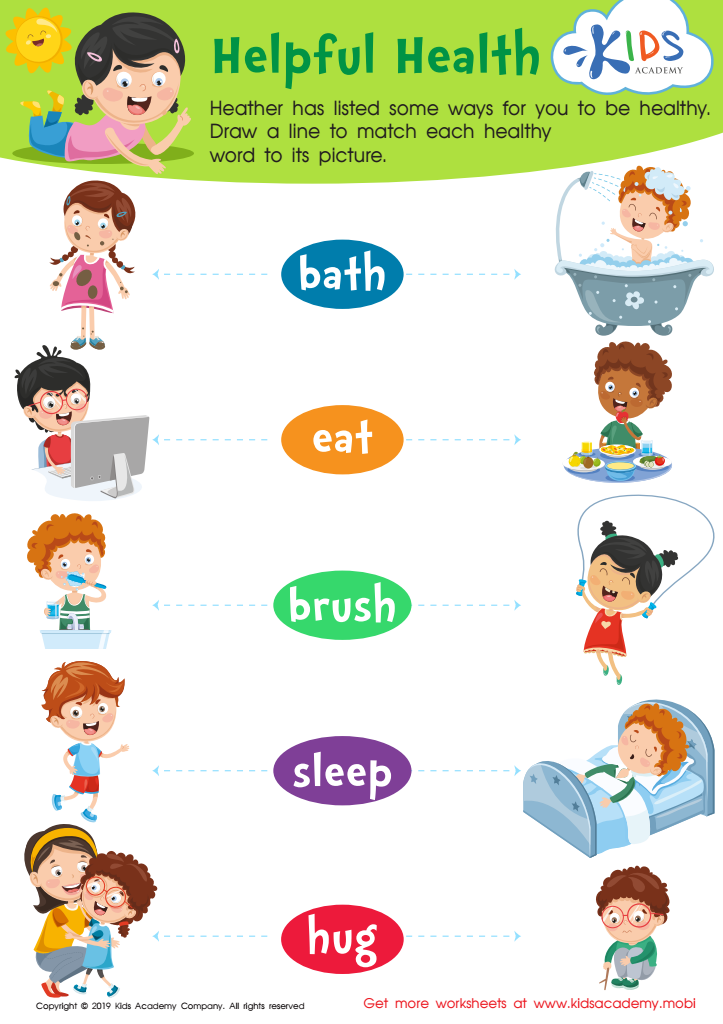
Helpful Health Worksheet
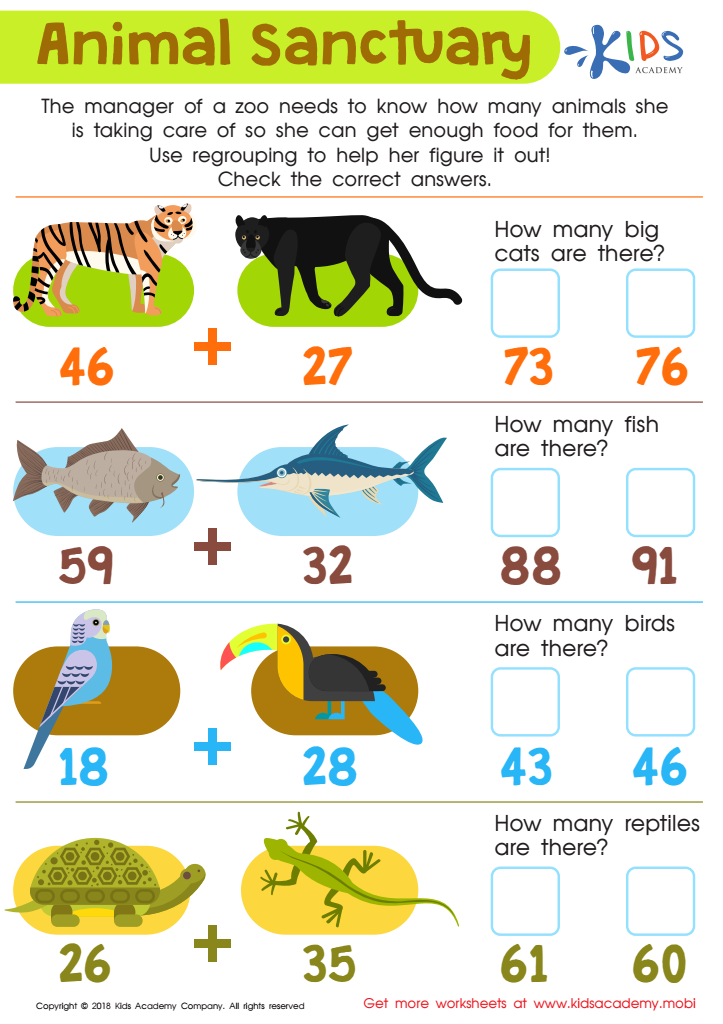
Animal Sanctuary Worksheet







Logical reasoning is a foundational skill that significantly impacts a child's cognitive development during the critical ages of 4 to 7. During this period, children are not just absorbing facts but also learning how to think critically and solve problems. Engaging in activities that promote logical reasoning helps children develop essential skills such as pattern recognition, deduction, and the ability to make connections across concepts.
Parents and teachers should care about logical reasoning because it fosters independence and confidence in children. By honing these skills, kids are better equipped to navigate everyday situations and academic challenges, ultimately enhancing their overall learning experience. Furthermore, logical reasoning is closely linked to mathematical understanding, language development, and scientific inquiry, making it a pivotal area for early educational focus.
Incorporating logical reasoning games and exercises into everyday learning can stimulate a child’s curiosity and creativity. Familiarity with these skills can lead to improved performance in school, as students learn to analyze and approach problems systematically. Moreover, strong logical reasoning abilities can improve social interactions, as children become adept at understanding different perspectives and making informed decisions. Thus, cultivating logical reasoning is vital for building a strong foundation that supports lifelong learning and success.








