Memory enhancement Normal Worksheets for Ages 4-7
5 filtered results
-
From - To
Introducing our Memory Enhancement Normal Worksheets for Ages 4-7, specifically designed to boost young minds' retention and recall abilities. These engaging, educational worksheets include activities like matching games, pattern sequences, and picture recall to make learning enjoyable and effective. Tailored for early learners, our resources ensure that children practice essential memory skills in a fun, interactive way. Carefully developed by educational experts, these worksheets are perfect for both parents and teachers aiming to support developmental milestones. Elevate your child's cognitive abilities with our top-notch memory enhancement worksheets today. Boost memory skills with confidence and joy!
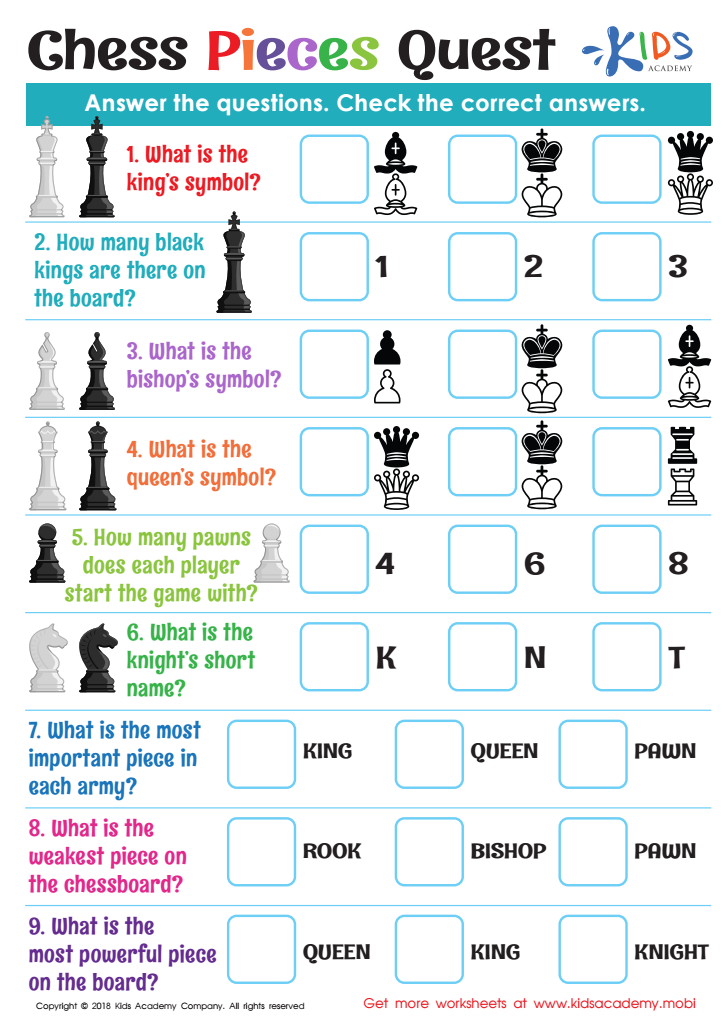
Chess Pieces Quest Worksheet
 Assign to My Students
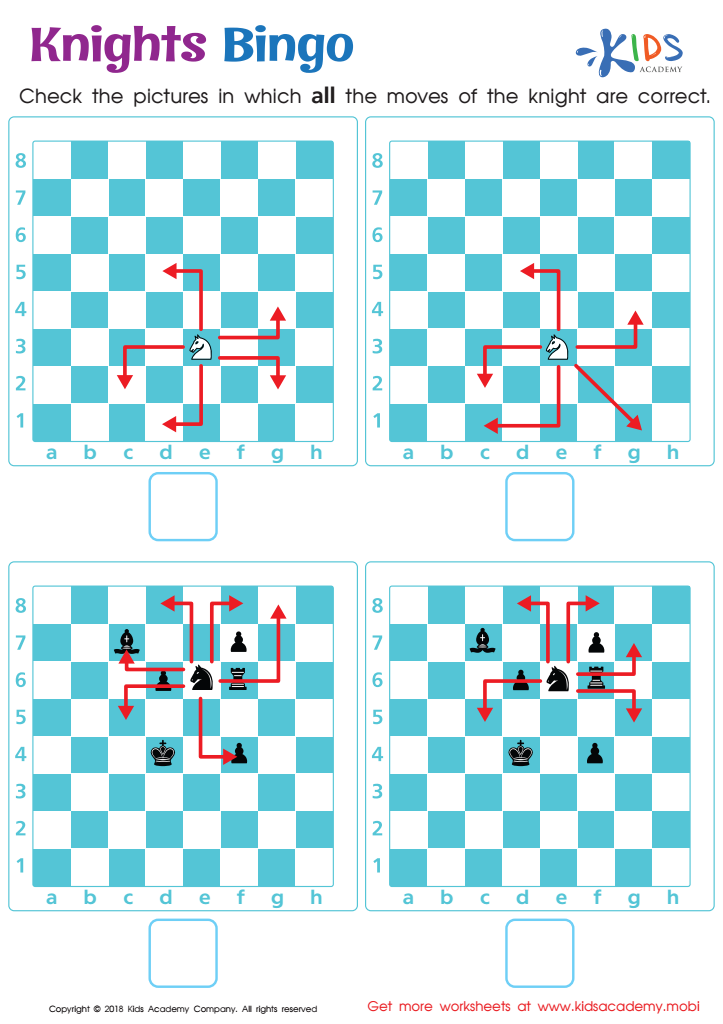
Knights Bingo Worksheet
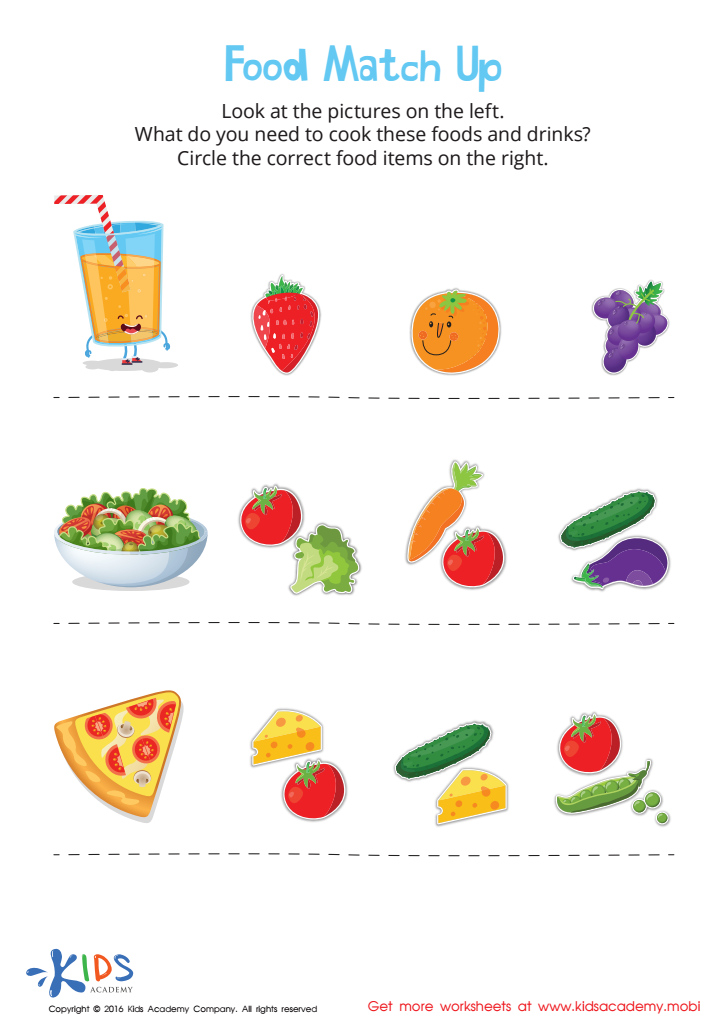
Food Match Up Worksheet
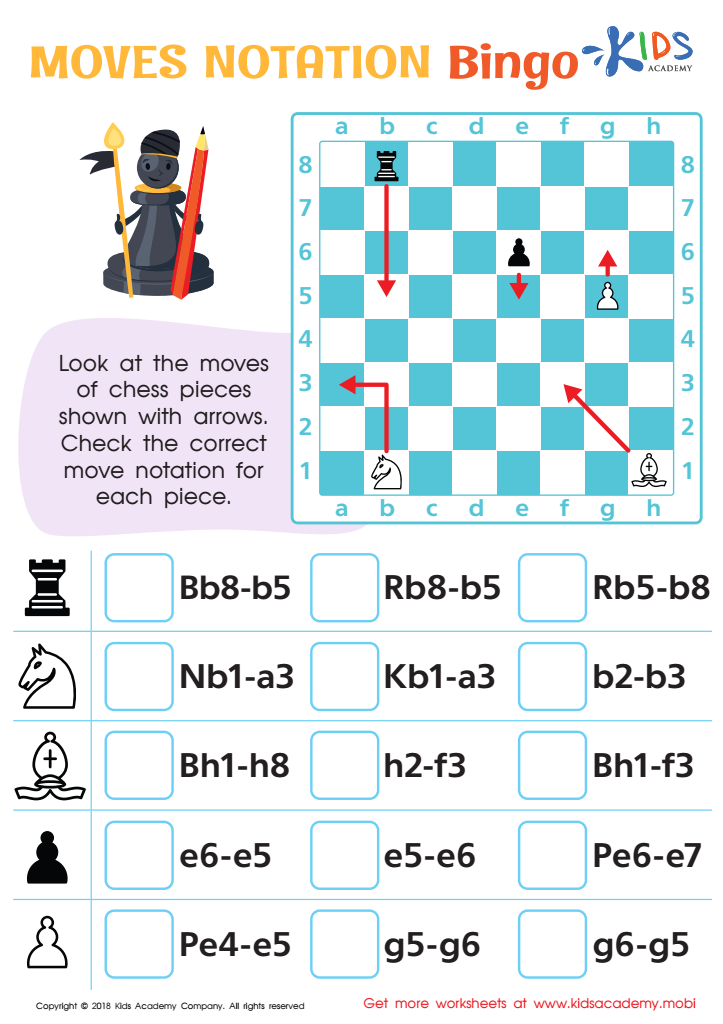
Moves Notation Bingo Worksheet

Arctic Animals Worksheet








Memory enhancement for children ages 4-7 is crucial for their early cognitive development and overall academic success. During these formative years, children are rapidly absorbing information and developing foundational skills in literacy, numeracy, and social behaviors. Enhancing their memory aids in better retention of this critical knowledge, setting a solid groundwork for future learning.
Memory skills directly contribute to a child's ability to follow instructions, solve problems, and work independently. For example, remembering the sequence of events in a story helps improve comprehension and language abilities. A good memory also supports phonemic awareness, a key component in learning to read. Additionally, basic arithmetic and counting skills heavily rely on memory capabilities.
Moreover, memory enhancement promotes self-confidence and motivation in young children. When they can recall information and apply it effectively, they experience a sense of accomplishment that fuels their eagerness to learn more. This positive feedback loop reinforces their engagement and involvement in classroom activities.
For parents and teachers, focusing on memory enhancement strategies —such as interactive games, mnemonic devices, and repetitive practice— not only boosts academic performance but also nurtures lifelong critical thinking skills. Investing in these early years bridges the gap between foundational learning and advanced education, fostering well-rounded, confident individuals.








