Phonics improvement Normal Worksheets for Ages 4-7
3 filtered results
-
From - To
Transform your child’s reading journey with our "Phonics Improvement Normal Worksheets for Ages 4-7". These expertly designed activities enhance essential phonics skills through fun, engaging exercises. Perfect for young learners, each worksheet focuses on letter sounds, blends, and reading fluency to build a strong foundation in reading. Tailored for ages 4-7, the worksheets are ideal for both classroom and home use, ensuring consistent practice and improvement. Watch your child’s confidence soar as they master phonics the fun and effective way. Start your child's phonics journey with our comprehensive, easy-to-use worksheets today!
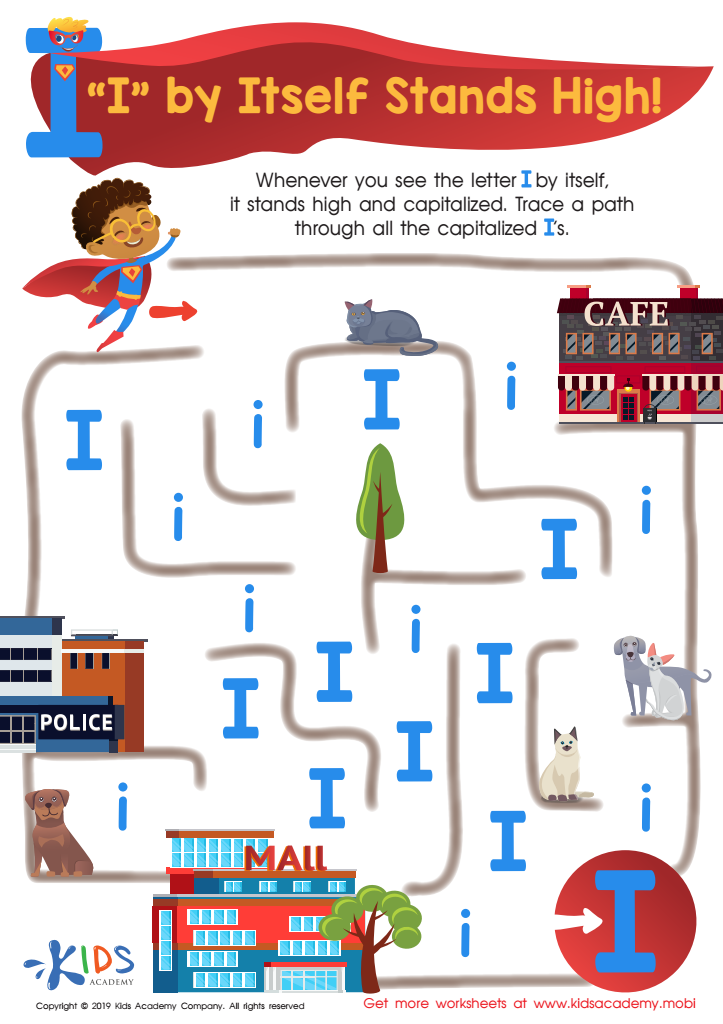
I Stands High Worksheet
 Assign to My Students
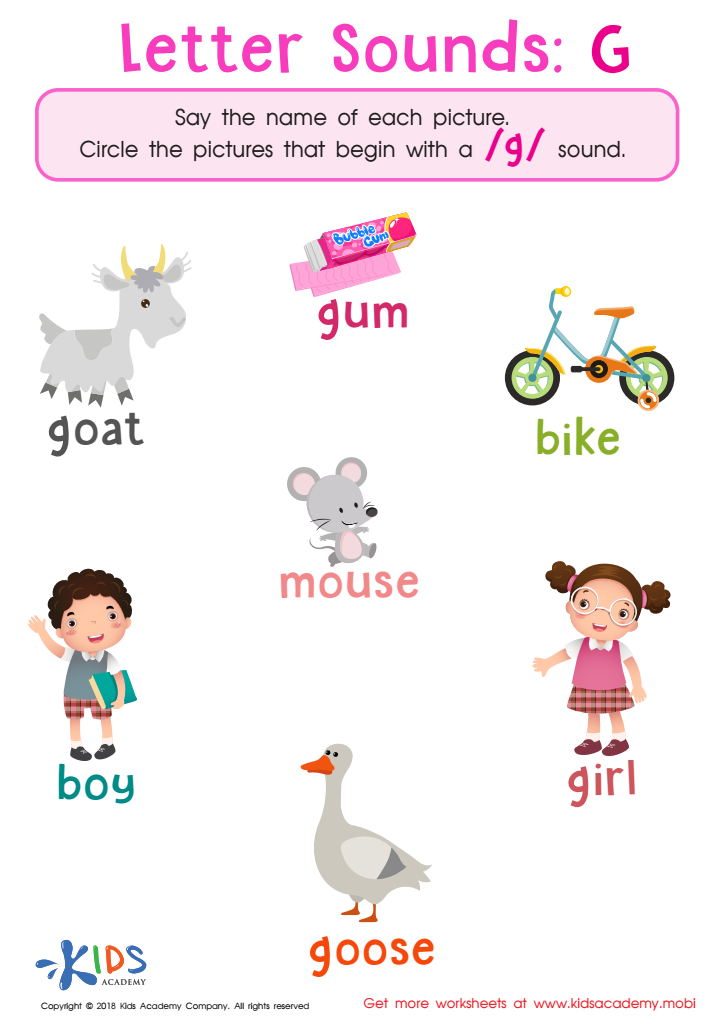
Letter G Sounds Worksheet








Phonics is the foundation of reading and writing skills, crucial for children's literacy development, particularly between the ages of 4-7. During these formative years, children’s brains are highly receptive to learning the connections between letters and sounds. Parents and teachers should care about phonics improvement because it directly impacts a child's ability to decode and comprehend written language. When children effectively learn phonics, they can recognize words quicker and become more confident readers.
A strong phonics background can bridge the gap between spoken and written language, fostering better reading fluency and comprehension. This fluency, in turn, supports successful academic performance across all subjects since reading is a core component of learning. Early improvement in phonics also enhances children's vocabulary and spelling skills, which are essential for clear communication and writing.
Moreover, early proficiency in phonics fosters a love of reading, an invaluable life skill that encourages lifelong learning. Poor phonics skills, on the other hand, can lead to frustration and decreased interest in reading, potentially affecting a child's overall educational experience.
Enabling children to master phonics through consistent practice, engaging lessons, and encouraging reading at home gives them a strong start toward academic success and the cognitive challenges of life. Hence, improving phonics in early childhood sets the stage for a child's overall academic and personal development.








