Phonics skills development Normal Worksheets for Ages 4-7
6 filtered results
-
From - To
Discover our engaging Phonics Skills Development Worksheets designed for children aged 4 to 7. These worksheets provide essential practice in letter sounds, blending, and decoding words, laying a solid foundation for early reading success. Tailored to cater to young learners, our worksheets combine fun activities with interactive exercises that promote phonics understanding and retention. Each printable resource encourages children to explore sounds through colorful illustrations and relatable contexts, making learning enjoyable and effective. Perfect for classroom settings or home study, our phonics worksheets are a valuable tool for developing essential literacy skills, ensuring your child excels in reading as they grow. Start today!
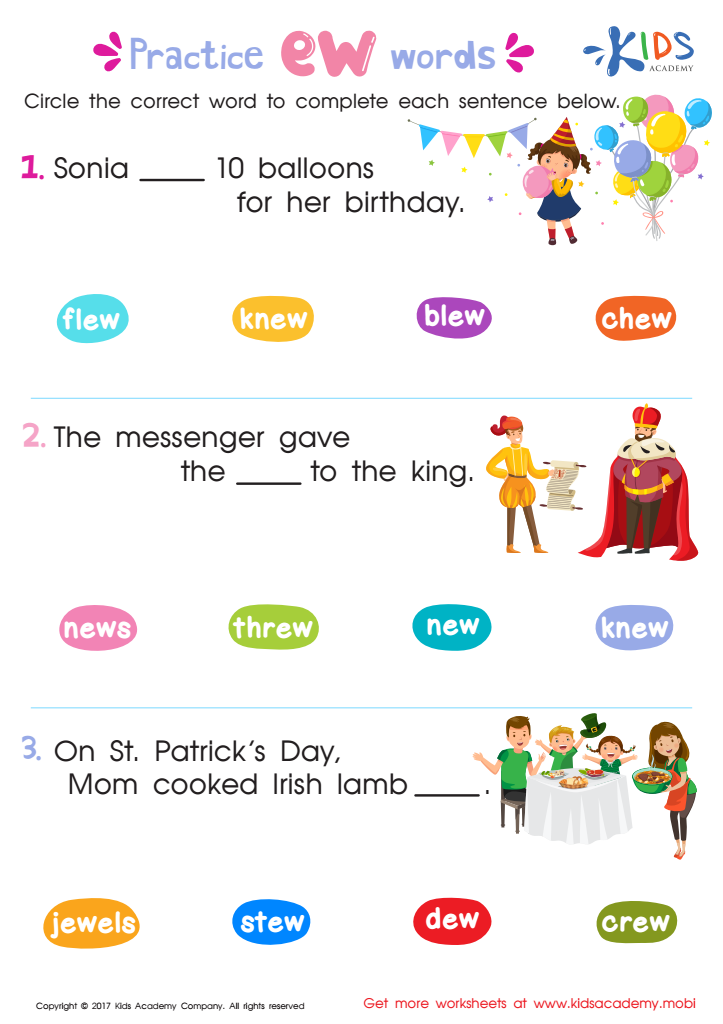
EW Words Worksheet
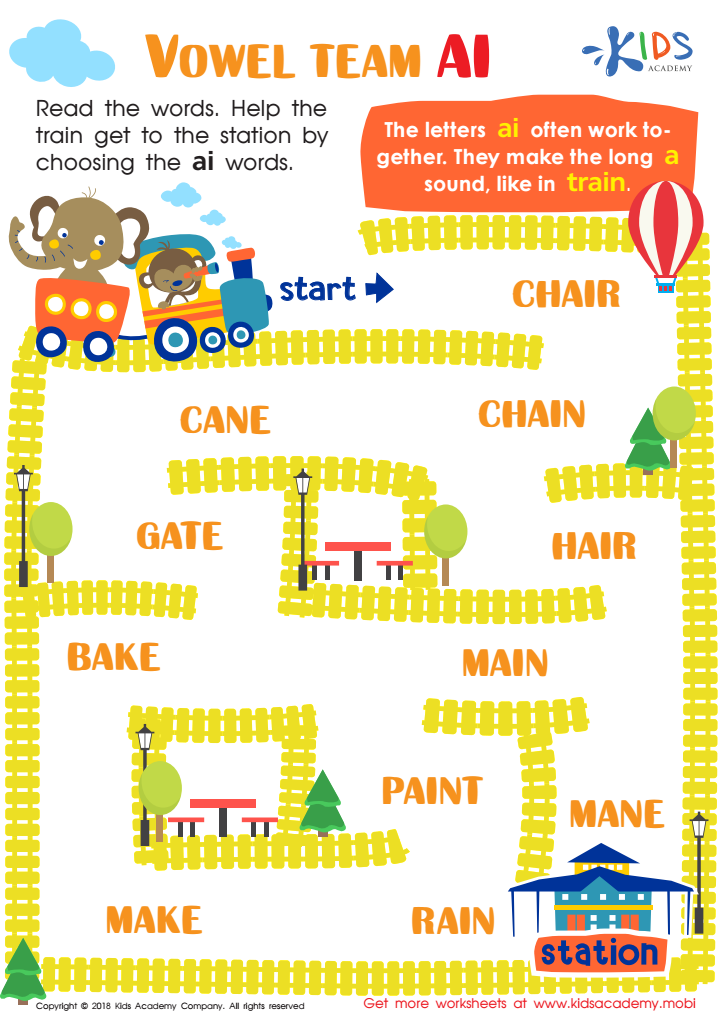
Vowel team ai Worksheet
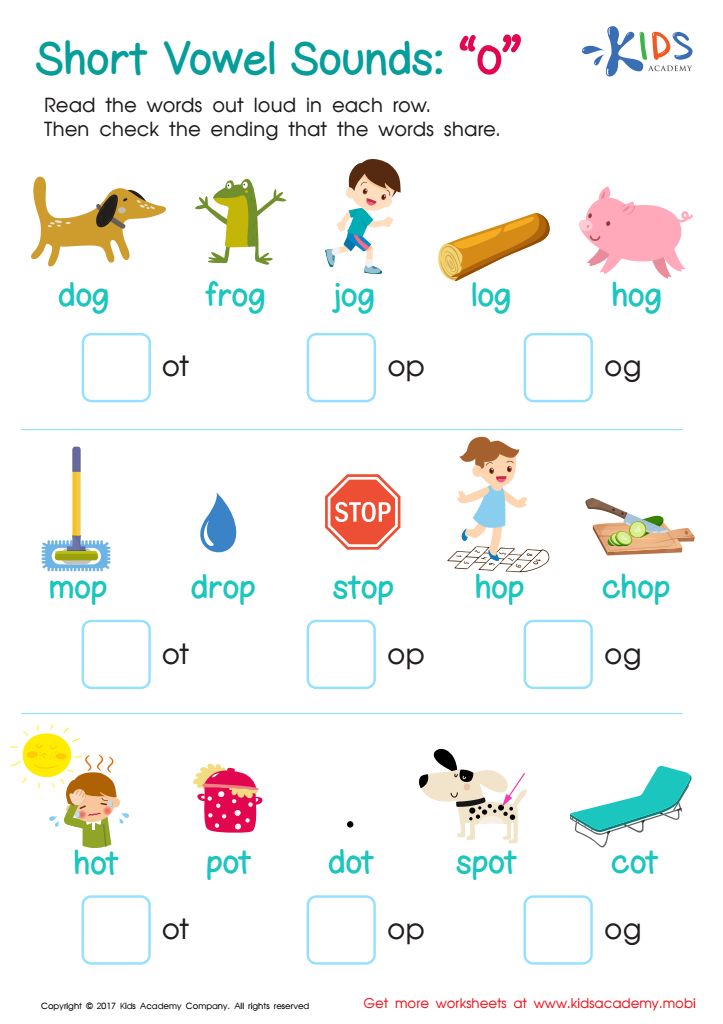
Short vowel Sounds "o" Spelling Worksheet
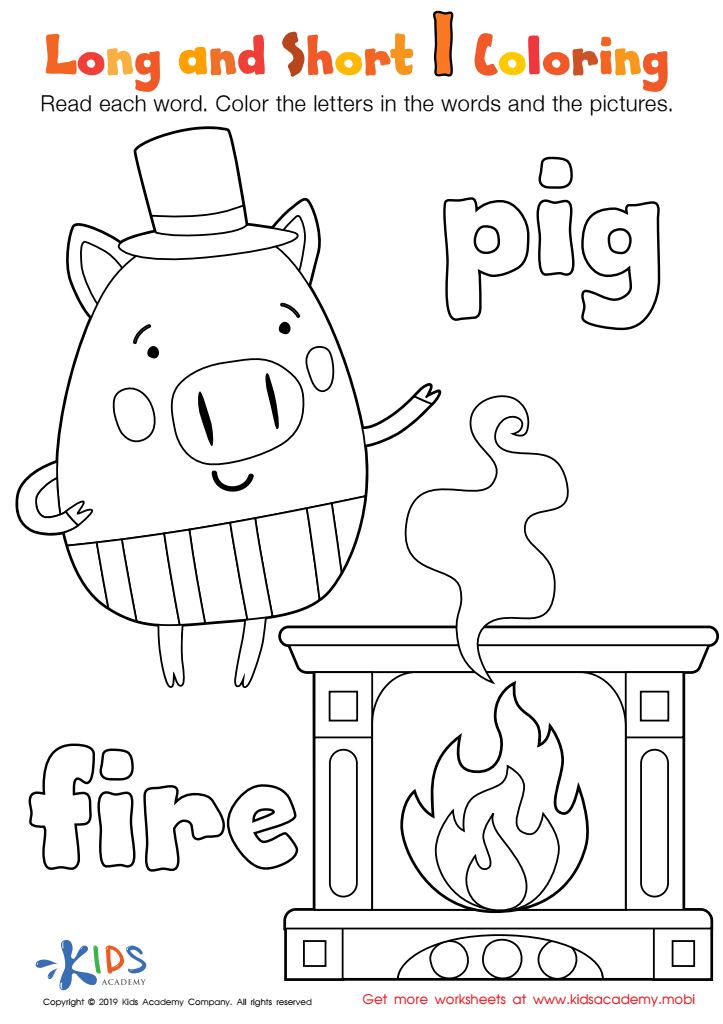
Long and Short I Worksheet
 Assign to My Students
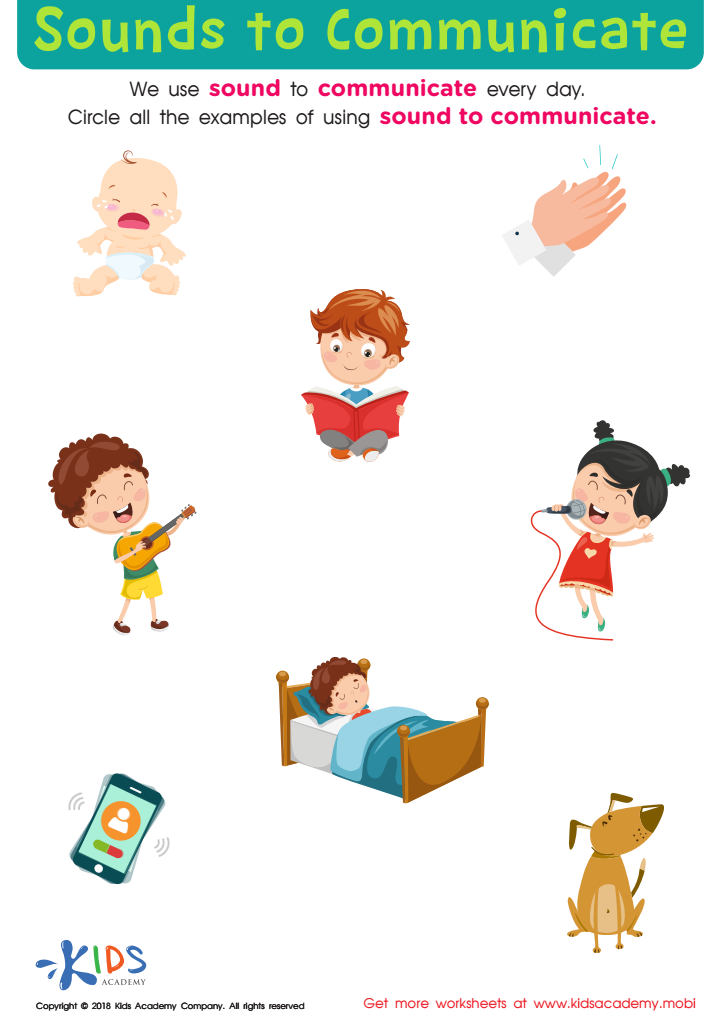
Sounds to Communicate Worksheet
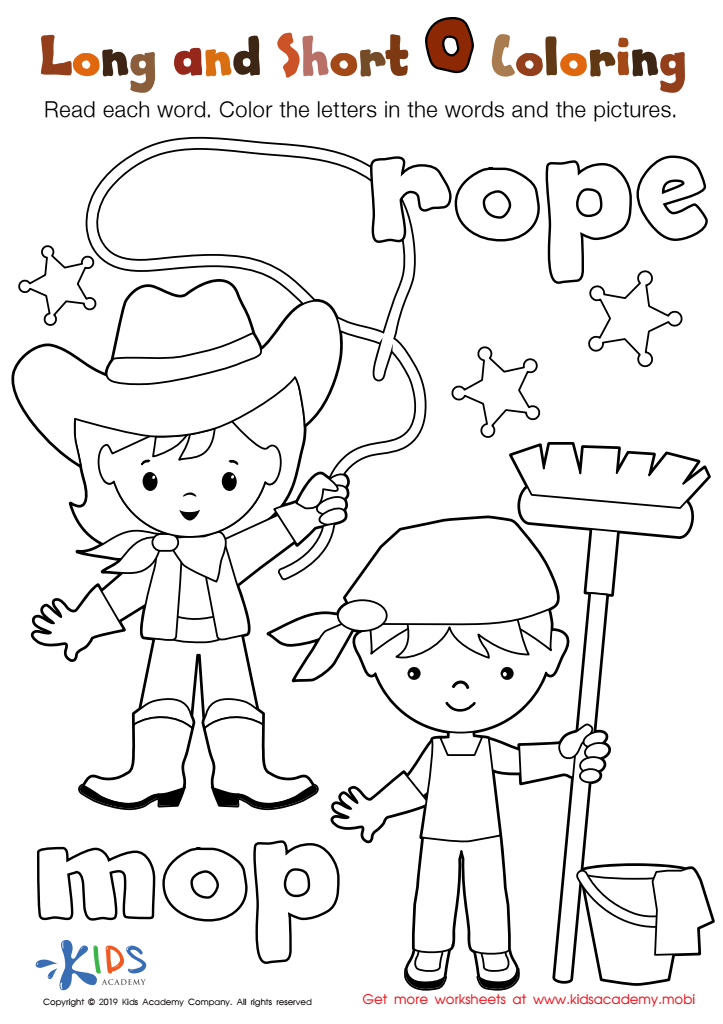
Long and Short O Worksheet
Assign to My Students








Phonics skills development is crucial for children aged 4-7, as it lays the foundation for their reading and writing abilities. During these formative years, children begin to understand the relationship between letters and sounds, a skill essential for decoding words and establishing literacy. When parents or teachers invest in phonics education, they empower children to become confident readers, which significantly enhances their overall learning experiences.
Strong phonics skills foster a love for reading, enabling children to explore new concepts, expand their vocabulary, and improve comprehension. As these skills develop, children are more likely to participate in classroom activities, engage with texts, and express themselves effectively.
Additionally, phonics proficiency can help prevent difficulties in later literacy development. Children who struggle with phonics often face challenges in reading fluency and comprehension, which can lead to self-esteem issues and a negative attitude toward school. By focusing on phonics early on, parents and teachers can create a supportive environment that promotes academic success and lifelong learning.
Ultimately, nurturing phonics skills during these critical years is an investment in a child’s future, setting them on a path for success in school and beyond.








