Recognizing Patterns Normal Worksheets for Ages 4-7
6 filtered results
-
From - To
Discover our engaging "Recognizing Patterns Normal Worksheets" designed specifically for children aged 4-7. These expertly crafted worksheets help young learners develop essential pattern recognition skills through fun and interactive activities. Each worksheet encourages kids to identify, complete, and create various patterns using colors, shapes, and objects, fostering critical thinking and cognitive development. Perfect for home or classroom use, our resources support early education and provide a solid foundation for future math skills. Watch your child’s confidence grow as they explore the exciting world of patterns. Start their learning journey today with our printable worksheets and make learning a delightful experience!
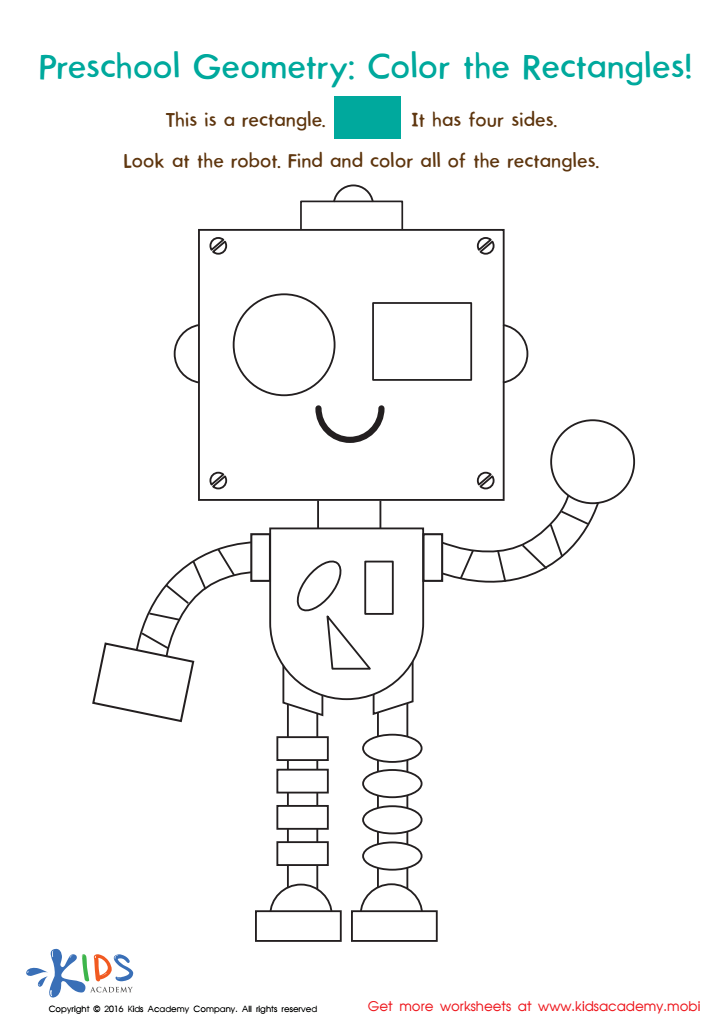
Geometry Worksheet
 Assign to My Students
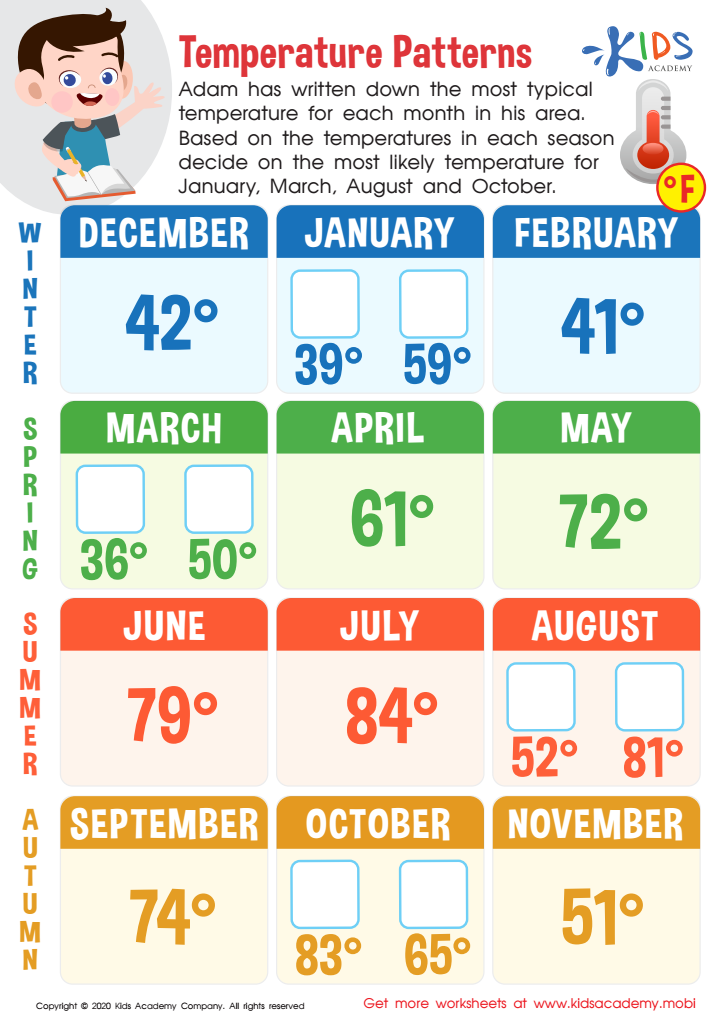
Temperature Patterns Worksheet
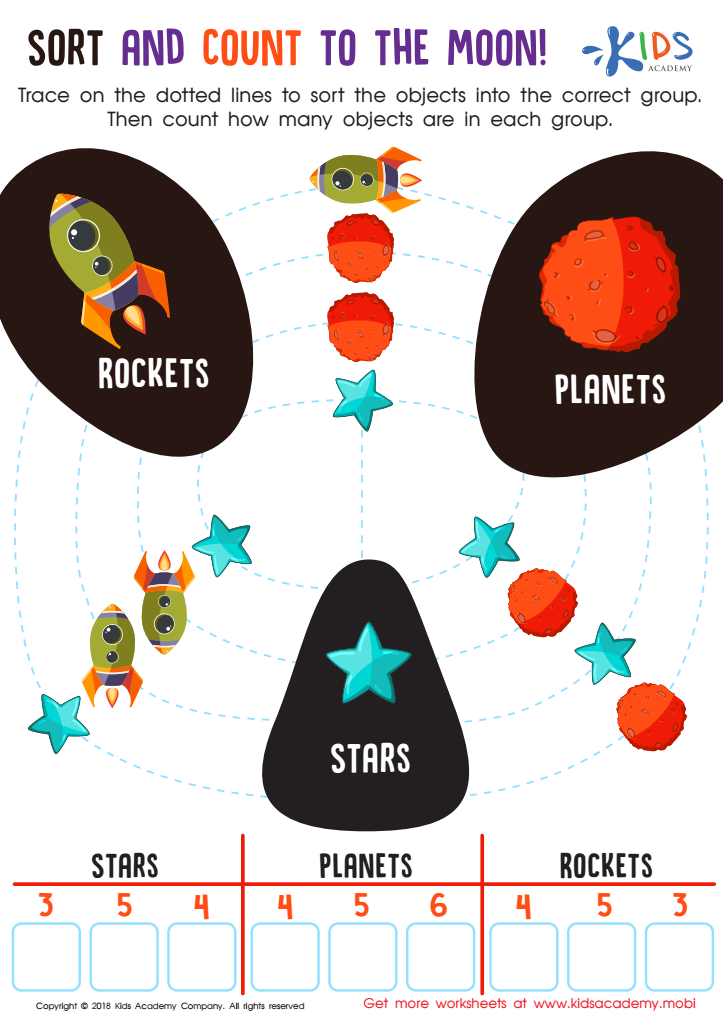
Sort and Count to the Moon Worksheet
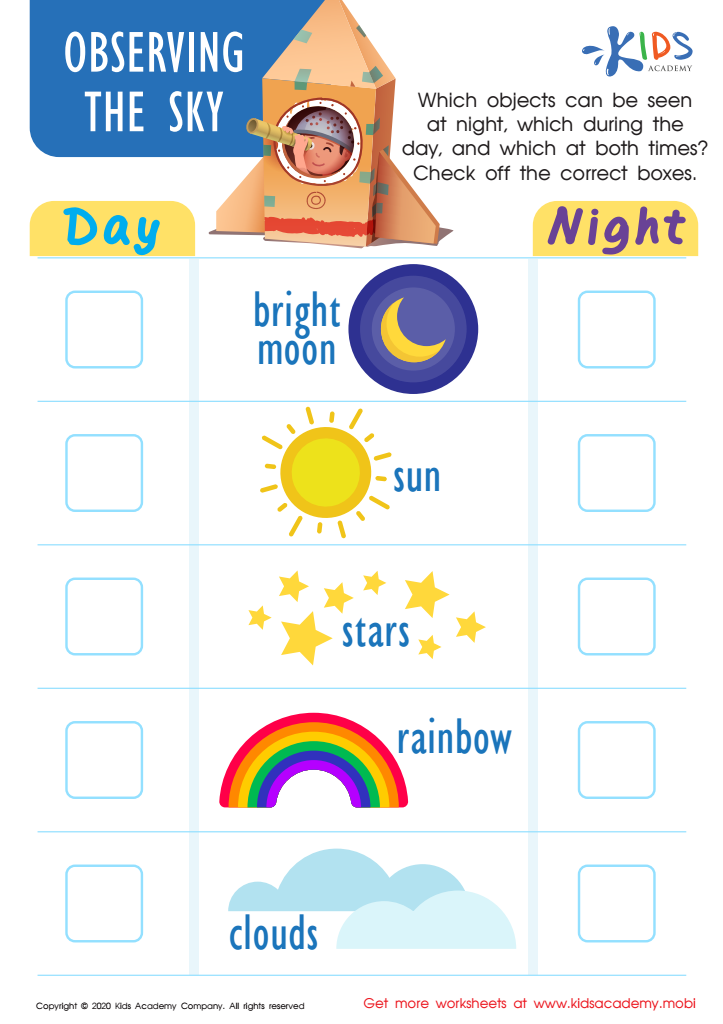
Observing the Sky Worksheet
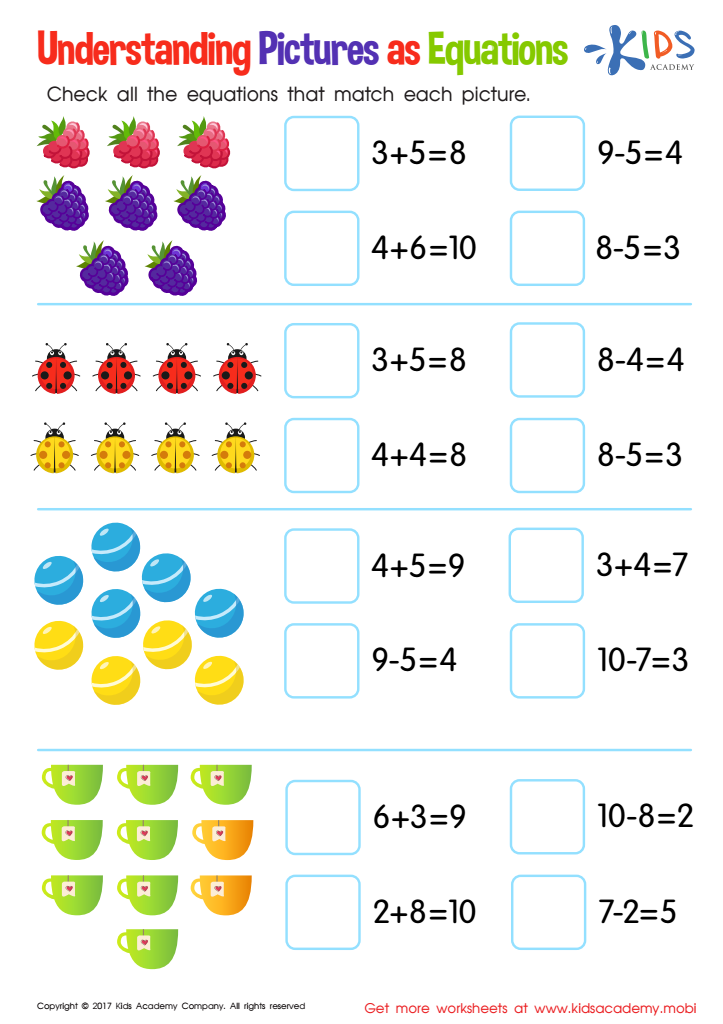
Understanding Pictures as Equations Worksheet
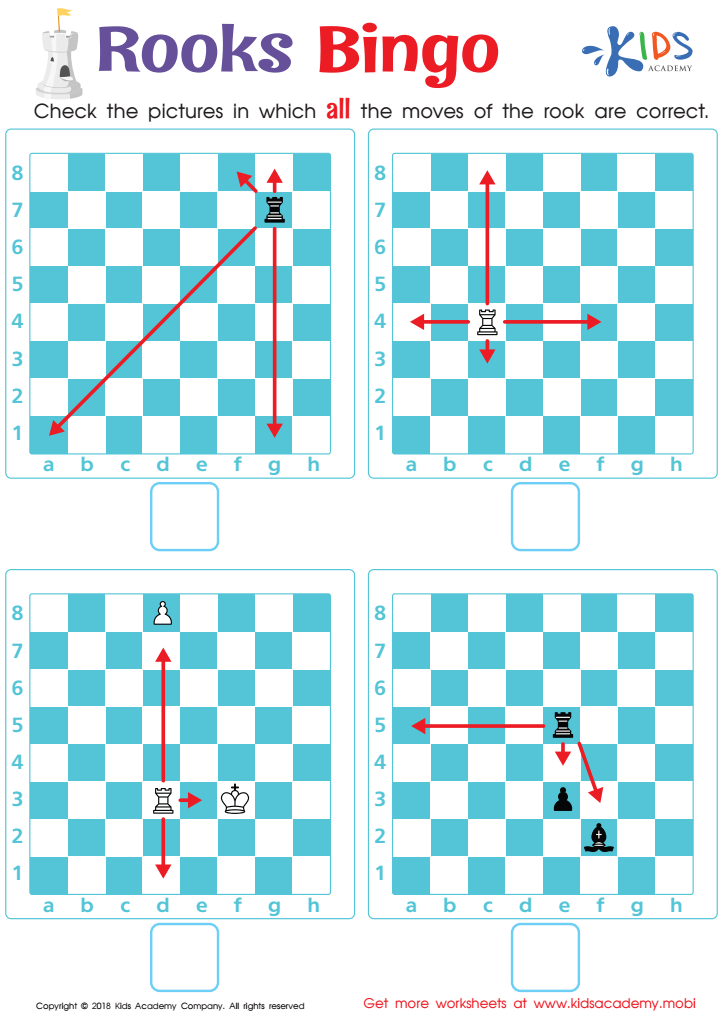
Rooks Bingo Worksheet



.jpg)




Recognizing patterns is a fundamental cognitive skill that serves as a building block for several areas of learning. For children aged 4-7, pattern recognition helps in early math skills, language development, and even emotional intelligence. When parents and teachers prioritize this skill, they set the foundation for critical thinking and problem-solving.
Firstly, recognizing patterns enhances mathematical understanding. It teaches children how to identify relationships, which is crucial when they encounter more complex concepts like addition and subtraction. Secondly, it aids in language development; recognizing patterns in speech and reading fosters phonemic awareness and improves literacy skills, as children start to notice rhymes and syllables.
Additionally, pattern recognition aids in developing social skills. By recognizing patterns in behavior or emotions, children can better understand their interactions with peers, strengthening their empathy and emotional intelligence. Moreover, engaging in pattern-related activities encourages curiosity and creativity, as children experiment with both structured and abstract patterns.
Incorporating activities for pattern recognition into daily routines, whether through games, art, or storytelling, makes learning natural and enjoyable. Ultimately, by focusing on this essential skill, parents and teachers empower children for future academic success and social understanding.








